Tag

Crispr Cas9

All articles tagged with #crispr cas9

biotechnology18 days ago

Single Gene-Editing Infusion Cuts Bad Cholesterol for a Year, Early Trial Shows

A small Phase 1 trial found that a single infusion of CTX310, a CRISPR-Cas9 therapy targeting ANGPTL3 in the liver, reduced LDL cholesterol by 52.5% and triglycerides by 47.8% at 12 months across doses, with no serious safety events; durability suggests potential year-long lipid control, though larger studies and 15-year safety follow-up are planned.

One-time gene edit slashes bad cholesterol for over a year
science1 month ago

One-time gene edit slashes bad cholesterol for over a year

A four-person pilot study, published in The New England Journal of Medicine, found that a single liver-targeted CRISPR-Cas9 therapy reducing ANGPTL3 activity lowered LDL cholesterol by about 50% and triglycerides by about 55% in the highest-dose group, with these effects persisting for more than a year. Side effects were generally mild, though one participant with extensive cardiovascular disease died, and larger trials are needed to confirm long-term safety and efficacy.

DNA twist drives CRISPR-Cas9 off-targeting, topology-guided activation
science6 months ago

DNA twist drives CRISPR-Cas9 off-targeting, topology-guided activation

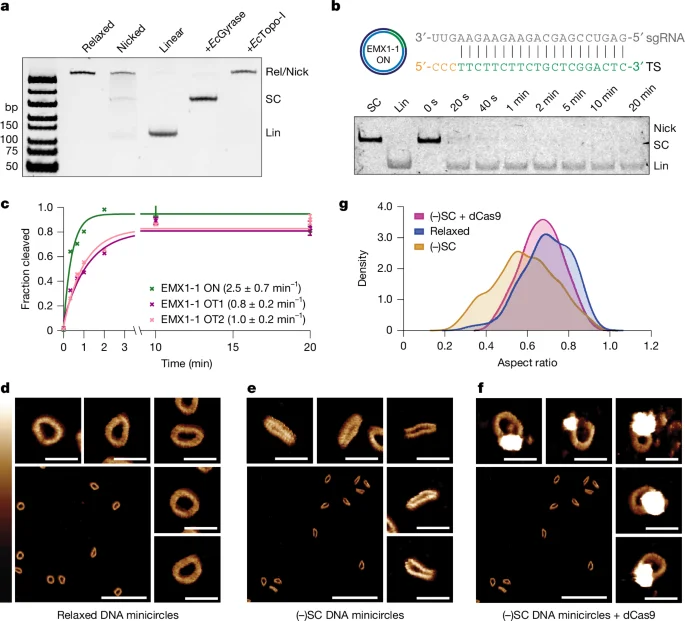
Negatively supercoiled DNA minicircles reveal that DNA topology promotes Cas9 binding and faster cleavage, with cryo-EM showing a 15 Å swing of the HNH domain toward the target strand and greater PAM-distal R-loop flexibility. The off-target structures OT1 and OT2 adapt via non-canonical base-pairing across the protospacer, enabling mismatches to be accommodated even in seed and distal regions; truncated guides retain activity under topology-induced stress. Collectively, the findings explain topology-driven off-target activity and offer design principles for high-fidelity Cas9 variants that consider DNA topology.

In vivo TRAC-CAR T cells engineered with dual vectors demonstrate potent cancer control
science6 months ago

In vivo TRAC-CAR T cells engineered with dual vectors demonstrate potent cancer control

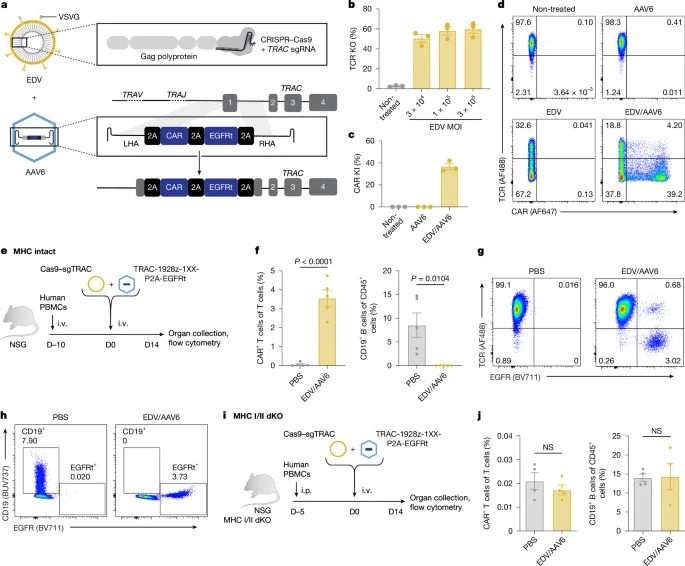
Researchers report a dual-vector in vivo system that edits the TRAC locus in T cells by delivering Cas9 via enveloped delivery vehicles and HDR templates via AAV6 (AAV-hT7), enabling promoterless CAR insertion at TRAC and generation of TRAC-CAR T cells directly in humanized mice. The approach produced therapeutic levels of CAR T cells, induced B cell aplasia, and controlled tumors in models of B-ALL, multiple myeloma, and solid tumors, with improved specificity from anti-CD3-targeted EDVs and an evolved, serum-resistant AAV-hT7 capsid. This could bypass ex vivo manufacturing and enable broader access to CAR T therapies, though translational safety and durability remain to be fully evaluated in primate models.

Capsule-Filtration-Enabled LNPs Target Pancreas for Precision mRNA Therapies
science7 months ago

Capsule-Filtration-Enabled LNPs Target Pancreas for Precision mRNA Therapies

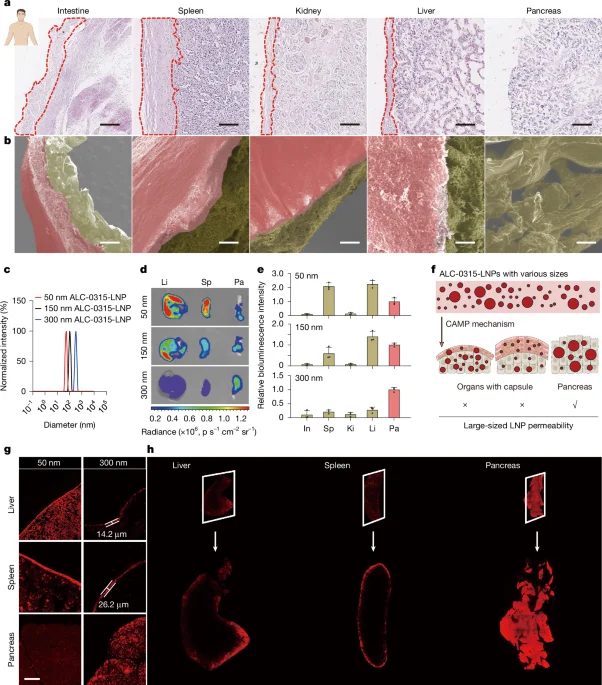
A Nature study introduces AH-LNP, a pancreatic-targeted lipid nanoparticle whose protein adsorption enlarges it to enable capsule-filtration–driven pancreas accumulation and receptor-mediated uptake, allowing efficient delivery of Cas9 mRNA and sgRNA for genome editing as well as mRNA encoding therapeutic cytokines. The approach yields precise pancreatic gene editing, enhances antitumor responses when combined with vaccines or CAR-T therapy across multiple pancreatic cancer models, and shows safety in several animal models including non-human primates, highlighting a promising platform for precision treatments of pancreatic diseases.

"Jailed Chinese Scientist Resumes Genome-Editing Research Despite Controversy"
science2 years ago

"Jailed Chinese Scientist Resumes Genome-Editing Research Despite Controversy"

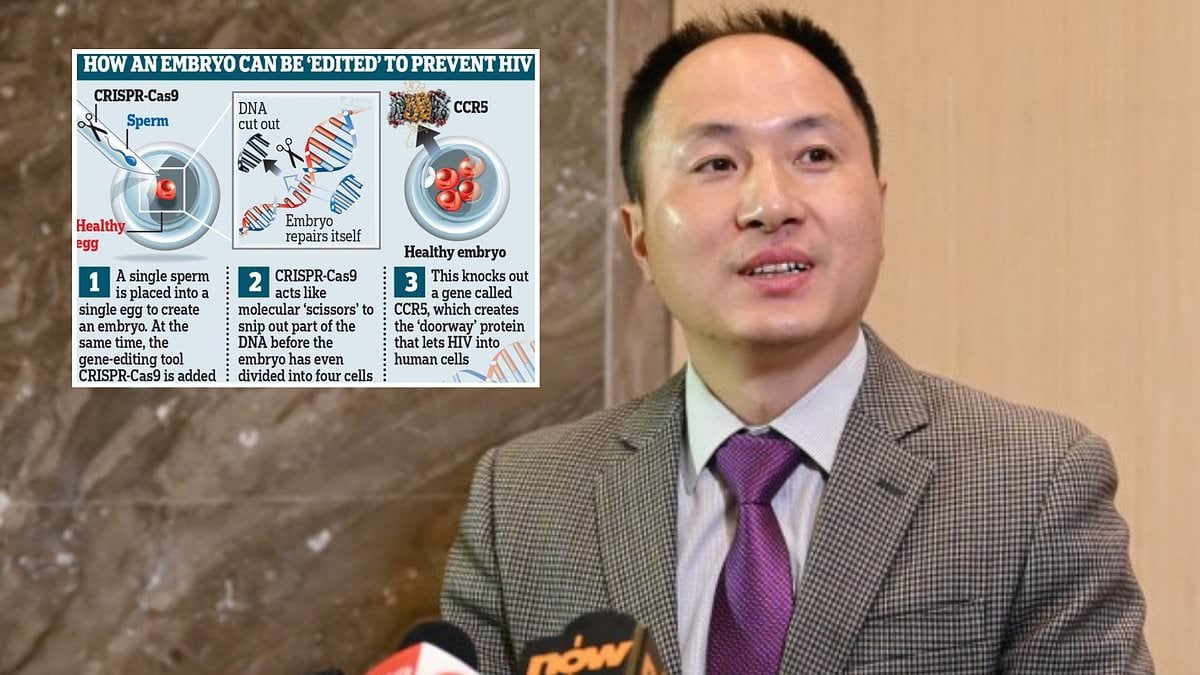
Disgraced Chinese scientist He Jiankui, who was jailed in 2019 for genetically editing human babies, has returned to genetic research and opened three new labs to continue experiments on human embryos. He claims to focus on developing gene editing techniques for treating rare diseases and insists that his work will comply with domestic and international rules. Despite fierce criticism, he remains proud of his past work and believes society will eventually accept it. He had previously announced the creation of the first genome-edited babies using CRISPR-Cas9, leading to his arrest and trial for illegal gene-editing intended for reproduction.

"Unlocking the Potential of Junk DNA in Birds for Gene Therapy"
science-and-technology2 years ago

"Unlocking the Potential of Junk DNA in Birds for Gene Therapy"

A new gene therapy technique called Precise RNA-mediated INsertion of Transgenes (PRINT) leverages retrotransposons found in birds to safely insert genes into a "safe harbor" in the human genome, avoiding disruption of essential genes or potential cancer risks. This approach complements CRISPR-Cas9 gene editing by providing a method to insert whole genes into the genome, offering promise for treating hereditary diseases caused by various mutations in the same gene. The technique involves using a retroelement protein called R2 to efficiently insert genes into the genome, particularly into the ribosomal RNA encoding region, providing a safe and effective method for gene supplementation.

"CRISPR Gene Therapy Shows Promise in Treating Hereditary Angioedema"
health-medicine2 years ago

"CRISPR Gene Therapy Shows Promise in Treating Hereditary Angioedema"

Gene therapy using Crispr-Cas9 has shown promising results in treating hereditary angiodema, a genetic disorder causing painful and unpredictable swelling attacks. Patients treated with a single dose of the therapy showed little sign of further symptoms, with one patient experiencing only minor symptoms. The treatment has the potential to provide a permanent cure for this debilitating condition and could also be used to treat other genetic disorders. Larger trials and long-term monitoring are planned to assess the therapy's safety and efficacy.

"Unintended Consequences: CRISPR's Impact on Cancer Gene Therapy"
health-science2 years ago

"Unintended Consequences: CRISPR's Impact on Cancer Gene Therapy"

A study has revealed that CRISPR-Cas9 gene editing can cause cancer cells to eliminate important genes, impacting gene regulation and potentially affecting cancer treatment and research. The findings underscore the need for cautious use of gene editing technologies and highlight the importance of understanding and mitigating unintended consequences in cancer therapy.

Vertex CSO David Altshuler discusses non-opioid pain pills, AI, and the potential for a groundbreaking drug
biotech3 years ago

Vertex CSO David Altshuler discusses non-opioid pain pills, AI, and the potential for a groundbreaking drug

David Altshuler, Chief Scientific Officer of Vertex Pharmaceuticals, implemented a unique R&D strategy that focused on targeting specific diseases such as sickle cell and type 1 diabetes and utilizing various tools and platforms, including CRISPR-Cas9 and cell therapy, to develop treatments. The company's CRISPR therapy for sickle cell is awaiting approval and could potentially be the first of its kind on the market.

Breakthrough Gene Editing Tool and Technique Developed by Weill Cornell Researchers for Investigating Cancer Mutations and Abnormal RNA Splicing
science-and-technology3 years ago

Breakthrough Gene Editing Tool and Technique Developed by Weill Cornell Researchers for Investigating Cancer Mutations and Abnormal RNA Splicing

Researchers at Weill Cornell have developed a new gene editing tool that utilizes CRISPR-Cas9 technology to study cancer mutations in preclinical mouse models. The tool combines Cas9 and guide RNA with APOBEC, an enzyme that creates single base mutations in DNA. The team faced challenges with unwanted mutations and varying gene expression, but overcame them by integrating a single gene copy controlled by doxycycline. The tool has the potential to understand the effects of genetic changes on tumors, develop effective therapies, and study other disorders beyond cancer.

"Revolutionizing Metabolic Engineering with a CRISPR-Cas9 DNA Assembly Kit"
science-and-technology3 years ago

"Revolutionizing Metabolic Engineering with a CRISPR-Cas9 DNA Assembly Kit"

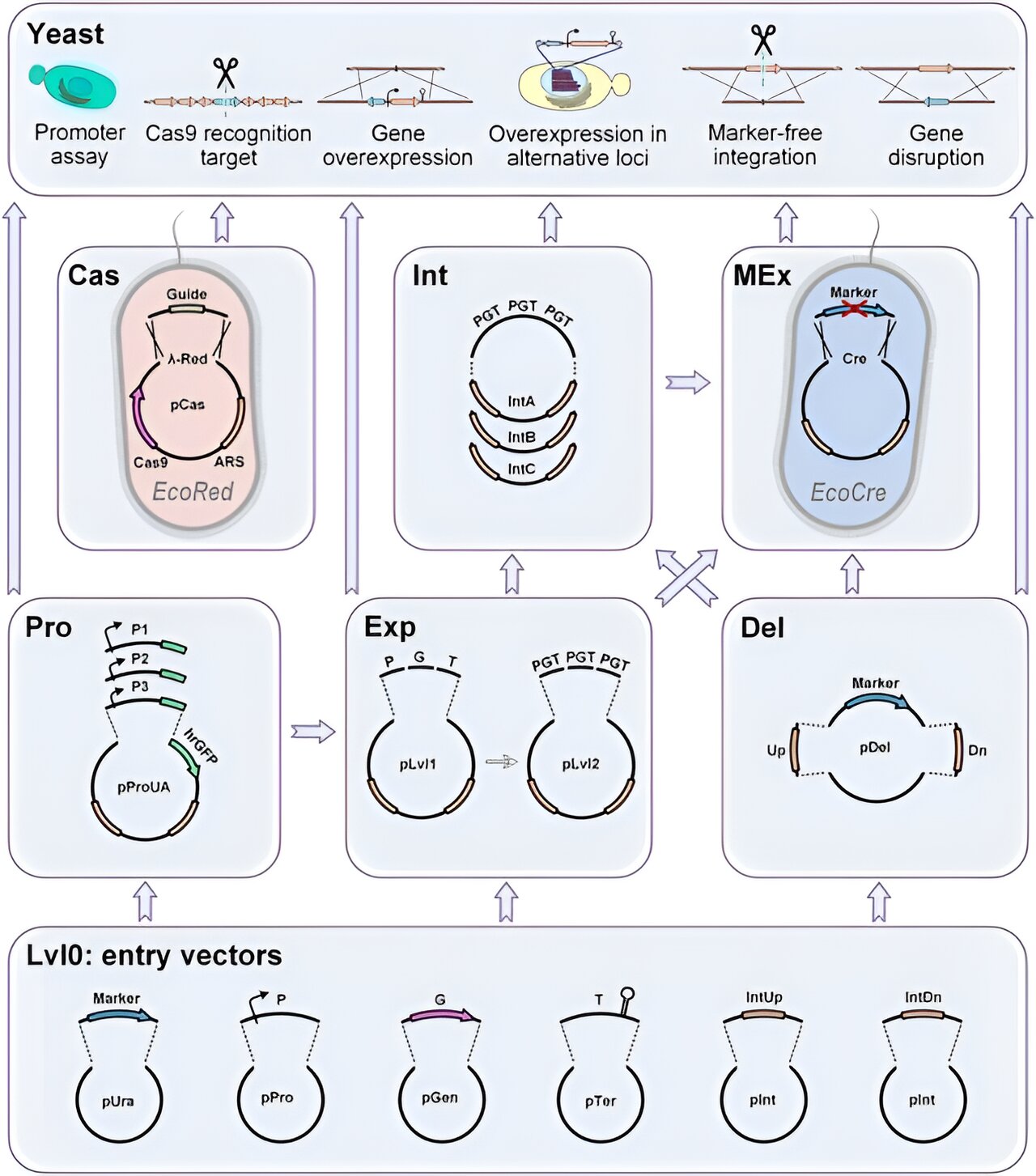
Researchers have developed a comprehensive DNA assembly toolkit to unlock the potential of CRISPR-Cas9 for metabolic engineering. The toolkit consists of seven modules that enable quick and easy assembly of integrative constructs and Cas9-helper plasmids. It includes methods for marker-free integration, donor DNA re-direction, and cloning of guide RNAs. The researchers demonstrated the functionality of the toolkit by engineering yeast to produce homogentisic acid, a precursor for pyomelanin, a constituent of natural sunscreens and cosmetics. The toolkit has broad applications in strain engineering and is expected to facilitate advancements in metabolic engineering and other fields of biological engineering.

"Breakthrough Discovery: 135 New Melanin Genes Unveiled, Revolutionizing Understanding of Pigmentation"
science-and-technology3 years ago

"Breakthrough Discovery: 135 New Melanin Genes Unveiled, Revolutionizing Understanding of Pigmentation"

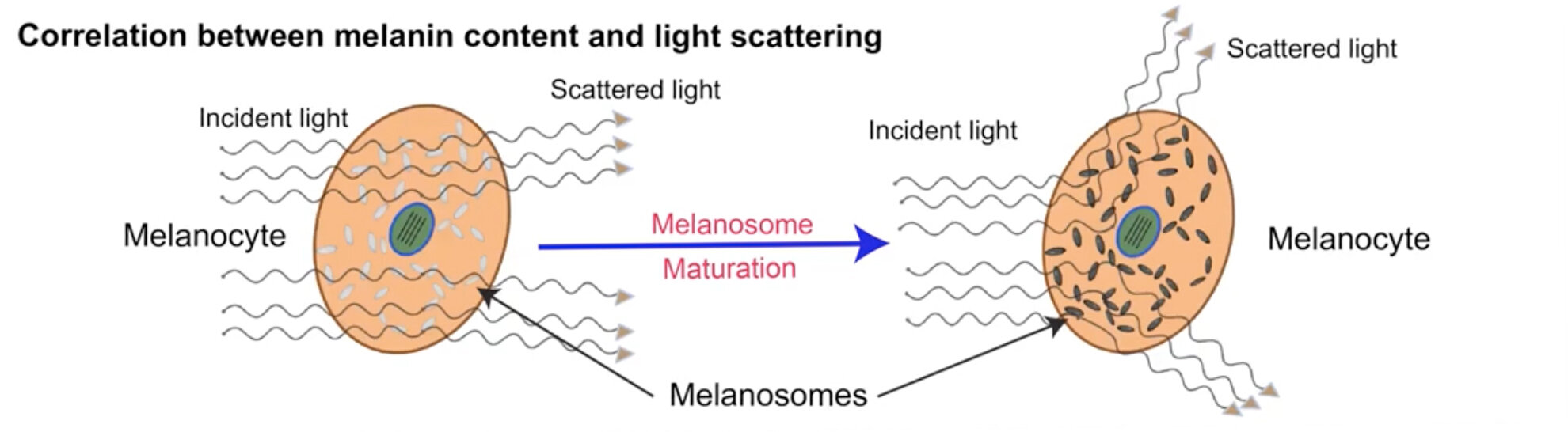
Researchers have identified 135 new genes that are responsible for pigmentation and melanin production in humans. Using CRISPR-Cas9 technology, the scientists systematically removed over 20,000 genes from melanocytes and observed the impact on melanin production. By separating cells with more or less melanin using a novel method, they identified both new and previously known genes that play important roles in regulating melanin production. The findings could help protect lighter-skinned individuals from skin cancer and lead to the development of melanin-modifying drugs for pigmentation diseases. The research could also be applied to identify genes that regulate melanin production in fungi and bacteria, potentially enabling the development of interventions against microbial diseases.