Tag

Blue Whale

All articles tagged with #blue whale

Earth’s Gigantic Living Wonders: From a 77-Sq-Mile Seagrass to a Vast Underground Fungus
science26 days ago

Earth’s Gigantic Living Wonders: From a 77-Sq-Mile Seagrass to a Vast Underground Fungus

A tour of Earth’s six largest living things: a 77-square-mile Shark Bay seagrass meadow—the largest plant; the 2,385-acre Humongous Fungus in Oregon; the blue whale, the largest animal; the General Sherman tree; the Pando aspen clone; and the corpse flower, highlighting how these organisms achieve their extraordinary scale and longevity.

Oceanic Titans: The 10 Largest Marine Creatures in History
science1 month ago

Oceanic Titans: The 10 Largest Marine Creatures in History

The piece explains why the ocean fosters gigantism—buoyancy lightens bones, thermoregulation favors larger bodies, and deep-sea energy sources support long growth—and then surveys 10 of the largest marine creatures, from the living blue whale (up to ~33 m) and fin whales to extinct giants like Megalodon, Perucetus colossus and Ichthyotitan severnensis, with notes on debated sizes (e.g., Nanaimoteuthis haggarti) and the inclusion of extraordinary coral colonies as massive ocean-scale structures.

Hidden Depths: Blue Whale Calls May Evade Orcas Over Long Distances
science1 month ago

Hidden Depths: Blue Whale Calls May Evade Orcas Over Long Distances

A 2025 Marine Mammal Science study shows blue whales vocalize at ultra-low frequencies that travel far through seawater, but killer whales hear best at higher frequencies; beyond roughly a kilometer, orcas may largely miss the calls, giving blue whales a private long-range communication channel that could aid predator avoidance and mating, though increasing ocean noise could mask signals.

"Insights from Blue Whale Genes Challenge Inbreeding Expectations"
science2 years ago

"Insights from Blue Whale Genes Challenge Inbreeding Expectations"

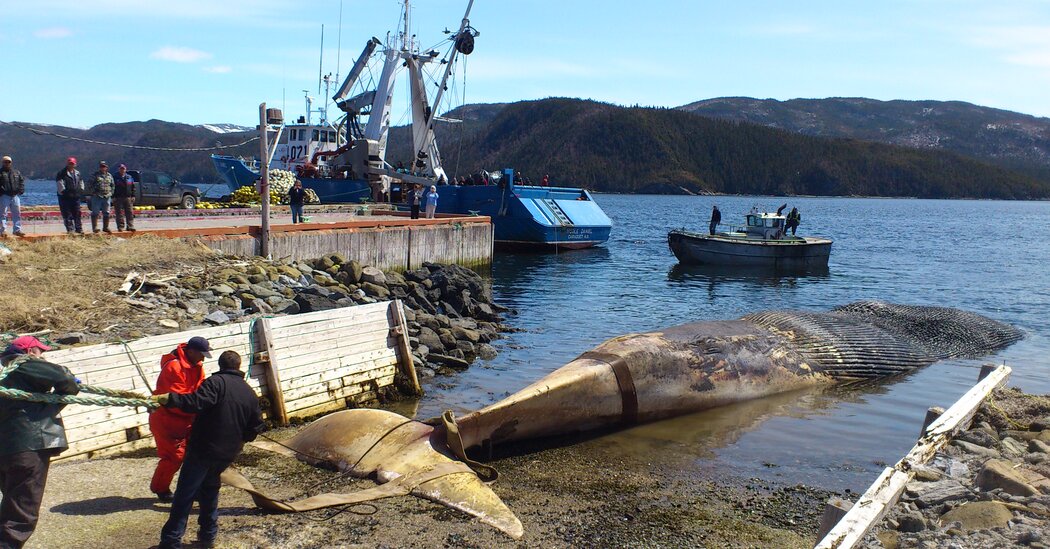
Genomic research on blue whale carcasses revealed surprising findings about the North Atlantic population, showing less inbreeding and more genetic variation than expected despite a history of industrial whaling. The study, published in Conservation Genetics, suggests that the long reproductive cycle of blue whales may have prevented a genetic bottleneck. With fewer than 3,500 adult blue whales remaining in the North Atlantic, the findings provide hope for the conservation of this endangered species.

"Unearthing Earth's Largest Animal: The Ancient Whale That Could Have Been the Heaviest Ever"
science3 years ago

"Unearthing Earth's Largest Animal: The Ancient Whale That Could Have Been the Heaviest Ever"

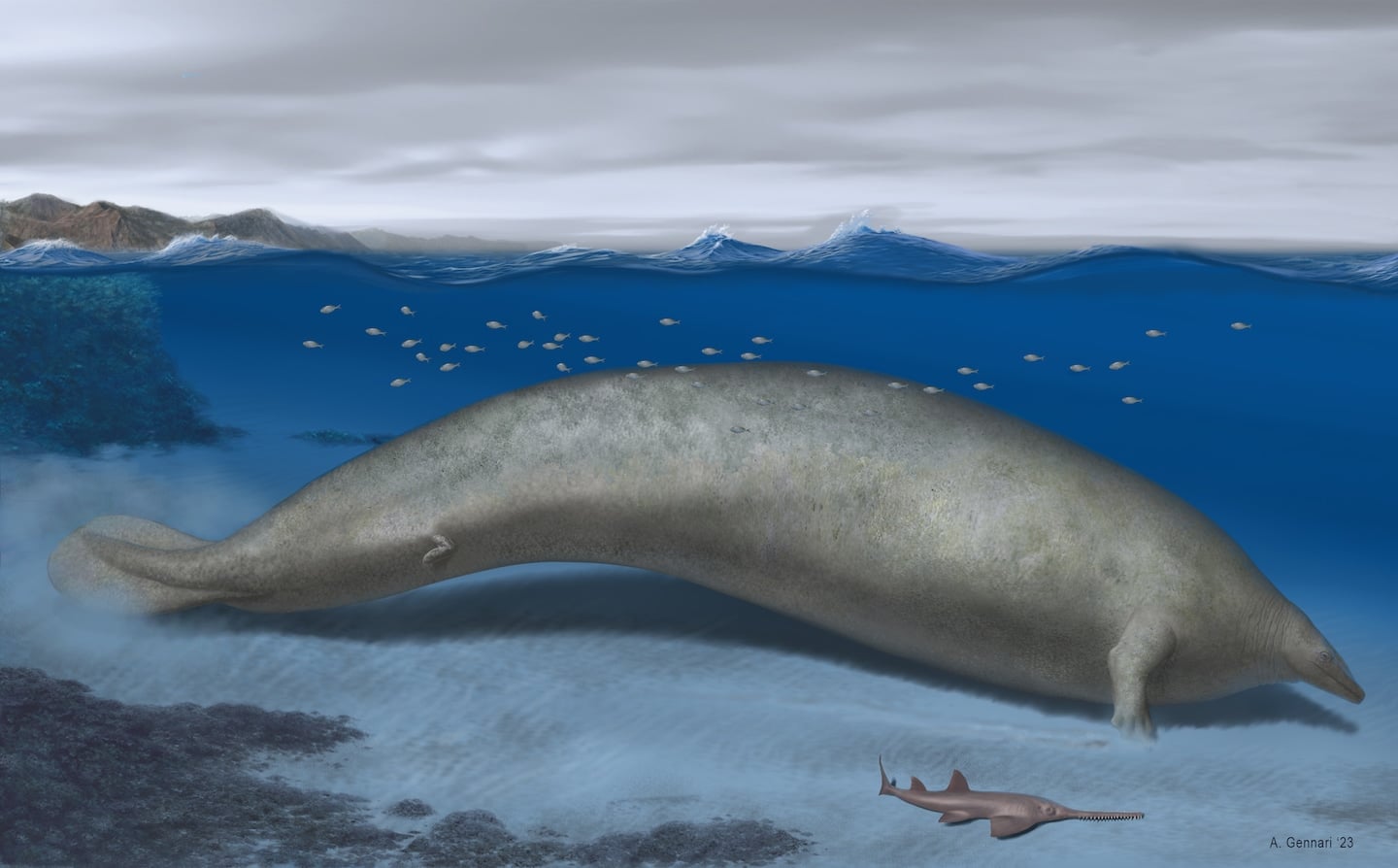
Fossils of an extinct marine mammal, Perucetus colossus, recently discovered in Peru suggest that it may have weighed up to 340 metric tons, challenging the blue whale's status as the largest animal ever. The massive creature, resembling a manatee, has compelled scientists to reconsider how animals can grow to such gigantic sizes. However, some experts remain skeptical of the estimates and believe more fossils are needed before declaring a new heavyweight champion. The discovery highlights the various ways in which whales can evolve into giants and raises questions about the diet and feeding habits of this ancient leviathan.

animals3 years ago

"7 Gigantic Creatures: Ranking the World's Largest Animals"

The largest animal in the world is the blue whale, weighing up to 190,000kg and measuring 30 meters in length. The saltwater crocodile is the largest reptile, reaching up to 7 meters in length and weighing up to 1,000kg. The common ostrich is the biggest bird, standing at around 2.75 meters in height. The whale shark holds the title for the largest fish, with females reaching lengths of up to 14 meters. The giant huntsman spider is the largest spider, with a leg span of up to 30cm. The green anaconda is the largest snake, weighing up to 250kg and measuring 9.1 meters. Finally, the Komodo dragon is the largest lizard, growing up to 3.1 meters in length and weighing up to 150kg.