Rhythmic Brain Stimulation May Help Socially Anxious Individuals Override Avoidance Impulses
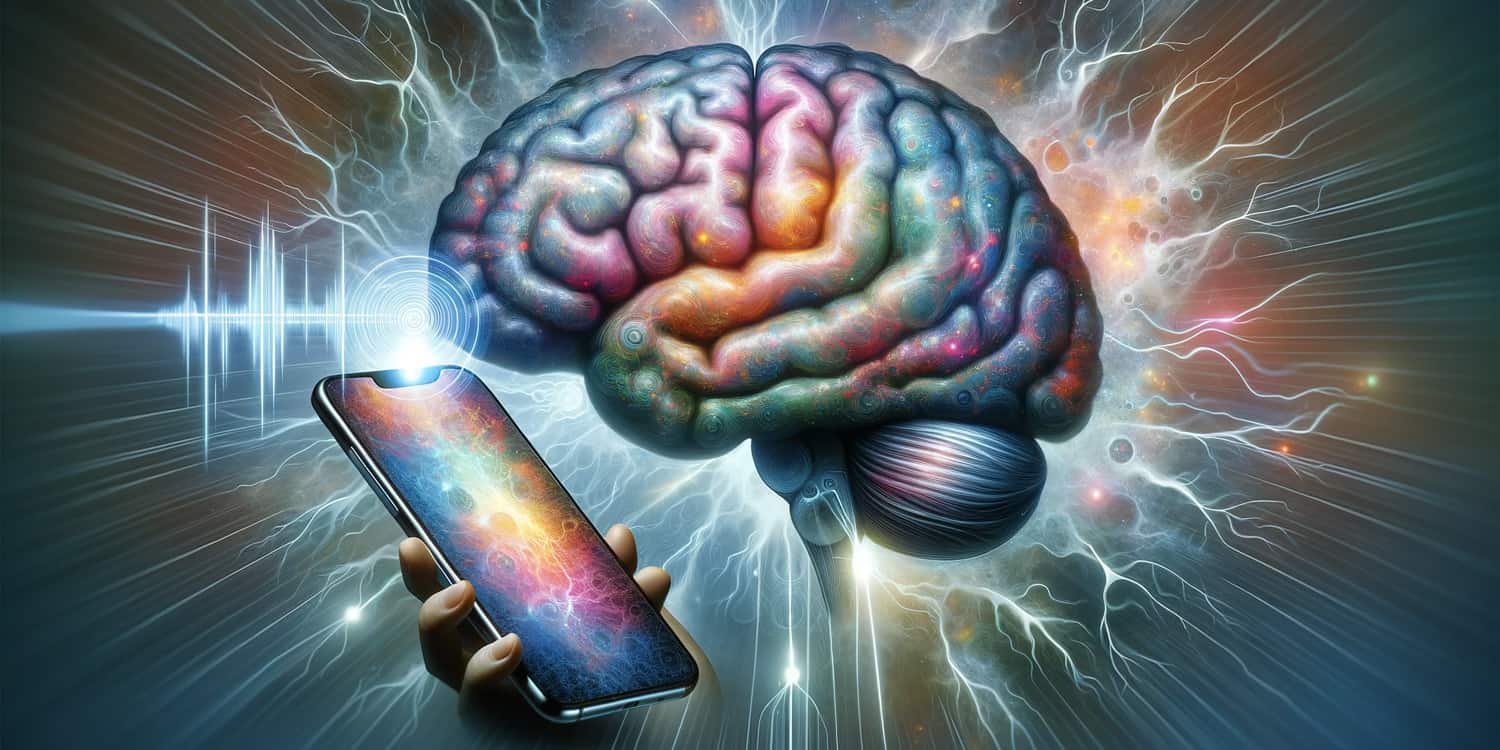
A small study from Radboud University found that dual-site transcranial alternating current stimulation can improve emotional action control in individuals with high social anxiety. By synchronizing rhythmic activity between the lateral prefrontal cortex and sensorimotor cortex, the intervention helped participants override automatic avoidance behaviors during a joystick task. The findings, published in The Journal of Neuroscience, suggest a potential adjunct to exposure therapy, though individual variability and the small sample size limit immediate clinical application.