Tag

Fractures

All articles tagged with #fractures

Bones aren’t built by pills alone, major study finds
health1 month ago

Bones aren’t built by pills alone, major study finds

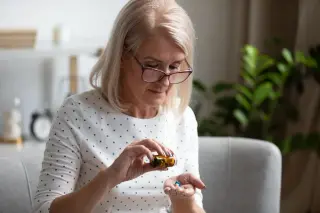
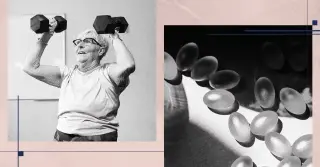
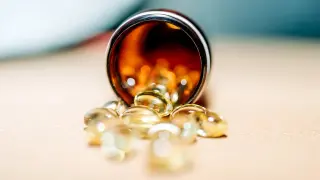
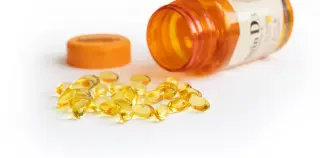
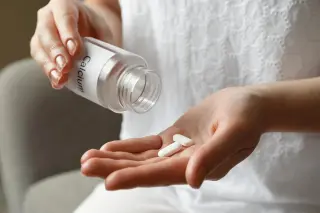
A BMJ meta-analysis of 69 trials with over 153,000 adults shows that vitamin D, calcium, or both together offer little to no meaningful reduction in fractures or falls for most healthy adults. The findings don’t deem supplements useless but highlight that bone health depends on lifestyle factors—exercise, diet, sunlight, and overall habits—rather than pills alone. Supplements may still be warranted for those with true deficiencies, osteoporosis, malabsorption, limited sun exposure, or specific medical conditions, under a doctor’s guidance. Practical steps to support bones include regular weight-bearing and strength training, calcium- and protein-rich foods, morning sunlight, avoiding smoking and excess alcohol, maintaining a healthy weight, and falls prevention.

Calcium and vitamin D may not protect aging bones as once thought
health2 months ago

Calcium and vitamin D may not protect aging bones as once thought

A BMJ review of 69 clinical trials with nearly 154,000 participants finds that calcium, vitamin D, or their combination provide little to no protection against fractures or falls in older adults, underscoring that bone health hinges on a comprehensive, individualized approach—stronger emphasis on exercise, nutrition, and safety measures beyond supplements.

Calcium and Vitamin D Supplements Fall Short in Preventing Fractures, Large Review Finds
health2 months ago

Calcium and Vitamin D Supplements Fall Short in Preventing Fractures, Large Review Finds

A comprehensive review of 69 trials with more than 154,000 adults finds calcium or vitamin D supplements, alone, do little to prevent fractures or falls; even combined use yields tiny, likely clinically insignificant benefits (about 1 fewer fracture per 100 people and ~3 fewer hip fractures per 1,000). The benefits may exist in highly deficient or osteoporotic individuals, but for the general population regular exercise, weight-bearing and balance training, and fall-risk reduction remain the best strategy for bone health.

Calcium and vitamin D supplements offer little fracture protection for most adults, big study finds
health2 months ago

Calcium and vitamin D supplements offer little fracture protection for most adults, big study finds

A meta-analysis of 69 trials with more than 154,000 adults found that calcium or vitamin D supplements, alone or in combination, do not meaningfully reduce fractures or falls; any benefits are small and not clinically significant for the general population, though supplements may help people with osteoporosis or severe deficiency. The study reinforces that regular physical activity, weight‑bearing and balance exercises, and fall-prevention strategies remain the most effective ways to protect bone health.

Large Review Finds Calcium and Vitamin D Supplements Do Not Significantly Prevent Falls or Fractures
health-and-medicine2 months ago

Large Review Finds Calcium and Vitamin D Supplements Do Not Significantly Prevent Falls or Fractures

A BMJ meta-analysis of about 154,000 adults across 69 randomized trials finds that calcium, vitamin D, or their combination provide little to no meaningful reduction in fractures or falls (including hip fractures); effects are consistent across age, sex, prior fractures, and dietary calcium. The findings call for re-evaluating routine supplementation guidelines and shifting focus to proven fall-prevention strategies such as balance training, resistance exercise, and individualized risk-based programs.

Calcium and Vitamin D Supplements Fall Short in Preventing Fractures, Large Review Finds
health2 months ago

Calcium and Vitamin D Supplements Fall Short in Preventing Fractures, Large Review Finds

A large meta-analysis of 69 randomized trials including about 154,000 adults shows calcium, vitamin D, or their combination provide little to no meaningful reduction in overall fractures, hip fractures, or falls among most older adults. Findings are consistent across age, sex, and dietary calcium intake, and do not support routine supplementation. The authors urge re-evaluating guidelines and shifting focus to proven fall-prevention strategies like balance and resistance training, home hazard assessment, and personalized risk education.

Calcium and vitamin D supplements offer little fracture protection, review finds
health3 months ago

Calcium and vitamin D supplements offer little fracture protection, review finds

A BMJ meta-analysis of 69 randomized trials involving about 154,000 mostly older adults found that calcium, vitamin D, or their combination provide little to no reduction in fractures or falls, with any absolute benefit not clinically meaningful. The findings do not support routine supplementation for the general population, though results may differ for people with osteoporosis or high fracture risk who should follow established treatments and guidelines.

GLP-1 Diabetes Drugs May Elevate Fracture Risk in Older Adults
health5 months ago

GLP-1 Diabetes Drugs May Elevate Fracture Risk in Older Adults

New observational studies suggest GLP-1 medications used for Type 2 diabetes and obesity (e.g., Ozempic, Wegovy) may be linked to higher fracture risk in adults 65+, with increases in fragility fractures, osteoporosis, and gout signals. One study of about 46,000 seniors over ~3 years found an 11% higher fracture risk; another analysis reported a 29% higher osteoporosis risk over five years among GLP-1 users with obesity/diabetes. Causation isn’t established; rapid weight loss and nutritional changes may contribute to bone loss. Experts urge pre‑treatment bone-density screening and strategies to protect bone health, while noting GLP-1 benefits when used under medical supervision.

Recognizing and Preventing Silent Signs of Osteoporosis
health10 months ago

Recognizing and Preventing Silent Signs of Osteoporosis

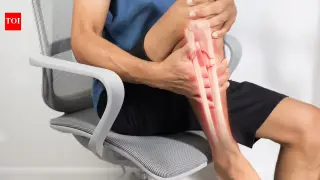
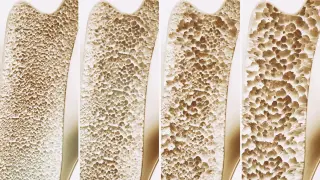
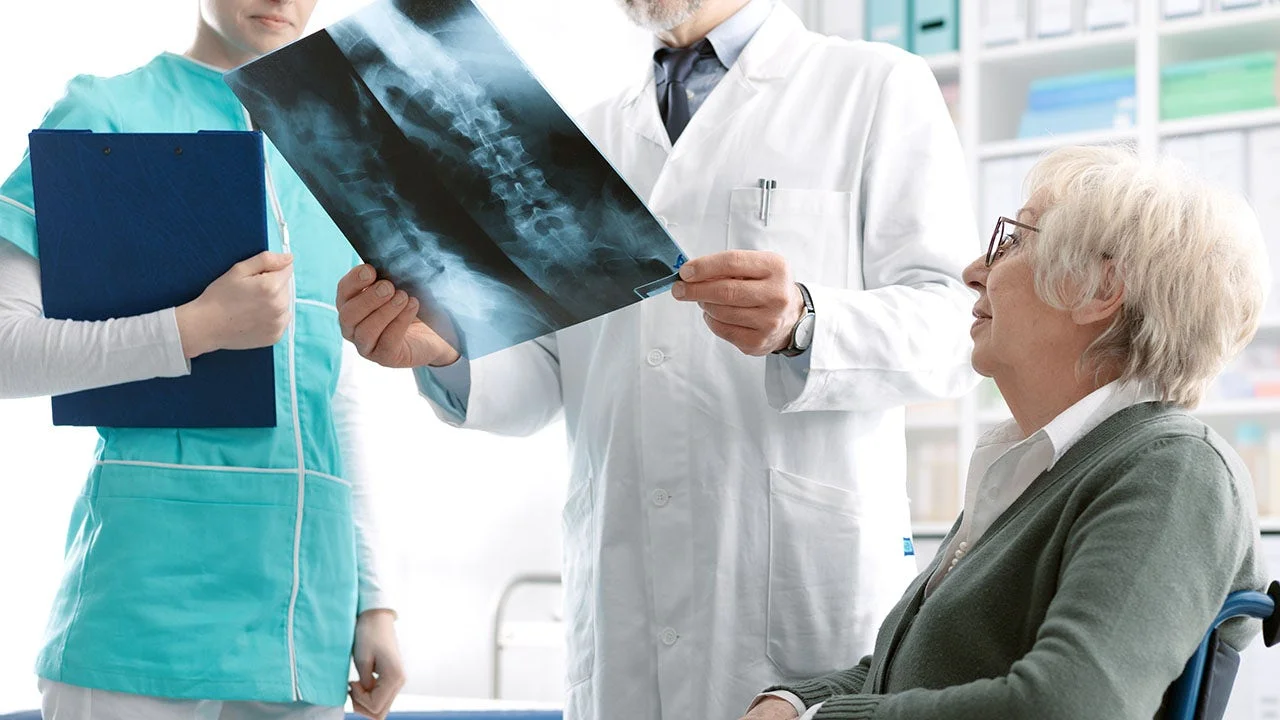
Osteoporosis is a silent disease that weakens bones, often showing early signs in hands, legs, and teeth such as wrist fractures, grip weakness, hip pain, height loss, receding gums, and brittle nails. Early detection through awareness and medical assessment can prevent serious fractures and improve quality of life by enabling timely treatment and lifestyle changes.

"Surge in Pickleball Injuries Reported by Medical Professionals"
health-and-wellness2 years ago

"Surge in Pickleball Injuries Reported by Medical Professionals"

The popularity of pickleball has surged, leading to a 200% increase in bone fractures over the last 20 years, with common injuries including sprained ankles, knee damage, rotator cuff injuries, and foot fractures. A study found that most fractures occurred during falls, with women over 65 being more susceptible. Experts advise proper preparation, including learning the sport's mechanics and form, warming up, wearing appropriate shoes, and getting screened for osteoporosis. It's also crucial to learn how to fall safely and consider bone scans, especially for those with a family history of fractures.

"Preventing Pickleball Injuries: Essential Tips for Pain-Free Play"
health-and-wellness2 years ago

"Preventing Pickleball Injuries: Essential Tips for Pain-Free Play"

The popularity of pickleball has led to a significant increase in serious injuries among players, with bone fractures related to the sport rising by 200% over the last 20 years. Common injuries include soft tissue injuries, ACL damage, rotator cuff injuries, and foot fractures. Experts advise players to be well-informed and prepared, emphasizing the importance of learning proper mechanics, warming up, wearing appropriate footwear, and getting screened for osteoporosis. Additionally, individuals, especially middle-aged women, are encouraged to undergo bone scans to assess fracture risk.

"Senior Eye Diseases Increase Fall Risk"
health2 years ago

"Senior Eye Diseases Increase Fall Risk"

A study conducted in England and published in JAMA Ophthalmology found that older adults with cataracts, age-related macular degeneration (AMD), or glaucoma are more likely to experience falls and fractures. The risk for both was highest among people with glaucoma, followed by those with cataracts and then AMD. The study suggests that all three eye diseases are important risk factors for falls and fractures, warranting improved advice, access, and referrals to fall prevention services for older people with eye disease.

The Truth About Vitamin D Supplements for Kids: Are They Really Effective?
health2 years ago

The Truth About Vitamin D Supplements for Kids: Are They Really Effective?

New research published in the journal Lancet Diabetes & Endocrinology challenges the widely held belief that vitamin D supplements help prevent bone fractures in children. The study, conducted in Mongolia, involved over 8,800 schoolchildren aged 6 to 13 who were given weekly vitamin D supplements for three years. Despite normalizing their vitamin D levels, the children showed no change in fracture risk or increased bone strength. The findings suggest that vitamin D supplementation may not be effective in preventing fractures in children without rickets, emphasizing the need to focus on preventing vitamin D deficiency in early life.

"Unveiling the Hidden Dangers of Weak Bones: 5 Lifestyle Habits to Avoid"
health2 years ago

"Unveiling the Hidden Dangers of Weak Bones: 5 Lifestyle Habits to Avoid"

Osteoporosis, a disease characterized by bone density loss, remains underdiagnosed, undertreated, and widely misunderstood. Weak bones can lead to sudden fractures, with a high mortality rate, yet only a small percentage of patients receive diagnostic bone density scans after a fracture. Experts recommend that women over 65 and younger women who have gone through menopause should schedule a bone density test. Prevention should start early, with sufficient calcium and vitamin D intake, weight-bearing exercises, and a healthy lifestyle. Medications such as bisphosphonates and bone-building drugs can help treat osteoporosis, but they have limitations and potential side effects. Research is ongoing to develop new treatments for osteoporosis.