Tag

Falls

All articles tagged with #falls

Calcium and Vitamin D Supplements Fall Short in Preventing Fractures, Large Review Finds
health16 days ago

Calcium and Vitamin D Supplements Fall Short in Preventing Fractures, Large Review Finds

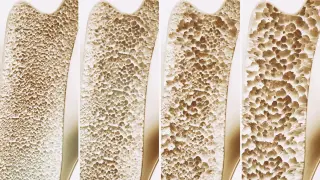
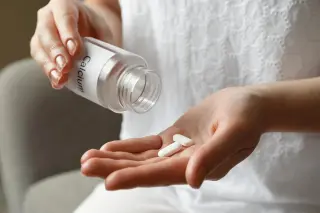
A comprehensive review of 69 trials with more than 154,000 adults finds calcium or vitamin D supplements, alone, do little to prevent fractures or falls; even combined use yields tiny, likely clinically insignificant benefits (about 1 fewer fracture per 100 people and ~3 fewer hip fractures per 1,000). The benefits may exist in highly deficient or osteoporotic individuals, but for the general population regular exercise, weight-bearing and balance training, and fall-risk reduction remain the best strategy for bone health.

Calcium and vitamin D supplements offer little fracture protection for most adults, big study finds
health17 days ago

Calcium and vitamin D supplements offer little fracture protection for most adults, big study finds

A meta-analysis of 69 trials with more than 154,000 adults found that calcium or vitamin D supplements, alone or in combination, do not meaningfully reduce fractures or falls; any benefits are small and not clinically significant for the general population, though supplements may help people with osteoporosis or severe deficiency. The study reinforces that regular physical activity, weight‑bearing and balance exercises, and fall-prevention strategies remain the most effective ways to protect bone health.

Large Review Finds Calcium and Vitamin D Supplements Do Not Significantly Prevent Falls or Fractures
health-and-medicine26 days ago

Large Review Finds Calcium and Vitamin D Supplements Do Not Significantly Prevent Falls or Fractures

A BMJ meta-analysis of about 154,000 adults across 69 randomized trials finds that calcium, vitamin D, or their combination provide little to no meaningful reduction in fractures or falls (including hip fractures); effects are consistent across age, sex, prior fractures, and dietary calcium. The findings call for re-evaluating routine supplementation guidelines and shifting focus to proven fall-prevention strategies such as balance training, resistance exercise, and individualized risk-based programs.

Aging Rewrites the Way We Walk: Balance Trumps Speed
health29 days ago

Aging Rewrites the Way We Walk: Balance Trumps Speed

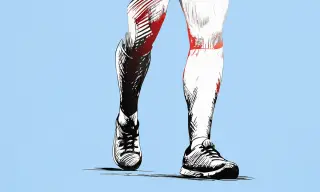
A 2026 study of 107 adults aged 26–86 found that aging shifts walking strategy from efficiency to safety: the ankle and surrounding muscles show more co-contraction, increasing joint stiffness to improve balance, but reducing forward push-off, shortening strides and slowing walking, which makes tasks feel more tiring and raises fall risk. The researchers suggest training that targets balance and coordination—not just strength—to help older adults stay mobile, with activities like tai chi and lower-leg strengthening recommended.

Aging Slows Our Stride: The Ankles and Brain Lean Toward Safety
health1 month ago

Aging Slows Our Stride: The Ankles and Brain Lean Toward Safety

New study of 107 adults aged 26–86 shows older walkers exhibit ankle muscle co-contraction, stiffening joints to improve balance but reducing push-off, shortening strides, and slowing pace. The nervous system appears to favor stability over performance as muscles weaken, increasing fatigue and fall risk; targeted balance/coordination training could help maintain a steadier gait.

Calcium and Vitamin D Supplements Fall Short in Preventing Fractures, Large Review Finds
health1 month ago

Calcium and Vitamin D Supplements Fall Short in Preventing Fractures, Large Review Finds

A large meta-analysis of 69 randomized trials including about 154,000 adults shows calcium, vitamin D, or their combination provide little to no meaningful reduction in overall fractures, hip fractures, or falls among most older adults. Findings are consistent across age, sex, and dietary calcium intake, and do not support routine supplementation. The authors urge re-evaluating guidelines and shifting focus to proven fall-prevention strategies like balance and resistance training, home hazard assessment, and personalized risk education.

Tiny 10-minute routine targets balance with four supine moves
health2 months ago

Tiny 10-minute routine targets balance with four supine moves

A study from Japan reports a 10-minute daily routine of four supine exercises—abdominal contractions, glute bridges, heel push, and a toe-movement sequence inspired by Rock-Paper-Scissors—can improve balance, flexibility, and postural control in healthy young adults over two weeks. The method, performed lying on a floor or mat, is designed to reduce postural demands while training core–limb coordination and may aid fall prevention and early-stage rehabilitation, though safety and efficacy in older adults still require study.

Five Simple Steps to Fall-Proof Your Home
health2 months ago

Five Simple Steps to Fall-Proof Your Home

Indoor falls are the biggest risk, especially for older adults, but many can be prevented. A review of 22 studies found removing common hazards can cut falls by up to 38%, and additional steps include strengthening balance, decluttering and securing rugs, installing rails or a raised toilet seat, moving frequently used items to eye level, improving lighting (with night lights), and avoiding multitasking while moving. For personalized guidance, consider an occupational-therapy home visit or referrals to home-hazard programs and simple aids like rug tape and rubber-backed mats.

Quebec’s seniors face rising fatal falls, triggering a stronger prevention push
health5 months ago

Quebec’s seniors face rising fatal falls, triggering a stronger prevention push

A 2025 INSPQ study shows falls are the leading cause of death and hospitalization from unintentional injuries among Quebecers 65+, with fall-related deaths quadrupling since 2000 (about 2,355 deaths in 65+ by 2021). About one in three older adults fall each year, rising to about half of those 85+, and traumatic brain injuries from falls are increasing. In response, Quebec unveiled multidisciplinary prevention efforts: a McGill-led falls-and-fractures clinic, Vivifrail home-exercise program, the DURAgym supervised program, Stand Up! fall-prevention initiatives, and community programs, plus medication reviews and home-safety assessments to keep seniors out of hospital and long-term care. The overarching message is clear: falling is not normal, and proactive prevention helps maintain autonomy and reduce suffering for older adults.

Three quick daily balance drills to reduce fall risk
health5 months ago

Three quick daily balance drills to reduce fall risk

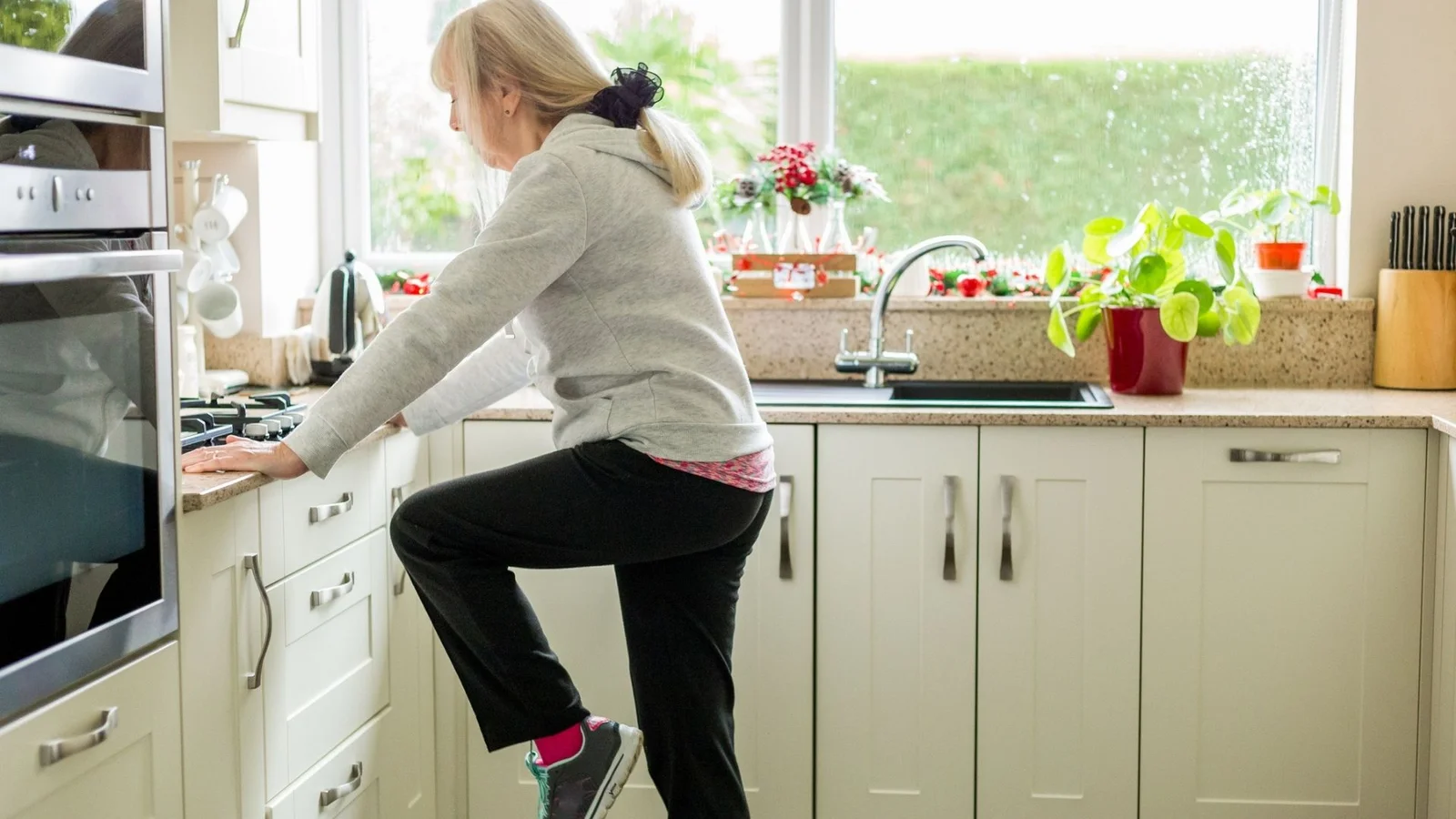
A physician says balance is a trainable skill and that just a few intentional minutes each day can strengthen stabilizing muscles and lower fall risk. The article outlines three simple drills you can weave into daily tasks: calf raises while the kettle boils, standing on one leg while brushing your teeth, and a standing knee lift with leg extension during the microwave run—habits that can be scaled up as you get steadier, especially for older adults.

Health and Safety Concerns Rise Amidst Autism, COVID, and Social Challenges
health9 months ago

Health and Safety Concerns Rise Amidst Autism, COVID, and Social Challenges

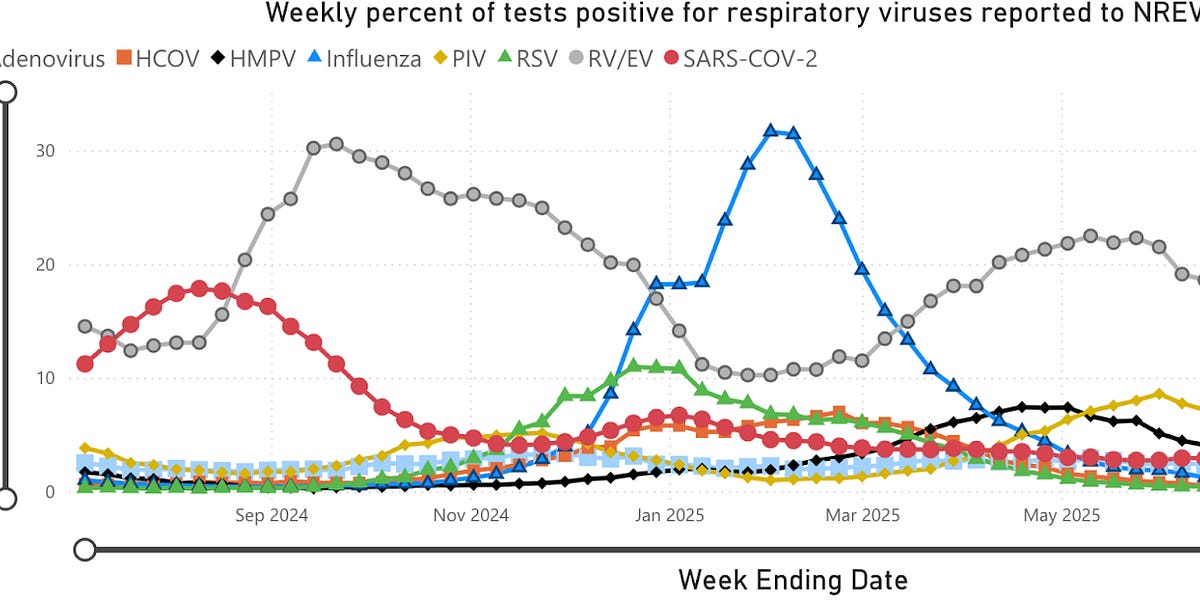
The article discusses the recent peak of Covid-19 summer cases, ongoing flu and cold activity, and clarifies vaccine recommendations and access, emphasizing the importance of vaccination and addressing misinformation, especially regarding RFK Jr.'s upcoming autism report, which is expected to contain misleading claims. It also highlights rising fall-related deaths among older adults and increasing loneliness among young people, offering practical advice for staying healthy and connected.

Rising Fatalities Among Elderly Post-Fall
health9 months ago

Rising Fatalities Among Elderly Post-Fall

The article discusses the rising mortality rates from falls among older Americans, highlighting the role of prescription drugs, especially those that cause drowsiness or dizziness, as a significant contributing factor. Despite efforts to prevent falls through guidelines and programs, the increase in fall-related deaths continues, partly due to overuse and inappropriate prescribing of certain medications. Experts emphasize the importance of deprescribing and alternative treatments to reduce these risks.

Rising Mortality Rates Among Elderly Post-Fall Incidents
health10 months ago

Rising Mortality Rates Among Elderly Post-Fall Incidents

The article discusses the rising death rates among older adults due to falls, highlighting the role of increased medication use, especially drugs that cause drowsiness or dizziness, and the challenges in fall prevention despite various guidelines and interventions. It emphasizes the importance of careful medication management and patient awareness to reduce fall-related deaths.