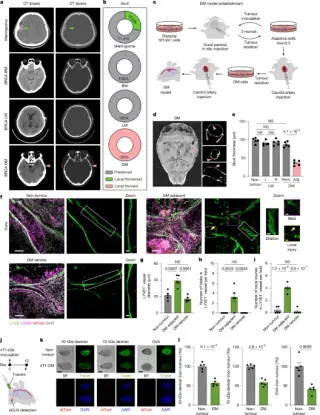
A new study in Nature reveals that cancer-related osteoclasts disrupt meningeal lymphatic drainage, creating an immunosuppressive environment that facilitates dural metastasis. Targeting these cells restores lymphatic function and enhances anti-tumor immune responses.
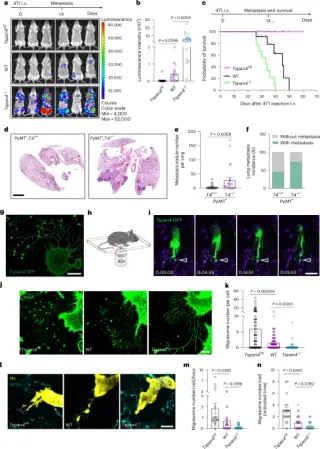
Research published in Nature reveals that circulating tumor cells shed migrasomes during metastasis, which deliver tumor antigens to immune cells and trigger anti-tumor responses. This process, mediated by Tspan4, paradoxically enhances tumor immunogenicity and constrains metastatic growth.
Researchers at Trinity College Dublin and University College Dublin found that a common dietary yeast beta-glucan supplement reprograms early bone marrow immune cells to create trained immunity that strengthens anti-tumor responses against colorectal, skin, and breast cancers in obese mice and can reverse obesity-related immune memory defects after weight loss; since Wellmune is already food-grade, this could accelerate human trials to test dietary supplementation alongside cancer therapies.
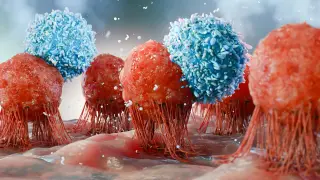
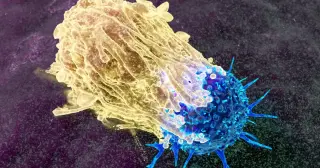
For decades, MHC class I was seen as the marker used by T cells to detect cancer, but tumors that downregulate MHC I evade T cells while potentially exposing themselves to natural killer (NK) cells that detect 'missing self.' NK cells are inhibited by MHC I through receptors like KIRs, so loss of MHC I can lift that brake, creating a vulnerability. In practice, tumors face barriers to NK cell infiltration and can become exhausted, making responses inconsistent. Researchers are pursuing NK cell–based therapies and cytokine strategies to exploit MHC I loss, particularly in cancers resistant to checkpoint inhibitors, with the goal of turning this paradox into a new therapeutic avenue while continuing to tackle delivery and safety challenges.