Tag

Fibroblasts

All articles tagged with #fibroblasts

Colon Chip uncovers fibroblasts as key drivers of IBD and early cancer signals
science1 month ago

Colon Chip uncovers fibroblasts as key drivers of IBD and early cancer signals

Researchers created a patient-derived Colon Chip that replicates many inflammatory bowel disease features in vitro, revealing that fibroblasts actively drive inflammation and barrier breakdown. When healthy tissue is grown with diseased fibroblasts, it adopts IBD-like traits; adding mechanical stretch and pregnancy-related hormones further amplifies inflammatory and fibrotic responses. The model also showed diseased chips exhibit stronger cancer-associated molecular changes after exposure to a carcinogen, suggesting fibroblasts play a central role in cancer susceptibility. This human, organ-on-a-chip platform offers a more faithful way to study IBD progression and the earliest steps of cancer than traditional cell cultures or animal models.
Two-Growth-Factor Trick Sparks Regeneration in Mice, Skipping Scar Formation
science2 months ago

Two-Growth-Factor Trick Sparks Regeneration in Mice, Skipping Scar Formation

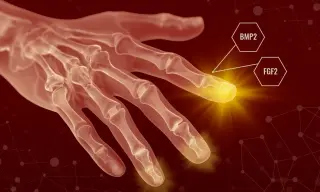
A two-step treatment using growth factors FGF2 and BMP2 reprograms fibroblasts at wound sites to form a blastema-like structure in mice, enabling bone, ligaments and skin to regrow rather than scar. While not a perfect replica of the original anatomy, the approach suggests regeneration in mammals can be steered away from scarring and toward rebuilding tissue, with potential to improve healing after amputations; BMP2 is FDA-approved for certain uses and FGF2 is in clinical trials, possibly speeding translation to humans.

Two-step growth-factor therapy hints at hidden regenerative powers in mammals
science2 months ago

Two-step growth-factor therapy hints at hidden regenerative powers in mammals

Texas A&M researchers report that sequentially applying FGF2 after wound closure and BMP2 days later can redirect the mammalian healing response from scar formation toward true tissue regeneration, enabling regrowth of bone, joints, ligaments, and tendons in amputated animal models. The work suggests mammals have dormant regenerative capacity that can be unlocked without adding external stem cells, though the regeneration is not an exact replica of the original anatomy and the approach remains early-stage with potential clinical implications.

Vitamin D Analogs May Break Pancreatic Cancer’s Barrier and Boost Chemo
health2 months ago

Vitamin D Analogs May Break Pancreatic Cancer’s Barrier and Boost Chemo

A small randomized trial finds that adding the FDA-approved vitamin D analog paricalcitol to standard chemotherapy for metastatic pancreatic cancer safely remodels the tumor microenvironment by reducing fibroblast activation and increasing T cell presence, with higher response rates and one-year progression-free survival observed—especially in tumors with high vitamin D receptor expression—suggesting biomarker-guided potential and the need for larger trials.

Two-Protein Trick Sparks Partial Toe Regrowth in Mice
science3 months ago

Two-Protein Trick Sparks Partial Toe Regrowth in Mice

Texas A&M researchers coaxed mice toe regrowth by applying two signaling proteins—FGF2 to prime fibroblasts and BMP2 to drive blastema formation—enabling regeneration of bone, tendons, ligaments, and joints across multiple attempts. While imperfect and not yet tested in humans, the work suggests mammals may have latent regenerative potential and could inform future therapies; BMP2 is already used in reconstructive surgery and FGF2 is moving toward clinical use.

Scar-Driven Fibrosis Emerges as Target for Treatment-Resistant Rheumatoid Arthritis
health3 months ago

Scar-Driven Fibrosis Emerges as Target for Treatment-Resistant Rheumatoid Arthritis

A Nature Immunology study using spatial transcriptomics reveals that persistent scar formation (fibrosis) and disrupted fibroblast–endothelial signaling in RA joints may drive treatment resistance even when inflammation is controlled, pointing to a new fibrosis-focused therapeutic target for patients who don’t respond to standard therapies.

Skin Immune Cells Trigger Hidden Psoriatic Arthritis
health6 months ago

Skin Immune Cells Trigger Hidden Psoriatic Arthritis

Researchers found that immune cells formed in inflamed psoriasis skin can migrate into the bloodstream and travel to joints, where they encounter fibroblasts and ignite inflammation leading to psoriatic arthritis. The study explains why only some psoriasis patients develop arthritis and suggests blood-d detectable migratory cells could serve as an early warning, with future therapies aiming to intercept these cells before joint damage occurs.

"Exploring New Approaches to Erectile Dysfunction Treatment Through Mouse Erection Studies"
health2 years ago

"Exploring New Approaches to Erectile Dysfunction Treatment Through Mouse Erection Studies"

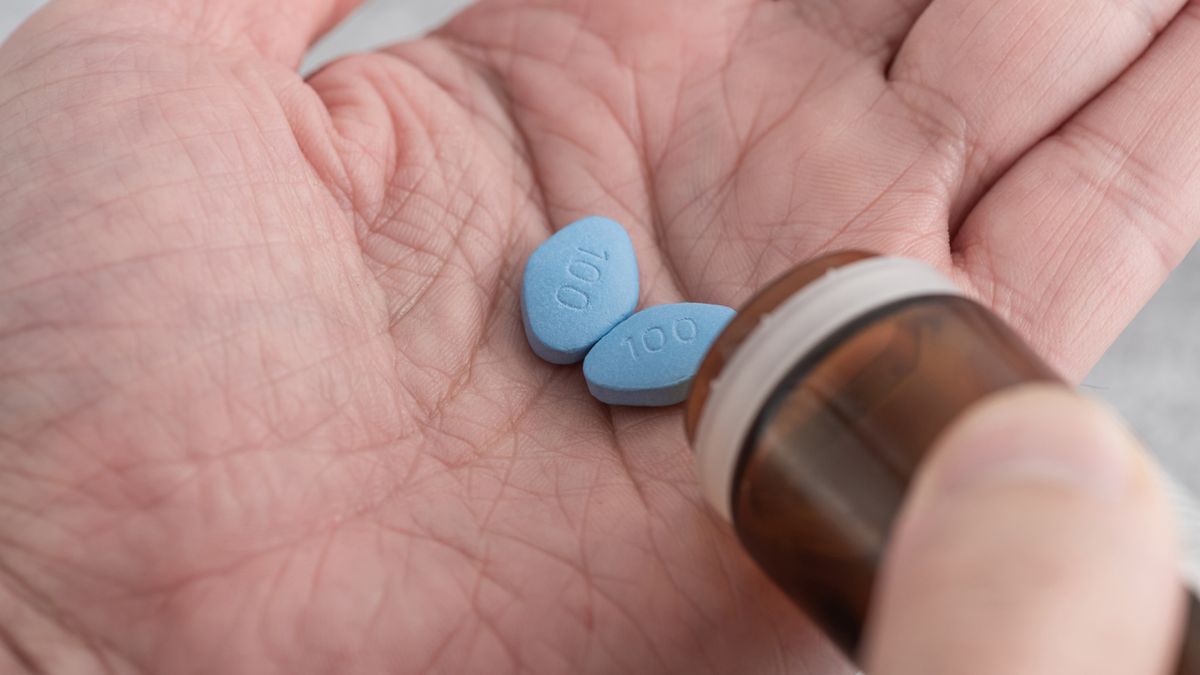
A study on mouse erections has revealed the crucial role of fibroblast cells in triggering and maintaining penile erections, shedding light on potential new treatments for erectile dysfunction in humans. The findings suggest that manipulating the Notch signaling pathway in fibroblasts or increasing their absorption of norepinephrine could offer alternative therapeutic approaches. However, rigorous testing is needed to ensure safety and effectiveness in men. This research may provide insights into age-related erectile dysfunction and offer potential alternatives for patients who do not respond to standard drugs like Viagra.

"Reevaluating the Role of Fibroblasts in Penile Erections"
health2 years ago

"Reevaluating the Role of Fibroblasts in Penile Erections"

A new study on mice suggests that fibroblasts, connective tissue cells in the penis, play a crucial role in regulating blood flow and mediating erections. The study found that an increased frequency of erections leads to more fibroblasts, while a decreased frequency results in fewer of these cells. The researchers believe that the number of fibroblasts in the penis is affected by the frequency of erections, and older mice had fewer fibroblasts, which was reflected in lower blood flow. The findings may lead to new treatments for erectile dysfunction and suggest that regular erections could be important for maintaining erectile function.

Targeting Mid-Old Cells: Unlocking Anti-Aging Interventions for the Elderly
health2 years ago

Targeting Mid-Old Cells: Unlocking Anti-Aging Interventions for the Elderly

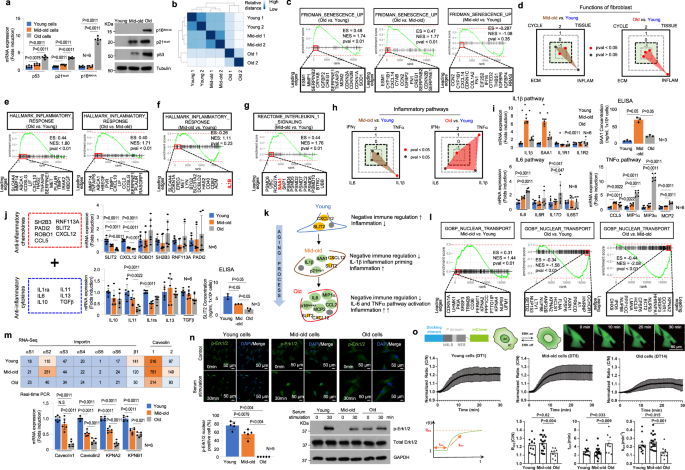
Accumulation of senescent cells in tissues is a major contributor to aging and organ dysfunction. However, a subset of cells in an intermediate stage of cellular senescence, termed "mid-old cells," has been identified. These mid-old cells exhibit distinct gene expression patterns and functional characteristics compared to young and old cells. They are associated with specific inflammation markers and have the capacity to respond to external stimuli. Mid-old cells are found in elderly tissues, particularly in fibroblasts and smooth muscle cells, and contribute to age-related microenvironments. The presence of mid-old cells suggests a potential target for anti-aging interventions in the elderly.

"Revealing the Lizard's Regenerative Power: A Potential Solution for Arthritis"
science-and-technology3 years ago

"Revealing the Lizard's Regenerative Power: A Potential Solution for Arthritis"

Researchers from the Keck School of Medicine of USC have identified key cells involved in lizard cartilage regeneration, offering potential insights for treating osteoarthritis. The study uncovers the unique interaction between two cell types, fibroblasts and septoclasts, which enable lizards to regenerate cartilage in their tails. This discovery could pave the way for developing methods to regenerate damaged cartilage in humans, addressing the lack of effective treatments for osteoarthritis.