Two new minerals identified in microscopic lunar grains from China’s Chang’e 5 mission—magnesiochangesite-(Y) and changesite-(Ce)—offer fresh insights into the Moon’s formation and cooling, showing regional magma crystallization differences and extending lunar volcanism dating to about 2.03 billion years ago.
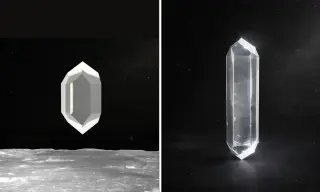
Chinese scientists have identified two previously unknown lunar minerals, magnesiochangesite-(Y) and changesite-(Ce), from Chang'e-5 samples. Both belong to the merrillite group and were officially approved by the International Mineralogical Association, marking a continuation of China’s lunar mineral discoveries. The ultra-rare, micrometer-scale crystals—found in Oceanus Procellarum material and a lunar meteorite—reveal unique crystal structures not seen on Earth and offer new insights into the Moon’s magmatic history and potential rare-earth resources for future in-situ utilization. Scientists used a suite of advanced instruments to confirm the minerals’ composition and structure, underscoring the complexity of lunar soil and its geological diversity.
Chinese researchers discovered natural multilayer graphene in moon dust samples from the Chang'e-5 mission, challenging previous beliefs about the Moon's dryness and carbon content, and opening new avenues for understanding lunar formation and resource utilization.
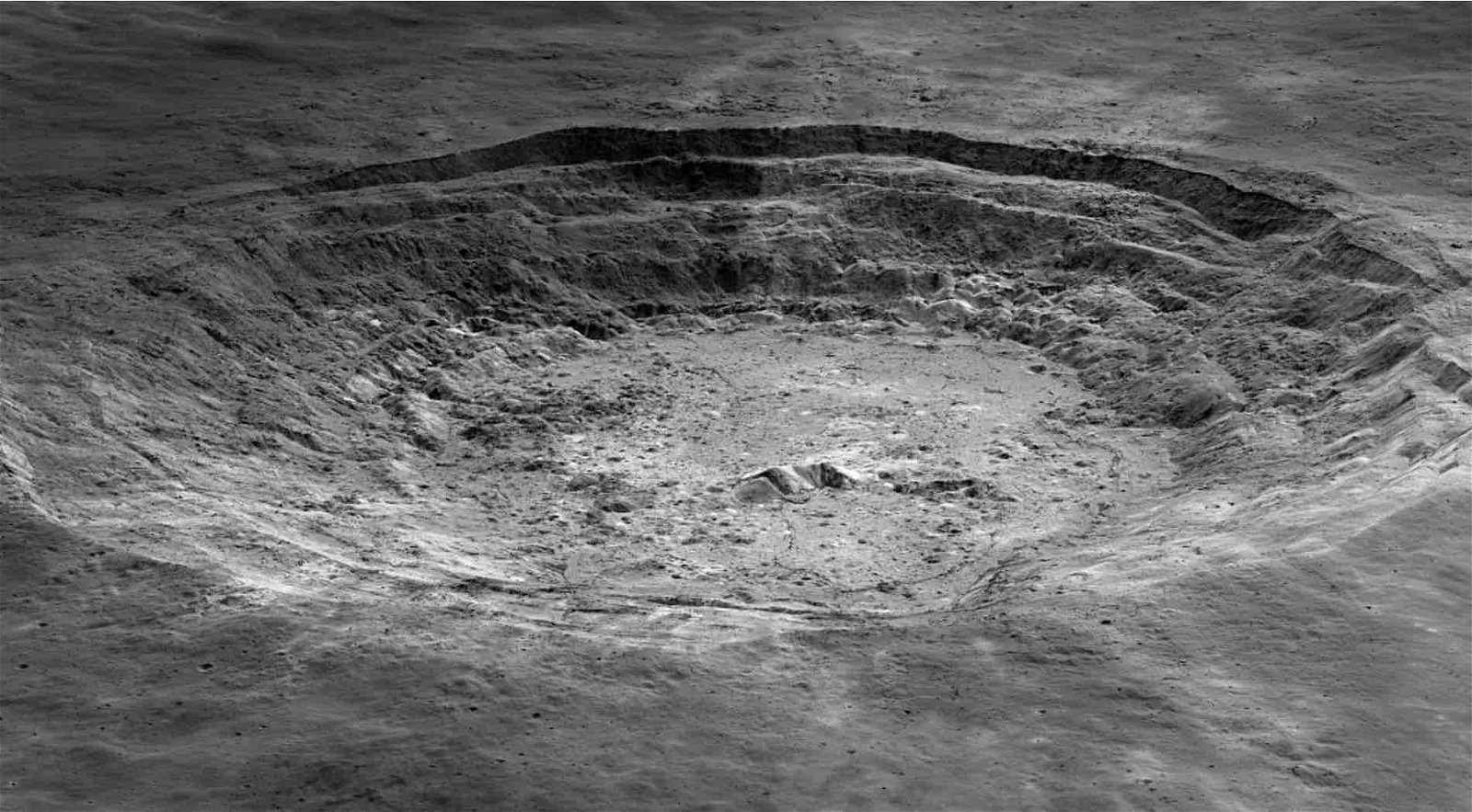
China's Chang'e-5 mission collected lunar regolith samples from the Oceanus Procellarum, revealing a new mineral and unique silica variants. Analysis of the samples suggests they were formed under high-pressure conditions during impact events, providing insights into the Moon's hidden history. The study also identified ejecta from distant impact sites, including the Aristarchus crater, known for anomalous flashes of light. The findings offer unprecedented insights into the Moon's composition and history.
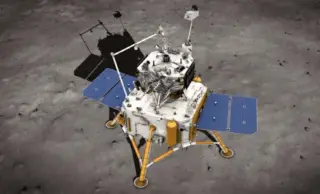
NASA-funded researchers have been given permission to apply for access to China's Chang'e-5 lunar samples, marking a rare possibility of cooperation between China and NASA. The move comes despite NASA Administrator Bill Nelson's previous support for maintaining restrictions on collaboration with China. The samples, collected by China's Chang'e-5 mission, are expected to provide valuable scientific insights into the geological history of the Moon and potentially inform NASA's future lunar exploration plans. Applications for access to the samples are open until December 22, 2023. This development could pave the way for future cooperation on missions such as China's Chang'e-6 lunar farside sample return mission and potentially even China's Tianwen-3 Mars sample return mission.
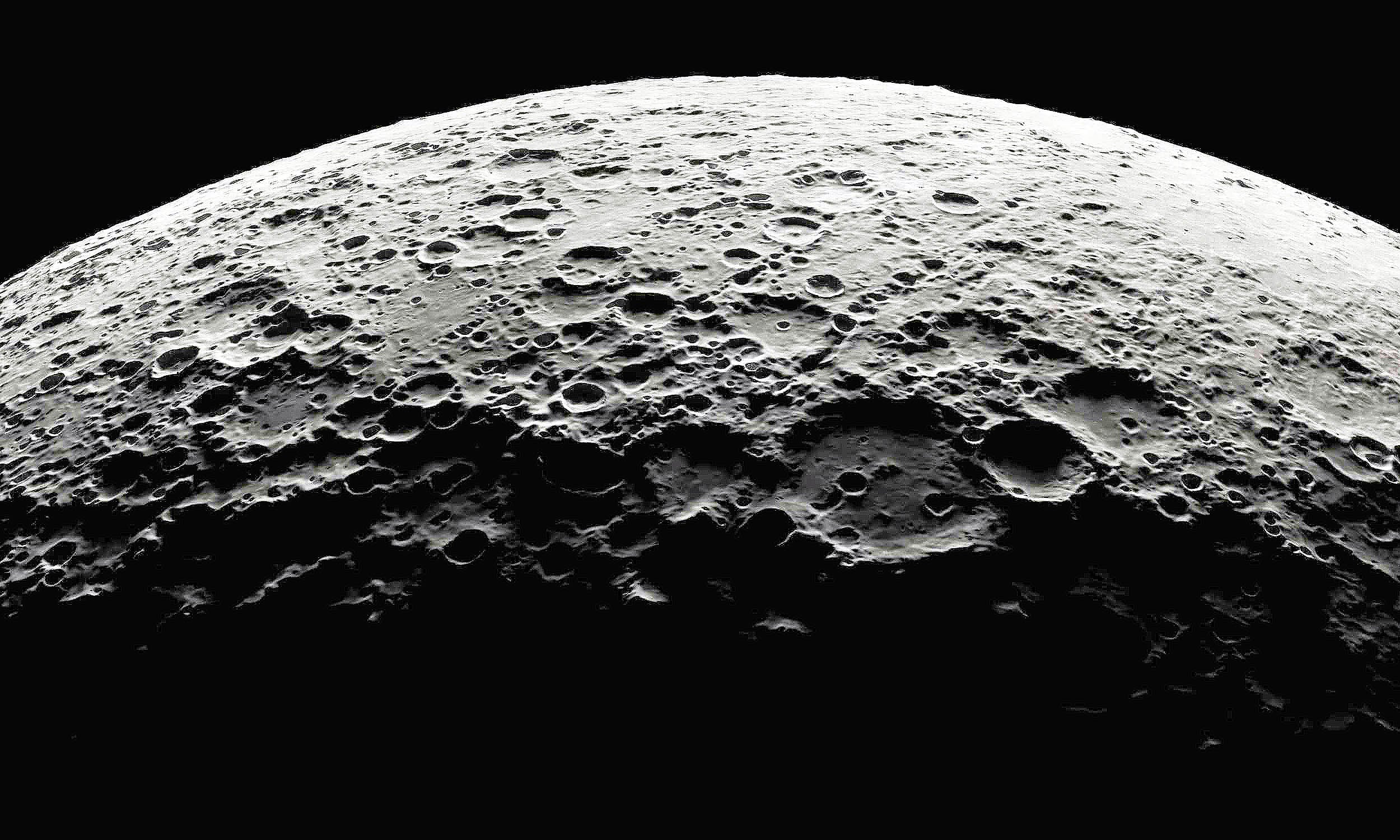
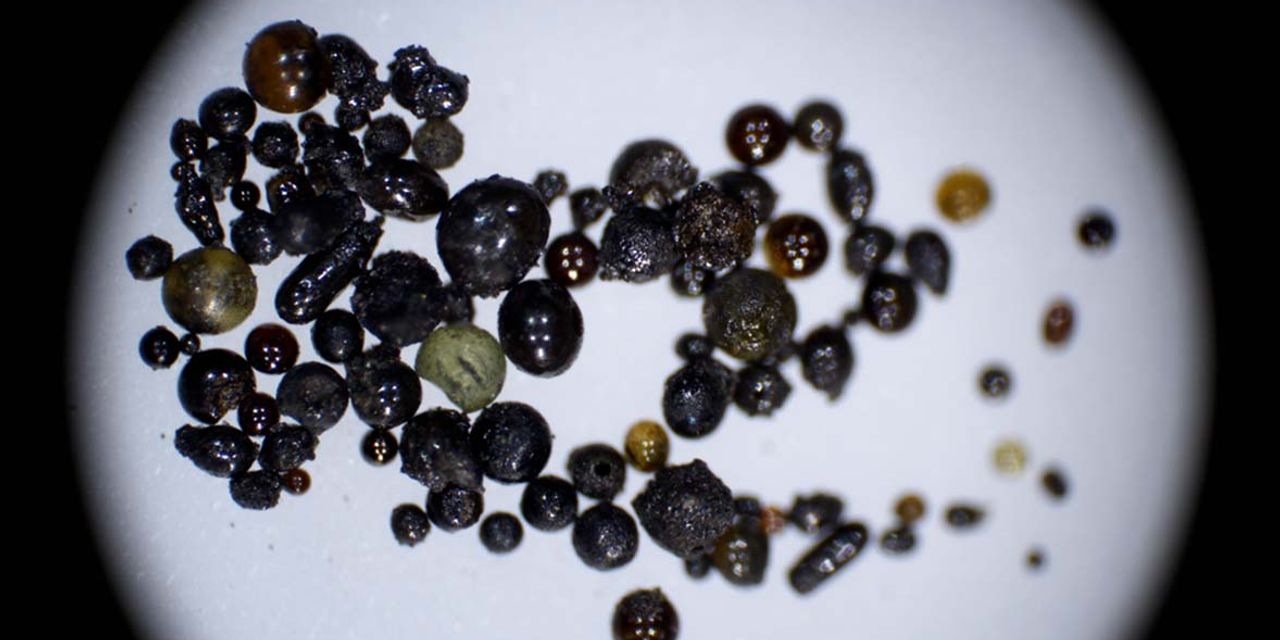
China's Chang'e 5 rover found water locked in microscopic glass beads on the moon's surface, which could potentially be used by future astronauts for drinking water, breathable air, and rocket fuel. The water is the result of a chemical reaction between oxygen in the beads and hydrogen emitted from the sun that are transported to the moon’s surface by solar winds and deposited into the soil. The moon's surface also contains water ice hidden in the permanently-shadowed craters on the moon’s north and south poles, where both NASA and China are planning to put future moon bases.
Chinese researchers have estimated that up to 330 billion tons of water could be present on the Moon's surface, based on the analysis of small glass beads collected by the Chang'e-5 mission. The beads, formed by meteorite impacts, contain oxygen and can release water when heated. Future lunar explorations may benefit from this discovery, as the collected water could be used for drinking or as rocket fuel.
Chinese researchers examining the lunar regolith brought back by the Chang'e-5 mission have discovered tiny glass beads containing water, potentially amounting to 71 trillion gallons of water spread out across the Moon. Future astronauts could access that water by heating the beads. The water is likely the result of solar winds depositing hydrogen atoms and reacting with local oxygen in the beads. The research leaves open the possibility that similar beads could be found in other parts of the solar system as well.
Glass beads found in lunar soil by China's Chang'e-5 mission contain enough water to provide a resource for future lunar missions, according to a study published in Nature Geoscience. The beads, created when meteorites smash into the lunar surface, contain between zero and 1,909 μg of water equivalent per gram. The water content of the beads had not previously been investigated in detail. The water is believed to have been deposited by solar winds, which interact with minerals in the soil containing oxygen.
Chinese scientists have discovered a new water reservoir on the Moon, contained within impact glass beads found in Chang'e-5 lunar soils. These beads act as a buffer for the lunar surface water cycle, capturing and releasing solar wind-derived water. The researchers estimate that the amount of water contributed by these beads to lunar soils varies from 3.0 × 10^11 kg to 2.7 × 10^14 kg. This finding has significant implications for future lunar exploration missions and other space missions.
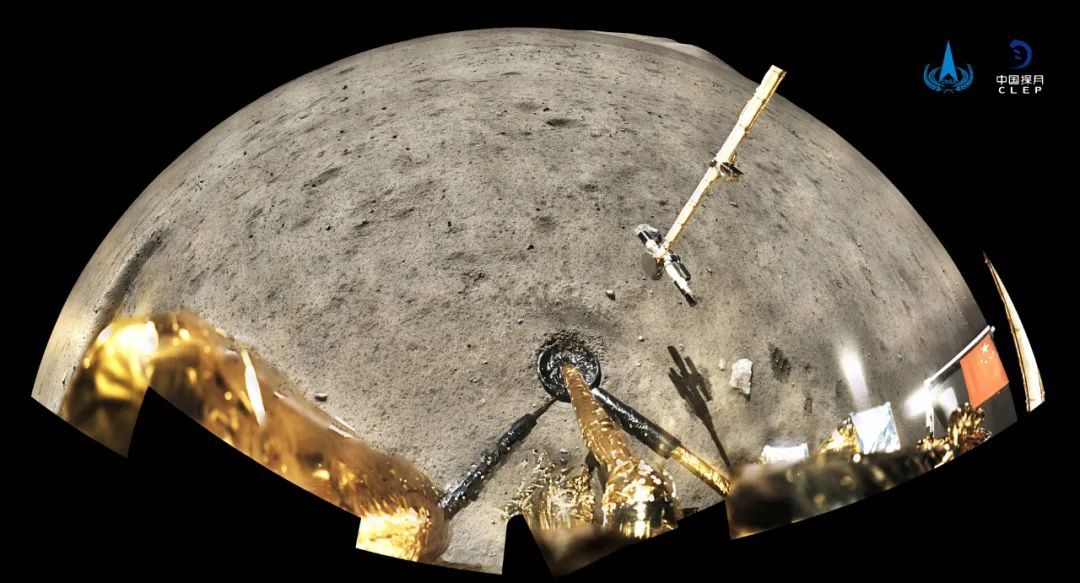
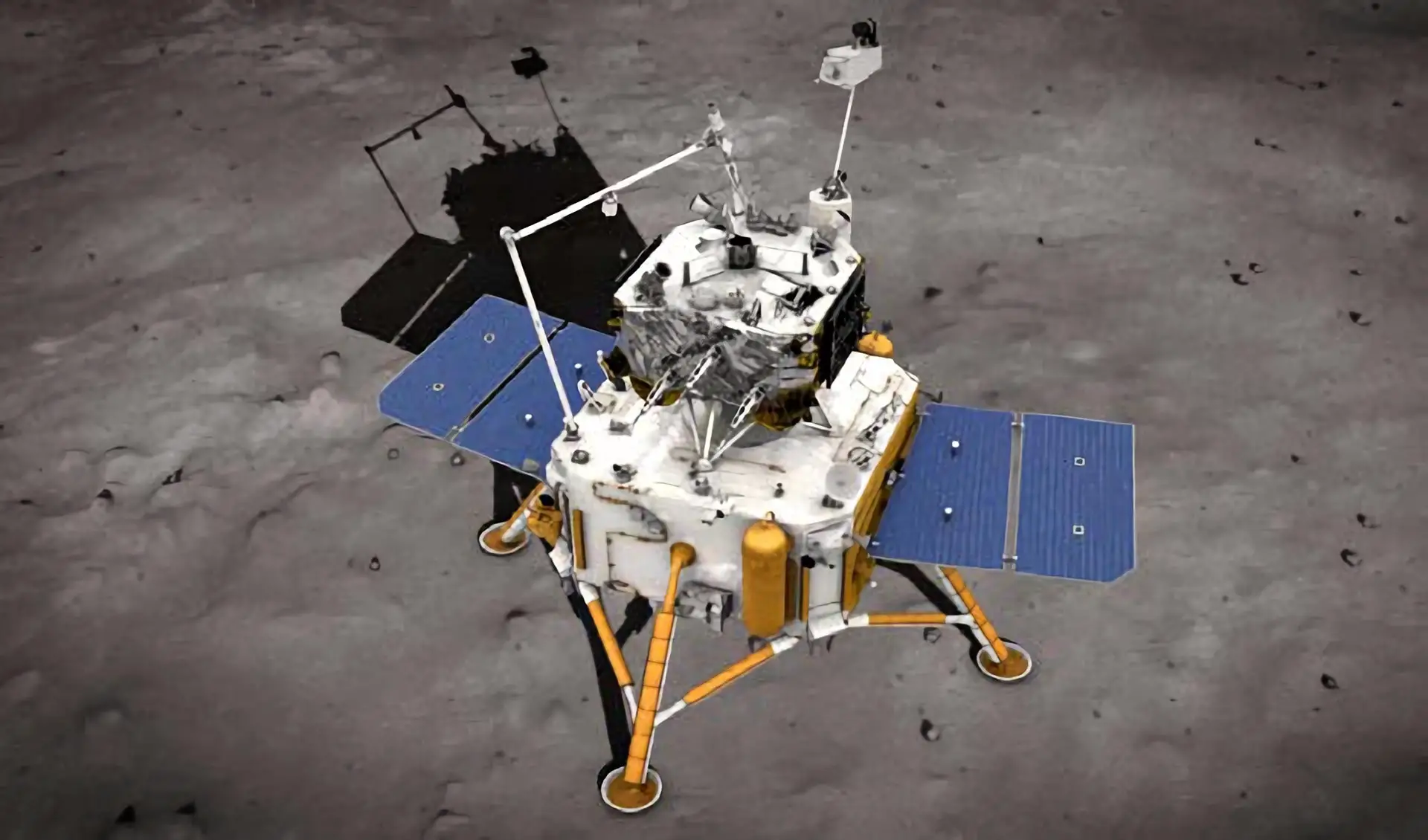
China's Chang'e 5 rover has discovered a new source of water on the moon, embedded in microscopic glass beads found in the lunar surface. The discovery could potentially help future astronauts produce drinking water, breathable air, and rocket fuel. The rover drilled several feet into the lunar surface and returned 3.7 pounds of material, including the glass beads from an impact crater.