Tag

Climate Monitoring

All articles tagged with #climate monitoring

NOAA: El Niño Emerges, Set to Strengthen Into Winter
weather1 month ago

NOAA: El Niño Emerges, Set to Strengthen Into Winter

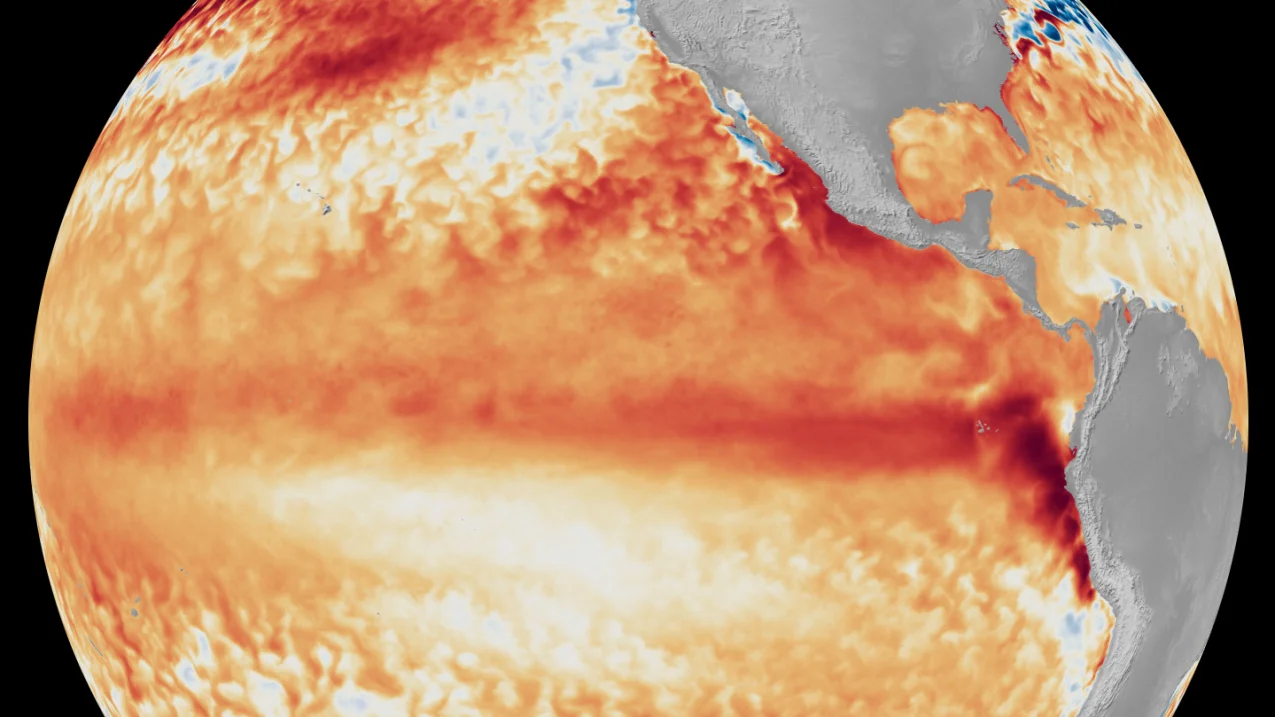
NOAA’s National Weather Service announced that El Niño has formed in the tropical Pacific and is likely to intensify to moderate or strong this fall, with a 63% chance that regional sea surface temperatures exceed 2.0°C—potentially a 'very strong' El Niño. The phenomenon alters the Walker Circulation and typically shifts the winter jet south, bringing warmer northern U.S. winters but drier conditions in parts of the Northwest and Ohio/Tennessee valleys, while the Southern U.S. can see stormier weather; West Coast high-tide flooding and ecological impacts can also occur. NOAA notes that ENSO forecasts now rely on both the ONI and the newer Relative Oceanic Nino Index (RONI), which better tracks changes in the Walker Circulation.
Scientists Warn of Rapid Increase in Earth's Energy Imbalance
science1 year ago

Scientists Warn of Rapid Increase in Earth's Energy Imbalance

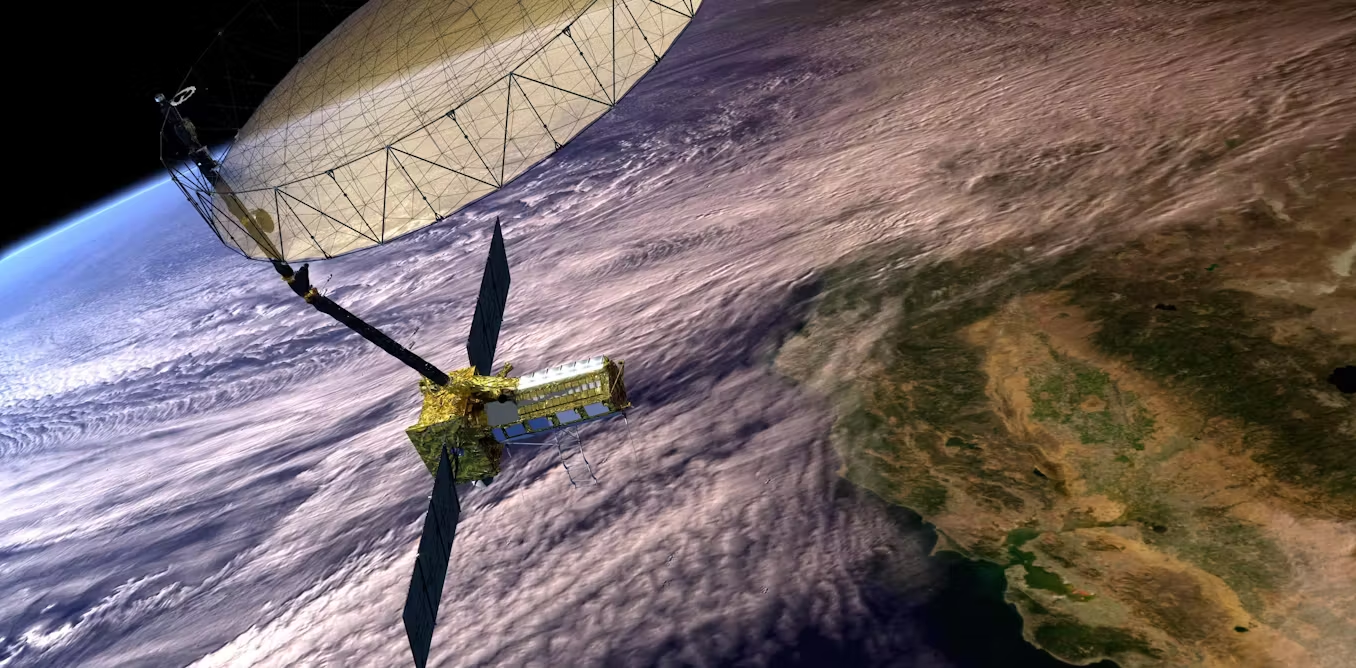
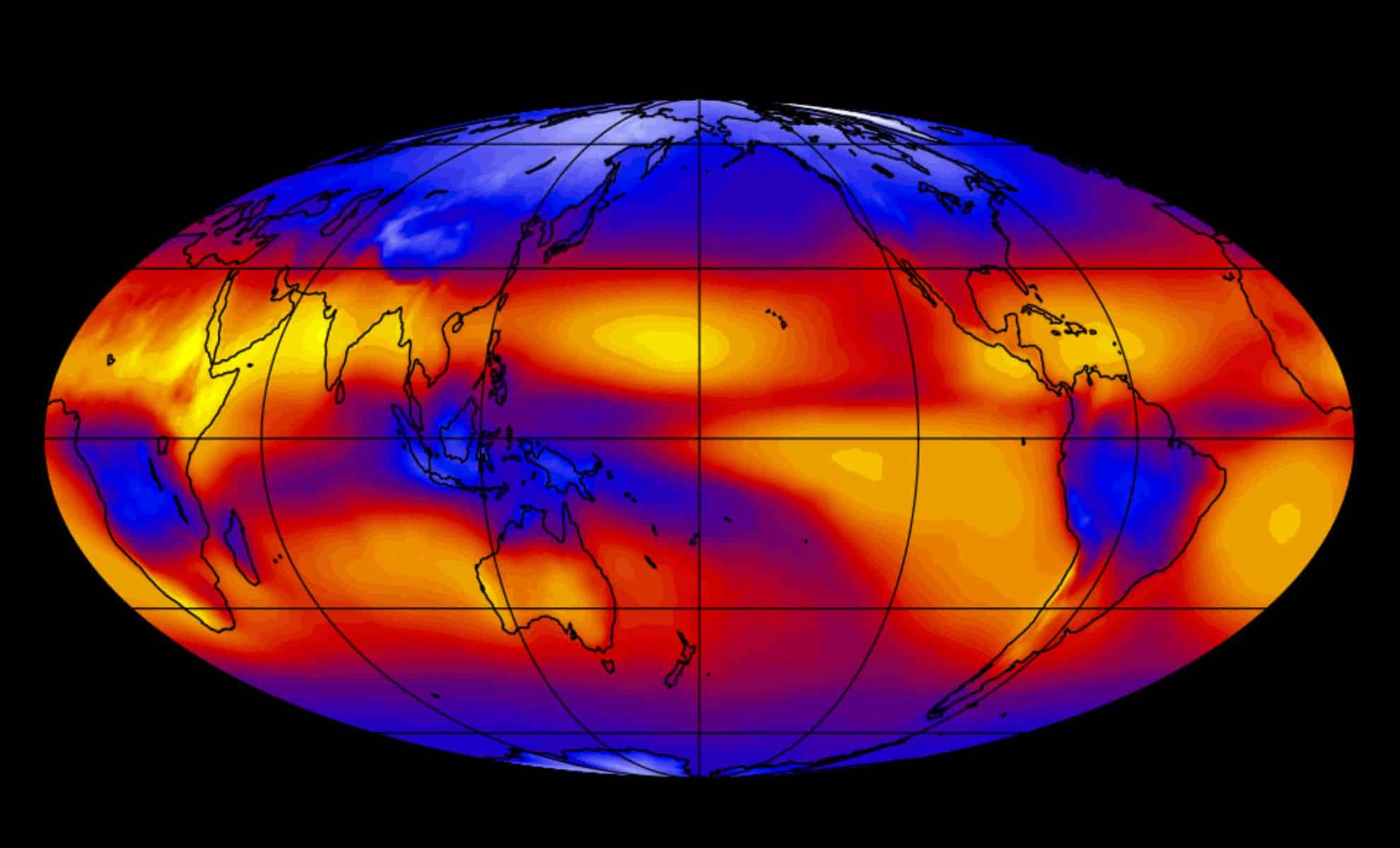
Recent satellite data reveal that Earth's energy imbalance is increasing at an alarming rate, more than doubling over the past two decades, which accelerates global warming and complicates efforts to stabilize the climate. The impending loss of crucial satellite monitoring tools raises concerns about tracking this critical metric, essential for understanding and mitigating climate change.

"Earth's Unprecedented 10-Month Hot Streak Continues with Record March Temperatures"
climate-change2 years ago

"Earth's Unprecedented 10-Month Hot Streak Continues with Record March Temperatures"

The Copernicus Climate Change Service reported that global temperatures in March hit a new high for the 10th consecutive month, averaging just over 14 degrees Celsius, 1.64 degrees Celsius warmer than the pre-industrial era. The 12-month period ending in March was the hottest ever recorded, with sea surface temperatures reaching the highest monthly value on record at 21.07 degrees Celsius. Despite the easing of the El Nino climate pattern, marine air temperatures remained unusually high, indicating ongoing environmental impact.