Tag

Convection

All articles tagged with #convection

Betelgeuse's boiling surface uncovers a stubborn hotspot
space13 days ago

Betelgeuse's boiling surface uncovers a stubborn hotspot

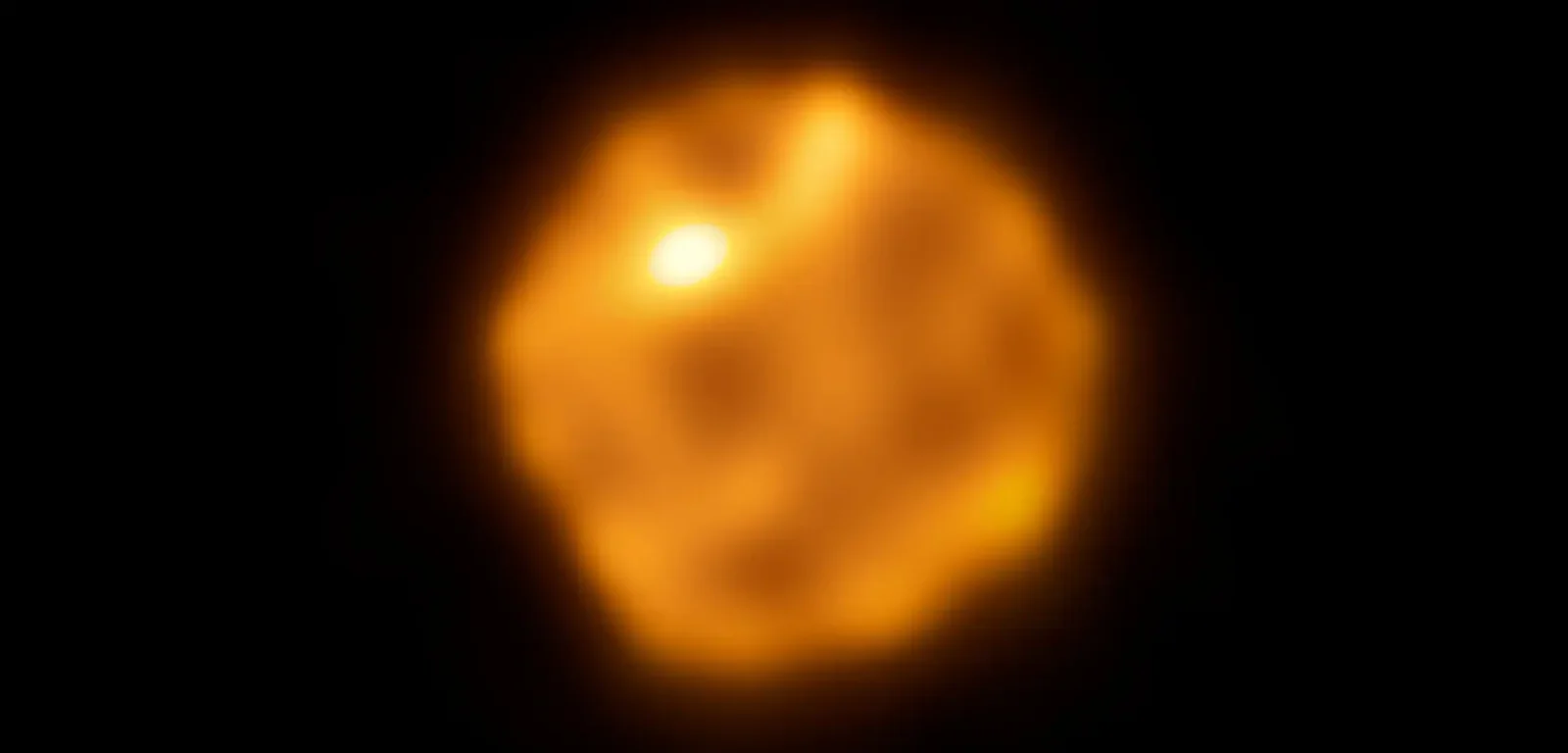
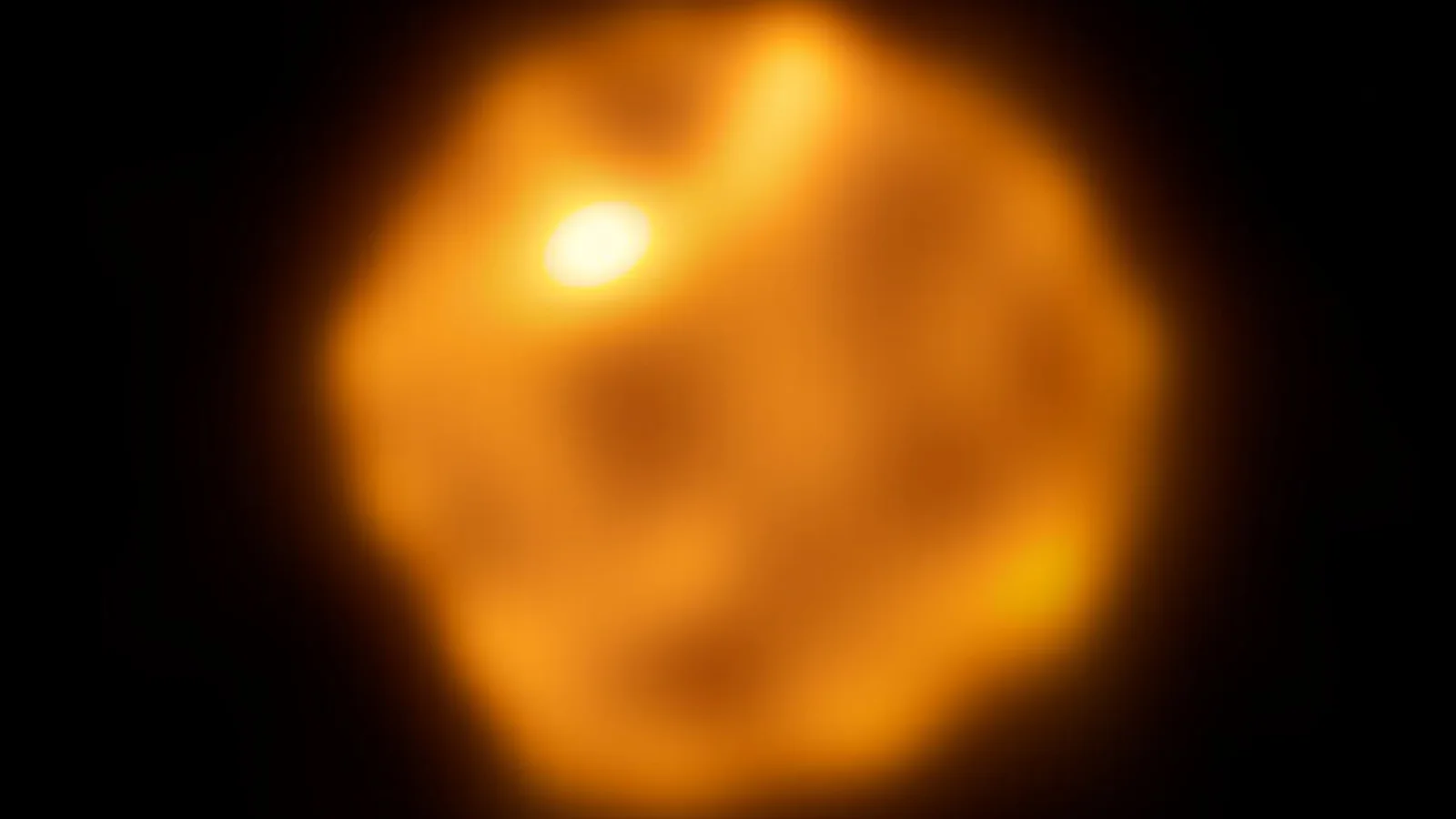
New ALMA observations reveal Betelgeuse’s boiling, irregular surface with an average temperature around 2300 K and a brightest hotspot about 800 K hotter than its surroundings. The hotspot appears in 2015 and 2023 data in nearly the same location, indicating a persistent feature lasting at least seven years and shedding light on deep convection, mass loss, and the star’s atmosphere as Betelgeuse—about 600 light-years away and ~800 solar radii—nears its eventual supernova (not imminent).
Betelgeuse Unveiled: ALMA Reveals a Lumpy, Convection-Powered Surface
space15 days ago

Betelgeuse Unveiled: ALMA Reveals a Lumpy, Convection-Powered Surface

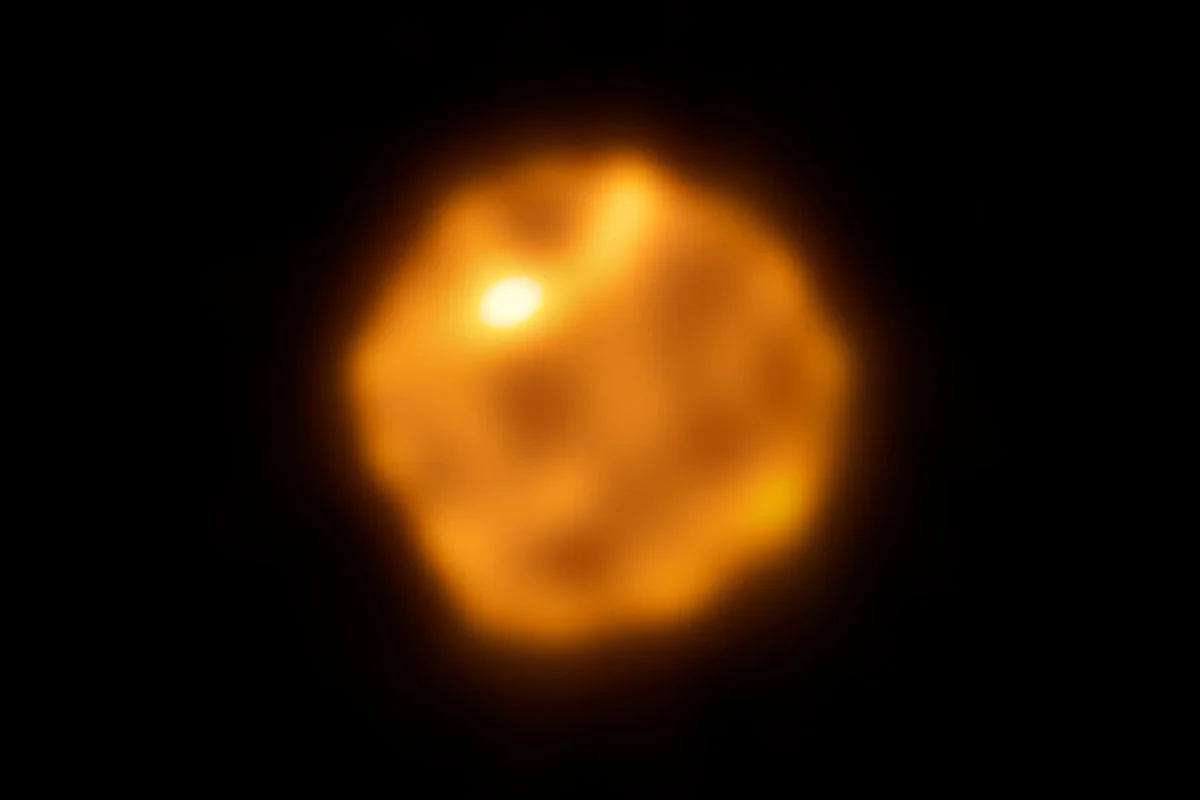
Astronomers using the Atacama Large Millimeter/submillimeter Array have produced one of the most detailed images of Betelgeuse, revealing a bumpy, irregular atmosphere with bright hotspots likely tied to convective motions; comparison with 2015 data shows a hotspot persisting for at least seven years and variations of up to about 6% in the star’s apparent radius, underscoring Betelgeuse’s non-spherical, extended surface as it heads toward its supernova fate.

ALMA captures Betelgeuse’s bubbling surface in unprecedented detail
space18 days ago

ALMA captures Betelgeuse’s bubbling surface in unprecedented detail

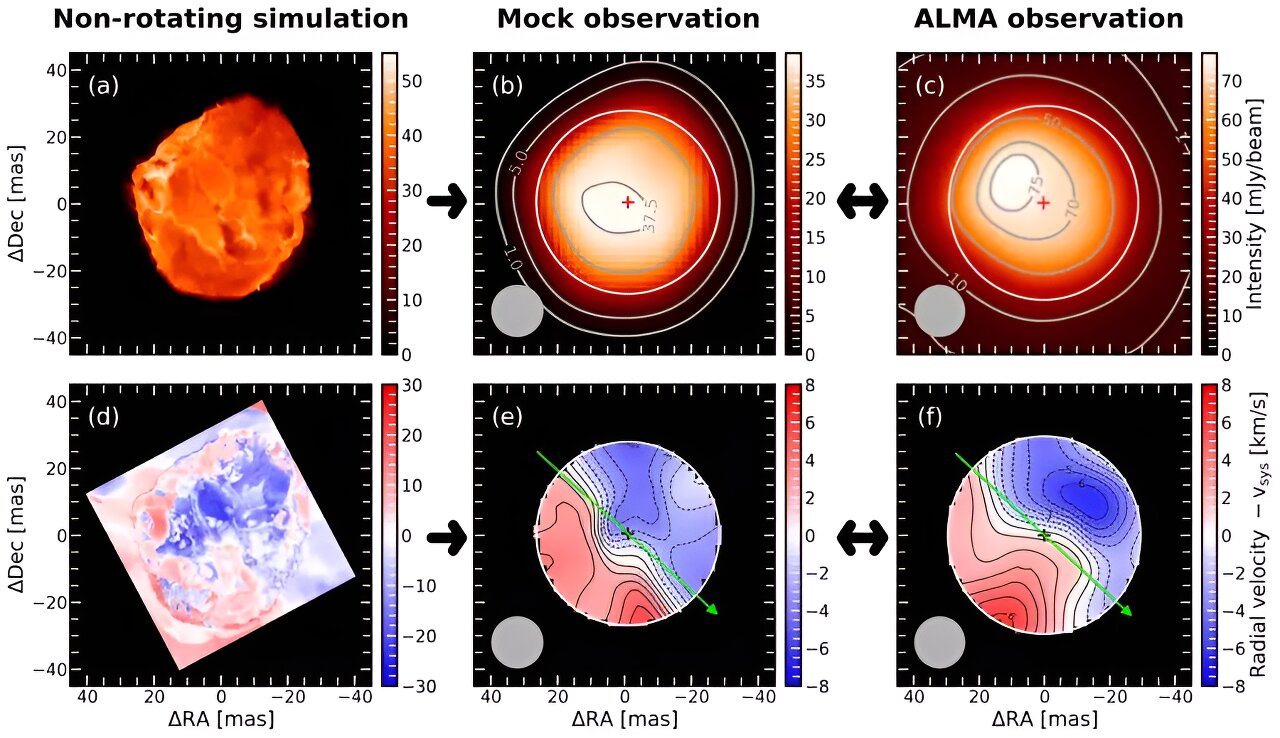
Using ALMA, scientists captured 2023 images of Betelgeuse, a ~20-solar-mass red supergiant about 600 light-years away, revealing a turbulent, bubbling surface with bright hotspots caused by giant convective flows in its atmosphere; the warmest region in the northeast persists for at least seven years, hinting at long-lived surface structures and possibly a companion star; with atmospheric temperatures around 2,030°C and pockets hotter by about 530°C, these observations help explain mass loss and atmospheric dynamics as Betelgeuse nears its eventual supernova; the study will continue monitoring and is published in Astronomy & Astrophysics (arXiv).

Towering chimney cooling shaves nearly 19°C off CPU temps, der8auer finds
technology1 month ago

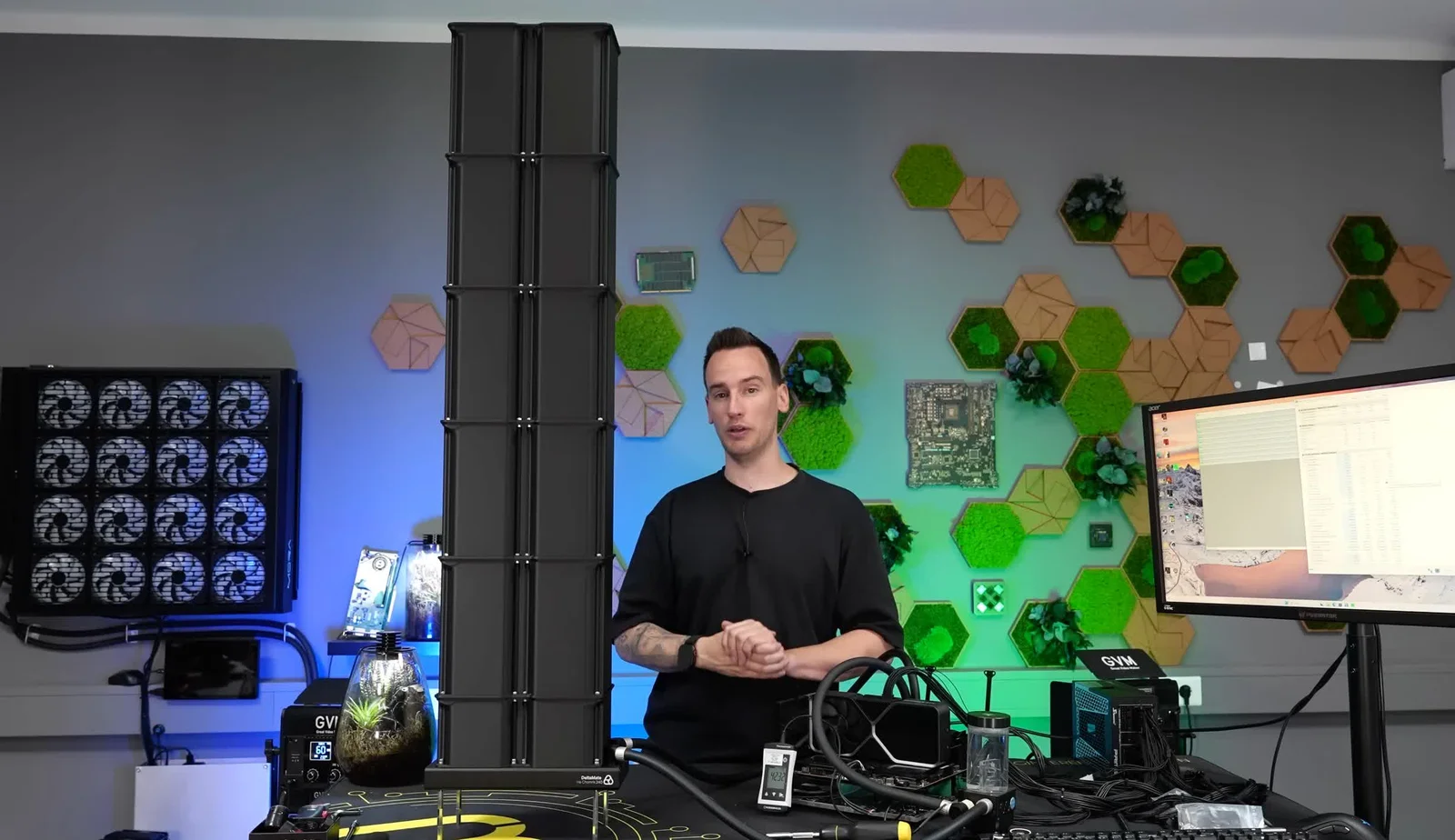
Towering chimney cooling shaves nearly 19°C off CPU temps, der8auer finds

German overclocker der8auer built a 110 cm tall 3D-printed PLA tower to test the chimney effect. With a Ryzen 7 9800X3D and a 240 mm radiator at 100 W, the tall chimney pulled air through the radiator, causing coolant temps to drop to ~50–55°C and reducing CPU temps by about 19°C (from ~90°C to ~71°C). While the experiment proves a real chimney can boost cooling, the author concludes that conventional fans remain the sensible option for most builds due to height and practicality.

Pluto's heart shows a young, churned nitrogen glacier erasing its history
space1 month ago

Pluto's heart shows a young, churned nitrogen glacier erasing its history

Sputnik Planitia, the bright nitrogen-ice plain at Pluto's heart, has no confirmed impact craters, implying a convecting, glacier-like surface that renews itself on timescales of about 500,000 years; while older, cratered terrain exists elsewhere on Pluto, this region's surface is continually renewed, making parts of it effectively younger than humans, though crater counts alone don’t give a precise age.

"Unraveling the Mystery of Betelgeuse's Boiling Surface"
astronomy2 years ago

"Unraveling the Mystery of Betelgeuse's Boiling Surface"

Recent observations of Betelgeuse, a red supergiant star, suggest it is spinning much faster than expected, but a new study proposes that the star's violently boiling surface may be creating an illusion of rapid rotation. The Max Planck Institute for Astrophysics team suggests that the bubbling surface could be mistaken for rotation, leading to the belief that Betelgeuse is rotating faster than possible for a star of its size. The team's research, published in the Astrophysical Journal Letters, aims to better understand how the star's boiling surface affects measurements and will use further observations to assess its rotational speed.

"Uncovering Betelgeuse's Dynamic Surface"
astronomy2 years ago

"Uncovering Betelgeuse's Dynamic Surface"

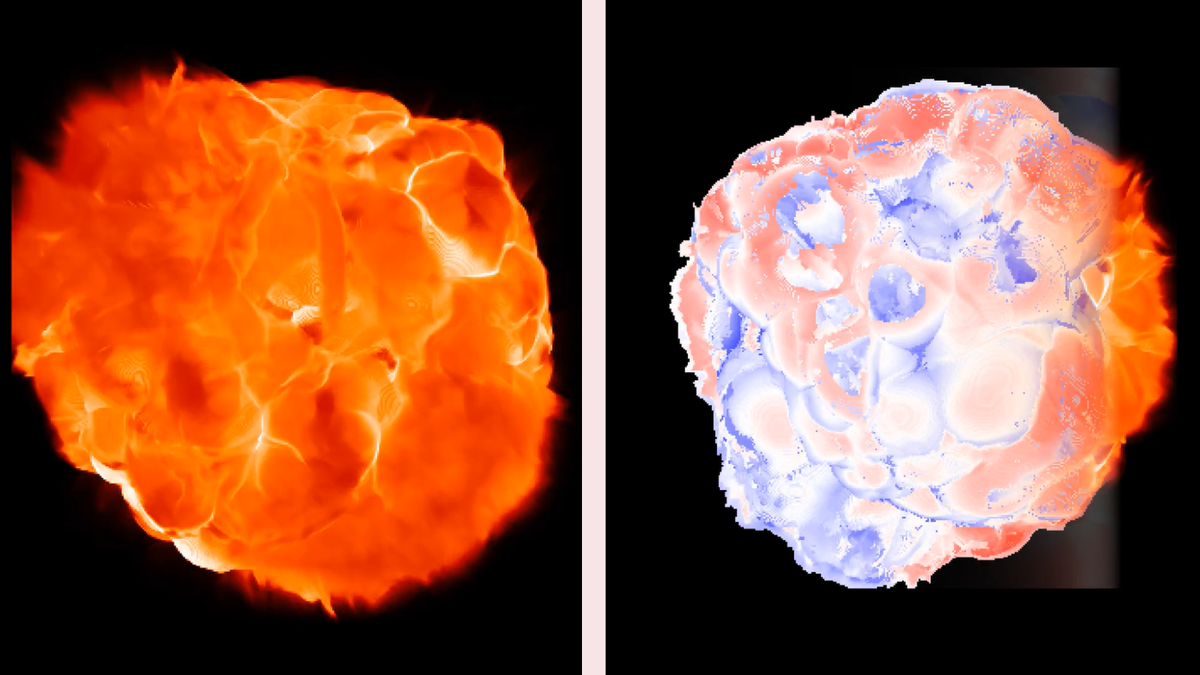
Recent observations of Betelgeuse's rapid rotation are being questioned by astronomers who suggest that the star's boiling surface may be mistaken for rotation due to large-scale convection. The surface of Betelgeuse, a red supergiant star, is dominated by violent convection, with boiling bubbles as large as Earth's orbit rising and falling at speeds of up to 30 km/s. An international team proposes that the dipolar velocity map observed in Betelgeuse could be a result of the boiling surface mimicking rotation, and new observations with higher spatial resolution are needed to better assess the star's rotation.

"Listening to Stars: Astronomers Decode the Twinkle in the Convection Zone"
astronomy3 years ago

"Listening to Stars: Astronomers Decode the Twinkle in the Convection Zone"

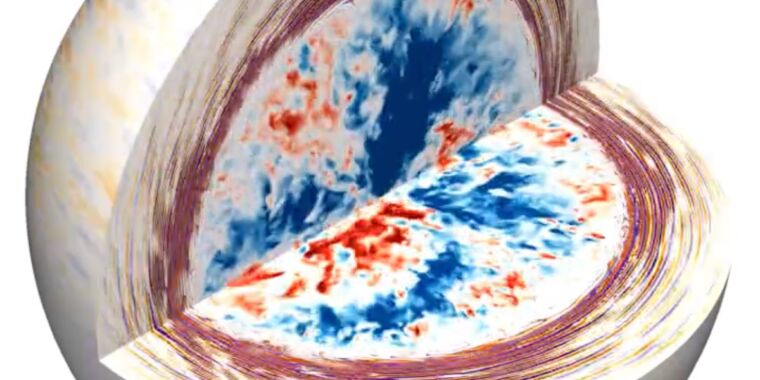
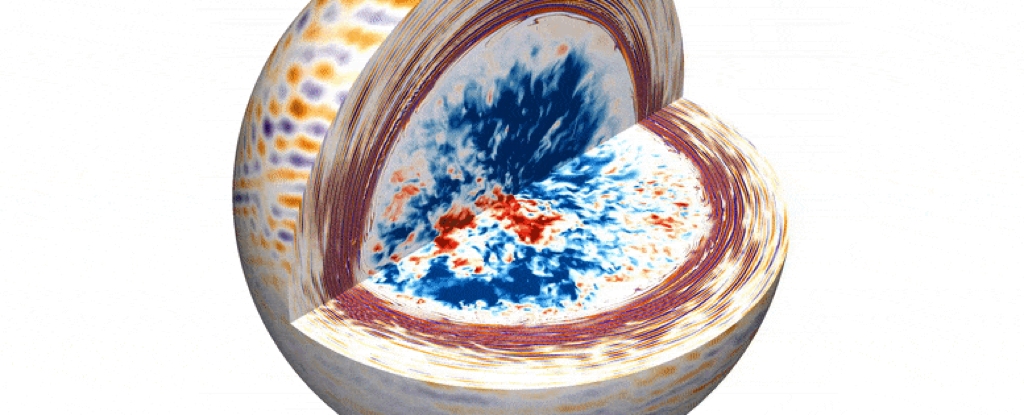
Astronomers have developed the first 3D simulations of the "twinkle" produced by the rippling waves of gas on the surface of stars, providing a potential means of exploring their interior. By converting the data into an audible sound, researchers have created a "language" of the stars. The simulations also suggest that core convection alone cannot fully explain the observed red noise effect in massive stars, indicating the need for further improvements in the simulations to account for other factors such as a star's rapid rotation.

Unveiling the Dynamic Depths of Stellar Interiors
astronomy3 years ago

Unveiling the Dynamic Depths of Stellar Interiors

A new computer simulation is helping scientists understand the complex process of convection within stars. Convection, the cyclic flow of material that transfers heat energy to a star's surface, is difficult to model due to factors like viscosity and turbulent vortices. By studying the flickering of light emitted by stars, astronomers can gain insights into their interior. While current telescopes are unable to observe these flickers, future advancements may allow for a better understanding of stars through their light fluctuations.

Turbulence's New Role Unveiled by Fluid Flow Temperature Analysis
science3 years ago

Turbulence's New Role Unveiled by Fluid Flow Temperature Analysis

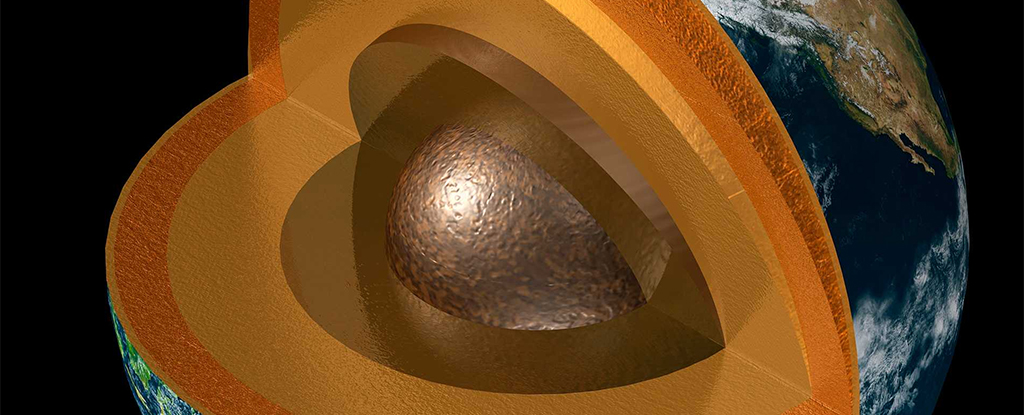
Physicists have discovered a new role for turbulence in fluid flows, shedding light on phenomena ranging from the Earth's liquid core to boiling water. The study focused on turbulent convection, the movement of fluid when heated from below, and found that turbulent convection powered flows, together with a solid, can move in two directions, with the co-rotational speed increasing with the intensity of the convection. The research confirms that turbulence can be tamed by interacting with solids and highlights the importance of thermal convection inside the Earth's core.