Tag

Cortex

All articles tagged with #cortex

Time Perception Unfolds Across a Three-Stage Cortical Pathway
cognitive-science12 days ago

Time Perception Unfolds Across a Three-Stage Cortical Pathway

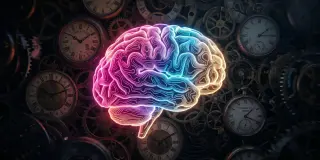
A seven-Tesla fMRI study shows that time perception is not a single clock but a three-stage cortical process: early visual areas encode physical durations, parietal and premotor regions map durations across a topographic layout, and frontal regions translate this into a subjective boundary, revealing a distributed, hierarchical network for how the brain experiences the passage of time.

Even Light Drinking May Alter Brain Blood Flow, Study Finds
science1 month ago

Even Light Drinking May Alter Brain Blood Flow, Study Finds

A US study of 45 healthy adults links higher alcohol intake—even within what’s considered low levels (≤60 drinks/mo for men, ≤30 for women)—to reduced brain perfusion and thinner cortex, with brain blood flow showing a stronger association than cortical thickness. While not proving causation, the findings imply cumulative brain effects from low-level drinking and align with calls to re-evaluate “safe” drinking guidelines; self-reported intake and cross-sectional design limit conclusions. The study adds to growing evidence that even modest drinking may impact brain health, published in Alcohol (2026).

Sex-Specific Gene Activity Mapped Across Brain Cells
science1 month ago

Sex-Specific Gene Activity Mapped Across Brain Cells

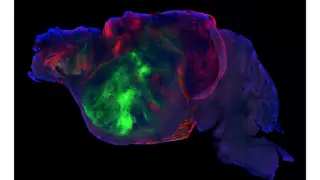
A single-cell analysis of over a million brain cells from six cortical regions in 30 people found subtle but widespread sex differences in gene activity, with more than 100 genes showing consistent sex-related expression patterns. Sex accounts for less than 1% of overall gene-expression variation, but these molecular signatures could help explain why risks for conditions like schizophrenia and Alzheimer's differ by sex and how hormonal environments might modulate brain biology across life.

"Arm's 2024 CPU Cores Boost AI and Efficiency for 3nm Tech"
technology2 years ago

"Arm's 2024 CPU Cores Boost AI and Efficiency for 3nm Tech"

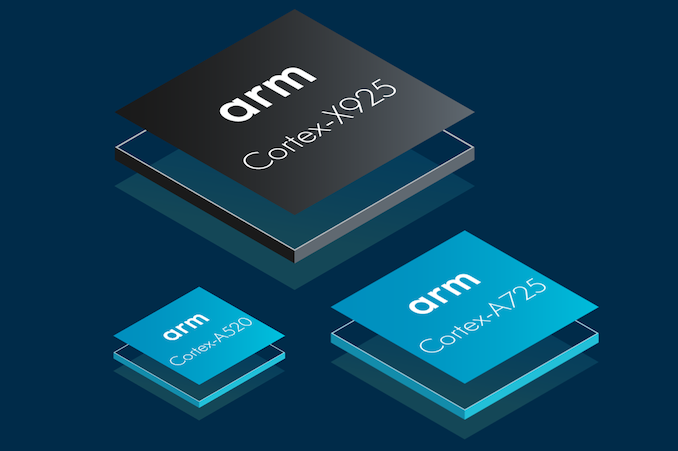
Arm has unveiled its 2024 CPU core designs, including the Cortex X925, A725, and A520, all based on the enhanced Armv9.2 architecture and transitioning to 3 nm process technology. The new Arm Compute Subsystem (CSS) platform integrates these cores with the Immortalis G925 GPU, promising significant performance, power efficiency, and security improvements for mobile and AI applications. The CSS platform aims to deliver a versatile computing solution across various device form factors, from smartphones to laptops, with enhanced AI capabilities and robust development tools.

Unveiling the Genetic Blueprint of Brain Structure and Disorders
science-and-technology2 years ago

Unveiling the Genetic Blueprint of Brain Structure and Disorders

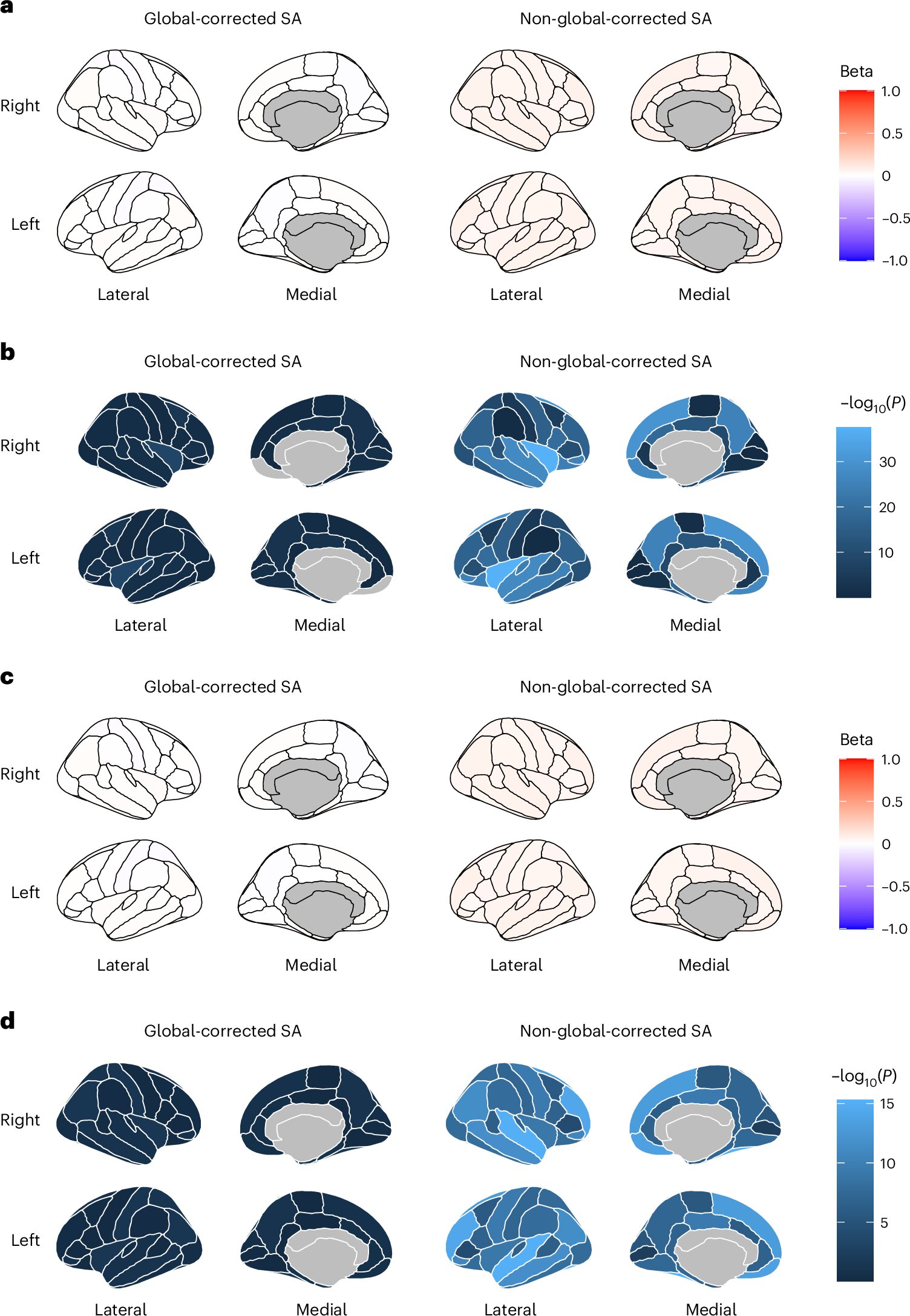
The largest genetic study of brain structure, involving 36,000 brain scans, has identified over 4,000 genetic variants linked to brain structure. Researchers from the University of Cambridge analyzed MRI scans from adults and children, measuring properties of the cortex and linking them to genetic information. The study found that different sets of genes contribute to the size and folding of the cortex. The findings provide insights into how changes in brain shape and size can lead to neurological and psychiatric conditions, potentially improving treatment and support for affected individuals.

Unraveling the Mystery of Spiral Signals in the Human Brain.
neuroscience2 years ago

Unraveling the Mystery of Spiral Signals in the Human Brain.

Mysterious spiral signals have been discovered in the human brain, which could help to organize complex brain activity. The signals appeared as swirling spirals of brain waves across the outer layer of the brain and were discovered in functional magnetic resonance imaging (fMRI) brain scans of 100 young adults. The exact purpose of these vortices is unknown, but their discoverers think the spiral signals might be used to link different parts of the brain and help process information faster. These vortices may even be impaired by brain diseases such as dementia, and could serve as inspiration for advanced computers that emulate the complex processes of the human mind.

Maximizing Your Three Brains for Optimal Performance.
neuroscience3 years ago

Maximizing Your Three Brains for Optimal Performance.

The brain can be thought of as having three functional layers: the reptilian brain, the limbic system, and the cortex. These layers interact with each other, with the cortex being the most recently evolved and capable of regulating the emotional and regulatory functions of the other layers. Biofeedback techniques can be used to consciously regulate the autonomic functions of the reptilian brain, such as blood pressure and heart rate.