Tag

Dark Sky

All articles tagged with #dark sky

Double-header skies: 10 North American spots to catch August’s partial solar eclipse and the Perseid meteor shower in one trip
space1 month ago

Double-header skies: 10 North American spots to catch August’s partial solar eclipse and the Perseid meteor shower in one trip

Space.com highlights 10 spots across Canada and the U.S.—from Gros Morne in Newfoundland to Assateague Island—where you can see the August 12, 2026 partial solar eclipse (with varying maximums by location) and then watch the Perseid meteor shower after nightfall. The piece provides location-by-location details (max eclipse %, sun angle, eclipse window), dark-sky ratings, typical cloud cover, and practical tips for camping, safety (solar viewing must use proper protection), and planning an overnight road trip to maximize clear, dark skies. It also notes coastal weather caveats and advises booking campsites early due to peak viewing crowds.
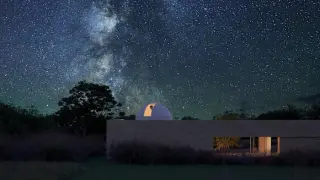
Milky Way's Core Shines This July for Fourth Night Sky Watch
science1 month ago

Milky Way's Core Shines This July for Fourth Night Sky Watch

July offers a chance to see the Milky Way’s galactic center from the Northern Hemisphere during Milky Way season; no telescope is needed—just dark skies away from city lights. The best viewing is around the new moon on July 14, with visibility often strongest from midnight to the early morning hours. The Fourth of July weekend may feature a bright moon until it wanes, which can hinder viewing, but around the new moon the sky should be darkest. Use the Summer Triangle as a guide and check local sunset/sunrise times for optimal viewing windows.

Homes Built for the Night Sky Ahead of the Eclipse
design-and-architecture2 months ago

Homes Built for the Night Sky Ahead of the Eclipse

As the August total solar eclipse and Perseid meteor shower approach, designers are creating homes and spaces that connect residents with the night sky, from Sussex observatories and telescope nooks to dark-sky luxury resorts in Europe and Montana, prioritizing light-pollution control, vibration-free engineering, and sky-themed interiors.

Cosmic-chic escapes: luxury glamping spots for starry-eyed travelers
travel7 months ago

Cosmic-chic escapes: luxury glamping spots for starry-eyed travelers

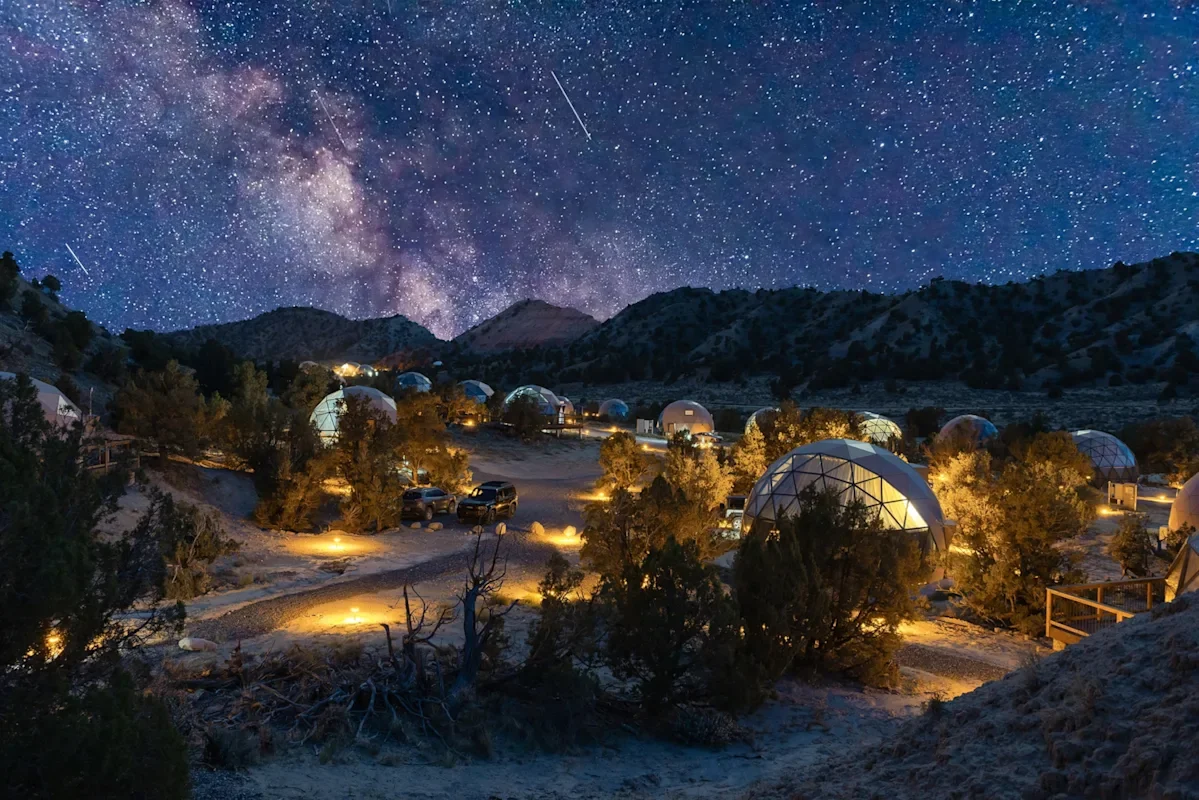
A surge in astrotourism is fueling luxe night-sky escapes across North America, with seven standout retreats—from Green Haus at Paws Up Montana to Death Valley House and Compass Rose Lodge in Utah—featuring telescope-equipped cabins, skylights or retractable roofs, and light-pollution protections. These luxury stays, including Clear Sky Resorts’ 62 Sky Domes and an on-site observatory at The Lodge at Primland, cater to both casual skywatchers and avid astronomers, aligning with rising traveler interest in stargazing as a premium experience.

Orionids Meteor Shower Peak: How and When to Watch in 2025
science10 months ago

Orionids Meteor Shower Peak: How and When to Watch in 2025

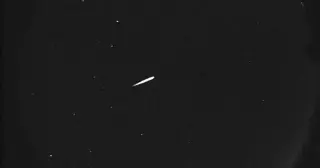
The 2025 Orionids meteor shower peaks on the night of October 21-22, coinciding with a New Moon, making it an ideal time for stargazing. Under optimal conditions, viewers could see 10-20 meteors per hour, especially after midnight, from dark, clear skies away from light pollution. The meteors originate from debris left by Halley's Comet and appear to radiate from the constellation Orion. To enjoy the show, find a dark, safe spot, allow your eyes to adjust to the dark, and be patient.

How to Best Watch and Photograph the 2025 Perseid Meteor Shower
science1 year ago

How to Best Watch and Photograph the 2025 Perseid Meteor Shower

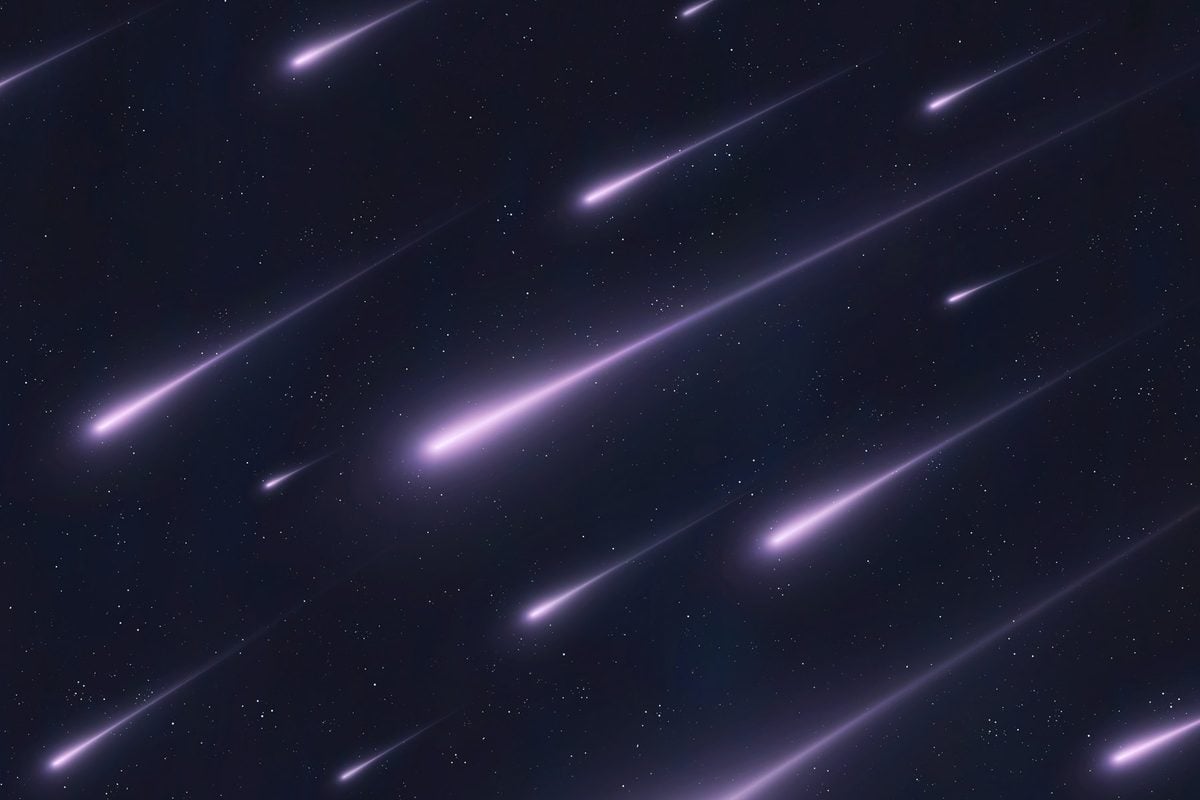
The Perseid meteor shower, active from July 17 to August 23 with peak on August 12-13, will be hindered by a bright moon this year, making only the brightest meteors visible. The best viewing opportunities are before and after the peak, especially from July 18-28 during a dark sky window when moonlight is minimal. Despite the moon's interference, some shooting stars will still be visible, offering a chance to enjoy this famous celestial display.

"Top Stargazing Spots in America for 2024"
travel2 years ago

"Top Stargazing Spots in America for 2024"

The article highlights the top 10 places in the U.S. for stargazing, including Big Bend National Park in Texas, Voyageurs National Park in Minnesota, Central Idaho Dark Sky Reserve, Death Valley National Park in Nevada, and Arches National Park in Utah. These locations are recognized for their exceptionally dark skies, minimal light pollution, and unique stargazing experiences, often featuring ranger-led programs and special events.

"Star Party to Illuminate Ancient Skies Near Colorado Springs"
local-news2 years ago

"Star Party to Illuminate Ancient Skies Near Colorado Springs"

The Colorado Springs Astronomical Society is hosting a "star party" on May 31 at Florissant Fossil Beds National Monument, a site known for its ancient redwood stumps and International Dark Sky status. The event, featuring high-powered telescopes and laser pointers, offers a rare opportunity to observe the night sky in a location relatively free from light pollution. The event is weather-dependent, with a backup date of June 1, and requires a national parks pass or a $10 fee for attendees aged 16 and older.

"Halley's Comet Meteor Shower: Witness the Spectacular 'Shooting Stars' Peak"
astronomy2 years ago

"Halley's Comet Meteor Shower: Witness the Spectacular 'Shooting Stars' Peak"

The Eta Aquariid meteor shower, caused by debris from Halley's Comet, will peak on the night of May 4-5, 2024, producing between 10 and 30 "shooting stars" per hour. The best viewing time is after dark, with the skies darkest around midnight, and the radiant point in the constellation Aquarius. Additionally, the Perseids meteor shower, caused by debris from comet Swift-Tuttle, will peak on August 12-13, 2024, producing over 100 bright and fast-moving meteors per hour.

"March Madness Bracket Day 2: The Ultimate App Experience"
technology2 years ago

"March Madness Bracket Day 2: The Ultimate App Experience"

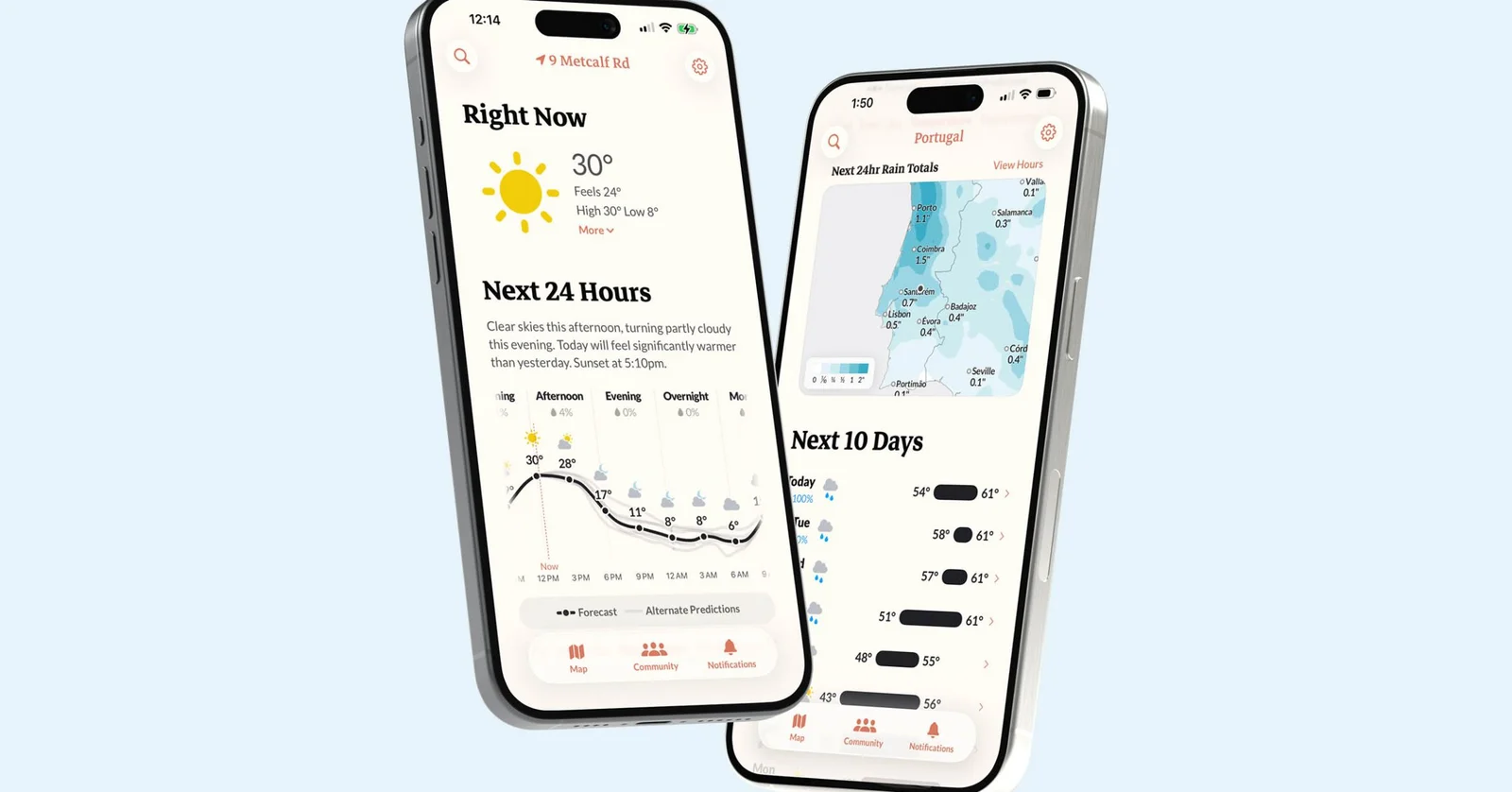
Gizmodo's March Madness bracket challenge to determine the greatest app of all time continues with WhatsApp facing off against Dark Sky. WhatsApp, acquired by Facebook in 2014, boasts 2 billion global users and a focus on encryption, while Dark Sky, known for its weather forecasts, was acquired by Apple in 2020. Readers can vote for their preferred app to advance to the next round in this historic contest.