Tag

Disease Research

All articles tagged with #disease research

DeepMind’s AlphaGenome 2 maps genetic variant effects across specific cell types
science15 days ago

DeepMind’s AlphaGenome 2 maps genetic variant effects across specific cell types

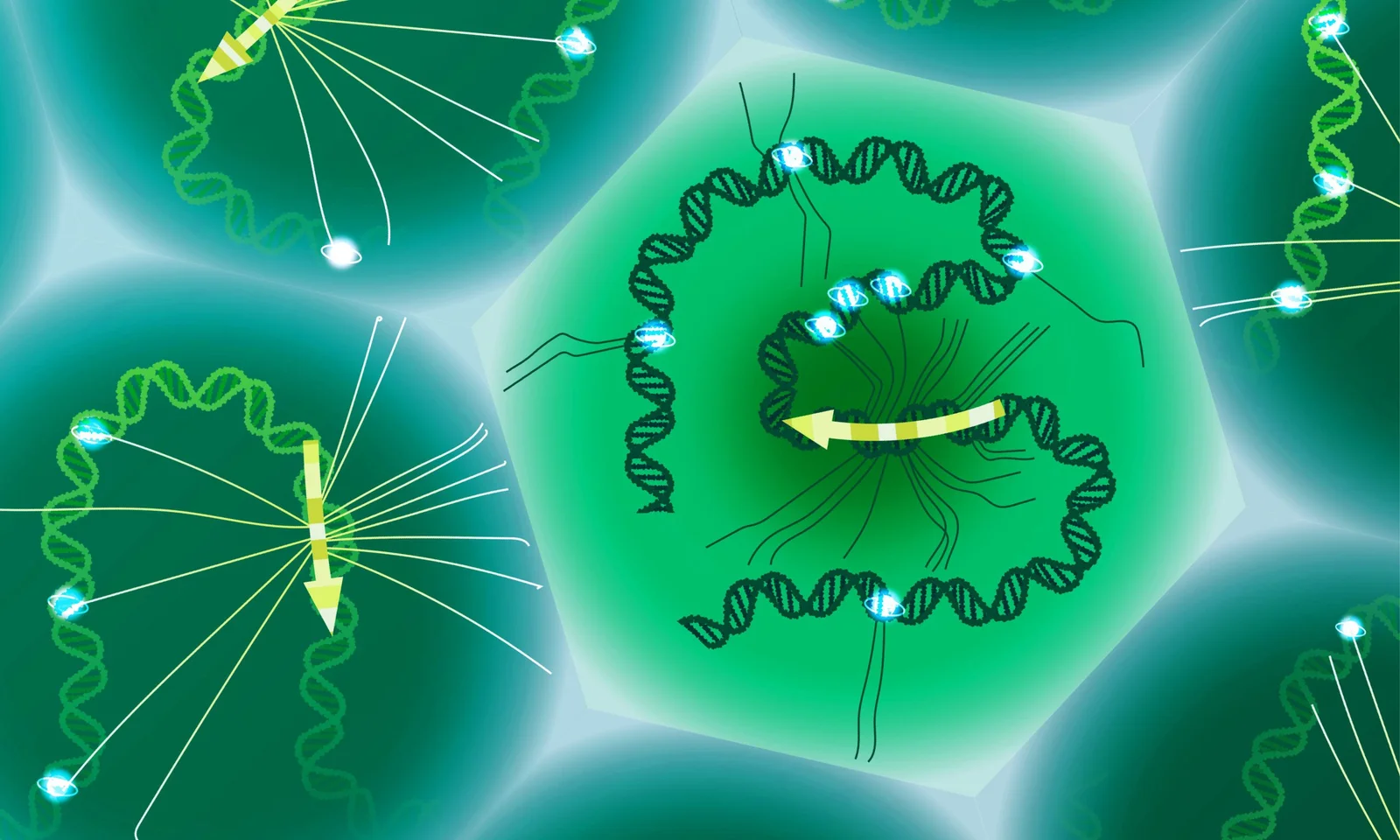
Google DeepMind has released AlphaGenome 2, an advanced AI model designed to predict how genetic variants affect specific cell types and states, rather than broad tissue averages. Trained on over 100 million individual cell profiles across 68 tissues, the model identifies nearly twice as many variants that alter gene expression compared to its predecessor, AlphaGenome. By shifting from parallel bulk-tissue predictions to a conditional architecture, AlphaGenome 2 can resolve subtle differences in gene activity within specialized cells, such as heart muscle or immune cells. This granularity allows researchers to link genetic variations to disease mechanisms at the cellular level, potentially uncovering overlooked therapeutic targets. The model is available for non-commercial research via the AlphaGenome API, with a limited private preview for commercial partners. While it offers superior precision, it requires significantly more computational power than its predecessor and is not intended for clinical diagnosis.
Google DeepMind Releases Free AI Atlas Mapping 9 Billion Human DNA Variants
science2 months ago

Google DeepMind Releases Free AI Atlas Mapping 9 Billion Human DNA Variants

Google DeepMind has launched AlphaGenome Atlas, a free, web-based database containing AI-predicted molecular effects for all 9 billion possible single-letter changes in the human genome. The tool, built on the AlphaGenome model, allows researchers to instantly rank genetic variants by their potential impact on gene regulation and protein production, significantly accelerating the identification of causes for rare and common diseases. While the 1-petabyte dataset is available for non-commercial use, commercial access will require licensing, and experts caution that the predictions are not yet accurate enough to replace laboratory validation.

Harnessing Gut Health to Lower Cancer Risk
health2 years ago

Harnessing Gut Health to Lower Cancer Risk

Recent research highlights the importance of the oral microbiome, a diverse colony of bacteria in the mouth, in preventing diseases like cancer, Alzheimer's, and heart disease. While maintaining oral hygiene is crucial, overly aggressive cleaning might disrupt beneficial bacteria, potentially increasing disease risk. Studies suggest that a balanced oral microbiome can protect against systemic inflammatory diseases and influence gut health. Experts recommend maintaining good oral health practices, such as regular brushing and flossing, while being cautious with antibacterial mouthwashes.

Breakthrough Cell Atlas Maps Every Human Cell Type
science2 years ago

Breakthrough Cell Atlas Maps Every Human Cell Type

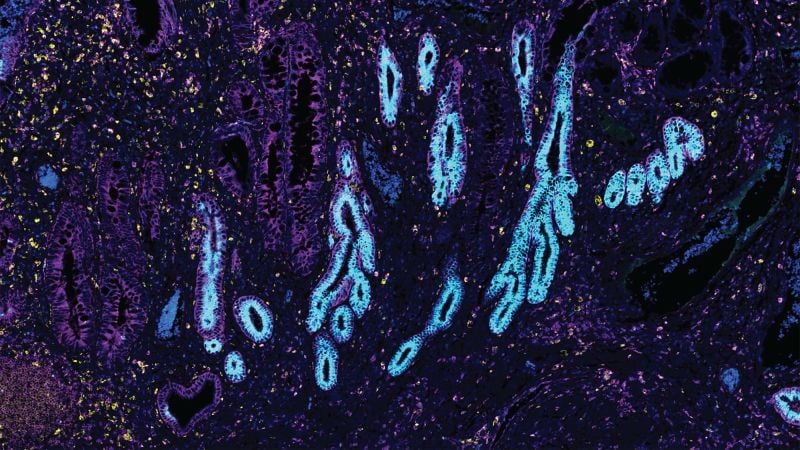
The Human Cell Atlas project, involving over 3,600 researchers from more than 100 countries, has made significant progress in mapping the human body's cells, akin to the Human Genome Project. This initiative has analyzed over 100 million cells from 10,000 people, revealing thousands of cell types and offering new insights into diseases and potential treatments. Recent findings include mapping the gut's cells, understanding the skeleton's formation, and identifying a new cell type in the respiratory tract. The project aims to complete its first draft by 2026, providing a comprehensive cellular map to enhance understanding of health and disease.

Breakthrough in Comprehensive Human Cell Mapping Project
science2 years ago

Breakthrough in Comprehensive Human Cell Mapping Project

Scientists with the Human Cell Atlas project have made significant progress in mapping the 37 trillion cells in the human body, releasing over 40 papers detailing cell profiles from various organs and systems. This research aims to create a comprehensive atlas of human cells, highlighting differences across demographics and genetic backgrounds. The findings include insights into gastrointestinal diseases, early human development, and the creation of organoids, which are lab-grown mini-organs that mimic real organs. This work could lead to breakthroughs in understanding diseases and developing treatments.

Breakthrough in Mapping the Human Cell Atlas Revolutionizes Disease Understanding
science2 years ago

Breakthrough in Mapping the Human Cell Atlas Revolutionizes Disease Understanding

The Human Cell Atlas (HCA) consortium has published over 40 studies that provide groundbreaking insights into human biology by mapping over 100 million cells from 10,000 individuals. These studies, which cover areas like brain development and COVID-19 lung responses, highlight the use of AI in understanding cellular mechanisms. The HCA aims to create a comprehensive "Google Maps" for cell biology to enhance diagnostics, drug discovery, and regenerative medicine, emphasizing diversity to ensure a globally inclusive understanding of health and disease.

Breakthrough in Mapping Human Cells: A New Era for Health Research
science2 years ago

Breakthrough in Mapping Human Cells: A New Era for Health Research

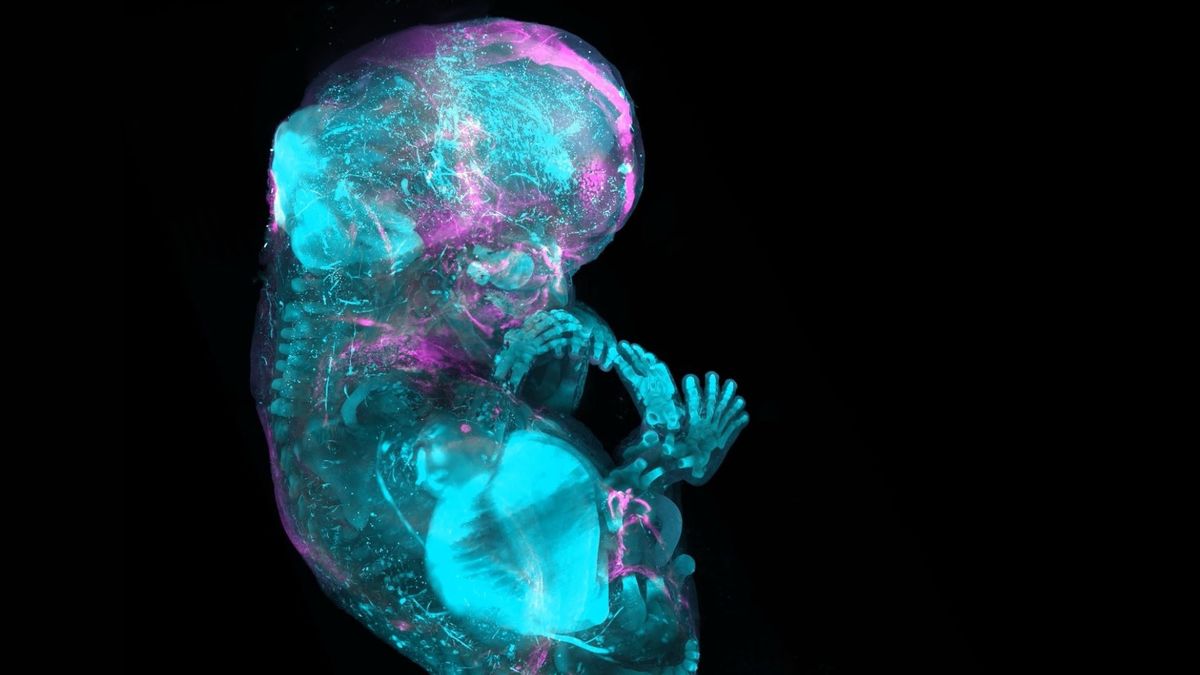
Scientists have made significant progress in the Human Cell Atlas project, unveiling a blueprint of human skeletal development and mapping various cell types to better understand human health and disease. This global initiative, started in 2016, aims to create a comprehensive atlas of all human cell types. Recent findings include insights into bone growth, congenital conditions, and potential links between early bone cell genes and adult hip arthritis. The research, published in Nature, also explores the gastrointestinal tract and thymus, contributing to understanding diseases like cancer and Crohn's disease.

Scientists Achieve Breakthrough in Cellular Mapping for Disease Research
science-and-health2 years ago

Scientists Achieve Breakthrough in Cellular Mapping for Disease Research

The Human Cell Atlas project, likened to a 'Google Maps' for cell biology, has made significant strides in understanding the role of cells in diseases such as chronic gut conditions and arthritis. By mapping 100 million cells from over 10,000 people, the project aims to create comprehensive reference maps of all human cells, enhancing insights into health and disease. This initiative, involving thousands of researchers globally, has already published over 40 papers, highlighting discoveries like a cell type linked to inflammation and insights into skeletal formation. The project emphasizes diversity in its data to ensure comprehensive health insights.

Microbial Load's Role in Shaping Gut Health and Disease Links
health2 years ago

Microbial Load's Role in Shaping Gut Health and Disease Links

A study published in Cell reveals that variations in gut microbial load, influenced by factors like diet and antibiotics, are more significant in determining the presence of bacteria linked to diseases such as inflammatory bowel disease than the diseases themselves. Using a machine learning model, researchers found that microbial load changes, rather than direct disease causation, explain bacterial signatures in patients' microbiomes. This challenges previous assumptions and highlights microbial load as a crucial factor in gut health, with implications for future biomarker research and microbiome-targeted therapies.

"Mapping the Human Brain: A Moonshot Project to Combat Disease"
science-and-technology2 years ago

"Mapping the Human Brain: A Moonshot Project to Combat Disease"

The Allen Institute is embarking on a "moonshot" project to map the 86 billion neurons in the human brain, aiming to better understand brain function and potentially find cures for diseases like Alzheimer's and Parkinson's. This ambitious endeavor, likened to sequencing the genome, could provide a comprehensive reference for studying normal brain function and disease. By identifying vulnerable cell types, the research may lead to targeted therapies and a deeper understanding of brain diseases, ultimately contributing to humanity's quest to comprehend the complexities of the brain.