At 329 euros, the Nothing Phone (4b) delivers a bold design, a large 6.77-inch 120 Hz AMOLED display and excellent battery life, but its value is undermined by only 128 GB storage in Germany (no microSD or eSIM), camera performance that lags in low light, slower Wi‑Fi, and a price that doesn’t outperform its own 4a sibling or other mid-range rivals.
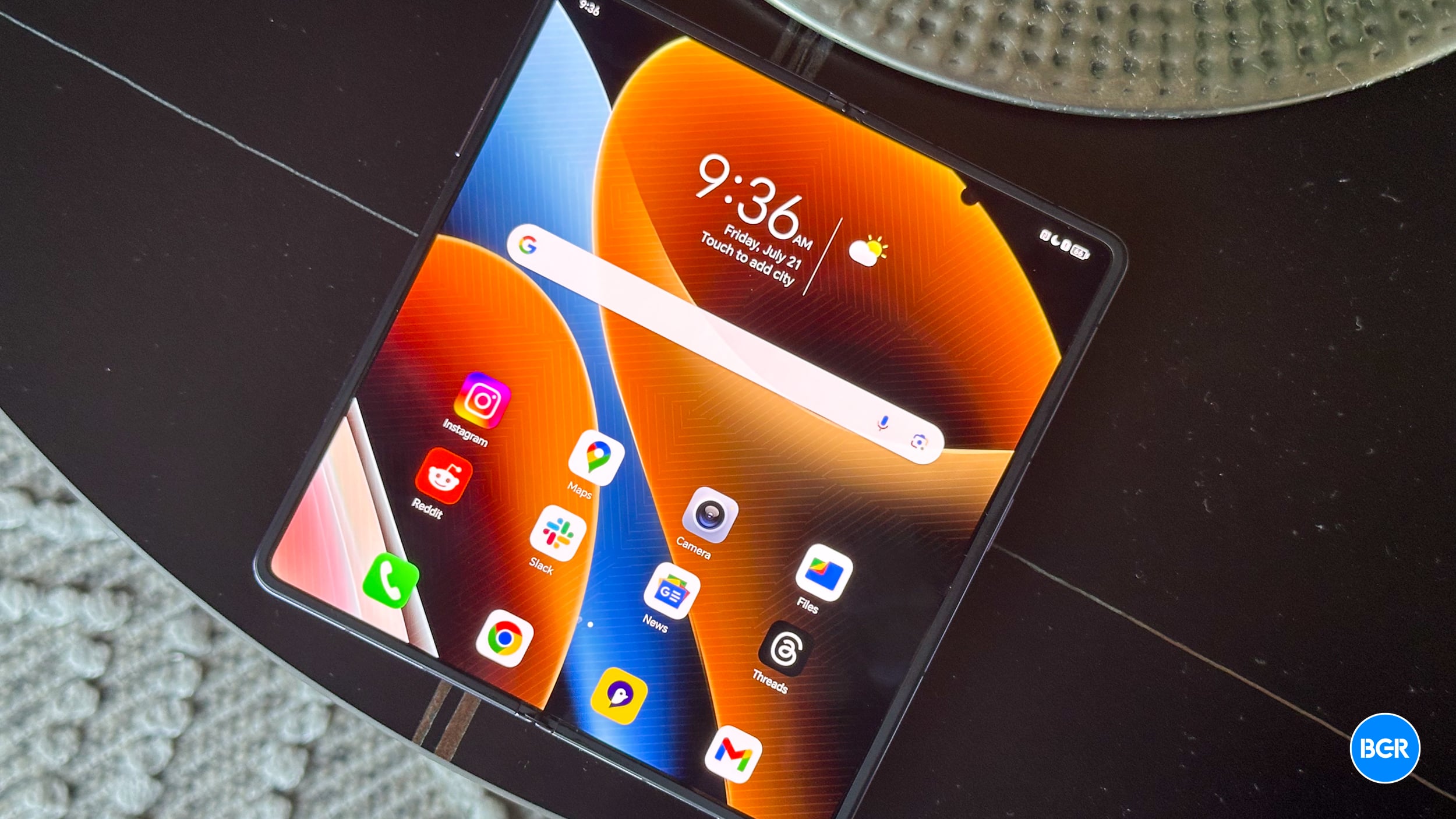
Samsung’s Galaxy Z Fold 8 is the most compelling foldable yet, packing a redesigned 7.6-inch main display with a 4:3 aspect ratio, superb brightness and uniformity, and a smoother hinge thanks to Flex Titanium tech—ideal for movie-watching on the go. Powered by the Snapdragon 8 Elite Gen 5 with 12–16GB RAM, it handles apps smoothly, supports HDR10+ and Dolby Atmos, and houses a solid 4800mAh battery that easily lasts a day. It runs Android 17/One UI 9 and Samsung promises up to seven years of updates. However, the price is steep (starting around £1699 / $1899 / AU$2699, with up to 1TB RAM/16GB) and camera count is modest at four, with some AI features missing (ProScaler). All told, it’s a premium portable movie machine that justifies its cost for media lovers, even if rival non-folding flagships remain cheaper.
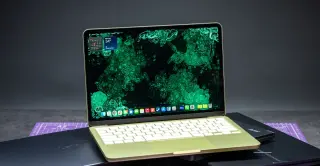
The Verge tests three budget Windows laptops (Asus Vivobook 16, Lenovo IdeaPad Slim 3x, and Acer Aspire 14 AI) against the MacBook Neo at $599. While the Windows machines offer more RAM and ports on paper, they lag in real‑world use due to dim, washed displays, middling keyboards/trackpads, and weak speakers. The Acer leads in battery life and ports, Lenovo has a decent keyboard but poorer audio, and Asus is the least compelling overall. The Neo wins on display brightness/color, trackpad precision, webcam clarity, and general usability, making it hard to beat at this price; among Windows options, Acer Aspire 14 AI is the best of the three, but still trails the Neo. Chromebooks are mentioned as alternatives, but aren’t as feature-complete. The bottom line: Neo dominates budget laptops for now, challenging PC makers to fix core corners without raising prices.
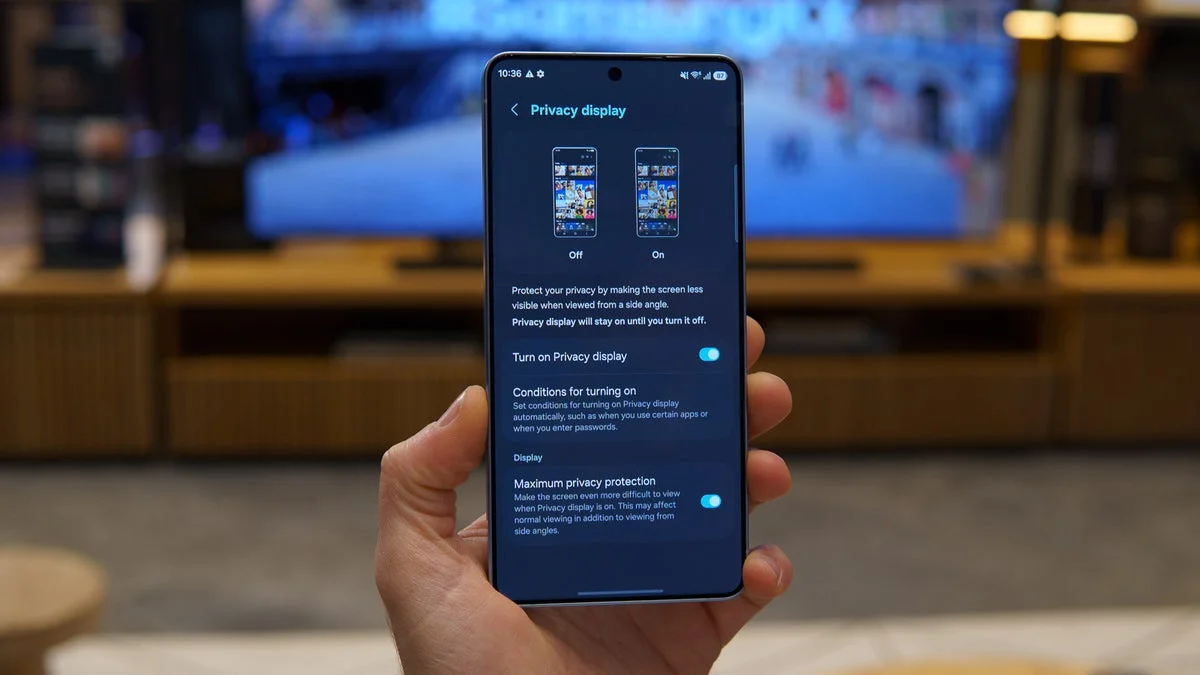
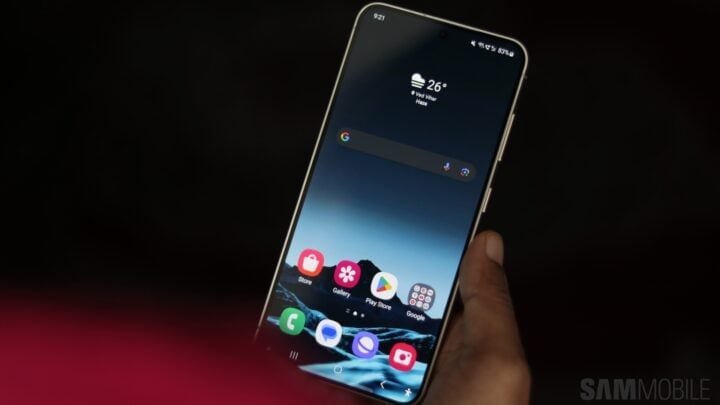
Samsung confirms the Galaxy S26 Ultra’s Privacy Display blocks viewing from the sides to protect privacy, but user reports note reduced sharpness and color accuracy at certain angles or when brightness is high. Samsung says the impact on normal use is negligible and hints at potential improvements with the Galaxy S27 Ultra, while a separate report suggests the next model could feature LPDDR6 memory.
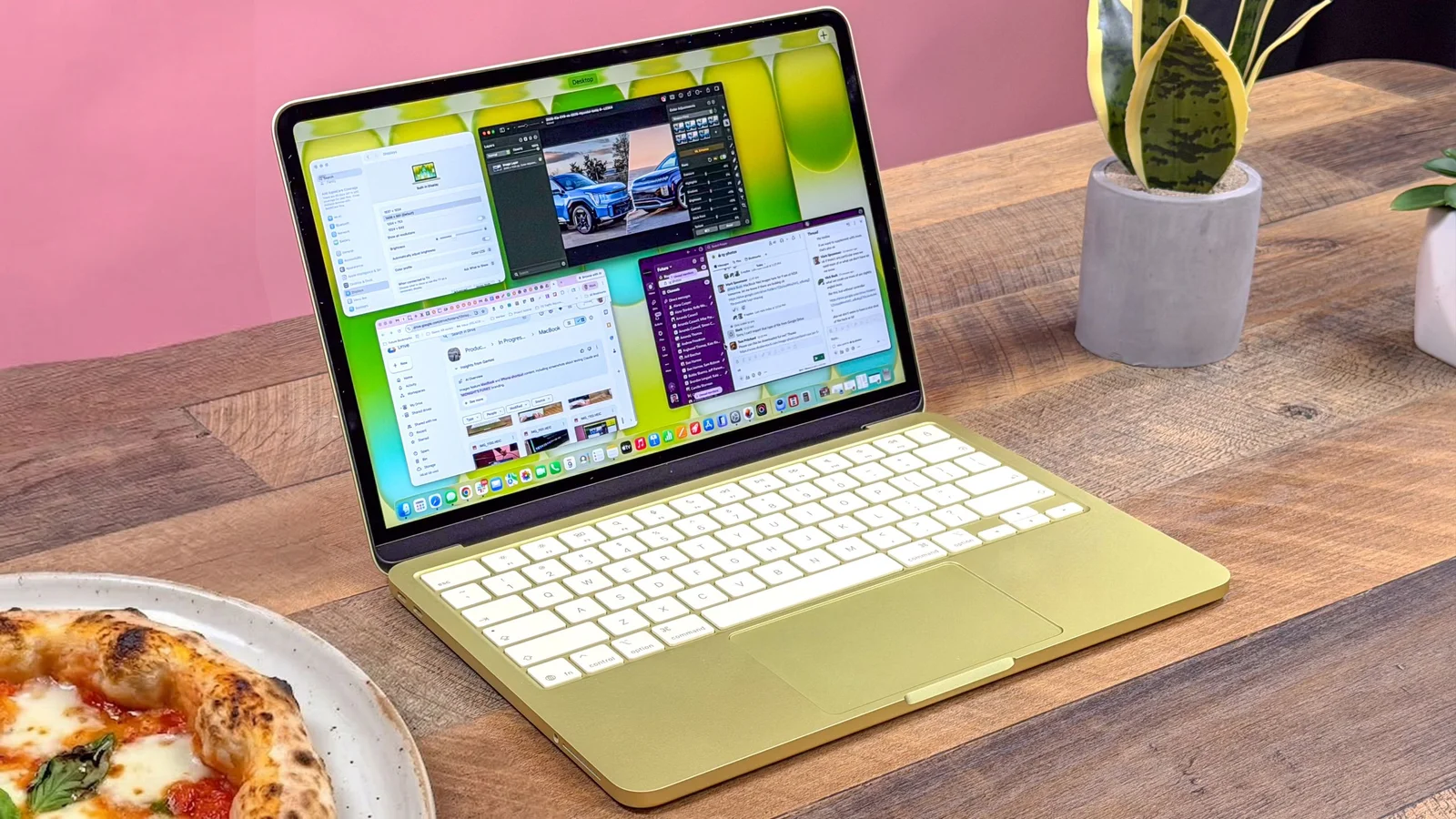
A Tom's Guide writer spends 48 hours with the $599 MacBook Neo, praising its premium aluminum build, bright 13-inch display, and solid day-to-day performance thanks to the A18 Pro chip and 8GB RAM, while noting trade-offs like limited RAM for heavy multitasking, no True Tone, no Touch ID on the base model, two USB-C ports without MagSafe, a dim camera, and underwhelming speakers — but at its price, the Neo offers a compelling budget option that can compete with many Windows laptops for casual use.
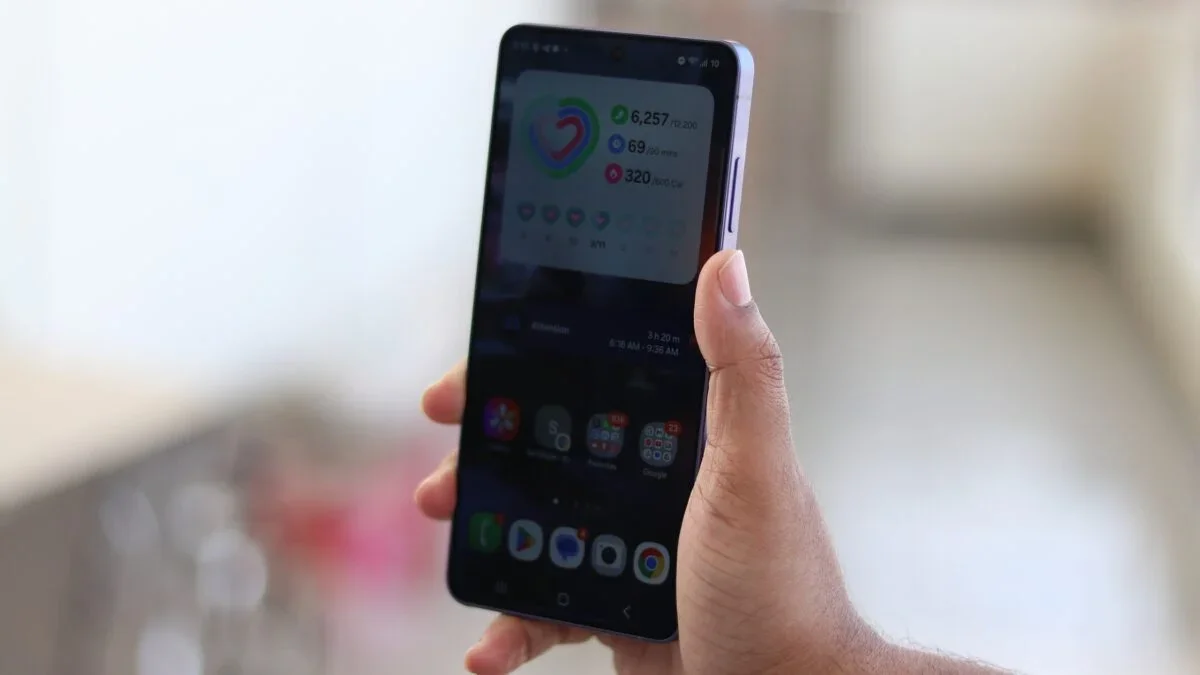
Samsung responded to backlash over the Galaxy S26 Ultra's privacy display, acknowledging possible brightness variations at high brightness but saying the impact on everyday use is negligible, even as many users and tech critics report a dimmer screen and questionable image quality compared to the S25 Ultra.
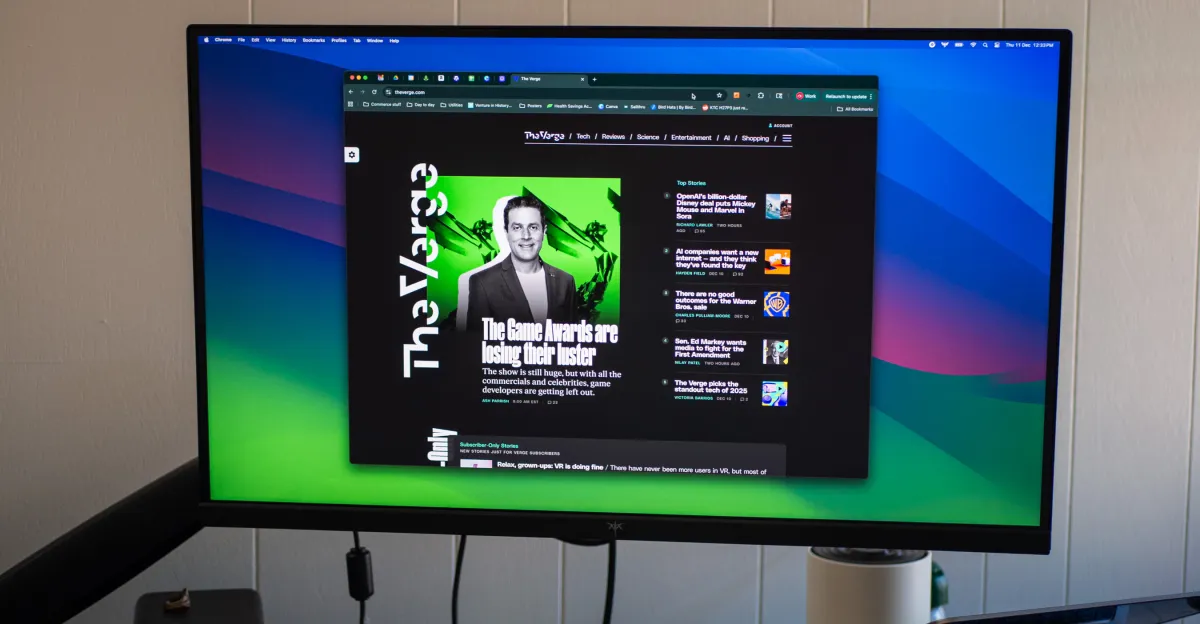
The KTC H27P3 is an affordable 27-inch 5K monitor costing around $355, offering good pixel density and color accuracy for its price, making it a viable option for those who want a high-resolution display without the premium cost of Apple or other high-end brands, though it has limitations in design, ports, and response time.
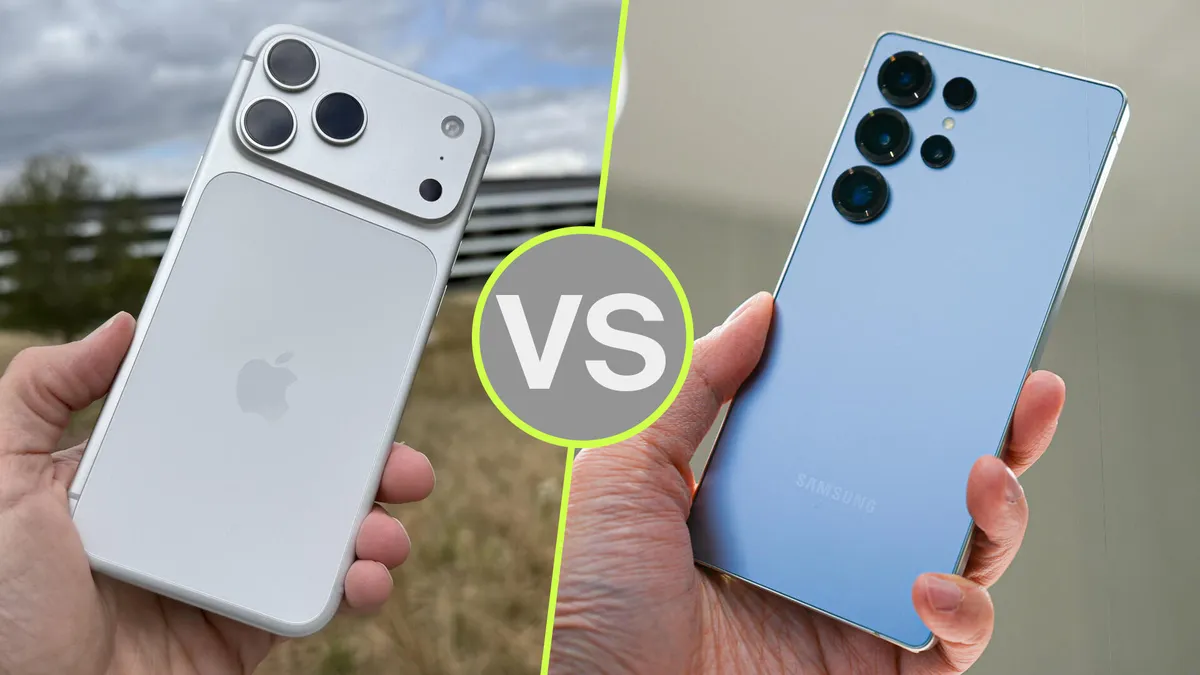
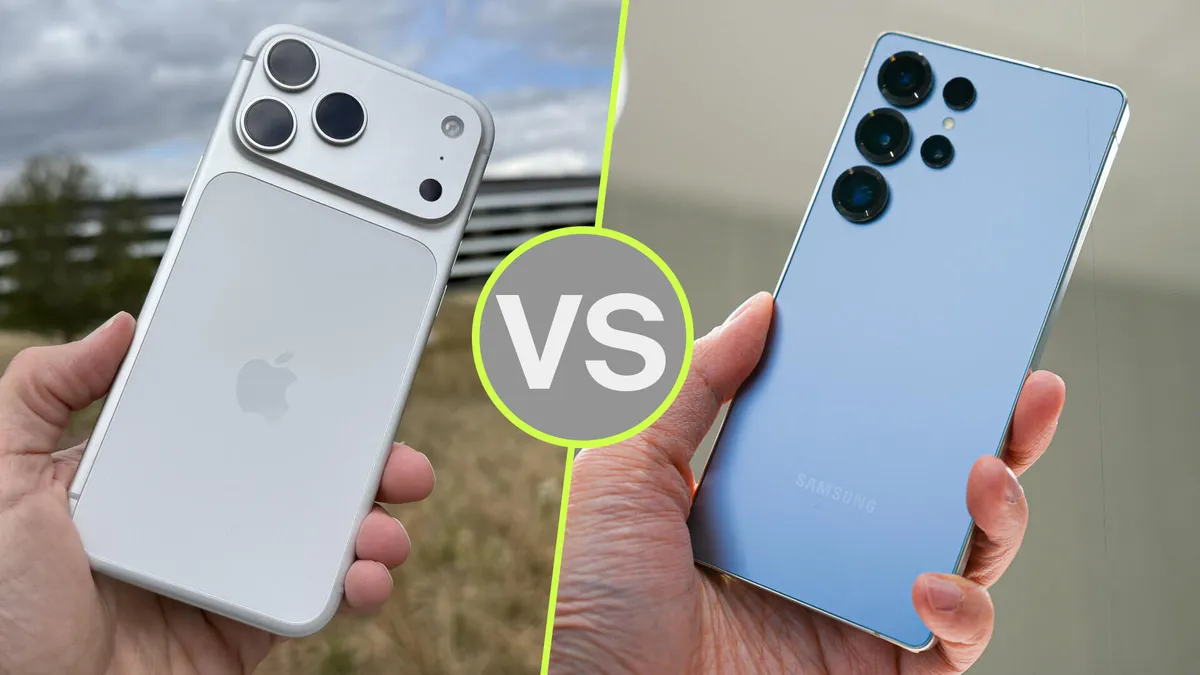
The article compares the new Apple iPhone 17 Pro Max and Samsung Galaxy S25 Ultra, highlighting the iPhone's advanced video recording capabilities, MagSafe compatibility, and storage options, making it ideal for creators, while the Galaxy S25 Ultra offers the best display, a more complete AI experience, and the S Pen for note-taking, catering to users who prioritize display quality and AI features.
The article compares the new iPhone 17 Pro Max and Samsung Galaxy S25 Ultra, highlighting the iPhone's advanced video recording capabilities, MagSafe compatibility, and storage options, while praising the Galaxy S25 Ultra's superior display, more comprehensive AI features, and the inclusion of the S Pen. The choice depends on user priorities such as video recording, display quality, AI features, or stylus use.
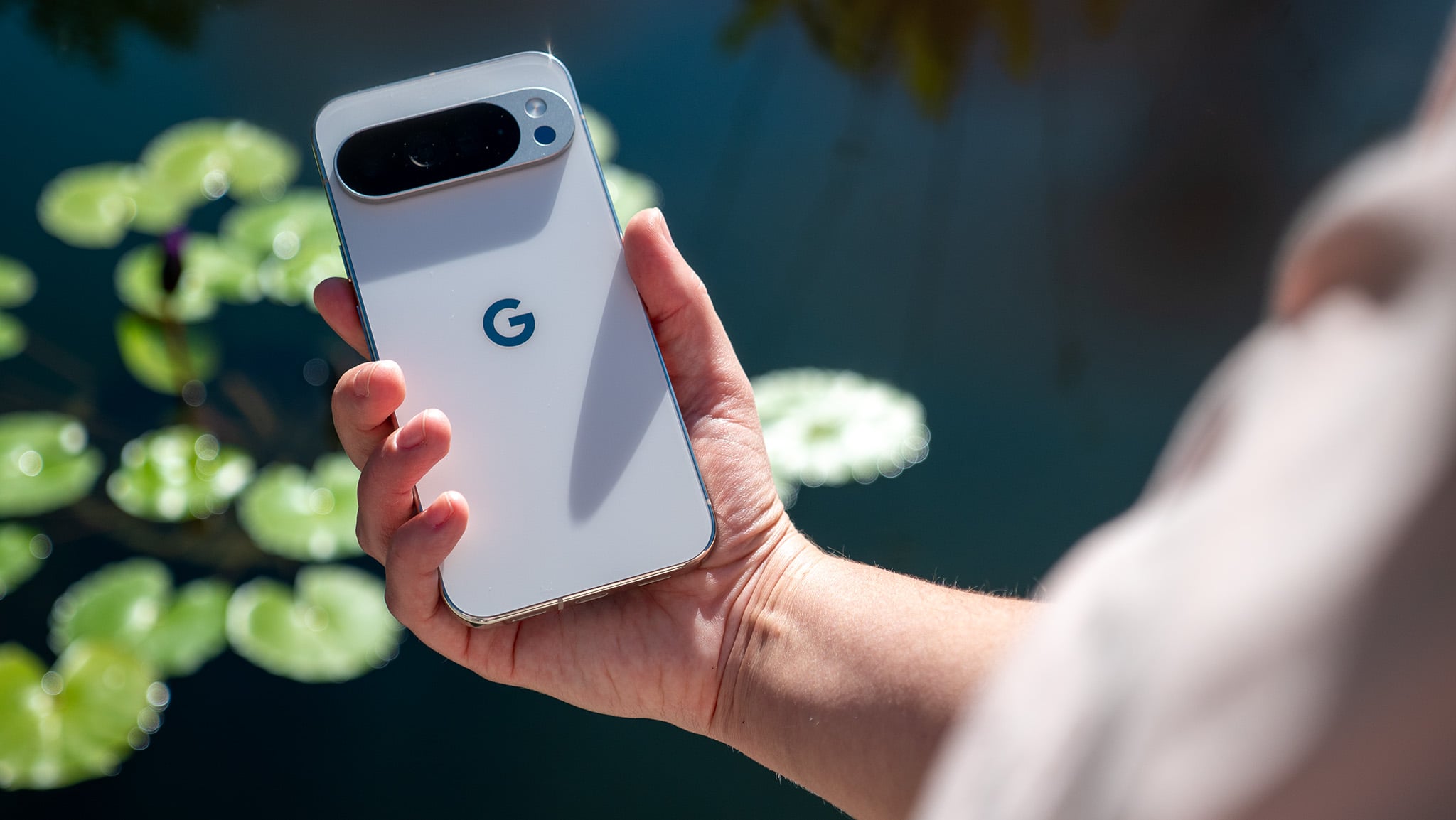
The Pixel 10 Pro boasts impressive display specs on paper, but its focus on brightness and color accuracy may compromise user comfort, especially for flicker-sensitive individuals, as Google's new 'sensitive eyes' feature with 480Hz PWM dimming is insufficient compared to industry standards. Critics argue that Google's approach prioritizes benchmark metrics over actual user experience and accessibility needs, highlighting a need for more scientifically backed solutions like DC dimming for better comfort.
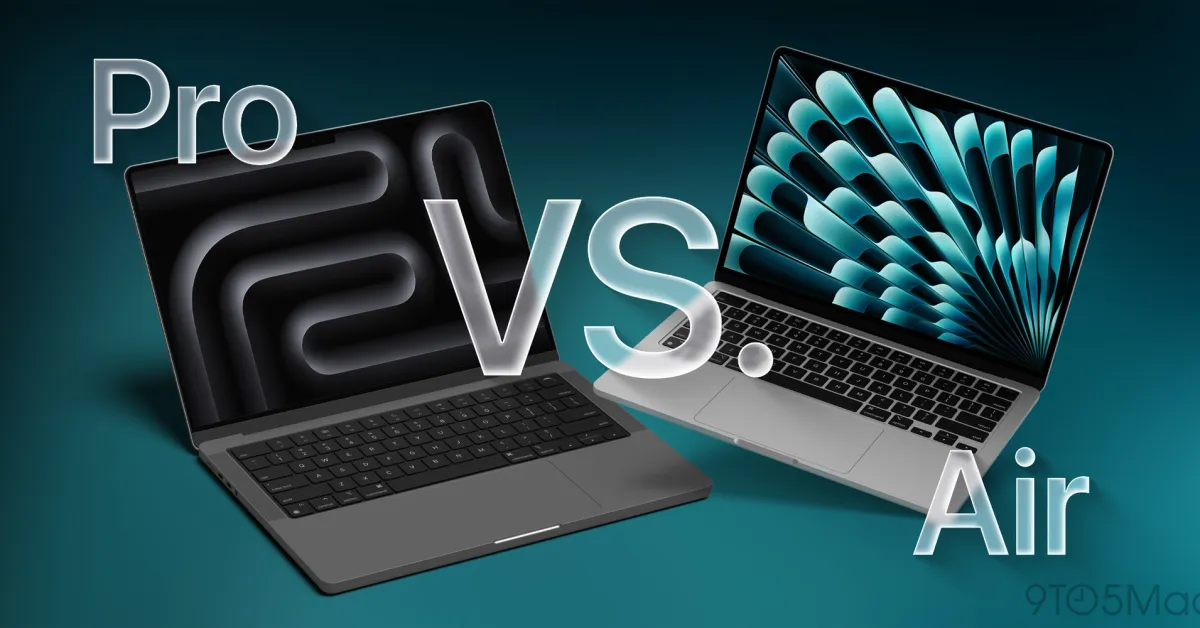
The article compares the M4 MacBook Air and M4 MacBook Pro, highlighting that while both share similar performance due to the same M4 chip, the Pro offers a superior display, more ports, better speakers, and longer battery life, justifying its $500 higher price for users who need these features. The MacBook Air is an excellent, budget-friendly choice for general use, while the Pro is better suited for professional work requiring high-quality visuals and connectivity.
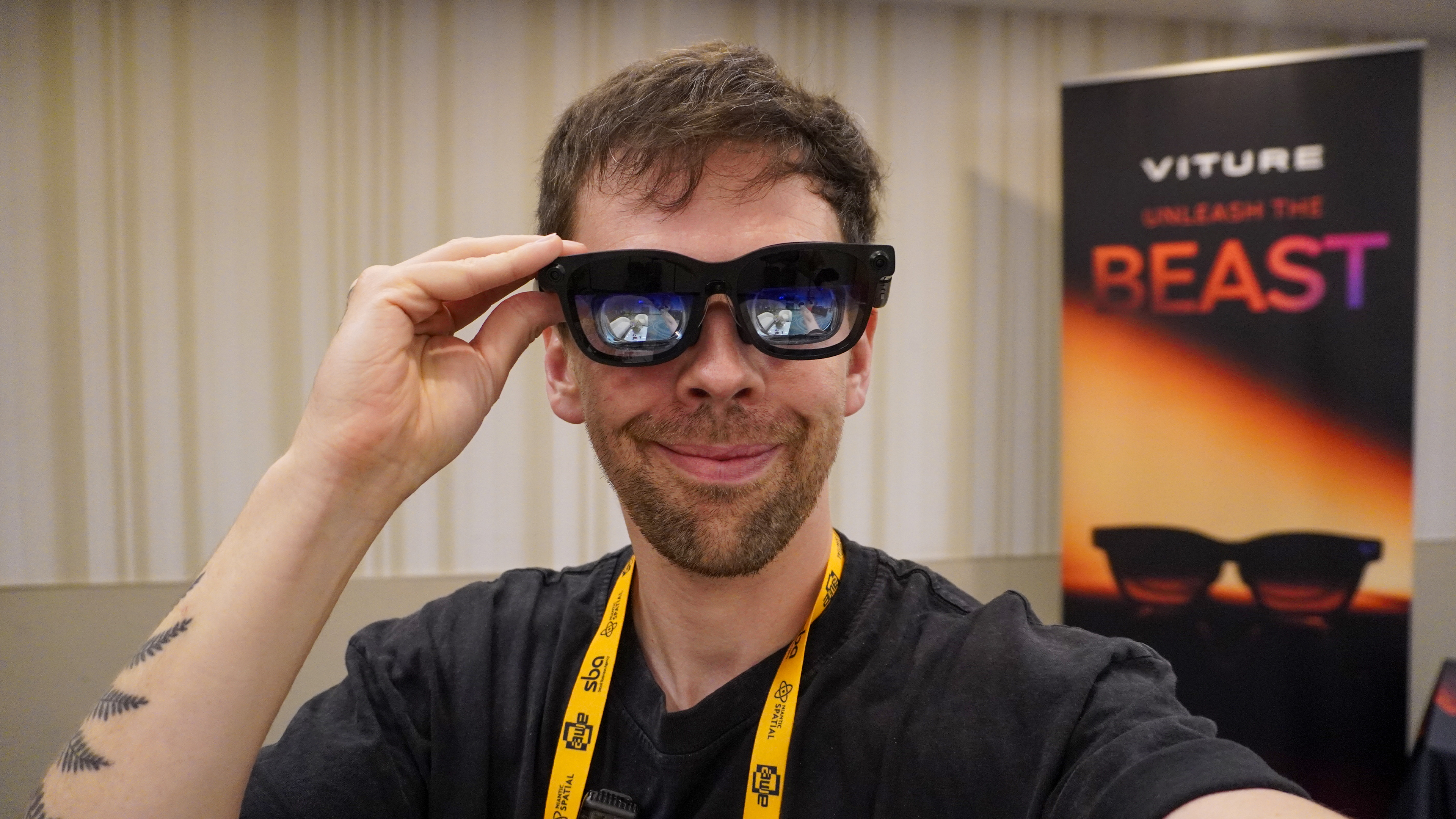
The Viture Beast AR glasses, launching in October at $549, feature the best screen quality seen on AR glasses with a 1200p display and customizable screens, but lack hardware myopia adjustment and have a slightly narrower 58-degree field of view compared to earlier reports. They offer significant visual clarity and design improvements, making them a compelling choice for those prioritizing display quality, though users needing myopia adjustment might prefer other models like the Luma.
The Galaxy S24 series has been ranked as having the best smartphone displays by independent reviewer DxOMark, with the Ultra leading in display quality and the base S24 model having the highest-ranked display in the Premium Ranking category. Despite some minor issues, the new LTPO Dynamic AMOLED 2X panels and Samsung technologies make the displays fantastic, with the Ultra standing out due to its Gorilla Glass Armor screen protection and exceptional scratch resistance.
The Honor Magic V2 is one of the thinnest foldable phones available, offering a sleek design and impressive display quality. It features a Qualcomm Snapdragon 8 Gen 2 processor, 16GB of RAM, and a solid camera setup. The battery life is decent, although wireless charging is not supported. The device is currently limited in availability but is worth considering for those in the market for a foldable phone.
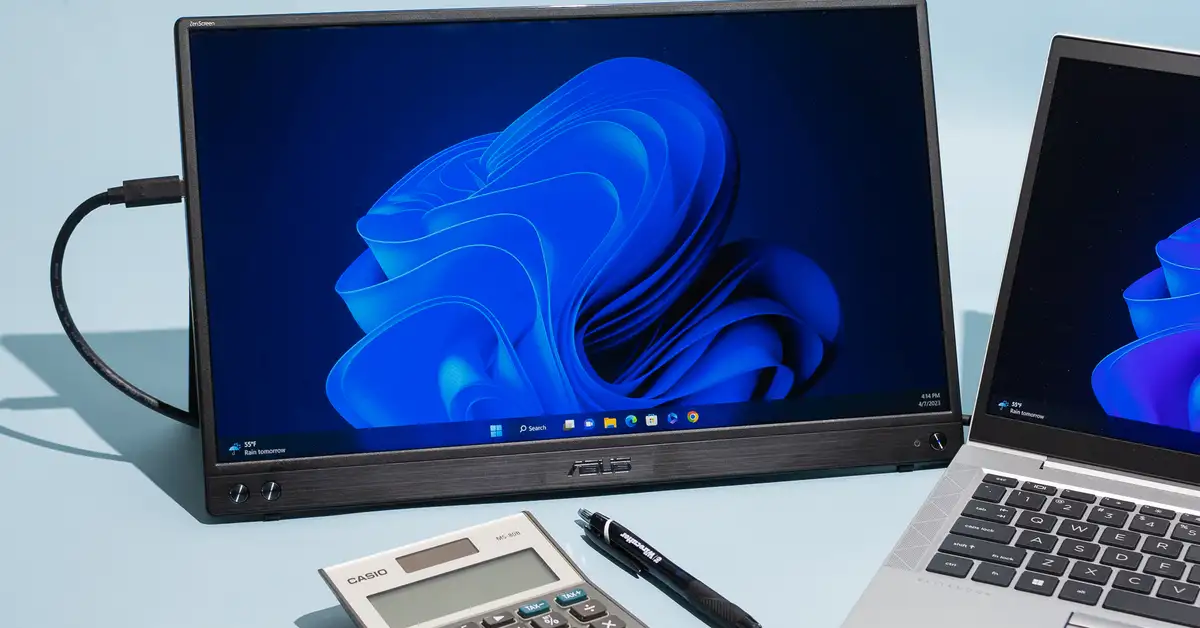
The Asus ZenScreen MB16ACV is the best portable monitor for adding a second screen to your laptop while on the go. It has a 15.6-inch display with a 1080p resolution, good color accuracy, and a bright screen that's easy to read in different lighting conditions. The integrated stand allows for both landscape and portrait orientations, and it connects to your laptop via a USB-C cable. It also has additional software that lets you use a full-size USB cable to transmit video to the portable monitor, making it compatible with older laptops or as a smaller secondary monitor for desktops.