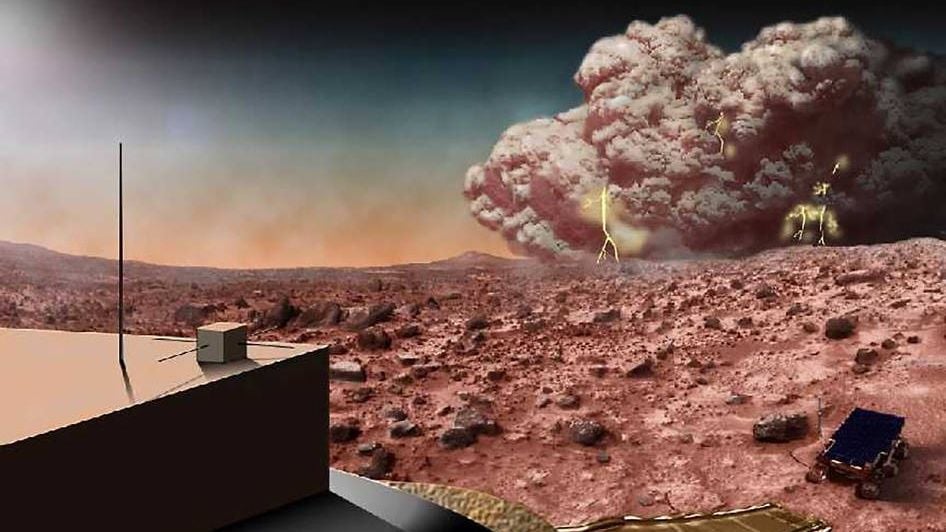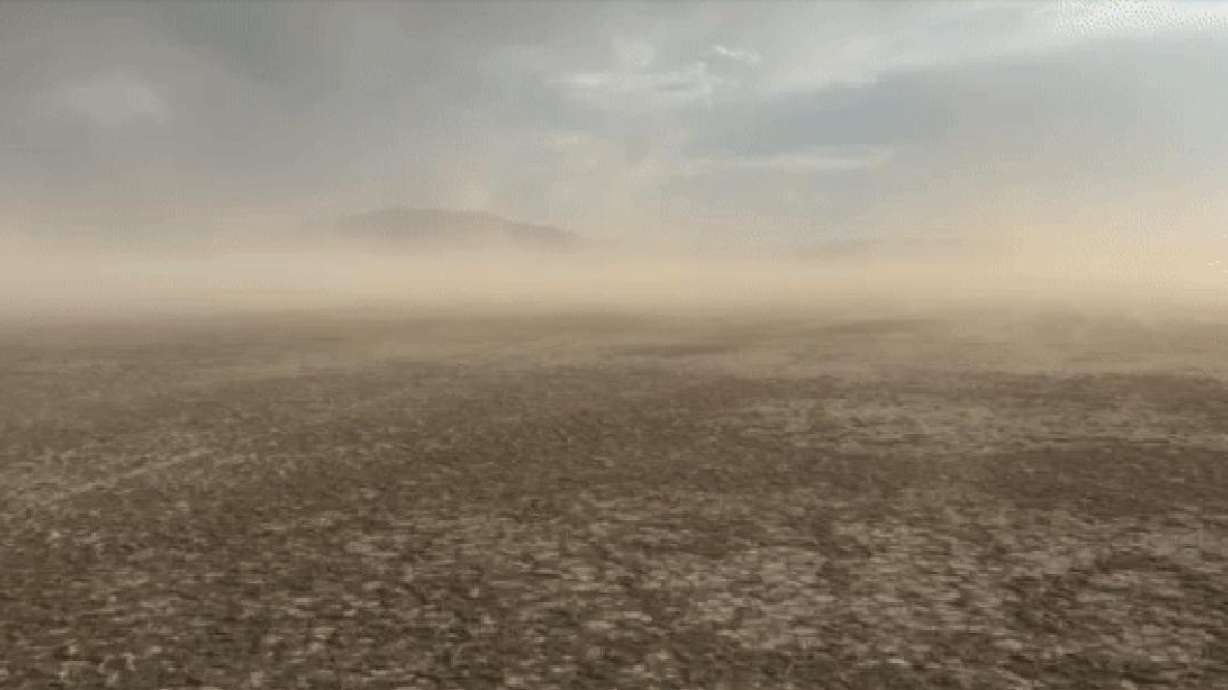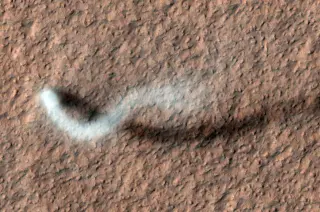
Tag

Dust Storms

All articles tagged with #dust storms

Martian Gusts Don’t Pack Earthlike Punch: 60 mph Winds on Mars Are Much Less Drag
space1 month ago

Martian Gusts Don’t Pack Earthlike Punch: 60 mph Winds on Mars Are Much Less Drag

A 60 mph gust on Mars exerts far less aerodynamic force than the same speed on Earth because Mars’ air is only about 1% as dense; using dynamic pressure (q = ½ρv²) shows the drag on a person is comparable to a gentle Earth breeze (roughly 6–8 mph) rather than a storm. The exact effect depends on density, temperature, local conditions, and the object’s shape, so there is no single planet-wide conversion. The piece also notes that dust, solar panels, and equipment pose real Martian hazards, and that lift on a helicopter like Ingenuity is achievable only because of engineering to compensate for thin air, not because Martian winds are Earthlike.
Solar Storms May Amplify Martian Dust Storms, New Study Indicates
science2 months ago

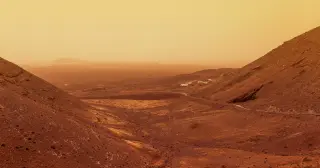
Solar Storms May Amplify Martian Dust Storms, New Study Indicates

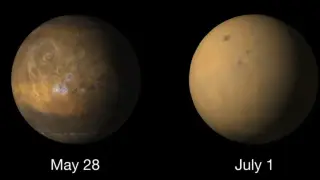
New analysis using NASA's MAVEN and ESA's Trace Gas Orbiter data suggests solar energetic particle events can heat Mars’ lower atmosphere, and when these events coincide with global dust storms they may intensify the storms. The heating was clearly observed in a June 2018 SEP event during a dust storm (about 50°C at 75–125 km), while a July 2021 event showed a smaller effect; results are not yet conclusive and more data—such as from the 2024 solar storm—are needed to confirm the phenomenon. Opportunity’s demise after a dust storm is mentioned as context for Mars’ weather sensitivity, but the core finding is the potential for multiple solar and atmospheric events to interact and alter Martian weather.

Planet-wide Martian dust storms end Opportunity’s 14-year mission
space3 months ago

Planet-wide Martian dust storms end Opportunity’s 14-year mission

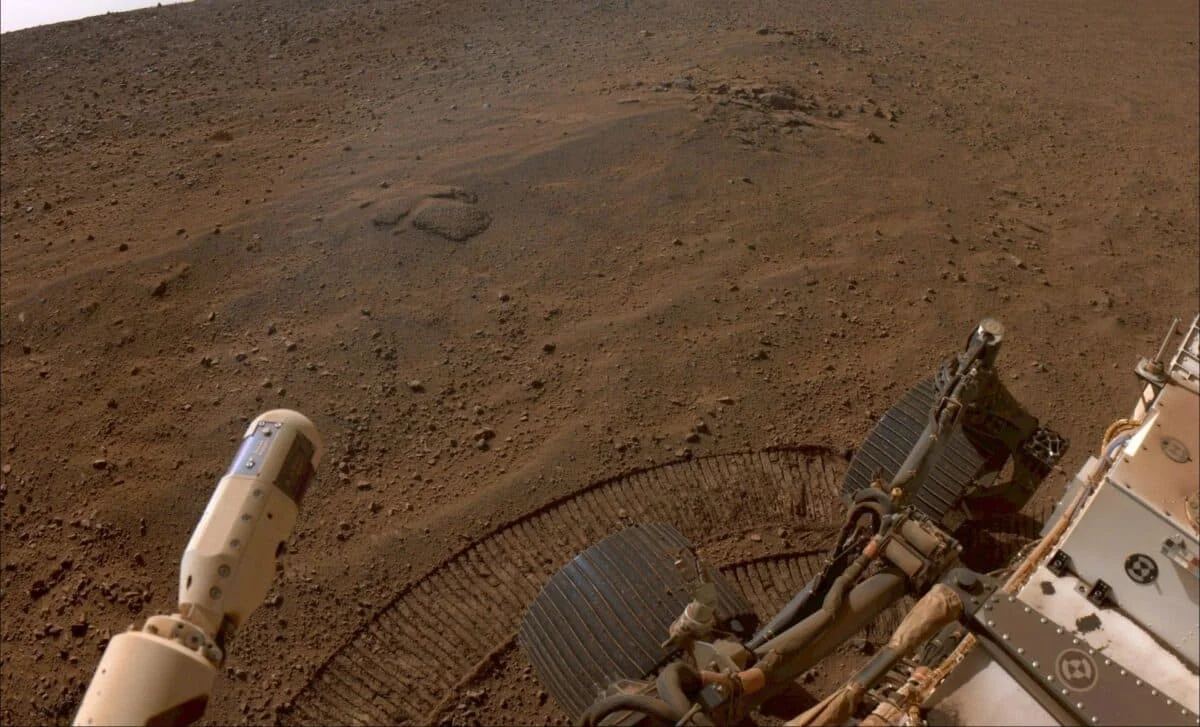
A regional Martian dust storm in 2018 grew into a planet-spanning veil, blocking sunlight and starving NASA’s solar-powered Opportunity rover, which had outlasted its 90-day design by nearly 15 years. Tau, a measure of atmospheric opacity, rose to about 10.5–10.8, among the highest on Mars, leaving the rover unable to recharge and ending the mission in 2019. Curiosity continued operating on a nuclear power source, illustrating the solar-versus-nuclear trade-off. Planet-wide storms are unpredictable and irregular, and while they end some missions, rovers like Perseverance—also nuclear-powered—tend to survive in the modern era. The open question remains why some Martian years produce planet-encircling storms while others do not.”,

Mars’ First Crew: Discipline Over Drama in Daily Space Living
space4 months ago

Mars’ First Crew: Discipline Over Drama in Daily Space Living

Mars’s first crews will be radiation workers, dust custodians, and weather watchers, focusing on continuous dose budgeting, dust control, and light monitoring rather than heroic feats. A round-trip transit could deliver about 0.66 Sv, with a 500‑day surface stay bringing near 1 Sv—above some lifetime cancer risk thresholds and within NASA/ESA limits depending on shielding and solar conditions. Dust carries toxins and clings to gear, making filtration, airlocks and suitports essential. Dust storms primarily dim the Sun, so the job is about preserving power and visibility, not fending off wind. The frontier favors methodical, disciplined minds; the reward is the actual desert dawn, not the drama surrounding it.

Dust Storms Return: Climate Change Spurs Health Risks Across the U.S.
environment4 months ago

Dust Storms Return: Climate Change Spurs Health Risks Across the U.S.

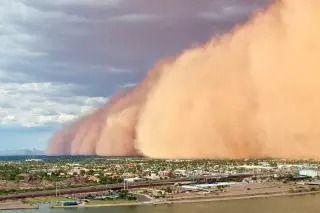
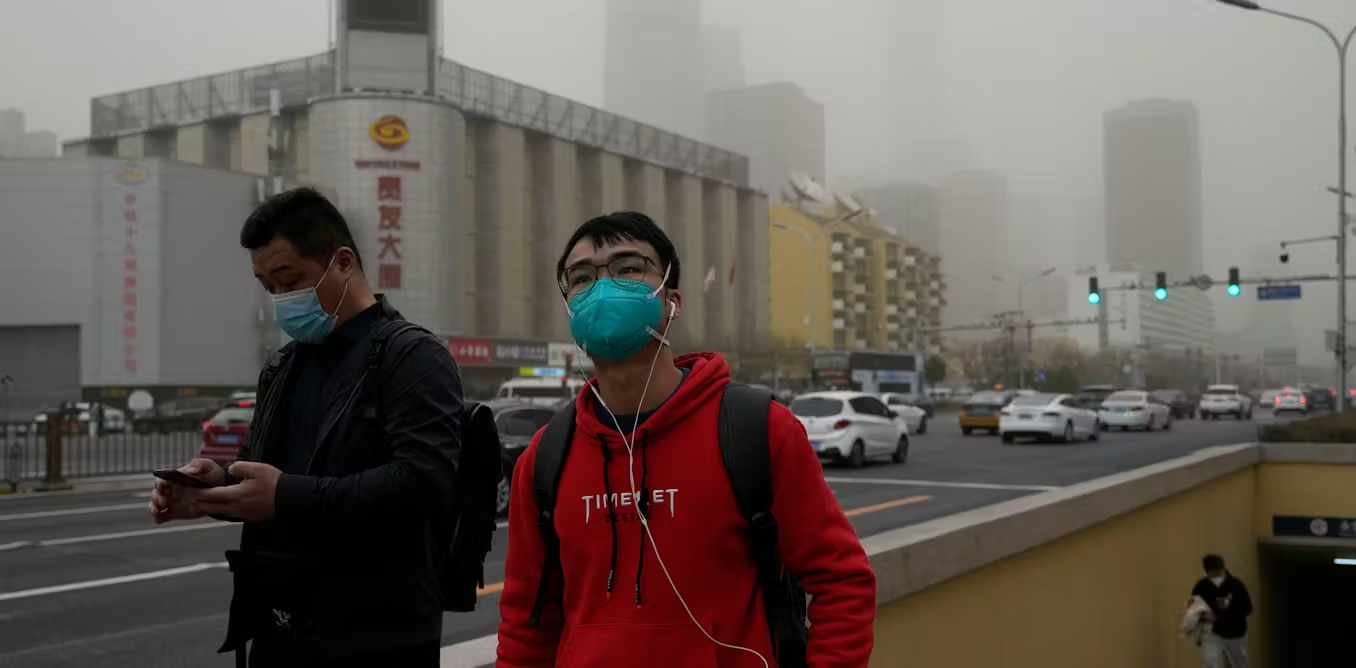
The piece argues that dust storms—historically deadly 'Dust Bowl' events—are returning to the US as hotter, drier conditions and waning vegetation lift dust into the sky, with health risks ranging from dust pneumonia to Valley Fever; it cites 2025 events in El Paso and New Mexico and warns that climate change could make such 'deathstorms' more frequent and costly unless mitigation and forecasting improve.

Dust storms devastate Uttar Pradesh, leaving at least 96 dead
world4 months ago

Dust storms devastate Uttar Pradesh, leaving at least 96 dead

Dust storms, heavy rain and lightning across several districts in Uttar Pradesh killed at least 96 people and injured more than 50, with fatalities from collapsing walls and fallen trees; emergency teams cleared debris, authorities pledged relief and compensation, and Chief Minister Yogi Adityanath ordered rapid relief operations focused on Prayagraj and surrounding areas.

Tiny Martian Storms May Explain Mars’ Hidden Water Loss
science6 months ago

Tiny Martian Storms May Explain Mars’ Hidden Water Loss

A localized Martian Year 37 dust storm lifted water vapor into the middle atmosphere at levels up to ten times typical, with hydrogen at the exobase rising about 2.5×. This suggests small, regional storms contribute to Mars’s long-term water loss and challenges the idea that southern-summer global events were the main driver, using data from ExoMars TGO, MRO, and the Emirates Mars Mission.

Venus Winds Stabilize Its Skies: New Study Redraws Planetary Climate
space7 months ago

Venus Winds Stabilize Its Skies: New Study Redraws Planetary Climate

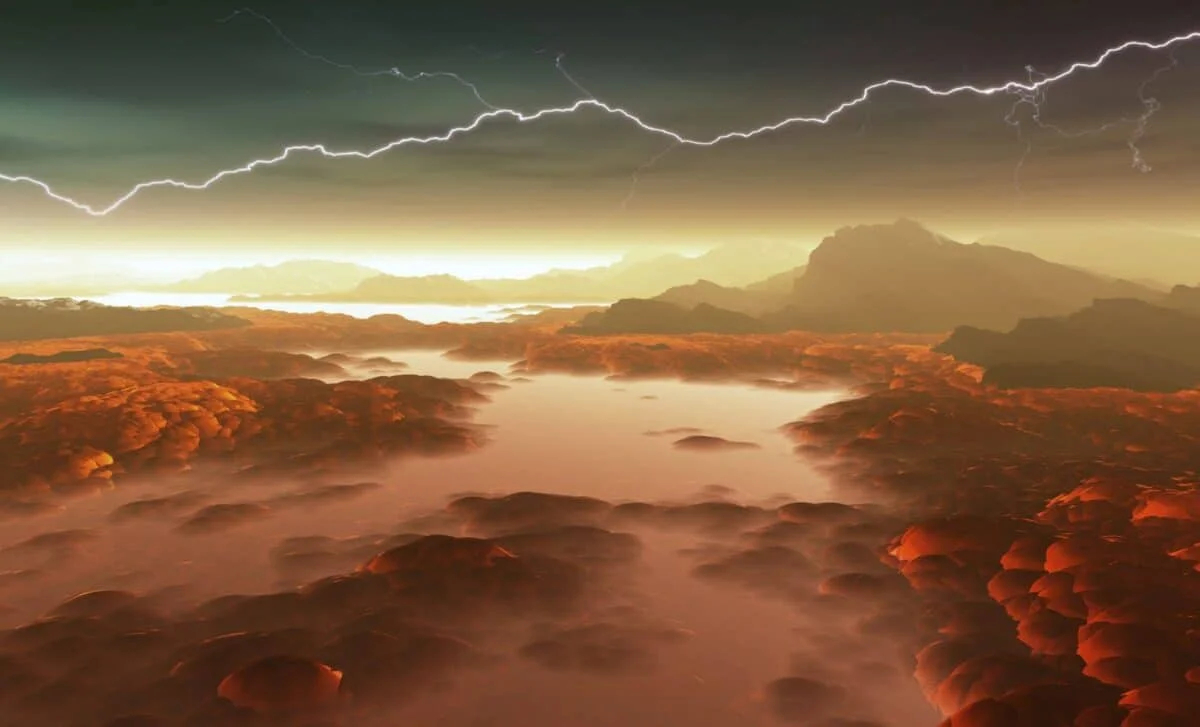
A computational study shows Venus’ winds help moderate its extreme day–night temperatures, with highland regions staying nearly constant while lowlands swing by several kelvin; the research also notes frequent dust storms that could affect landers, arguing for a regional approach to mission planning and landing-site selection (e.g., DaVINCI and EnVision).

Mars Sparks Detected: MAVEN Discovers First Martian Lightning Whistler
space7 months ago

Mars Sparks Detected: MAVEN Discovers First Martian Lightning Whistler

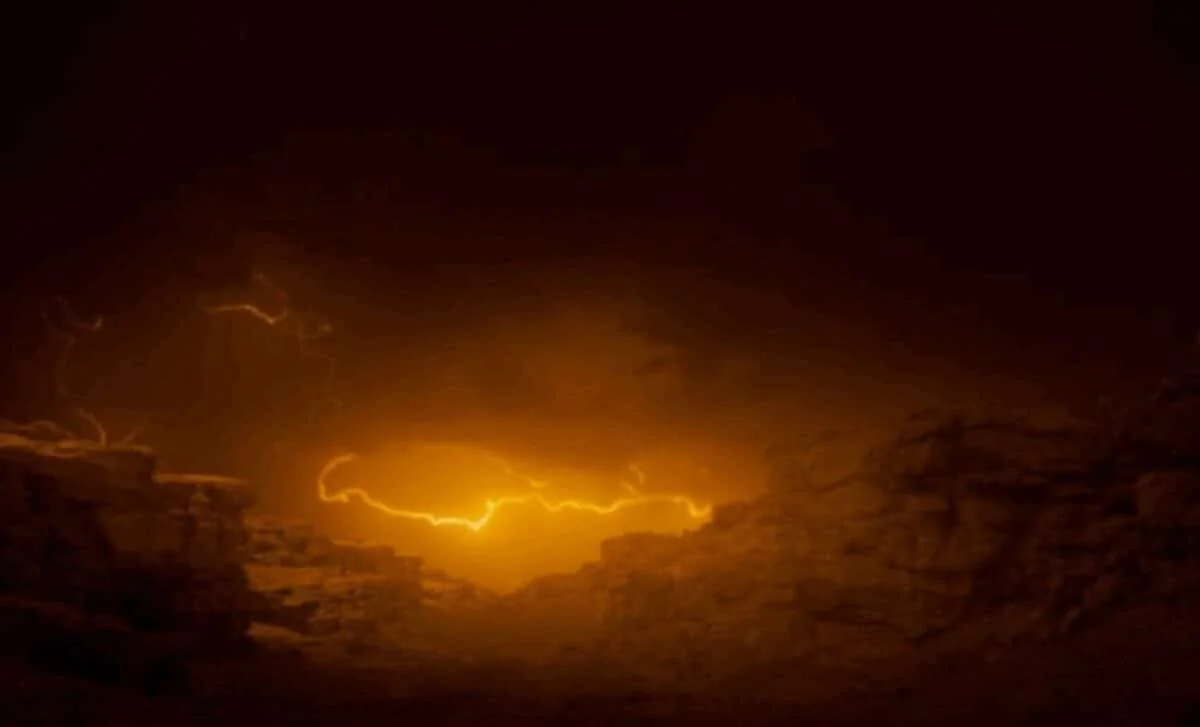
NASA’s MAVEN orbiter has captured the first confirmed electrical signal consistent with lightning in Mars’ atmosphere—a low-frequency ‘lightning whistler’ likely produced inside dust storms. The discovery confirms Martian atmospheric electricity, though the discharges are weaker than Earth’s, and researchers will continue searching for clusters to map where such events occur and how they influence Martian chemistry.

Dust-Driven Lightning on Mars: NASA Data Hint at Electrical Sparks in Dust Storms
space7 months ago

Dust-Driven Lightning on Mars: NASA Data Hint at Electrical Sparks in Dust Storms

Two NASA missions—MAVEN in orbit and the Perseverance rover on the surface—have detected signals suggesting lightning or related electrical discharges in Mars' dusty atmosphere. MAVEN identified a rare whistler radio signal from a 2015 data set, while Perseverance recorded crackling sounds during dust storms likely from electrostatic discharges in charged dust clouds. Taken together, the findings strengthen the case that Mars experiences dust-driven electrical activity, with possible implications for atmospheric chemistry and the planet's environment, though large lightning bolts remain unlikely.

Electric Dust Storms Forge Perchlorates on Mars, Rewriting Surface Chemistry
space8 months ago

Electric Dust Storms Forge Perchlorates on Mars, Rewriting Surface Chemistry

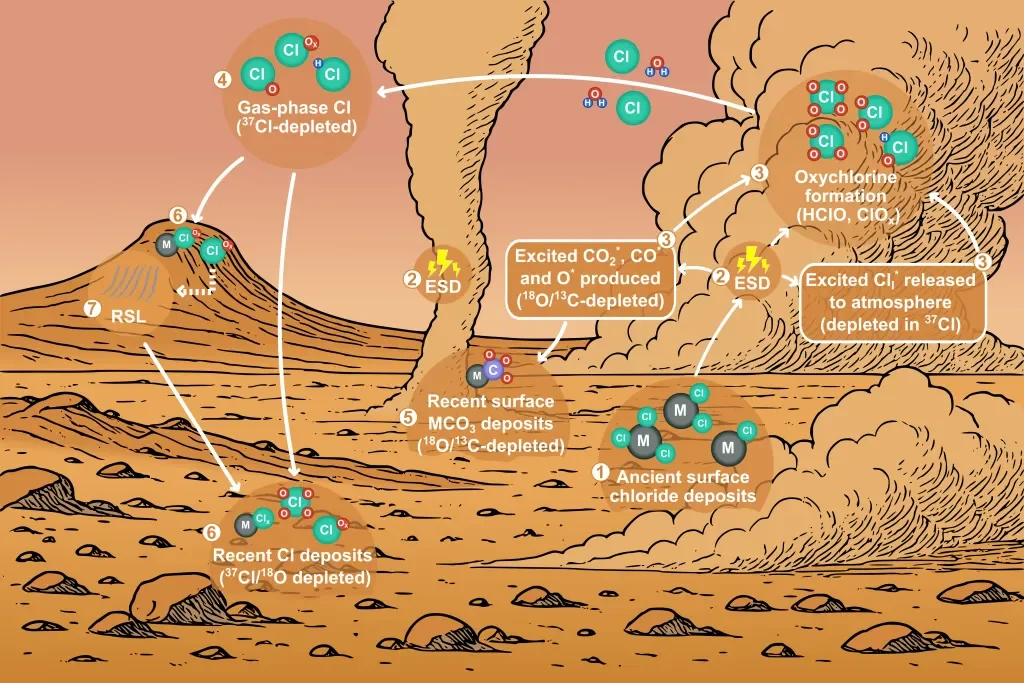
A new study argues that Martian dust storms generate electrostatic discharges that create high-energy electrons, driving reactions between atmospheric CO2 and ground chloride salts to form perchlorates and carbonates without liquid water. This electrochemical pathway also explains the observed isotopic imbalances, with lighter isotopes preferentially involved in these reactions. The research, demonstrated in lab chambers simulating Mars’ environment, suggests electrical processes are a key driver of Mars’ surface chemistry, poses ongoing challenges for future missions (due to perchlorates), and may have parallels on other dusty worlds.

Increased Frequency of Dust Storms at Great Salt Lake
environment1 year ago

Increased Frequency of Dust Storms at Great Salt Lake

New research reveals that dust storms around the Great Salt Lake are more frequent than previously thought, posing health risks especially to children due to toxic metals like arsenic and lead. The study highlights the need for better monitoring and preventative measures to protect communities from airborne pollutants originating from the lake's receding shoreline and industrial activities.