NASA's Jet Propulsion Laboratory used a 'Big Bang' power-saving plan on Voyager 2 to shut down nonessential systems and swap in lower-power options, conserving energy from its aging radioisotope thermoelectric generators to extend the science mission by about a year; Voyager 1 will undergo the same adjustment soon.
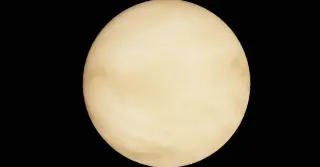
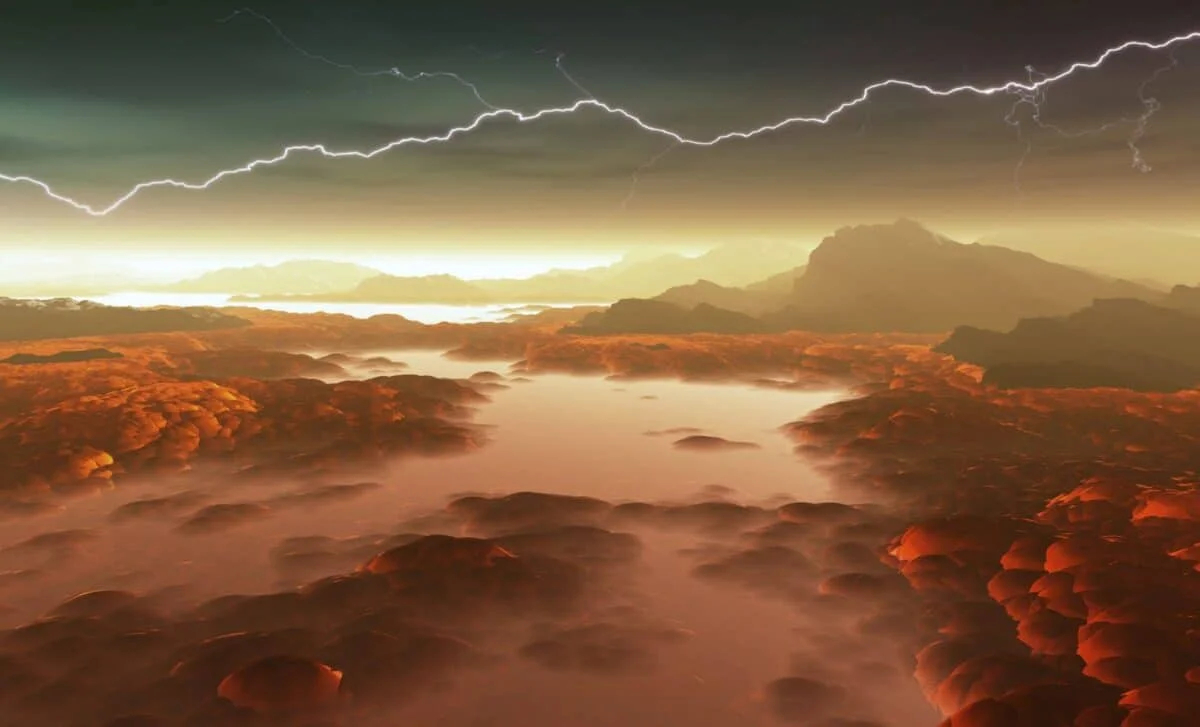
Venus is almost Earth’s twin in size but hosts a surface around 465°C under about 92 times Earth’s atmospheric pressure, due to a runaway greenhouse that likely began when oceans evaporated as the Sun brightened. The planet may have started habitable before losing its water, contrasting with Mars’ fate. Now NASA’s DAVINCI and VERITAS and Europe’s EnVision will probe whether Venus was ever wet and what pushed it into a lethal climate—lessons about how narrow the conditions for habitability really are.
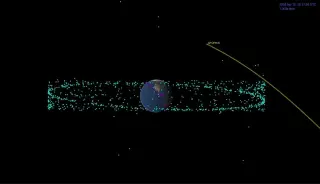
On 13 April 2029, asteroid 99942 Apophis will pass about 32,000 km from Earth—closer than geostationary satellites—offering a rare, world-spanning viewing event, though NASA says there is no impact risk for at least a century. New visibility maps suggest as many as 7.6 billion people could see it with the naked eye during roughly seven hours, depending on darkness and sky conditions. Scientists will study the encounter to learn about asteroid structure and gravity effects, while three spacecraft programs—ESA’s Ramses, JAXA’s DESTINY+, and NASA’s OSIRIS-APEX—will observe Apophis before, during and after the flyby as a planetary-defense rehearsal.
A Nature Astronomy study using more realistic models of water flow in Europa’s icy shell finds that shallow surface pools are unlikely to be direct conduits from the moon’s deep ocean, because turbulent water would rapidly lose heat and clog fractures; thus surface water likely originates from melted crust rather than the deep ocean, and future missions should determine its origin rather than assume a connection to the deep ocean.
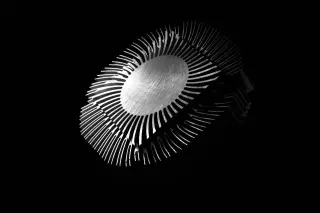
Italian and German researchers modeled a ~1.17 m × 1.14 m square array of 1,482 NdFeB magnets (under 300 kg) that, in simulations, deflects about 20% of low-energy solar protons without any power, cooling, or moving parts—hinting that passive magnets could reduce shielding mass. However, such arrays mainly affect low-energy particles, can generate secondary radiation if protons strike the magnets, may demagnetize under radiation, and are ineffective against galactic cosmic rays; they would be one piece of a layered defense alongside mass shielding, storm shelters, and countermeasures. Future work includes more comprehensive Monte Carlo simulations and scaling beyond a 1 m2 prototype.
Some climate models suggest Venus could have harbored liquid water and temperate conditions for up to about two billion years, aided by slow rotation that encouraged cloud cover; later widespread volcanic resurfacing may have vented CO2 and triggered a runaway greenhouse, leaving Venus far hotter than today. The evidence is debated—cloud behavior on a young Venus and the deuterium-to-hydrogen ratio offer clues but no consensus. Next-generation missions (NASA’s DAVINCI and VERITAS, and ESA’s EnVision) aim to study the atmosphere, surface, and history to help settle whether Venus ever had oceans or was always hot.
NASA’s FY2027 budget request would cut overall funding from $24.4B to $18.8B (about 23%), slash the Science Mission Directorate by 46% to $3.89B, while AR TEMIS-focused exploration rises 9% to $8.51B. In a move described as “over 40 low-priority” missions terminated, 53 science missions across heliophysics, Earth science, astrophysics and planetary science are slated for cancellation, including operating assets like Juno, New Horizons, Chandra, Fermi, and SOHO, as well as the Venus portfolio (DAVINCI, VERITAS) and NASA’s EnVision contribution. Fourteen international partnerships could be broken (examples include Rosalind Franklin, LISA, Athena, XRISM, Euclid). Some projects remain funded or preserved (LRO, VIPER, NEO Surveyor, Dragonfly, Roman), and Perseverance’s operations are cut in half while other Mars assets stay. The plan has sparked bipartisan resistance on Capitol Hill, with lawmakers urging continued science funding; the Planetary Society notes the budget document’s line‑item ambiguity complicates comparisons and warns many terminations would be hard to restart if enacted.
The Soviet Venera landers remain on Venus’ surface, enduring 460°C heat, 90-bar pressure and sulfuric acid, and their 1975–1982 photos are the only surface images humanity has taken of a world other than Mars. A 2025 study suggests several probes are still recognisable as machines, turning Venus into a new kind of cultural heritage and fueling renewed interest as future missions (NASA’s DAVINCI, ESA’s EnVision, India’s Shukrayaan-1) may image them from orbit or descent, potentially revealing the sites where they lie.
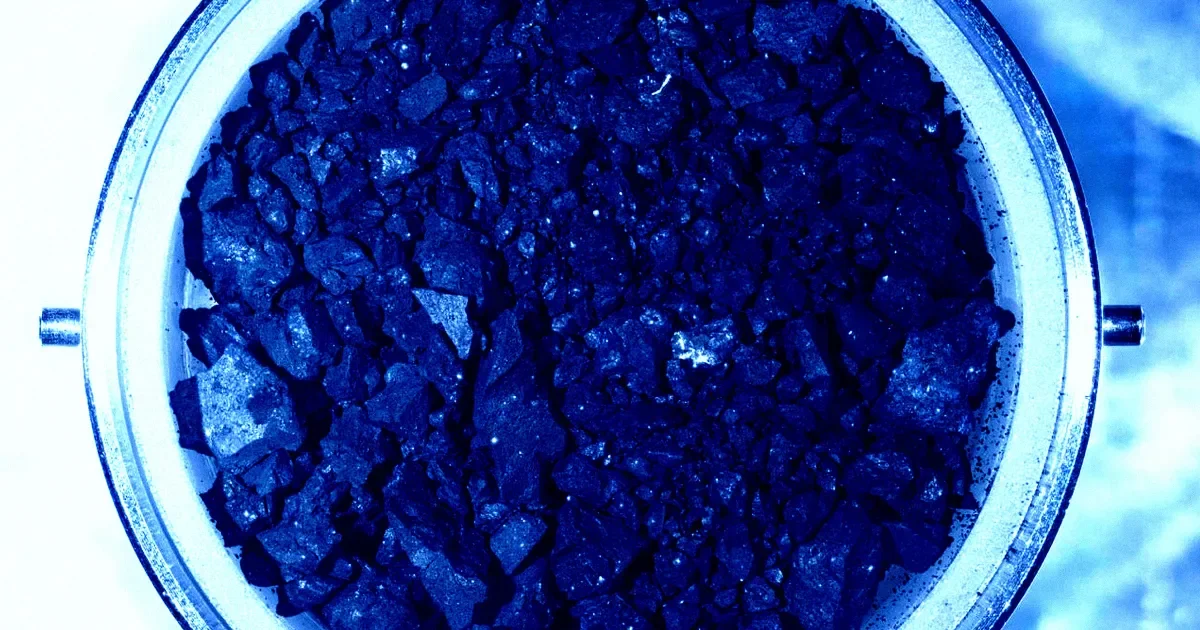
Analysis of Ryugu samples from JAXA’s Hayabusa2 mission finds all five nucleobases—uracil, adenine, guanine, cytosine, and thymine—the DNA/RNA building blocks, suggesting primitive asteroids can form and preserve prebiotic molecules and potentially deliver them to Earth, though this does not imply life existed on Ryugu; similar organics were found in Bennu samples, underscoring the ubiquity of these building blocks in the solar system.
A computational study shows Venus’ winds help moderate its extreme day–night temperatures, with highland regions staying nearly constant while lowlands swing by several kelvin; the research also notes frequent dust storms that could affect landers, arguing for a regional approach to mission planning and landing-site selection (e.g., DaVINCI and EnVision).
A curated look at ten odd observations reported by astronauts—from glowing objects and mysterious noises to light flashes and drifting debris—many later explained as mundane phenomena (reflections, radio interference, debris) rather than extraterrestrial activity, highlighting how space’s alien environment can confuse even seasoned observers.
Congress blocked the Trump administration's proposed NASA cuts, approving roughly $27.5 billion for 2026—preserving most science programs including JWST and the Habitable Worlds Observatory—while Mars Sample Return is deferred; the funding, encoded to prevent impoundment, comes after prior OMB delays and layoffs that reduced NASA's workforce and facilities.
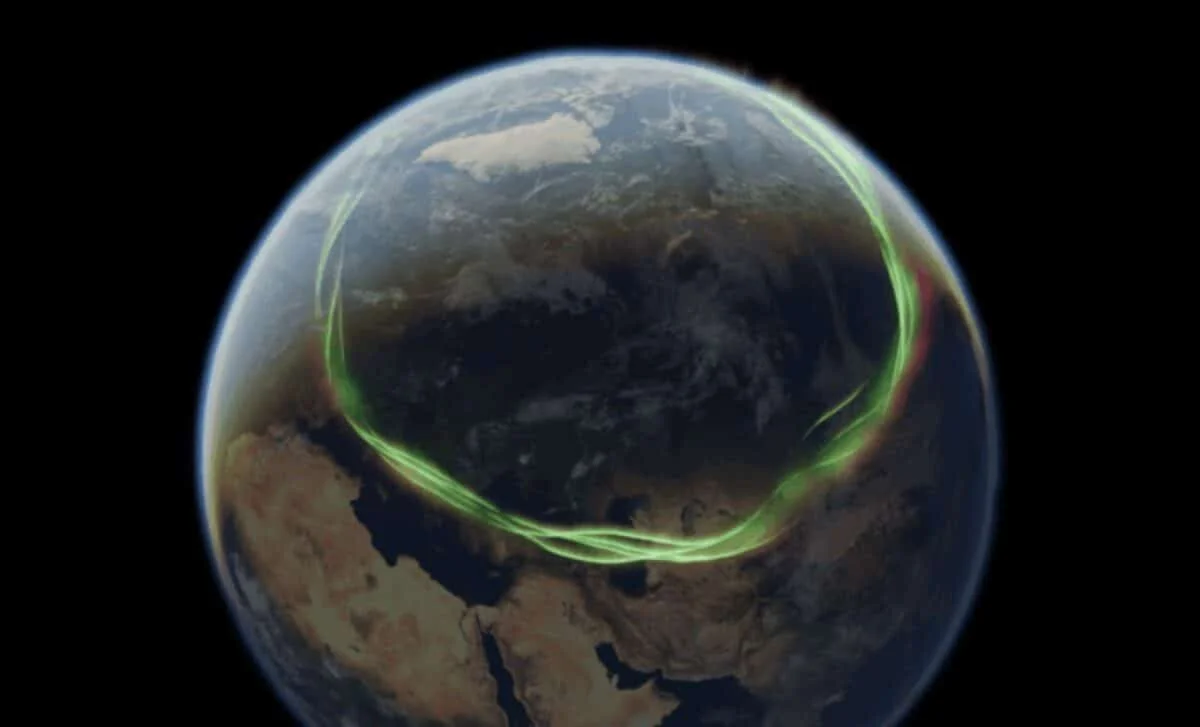
Researchers converted ESA Swarm satellite data and geological records into sound to recreate the Laschamps geomagnetic reversal (~41,000 years ago), when Earth's magnetic field weakened to about 5% of its current strength, potentially increasing cosmic radiation and affecting climate and early human life; the eerie audio illustrates chaotic magnetic shifts and underscores current concerns about weakening regions like the South Atlantic Anomaly.
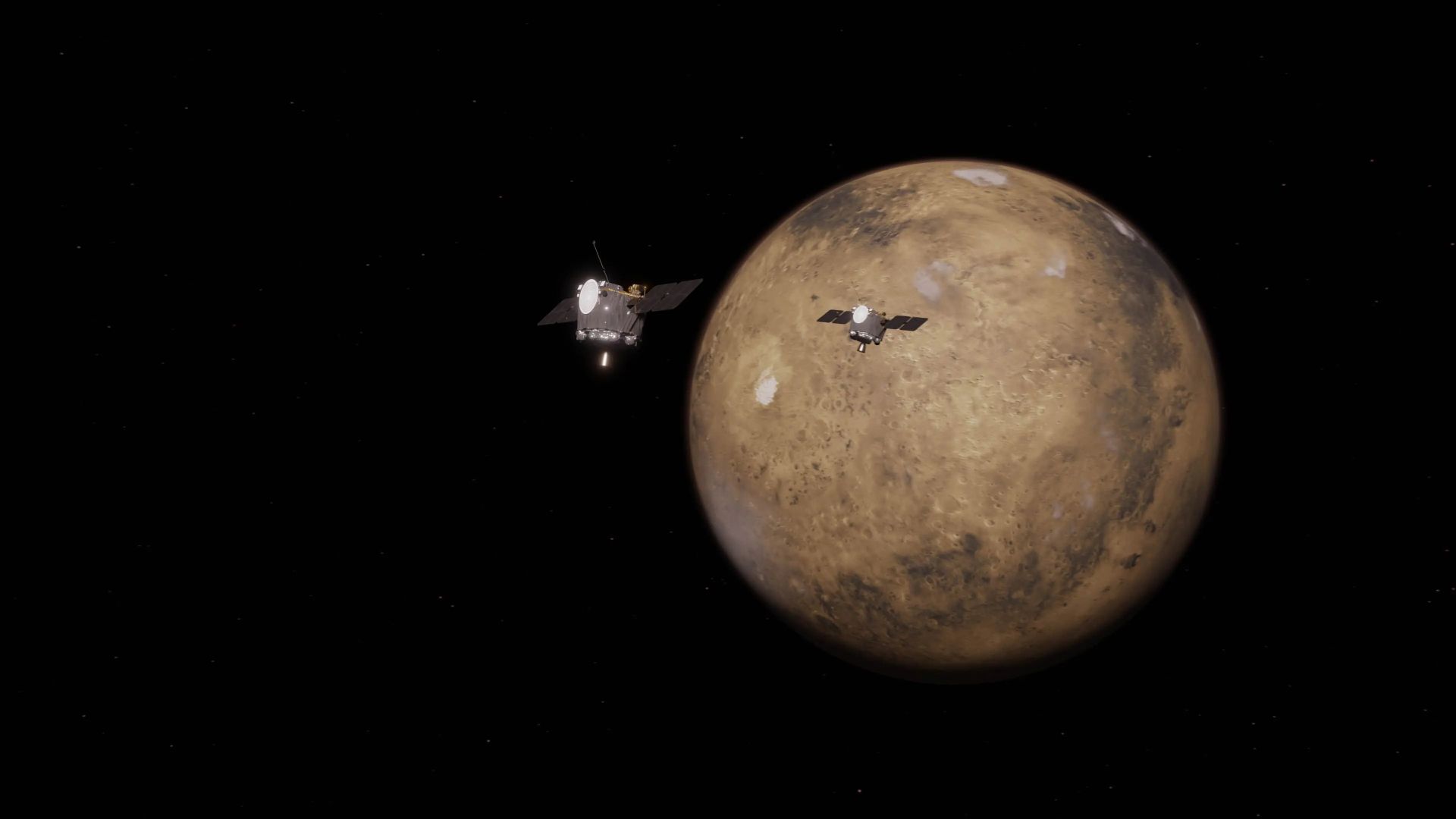
NASA's low-cost ESCAPADE mission, launched in 2025, aims to study Mars' magnetic field and solar wind interactions, demonstrating a risk-tolerant, commercial-partner approach to planetary science that could expand the scope of future space exploration despite its higher failure risk and modest scientific scope.
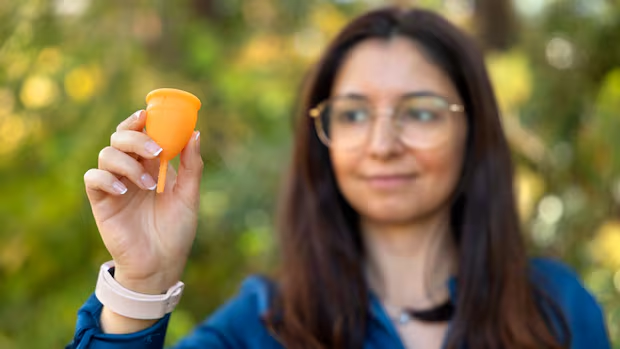
New research explores the use of menstrual cups for astronauts, offering a sustainable and lightweight alternative to traditional menstrual management methods during long space missions, with successful tests conducted in space-like conditions and plans for further space testing.