Tag

Flatworms

All articles tagged with #flatworms

Overfed Tiny Flatworms Grow Chains of Cloned Heads
science11 days ago

Overfed Tiny Flatworms Grow Chains of Cloned Heads

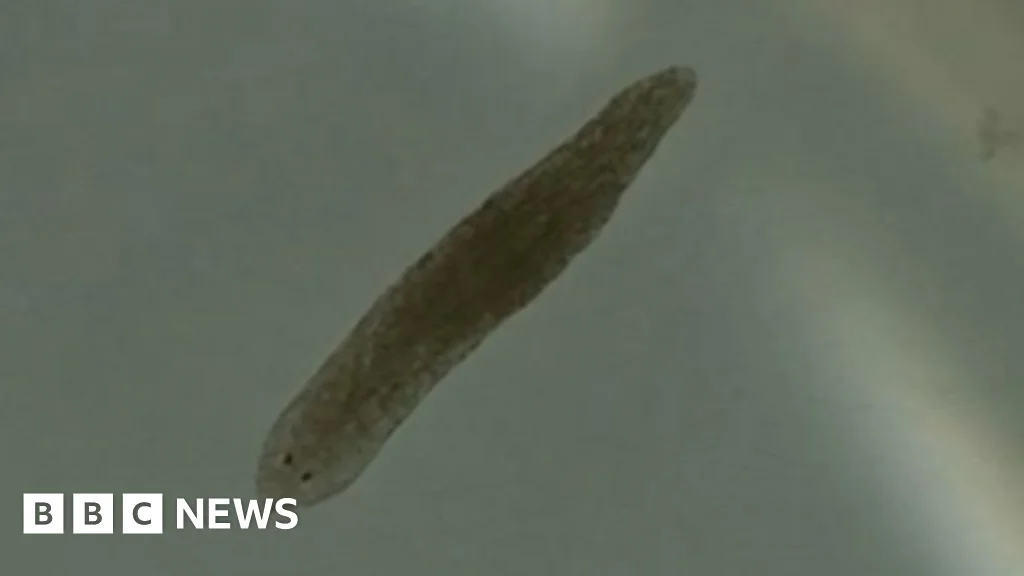
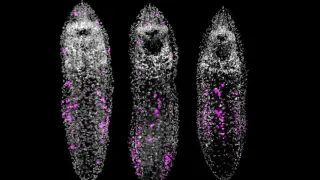
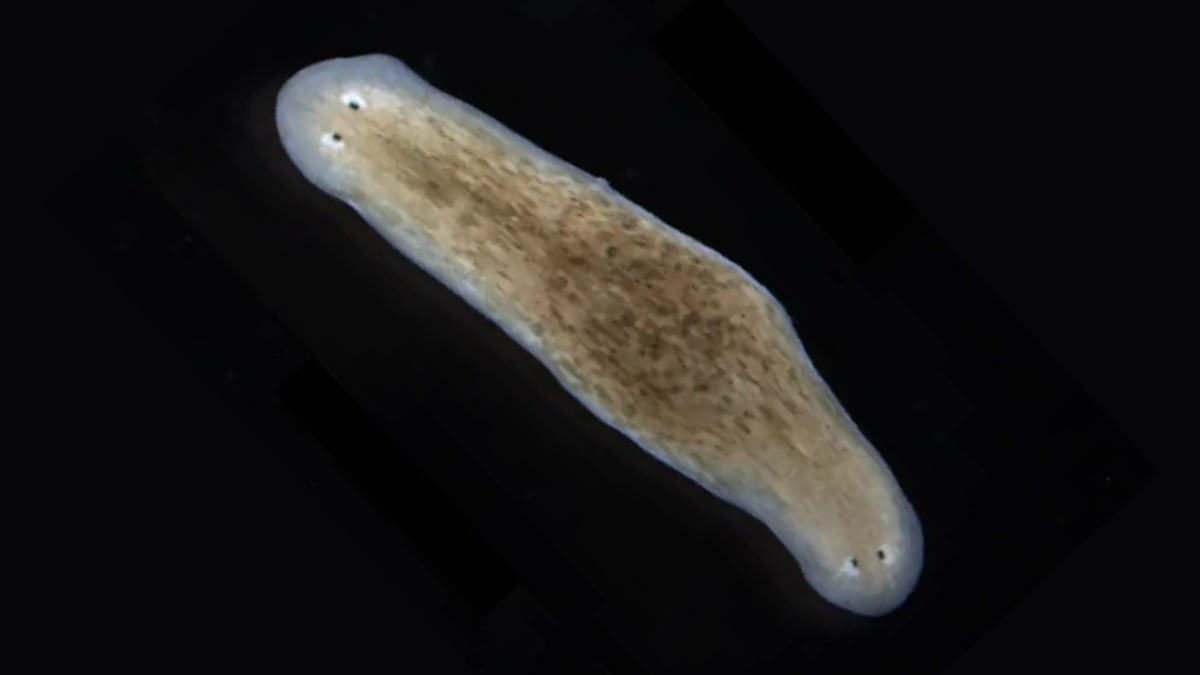
University of Warsaw researchers showed that feeding abundant prey to four freshwater Stenostomum flatworm species triggers paratomy: developing heads form before earlier clones detach, producing temporary chains of 4–5 zooids connected head-to-tail (paracolonies). The effect, driven by overlapping reproductive cycles, becomes more pronounced with more food. Chains are not permanent and worms separate as heads finish developing; the study is a bioRxiv preprint (not peer-reviewed). While some related flatworms form permanent chains, evidence for a clear advantage or shared digestion in these chains is limited, and ecological implications remain unclear. Experimental results suggest the phenomenon is reproducible and strongly influenced by nutrition.
"Discovery: Unveiling the Enigma of Deep-Sea Jet Black Eggs"
science-and-nature2 years ago

"Discovery: Unveiling the Enigma of Deep-Sea Jet Black Eggs"

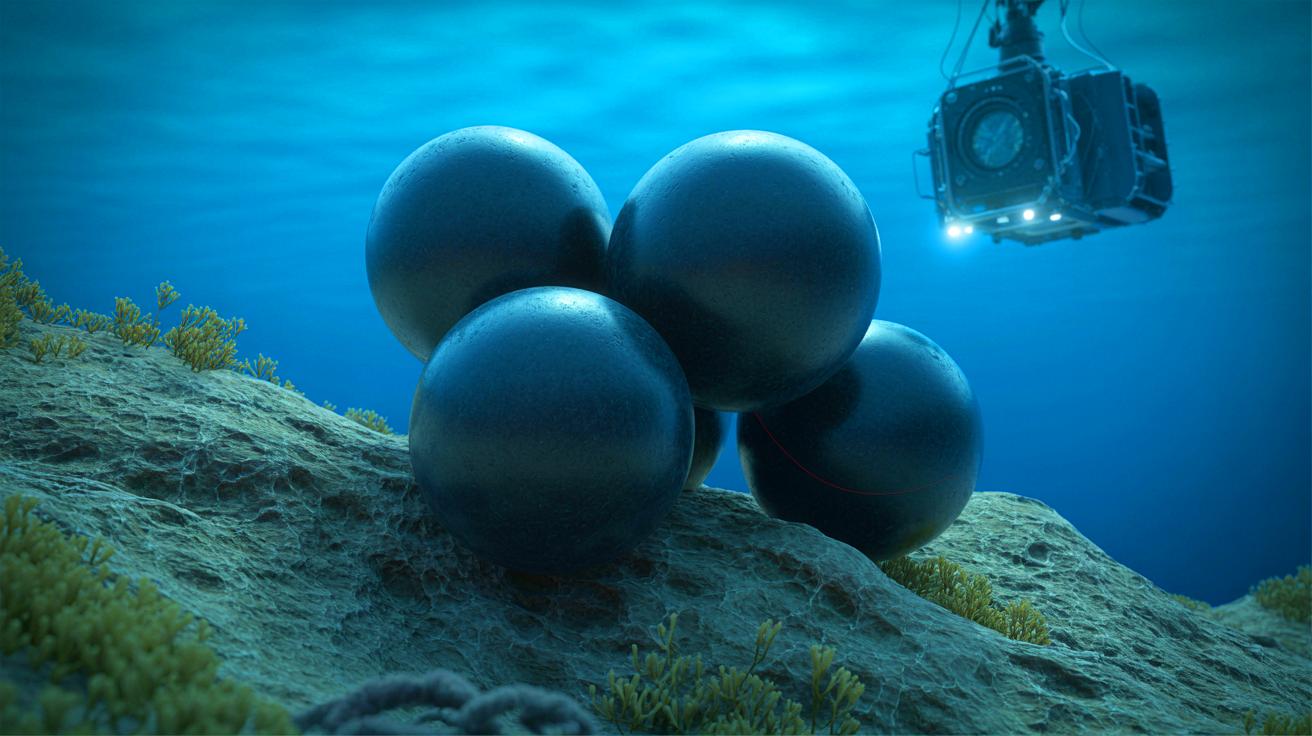
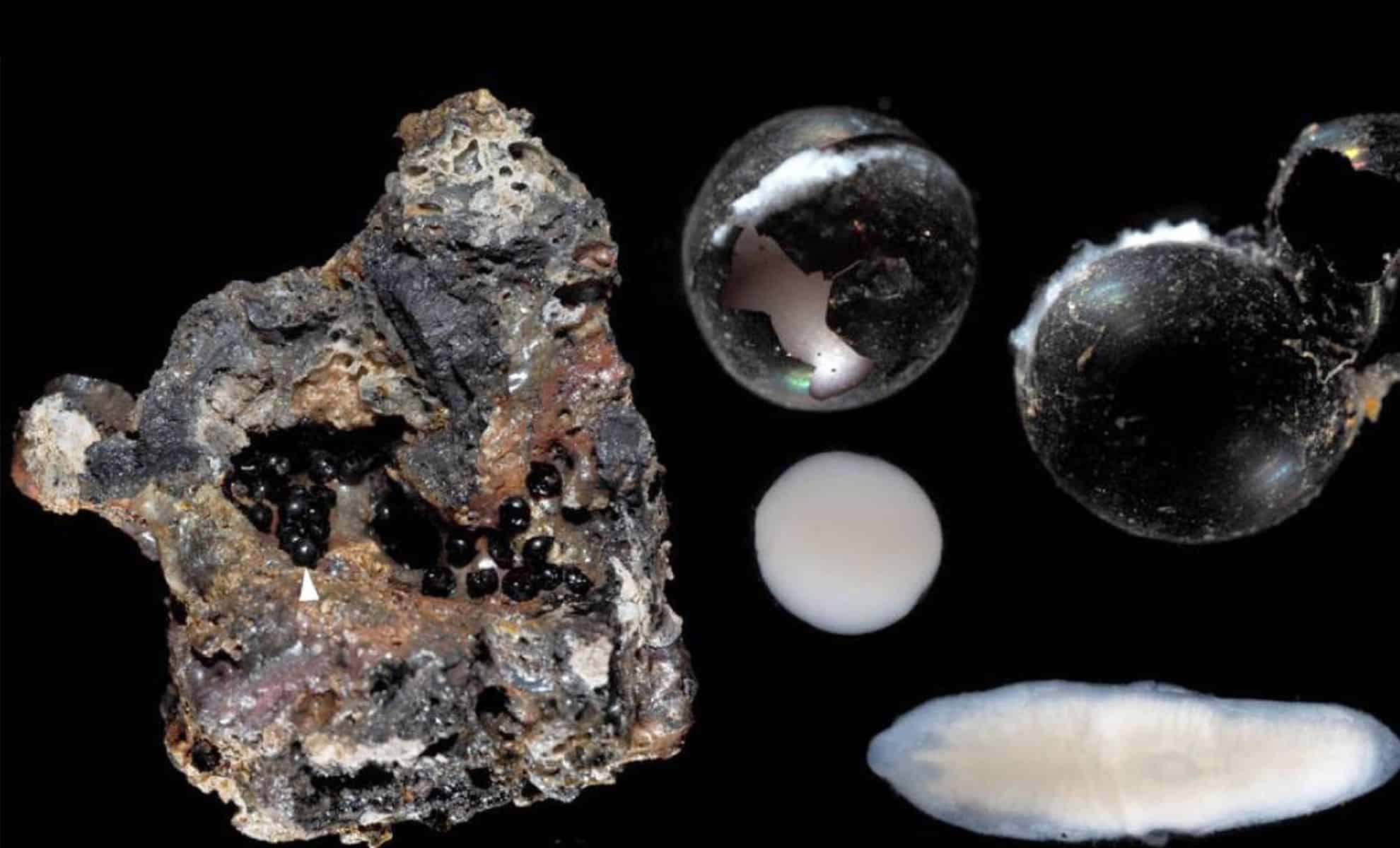
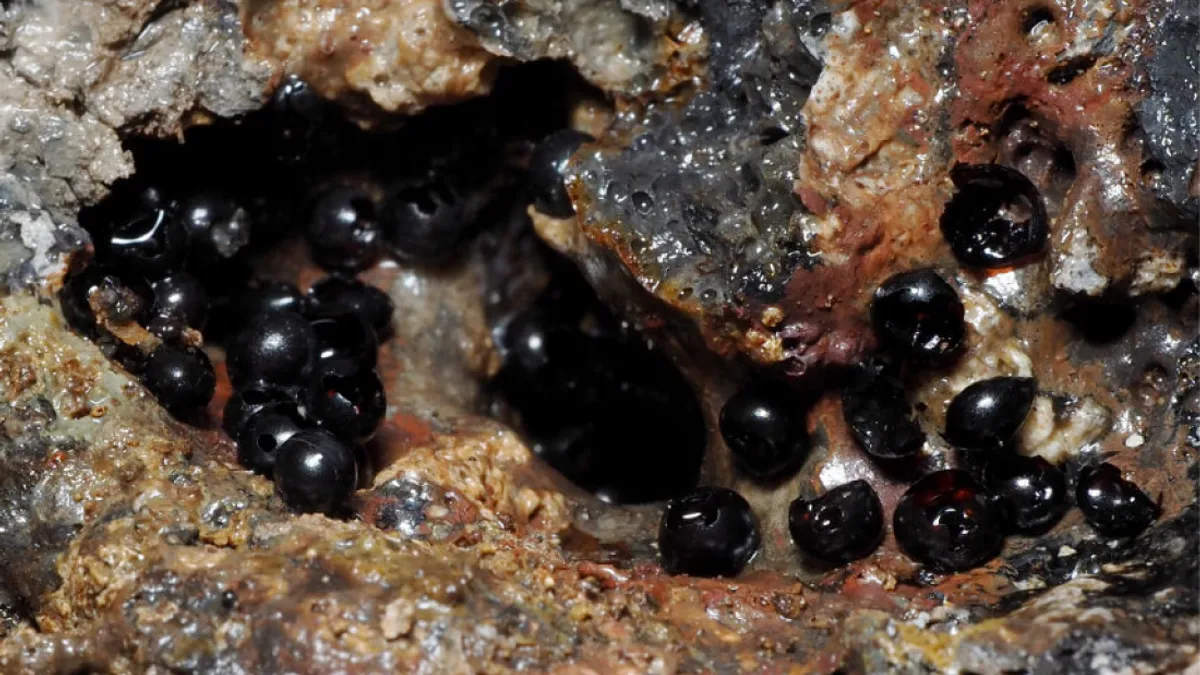
Researchers in Japan discovered mysterious black eggs, believed to be laid by flatworms, in the depths of the Kuril-Kumchatka Trench in the northwest Pacific Ocean, exceeding 20,000 feet. DNA analysis revealed flatworm embryos inside the eggs, challenging previous depth limits for the species. This discovery highlights the vast unknowns of ocean depths and the potential for countless undiscovered species.

"Discovery of Jet Black Deep Ocean Eggs"
science2 years ago

"Discovery of Jet Black Deep Ocean Eggs"

Researchers in Japan have discovered jet black egg capsules belonging to flatworms at a depth of 20,000 feet in the Kuril-Kumchatka Trench, marking the first clear evidence of these creatures living at such extreme depths. The eggs, found attached to rock fragments, contained embryos at varying stages of development and were virtually indistinguishable from their surface-dwelling counterparts. This suggests that flatworms from shallow waters may have gradually colonized deep ocean environments over time.