Tag

Gaia Telescope

All articles tagged with #gaia telescope

3D Maps Reveal Interstellar Space Is Dynamic, Not Static
astronomy28 days ago

3D Maps Reveal Interstellar Space Is Dynamic, Not Static

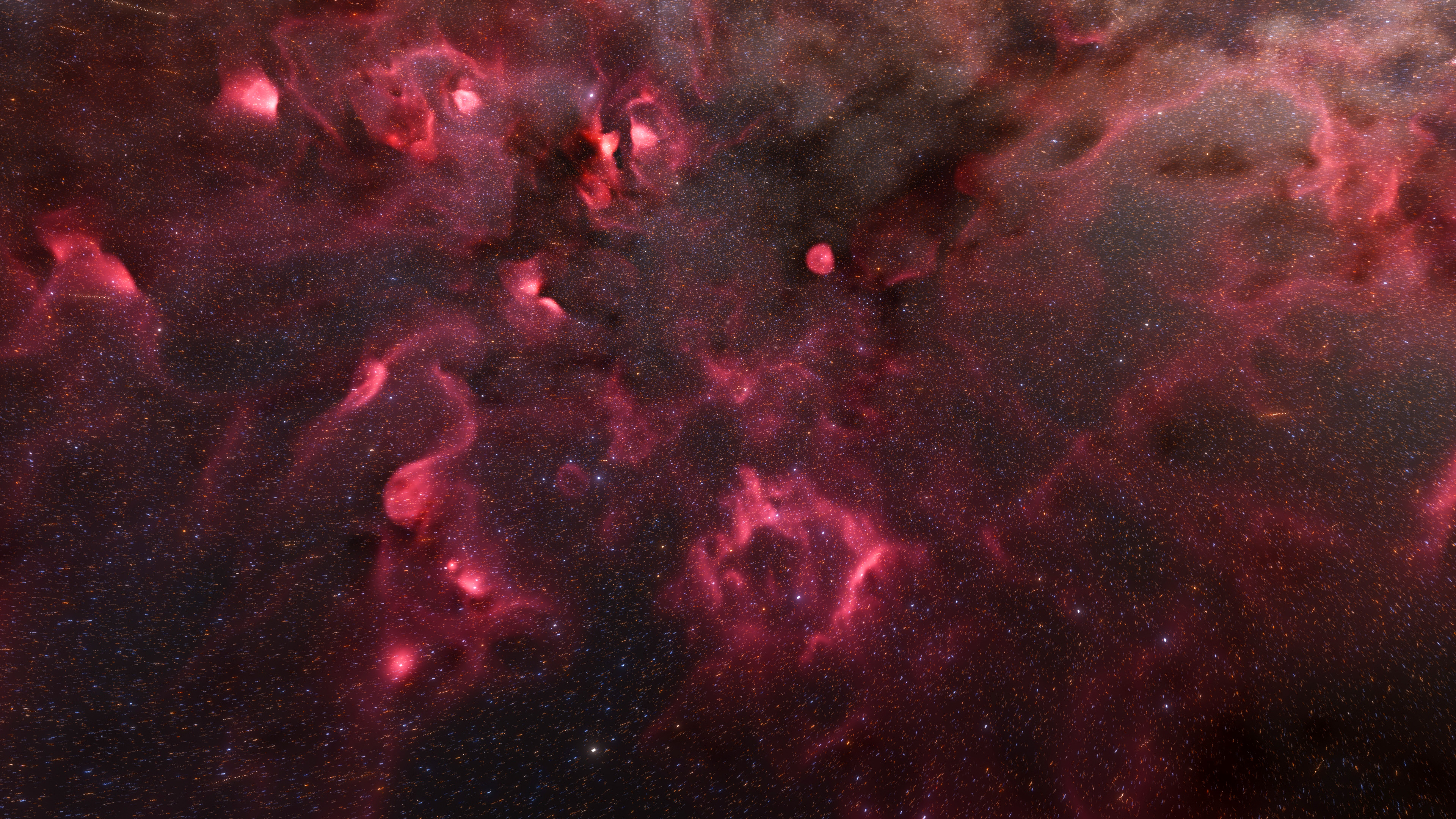
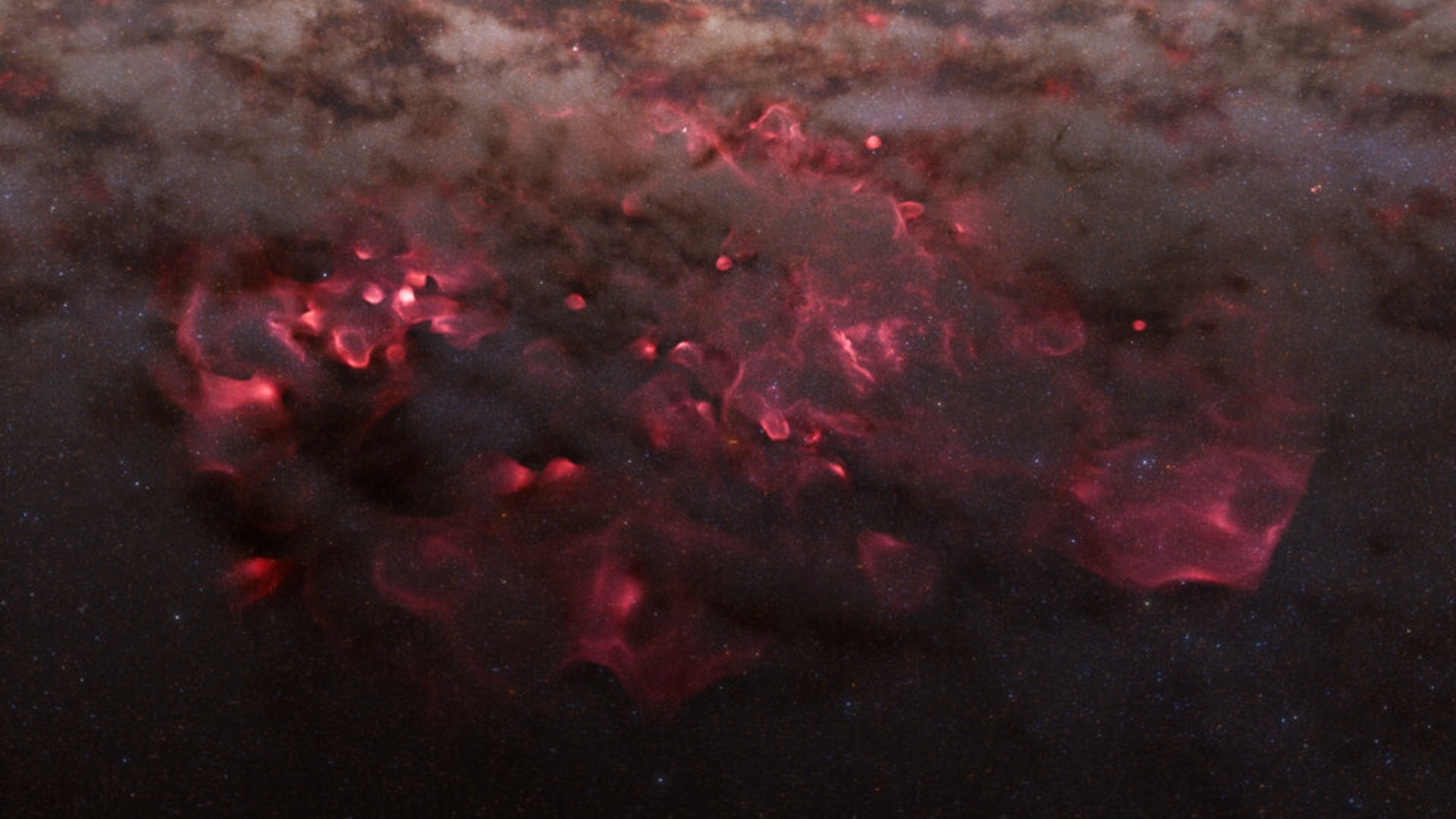
New three-dimensional maps of the interstellar medium (ISM) reveal that the space between stars is not a static backdrop but a dynamic, unstable environment. By combining data from the Gaia telescope and ultraviolet radiation surveys, researchers found that 41% of the local ISM exists in an unstable state, contradicting decades-old models that predicted only stable hot or cold phases. This discovery suggests that constant heating and cooling cycles suppress star formation, explaining why galaxies are inefficient at converting gas into stars.
Milky Way's Ancient Meal: Loki's Remains Hint at a Dwarf Galaxy It Devoured
science6 months ago

Milky Way's Ancient Meal: Loki's Remains Hint at a Dwarf Galaxy It Devoured

Astronomers using Gaia data have identified 20 metal-poor stars near the Milky Way's disk whose shared chemistry and orbital patterns suggest they originated in a now-destroyed dwarf galaxy nicknamed Loki. If confirmed, Loki would be a major building block in the Milky Way's history, accreted about 10 billion years ago, with both prograde and retrograde orbits indicating a complex merger that could revise our picture of the Galaxy’s growth alongside events like Gaia-Sausage-Enceladus.

Galactic road trip of sun-like stars may explain Earth's life-friendly place
science8 months ago

Galactic road trip of sun-like stars may explain Earth's life-friendly place

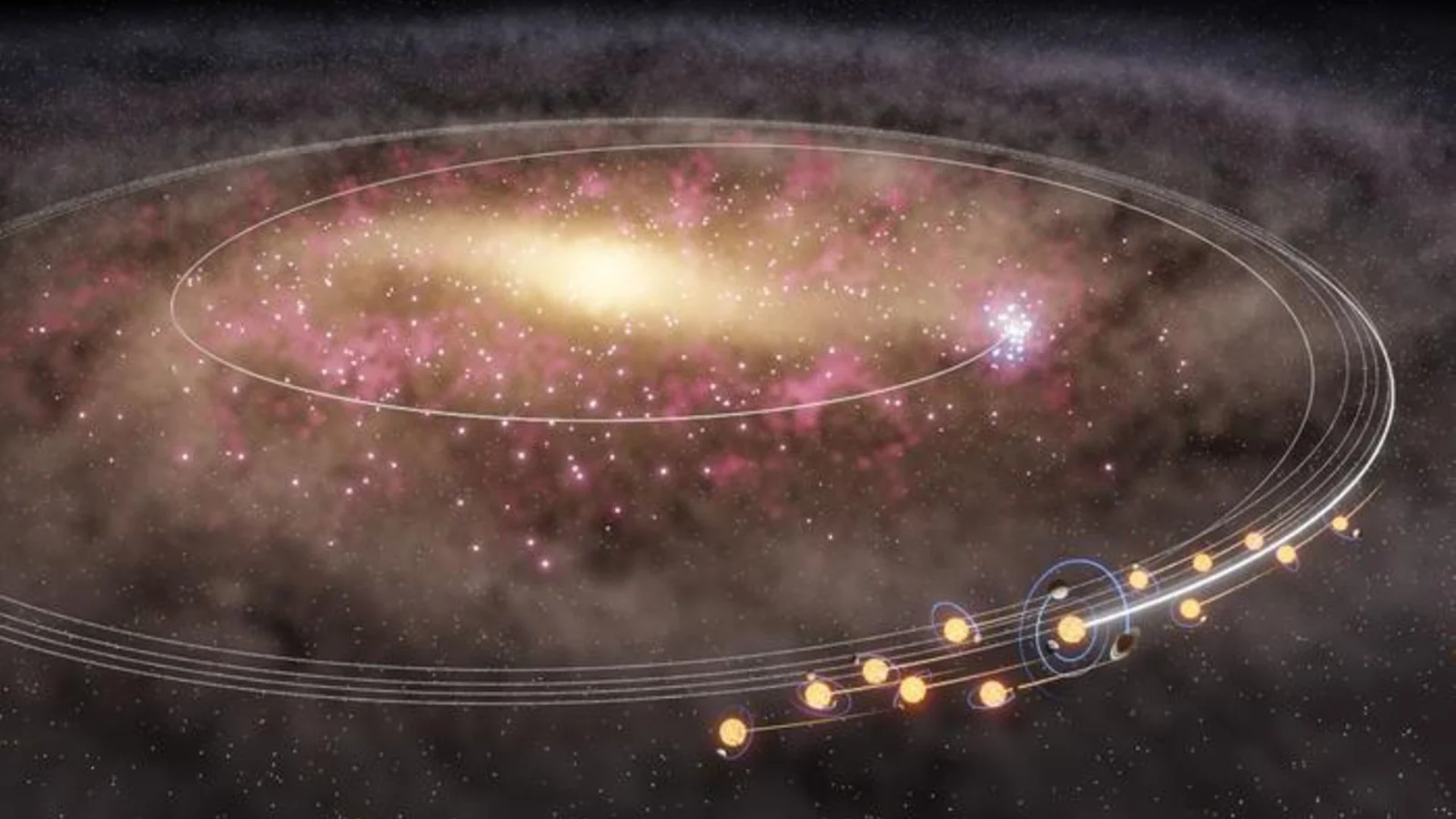
A Gaia-based study identified about 6,600 Sun-like stars with similar ages and compositions that likely migrated outward from the Milky Way’s crowded center during the formation of the galaxy’s central bar 4–6 billion years ago, suggesting the Sun itself may have moved into a quieter outer disk and offering a possible explanation for Earth’s habitable environment.

Scientists Measure Mass of Rogue Saturn-Size Planet Drifting in Space
science10 months ago

Scientists Measure Mass of Rogue Saturn-Size Planet Drifting in Space

Astronomers have directly measured the mass of a Saturn-sized rogue planet drifting in space using gravitational microlensing, marking a significant advancement in studying free-floating planets that do not orbit stars. This breakthrough was achieved through a rare cosmic alignment observed from Earth and the Gaia space telescope, demonstrating a new method to analyze these elusive celestial bodies.

Scientists record universe's most powerful explosions since the Big Bang
science1 year ago

Scientists record universe's most powerful explosions since the Big Bang

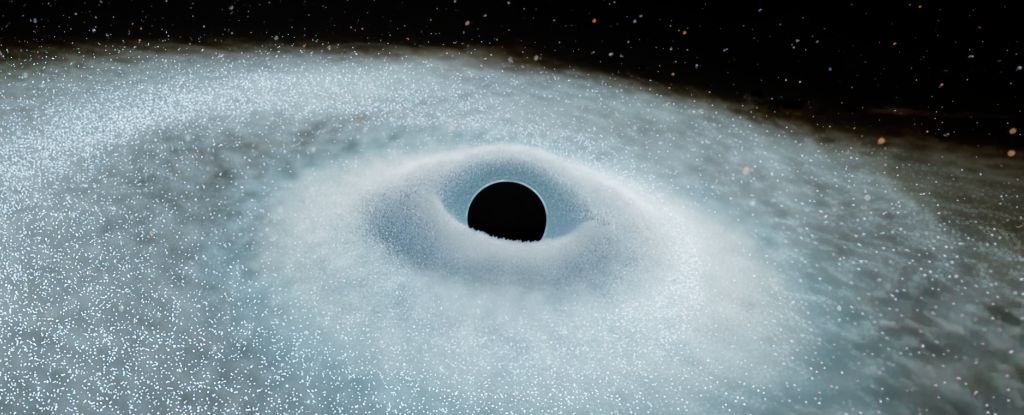
Scientists have discovered the most intense cosmic explosions, called extreme nuclear transients (ENTs), which are significantly brighter and longer-lasting than typical supernovae, occurring when massive stars are torn apart by supermassive black holes. These events, observed via the Gaia telescope, offer new insights into black hole growth and the universe's history, and future telescopes are expected to find more of them.

3D Insights into Globular Cluster Formation and Evolution
science2 years ago

3D Insights into Globular Cluster Formation and Evolution

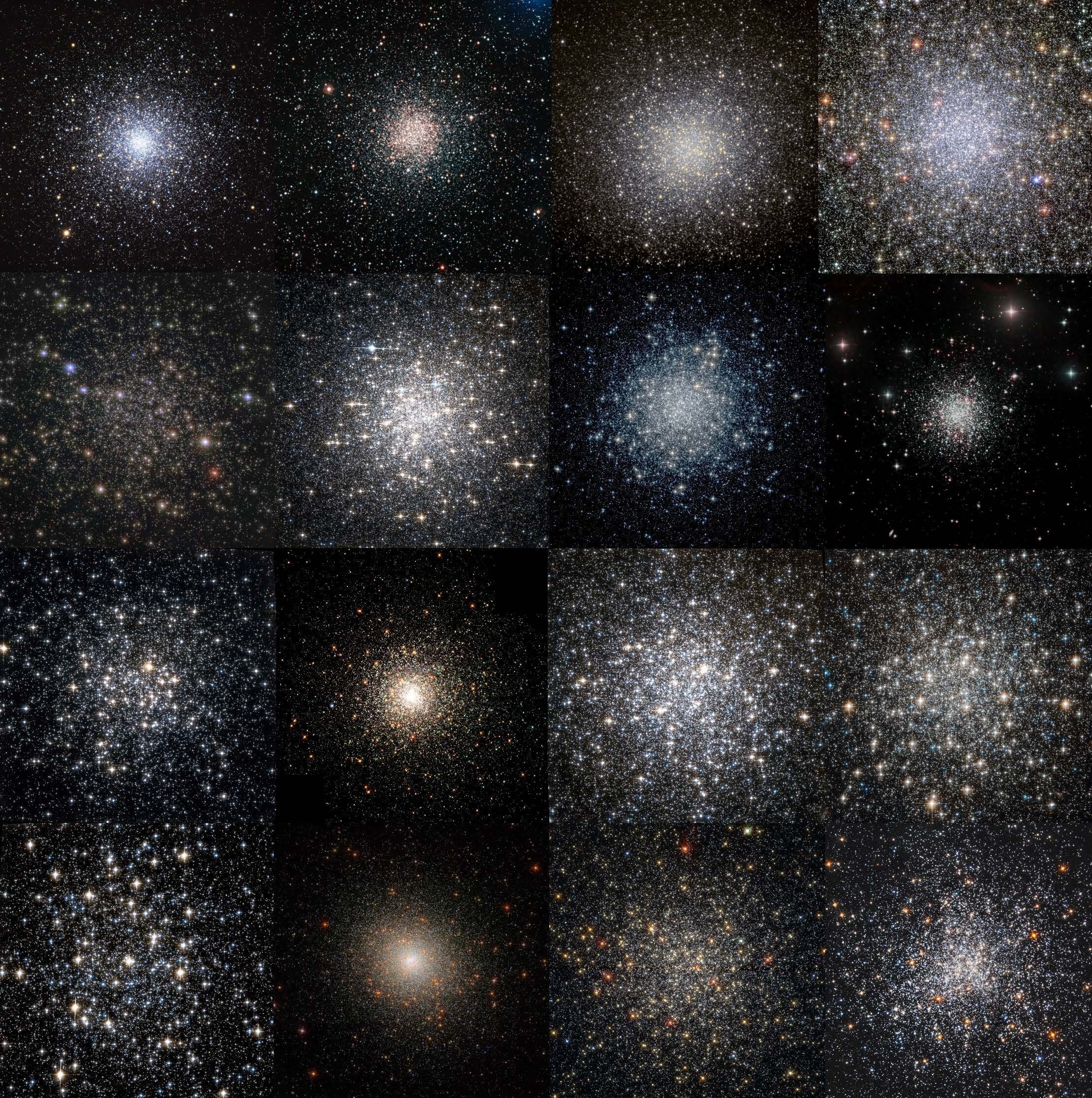
A groundbreaking study published in Astronomy & Astrophysics provides the first 3D kinematic analysis of multiple stellar populations in 16 globular clusters, revealing key insights into their formation and evolution. Conducted by researchers from INAF, the University of Bologna, and Indiana University, the study shows that globular clusters formed through multiple star formation events, with stars exhibiting distinct kinematic properties based on their chemical composition. This research, utilizing data from the ESA Gaia telescope and ESO VLT, offers a new framework for understanding these ancient cosmic structures.