Tag

Milky Way Center

All articles tagged with #milky way center

Water and Dust Survive Near the Milky Way's Supermassive Black Hole, JWST Finds
science8 days ago

Water and Dust Survive Near the Milky Way's Supermassive Black Hole, JWST Finds

JWST’s mid-infrared study of the inner parsec around the Milky Way’s Sagittarius A* detects water and dust being expelled by the dying AGB star IRS 3, showing that star-produced material can endure in the harsh galactic-center environment. Models suggest IRS 3 formed farther out and migrated inward, continuing to enrich its surroundings with a bright, long-lived stellar wind; the work demonstrates that molecular material can survive near a supermassive black hole and was published in Astronomy & Astrophysics.
Milky Way’s Core Revealed by Euclid, Hinting at a Galaxy Teeming with Exoplanets
science1 month ago

Milky Way’s Core Revealed by Euclid, Hinting at a Galaxy Teeming with Exoplanets

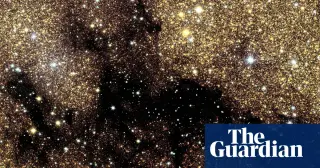
The European Space Agency’s Euclid telescope captured nine visible-light images of the Milky Way’s center over 26 hours, revealing about 60 million stars in a patch the size of a full Moon; although built to study dark matter and dark energy, its microlensing observations could map tens of thousands to hundreds of thousands of exoplanets across the galaxy, signaling a new era of exoplanet discovery alongside other space telescopes.

Milky Way Radio Enigma Sparks Talk of a New Class of Objects
science1 month ago

Milky Way Radio Enigma Sparks Talk of a New Class of Objects

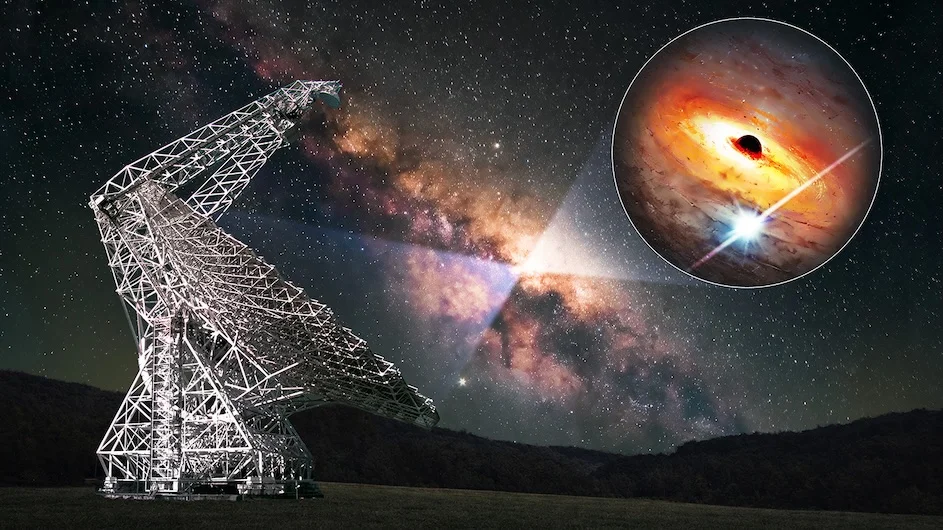
A six-appearance, highly polarised radio transient near the Galactic Centre (ASKAP J173608.2−321635) has baffled researchers because it produced no X-ray or infrared counterparts; while not yet proven to be a new object class, it highlights the potential for unseen astrophysical phenomena revealed by wide-field radio surveys and the need for simultaneous multiwavelength follow-up.

Euclid reveals 60 million stars in unprecedented Milky Way center view
space2 months ago

Euclid reveals 60 million stars in unprecedented Milky Way center view

ESA’s Euclid telescope produced a 26‑hour mosaic of the Milky Way’s bulge, unveiling more than 60 million stars in the central region and enabling precise stellar motions to improve exoplanet detection via microlensing; the work complements NASA’s upcoming Roman telescope, which is expected to find about 1,500 microlensing planets and could push the galactic exoplanet count beyond 100,000.

Milky Way’s ancient core revealed: Terzan 5 as a bulge fossil fragment
space2 months ago

Milky Way’s ancient core revealed: Terzan 5 as a bulge fossil fragment

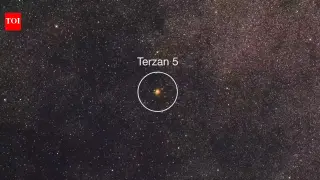
NASA’s JWST and Hubble visualisation traces Terzan 5, a dense stellar system in the Milky Way’s bulge about 22,000 light-years away in Sagittarius. Once thought a simple globular cluster, Terzan 5 is now seen as a bulge fossil fragment hosting four star generations, with some stars dating back ~12.5 billion years, and a mass of about two million solar masses. Its survival offers clues to the early Milky Way’s formation as the bulge assembled.

Ancient supernova debris spotted near the Milky Way’s black hole
space2 months ago

Ancient supernova debris spotted near the Milky Way’s black hole

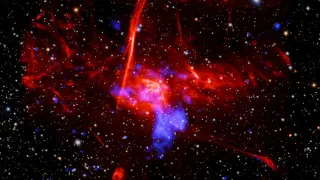
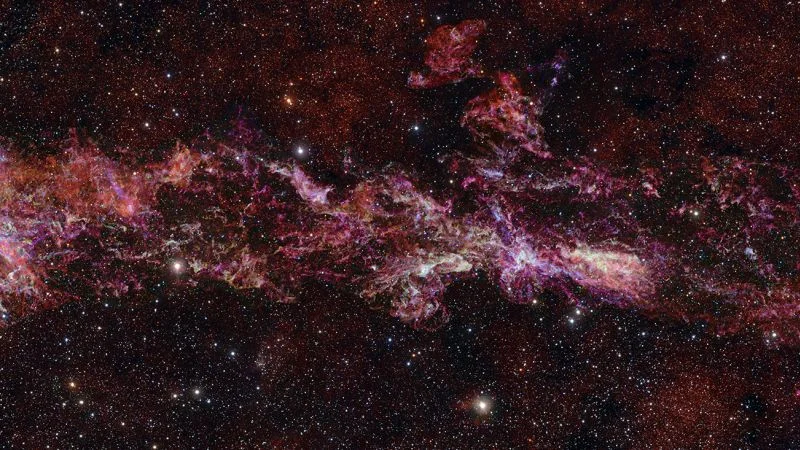
NASA’s Chandra X-ray Observatory, with help from XMM-Newton, detected a bright X-ray blob near the Milky Way’s center—likely the wreckage of a supernova that exploded about 1,700 years ago and is the closest such debris to Sagittarius A*. The debris lies in a bubble of ionized gas dubbed Sagittarius C and is seen moving at roughly 2 million mph. While an SN origin is favored, some uncertainty remains whether the emission could be from gas heated by nearby massive stars. The study, published in The Astrophysical Journal, highlights how such debris contributes to chemical enrichment and the birth of future stars and planets.

Galactic road trip of sun-like stars may explain Earth's life-friendly place
science5 months ago

Galactic road trip of sun-like stars may explain Earth's life-friendly place

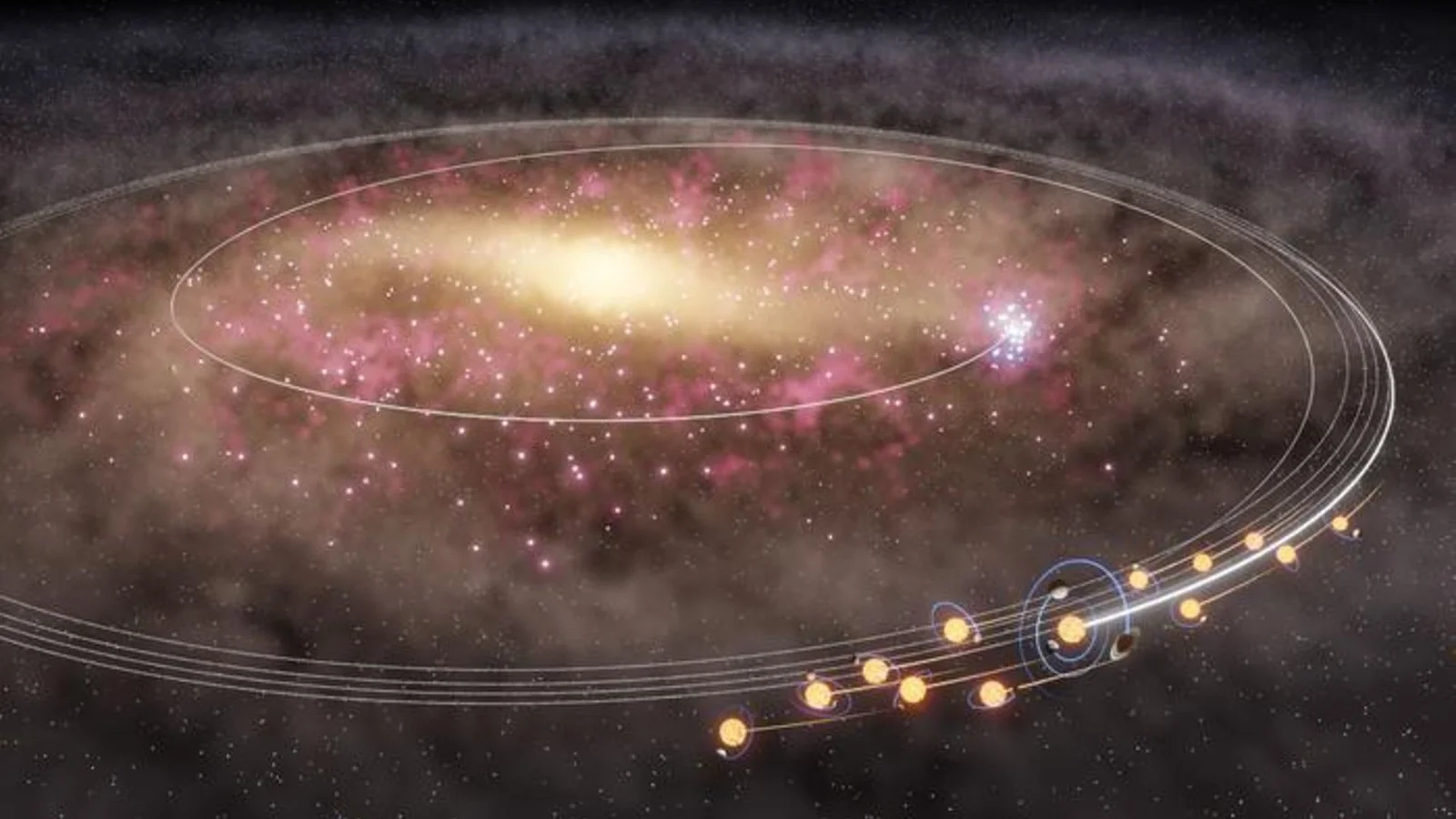
A Gaia-based study identified about 6,600 Sun-like stars with similar ages and compositions that likely migrated outward from the Milky Way’s crowded center during the formation of the galaxy’s central bar 4–6 billion years ago, suggesting the Sun itself may have moved into a quieter outer disk and offering a possible explanation for Earth’s habitable environment.

Milky Way’s heart mapped: ALMA reveals a 3D gas map of star birth
space5 months ago

Milky Way’s heart mapped: ALMA reveals a 3D gas map of star birth

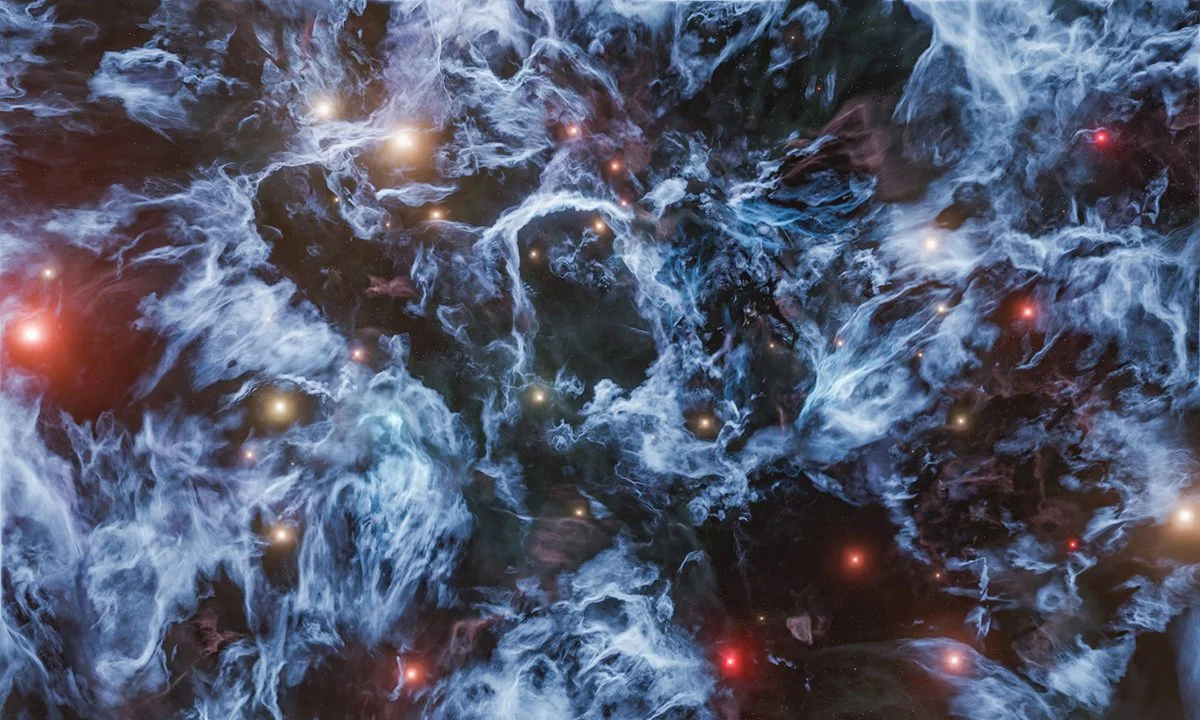
Scientists using the ALMA telescope captured the most detailed map yet of the Milky Way’s center, charting the cold molecular gas in the Central Molecular Zone and its motions with spectroscopy. The four-year ACES survey reveals where gas is shredding into stars and planets, offering insights into the solar system’s origins and serving as a window into conditions similar to the early universe, all produced by a large international collaboration and mapping more than 70 molecular lines.