Tag

Cosmic Explosions

All articles tagged with #cosmic explosions

GRB 220706A Shatters Records with 27-Day X-Ray Flare, Baffling Astrophysicists
space28 days ago

GRB 220706A Shatters Records with 27-Day X-Ray Flare, Baffling Astrophysicists

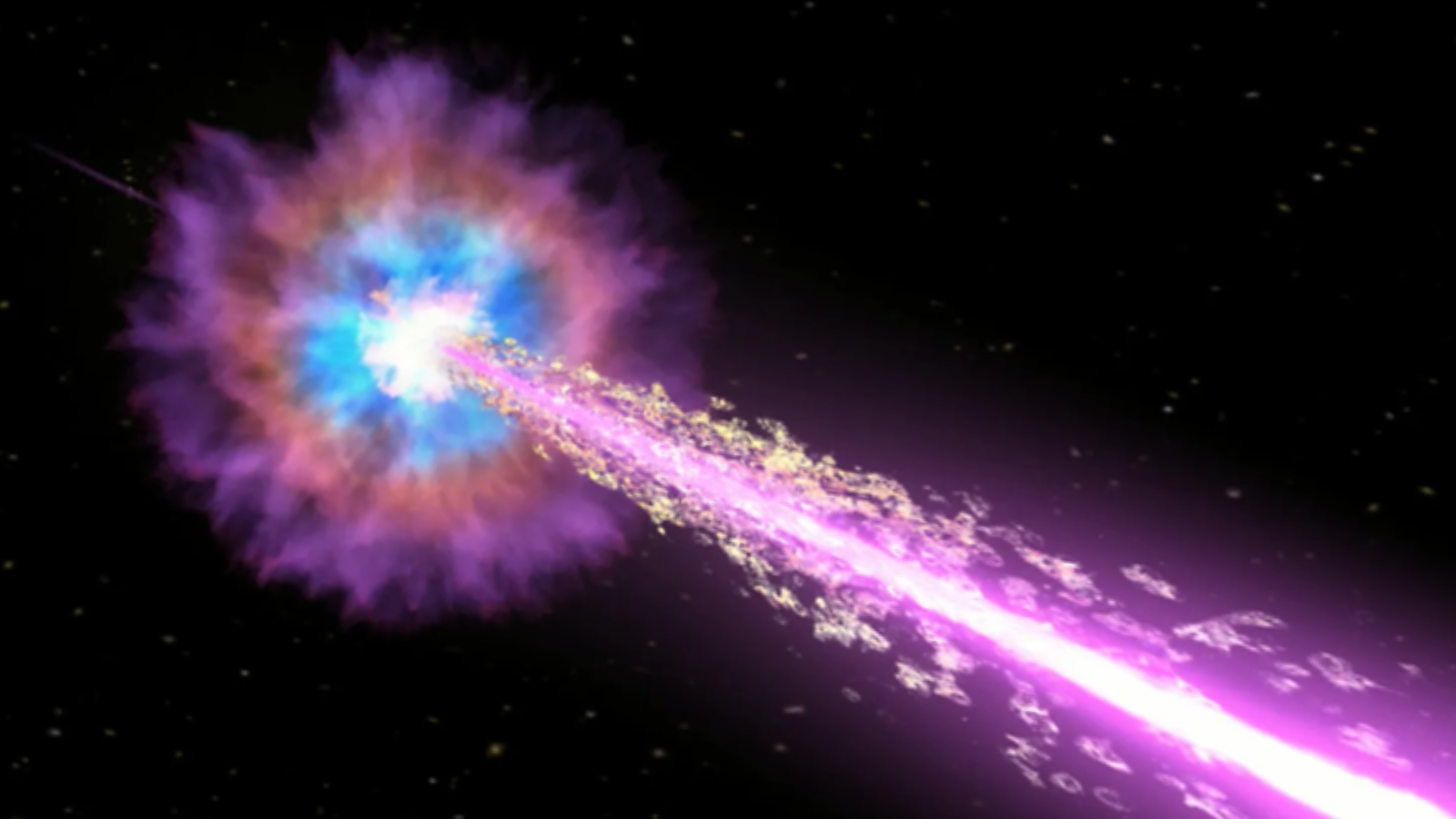
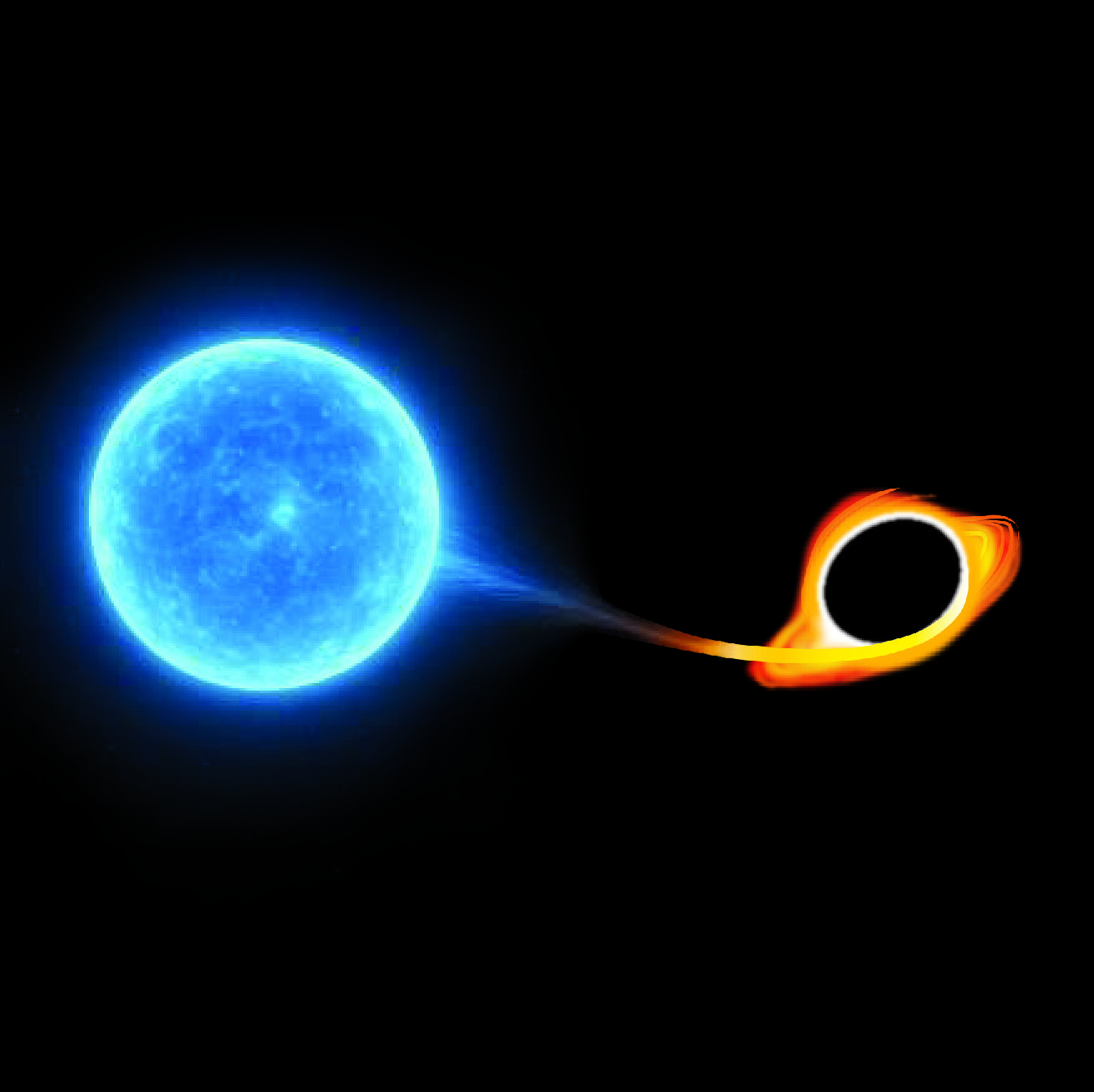
Astronomers have identified GRB 220706A, a gamma-ray burst detected on July 6, 2022, as the longest-lasting cosmic explosion of its kind. The event’s central engine remained active for approximately 27 days in its rest frame, emitting X-rays far longer than the previous record of six days. While the burst is associated with a supernova, the extended duration and brightness defy standard models of stellar collapse. Researchers are investigating whether a magnetar or an unusually massive blue supergiant star powered the event, though the central engine remains unidentified. The study, currently on arXiv, highlights the need for new X-ray sensitive satellites to detect similar ultra-long bursts that current low-Earth orbit instruments often miss.
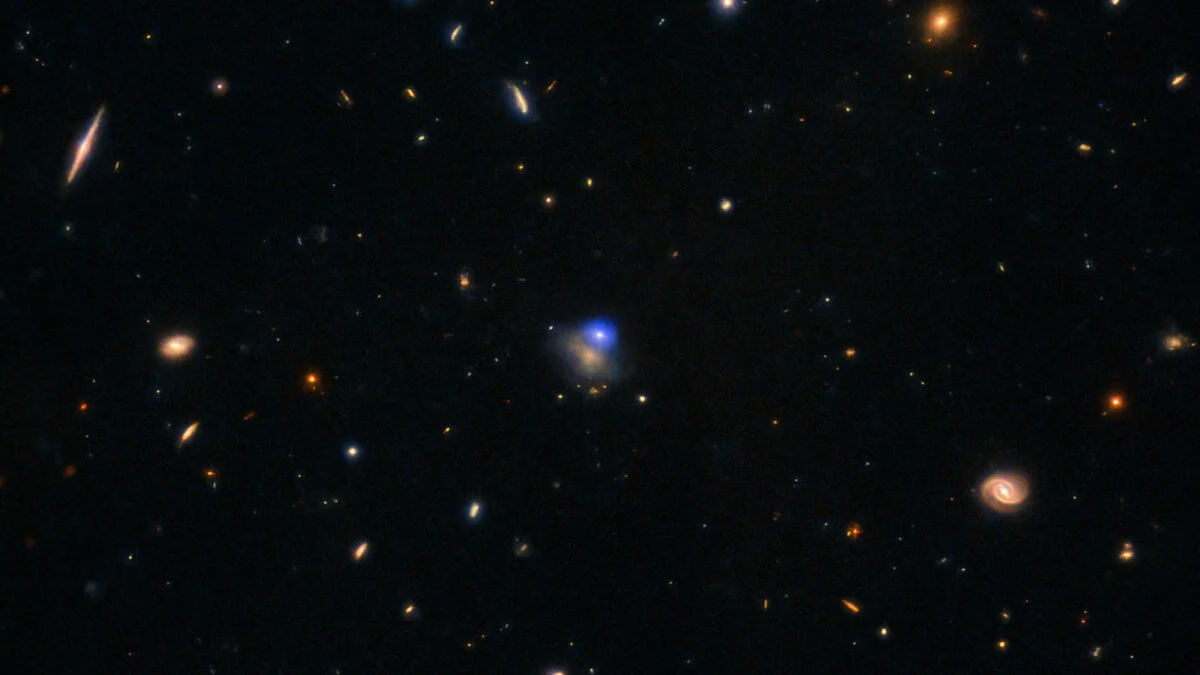

Scientists observe universe's largest explosions since the Big Bang
science1 year ago

Scientists observe universe's largest explosions since the Big Bang

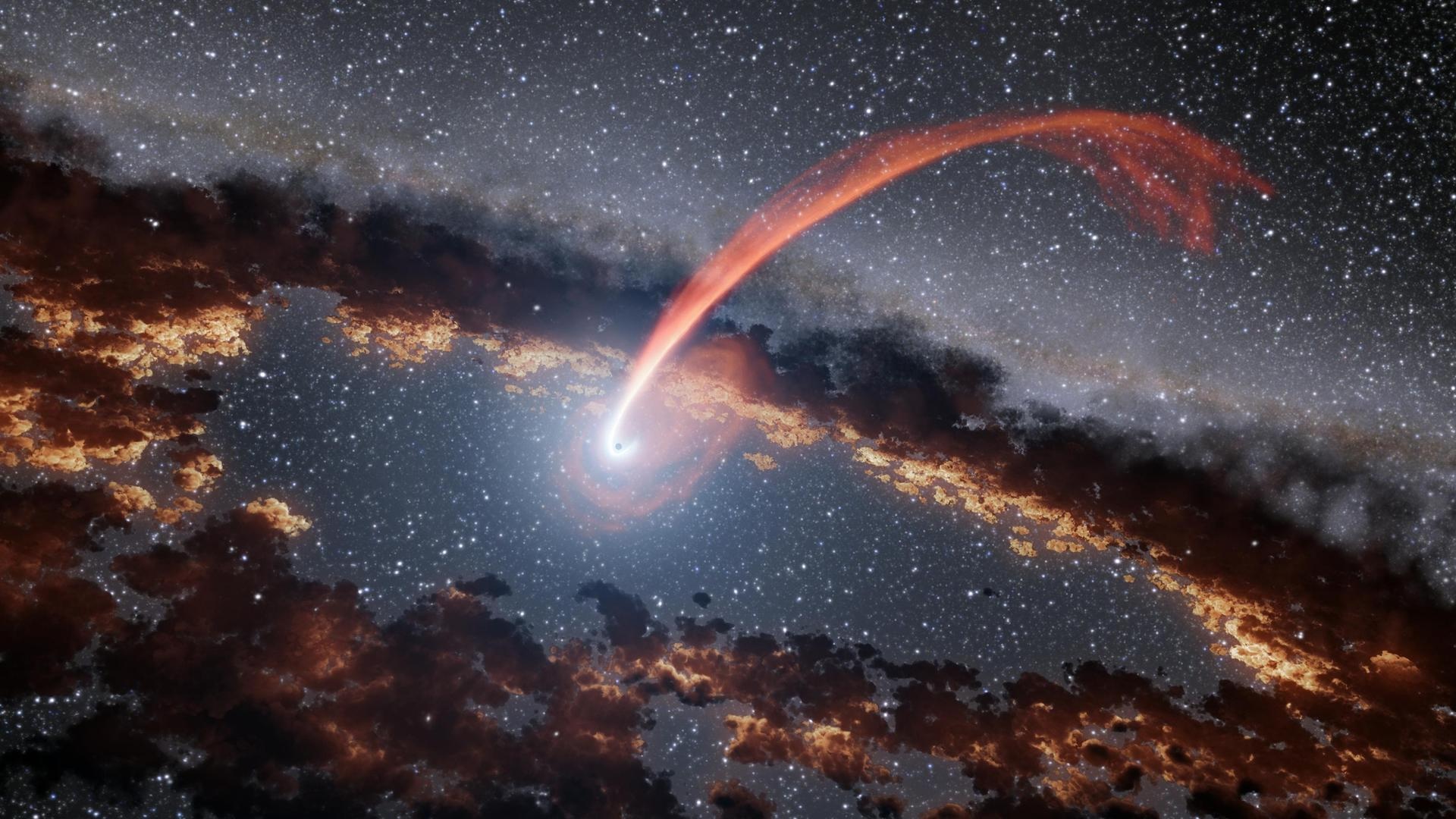
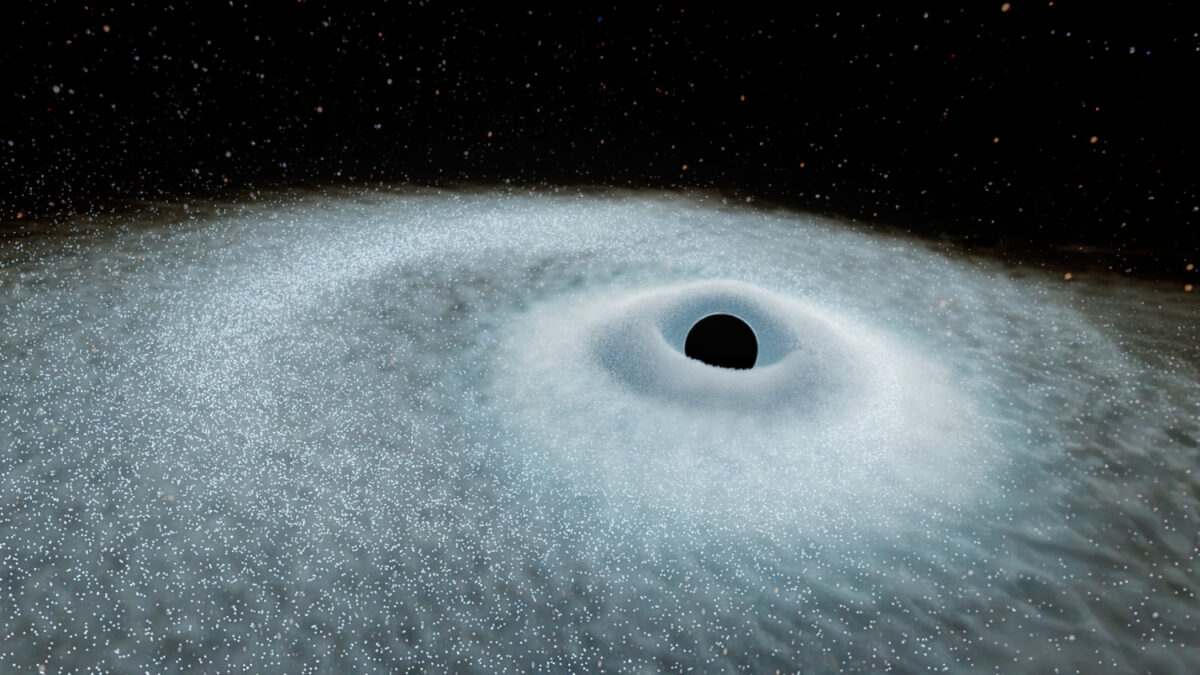
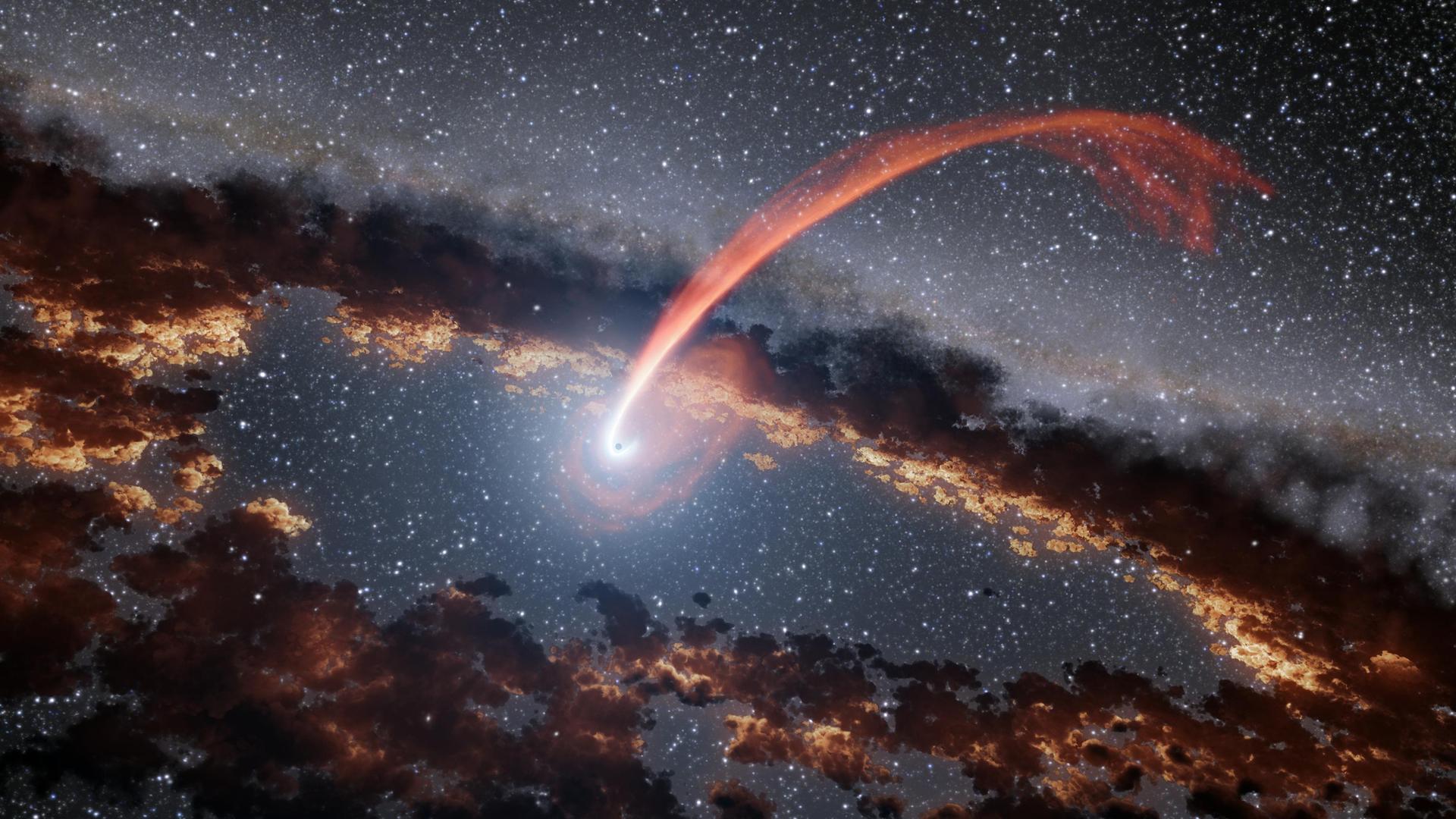
Scientists have discovered the most energetic cosmic explosions since the Big Bang, called Extreme Nuclear Transients (ENTs), which are caused by massive stars being torn apart by supermassive black holes and emit over 25 times more energy than typical supernovae. These rare events provide new insights into black hole growth and galaxy evolution, and future observatories like the Vera C Rubin Observatory will help detect more of these extraordinary phenomena.

NASA's Roman Space Telescope Nears Completion, Ready to Capture Cosmic Explosions
science1 year ago

NASA's Roman Space Telescope Nears Completion, Ready to Capture Cosmic Explosions

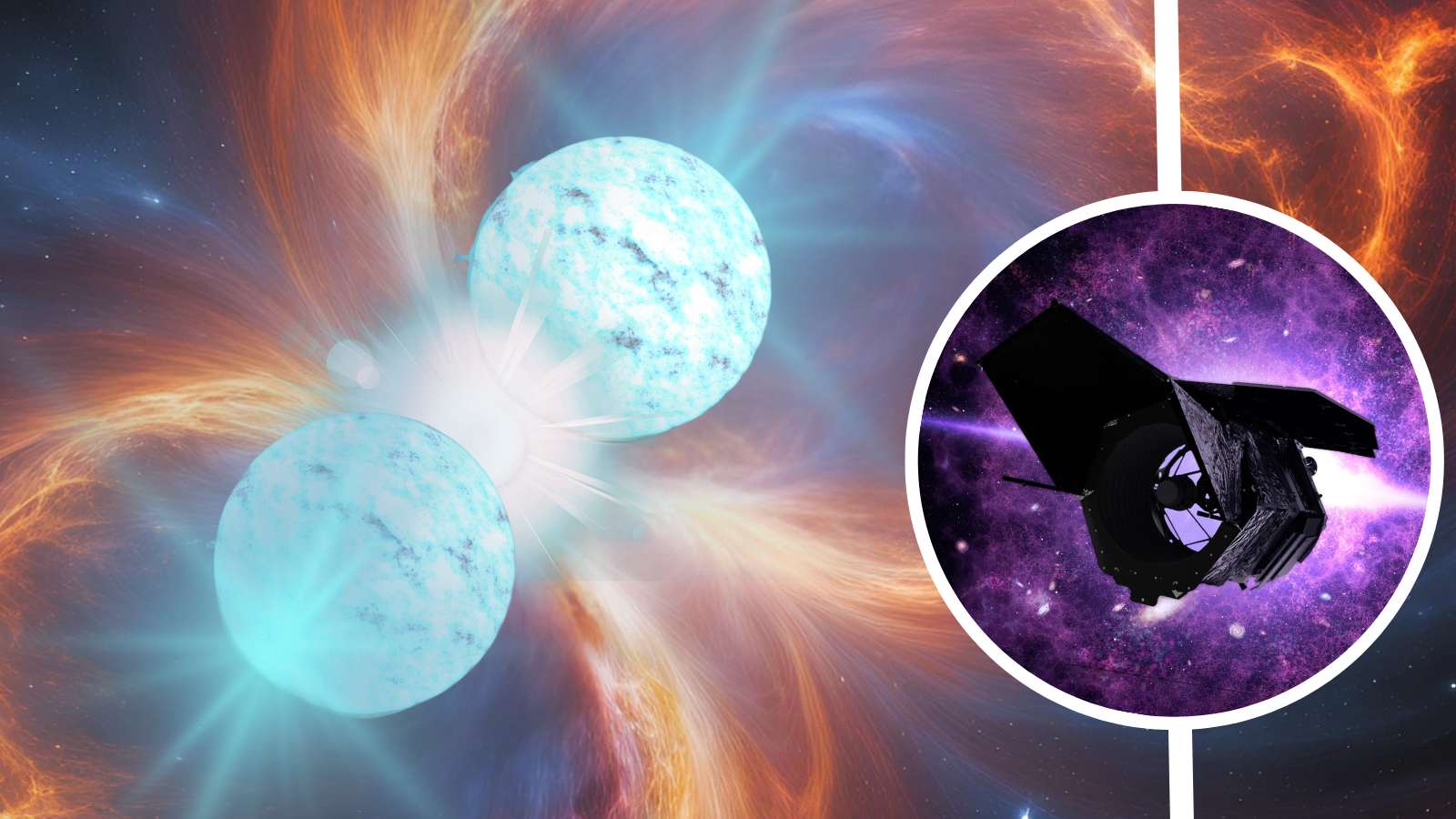
NASA's upcoming Roman Space Telescope, set to launch by May 2027, is expected to discover up to 100,000 cosmic explosions, including supernovas, kilonovas, and black hole events, which will help scientists understand dark energy, stellar life cycles, and the origins of heavy elements. The telescope's high-cadence survey will create cosmic movies over two years, vastly expanding our knowledge of the universe's most violent phenomena.

Astronomers Detect Record-Breaking Cosmic Explosions Since the Big Bang
science1 year ago

Astronomers Detect Record-Breaking Cosmic Explosions Since the Big Bang

Astronomers have discovered a new class of extremely powerful and long-lasting cosmic explosions called extreme nuclear transients (ENTs), observed in the centers of distant galaxies where supermassive black holes tear apart stars. These events are among the most energetic since the Big Bang, providing new insights into black hole activity and galaxy evolution, and are expected to be further studied with upcoming space and ground-based surveys.

Scientists record universe's most powerful explosions since the Big Bang
science1 year ago

Scientists record universe's most powerful explosions since the Big Bang

Scientists have discovered the most intense cosmic explosions, called extreme nuclear transients (ENTs), which are significantly brighter and longer-lasting than typical supernovae, occurring when massive stars are torn apart by supermassive black holes. These events, observed via the Gaia telescope, offer new insights into black hole growth and the universe's history, and future telescopes are expected to find more of them.

NASA Unveils Record-Breaking Cosmic Explosions and Black Hole Events
science1 year ago

NASA Unveils Record-Breaking Cosmic Explosions and Black Hole Events

NASA and other space agencies have identified three rare, extremely energetic events where supermassive black holes have consumed massive stars, releasing more energy than 100 supernovae. These events, called 'extreme nuclear transients,' provide insights into otherwise inactive black holes and could help understand black hole growth and galaxy evolution, especially with upcoming telescopes like the Nancy Grace Roman Space Telescope.

Unveiling the Mysteries of Kilonovas
science-and-astronomy3 years ago

Unveiling the Mysteries of Kilonovas

Kilonovas are bright bursts of electromagnetic radiation that occur when two neutron stars or a neutron star and a black hole collide and merge. These cosmic explosions eject a vast amount of material rich in heavy elements such as gold, platinum, and uranium. By studying kilonovas, scientists can gain insights into the formation of these elements and the nuclear physics involved. Detecting kilonovas is challenging, but advancements in gravitational wave detectors have allowed astronomers to locate and observe these events, providing valuable information about the universe's evolution.

Unraveling the Mystery of the Brightest Cosmic Explosions
astronomy3 years ago

Unraveling the Mystery of the Brightest Cosmic Explosions

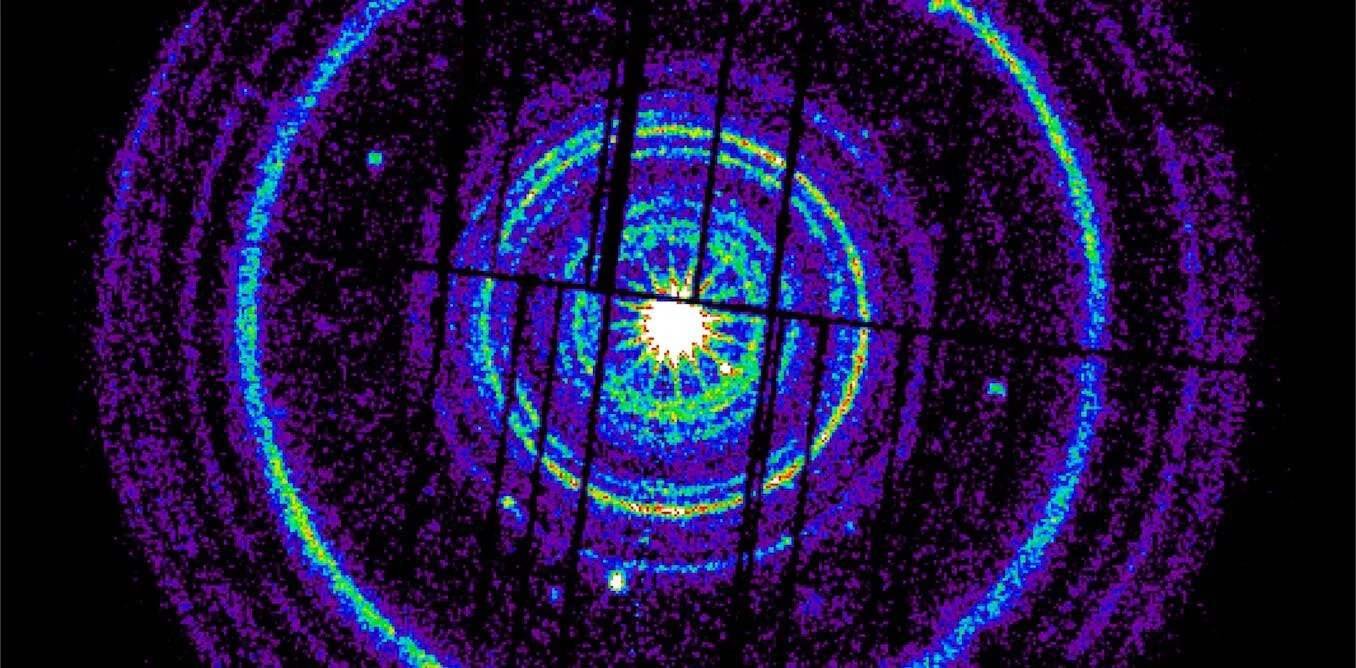
The brightest cosmic explosion ever recorded, known as GRB 221009A or the "Boat," has puzzled astronomers with its persistence. A new study published in Science Advances suggests that the burst was so bright and persistent because the narrow jet of gas launched by the explosion had a difficult time escaping the collapsing star, leading to a lot of mixing with stellar gas along the sides of the jet. This kept the burst bright for an extended period of time, providing a clue to similarly bright events seen in the past.