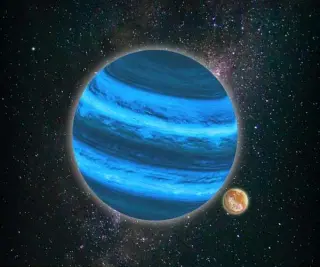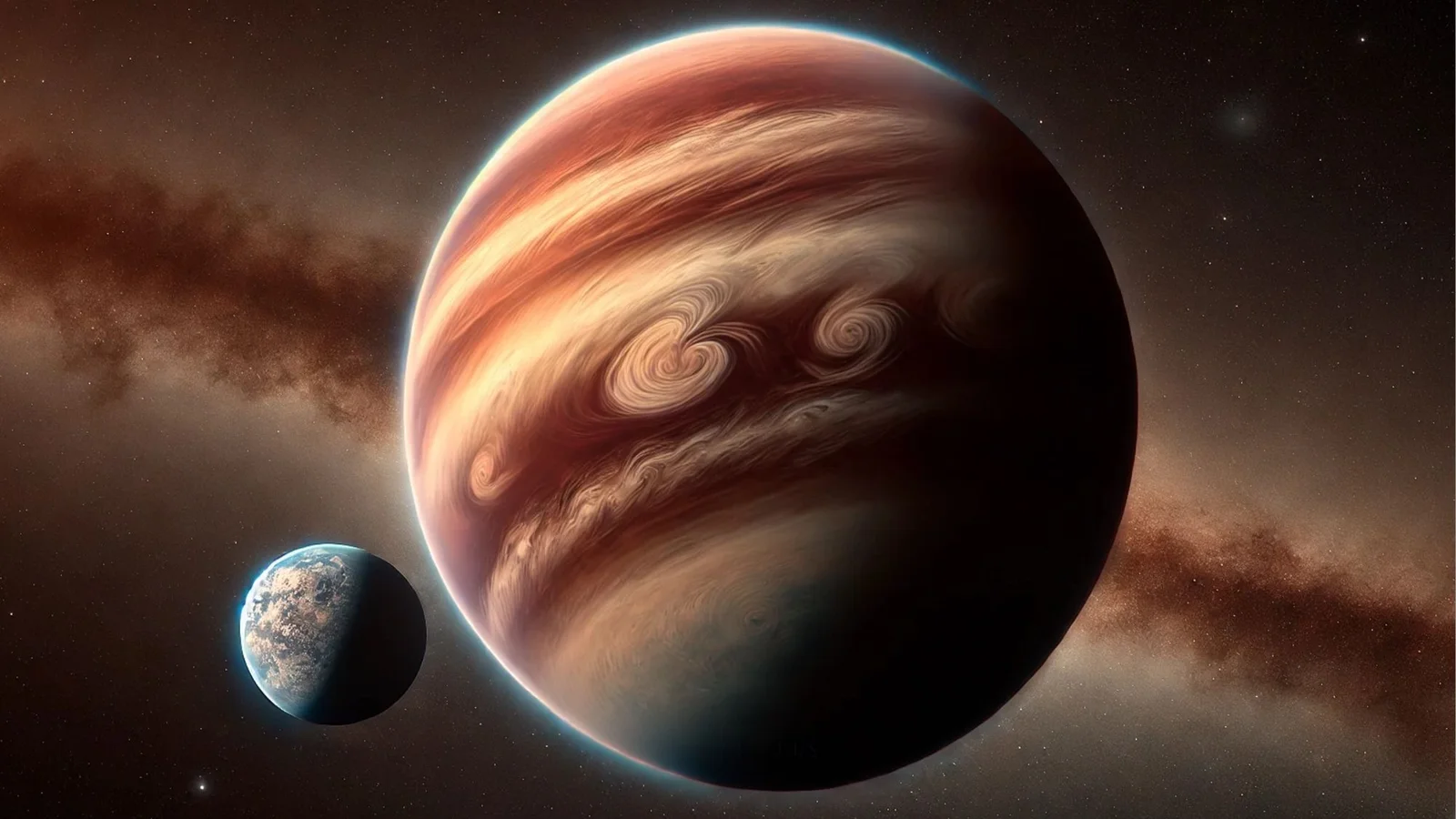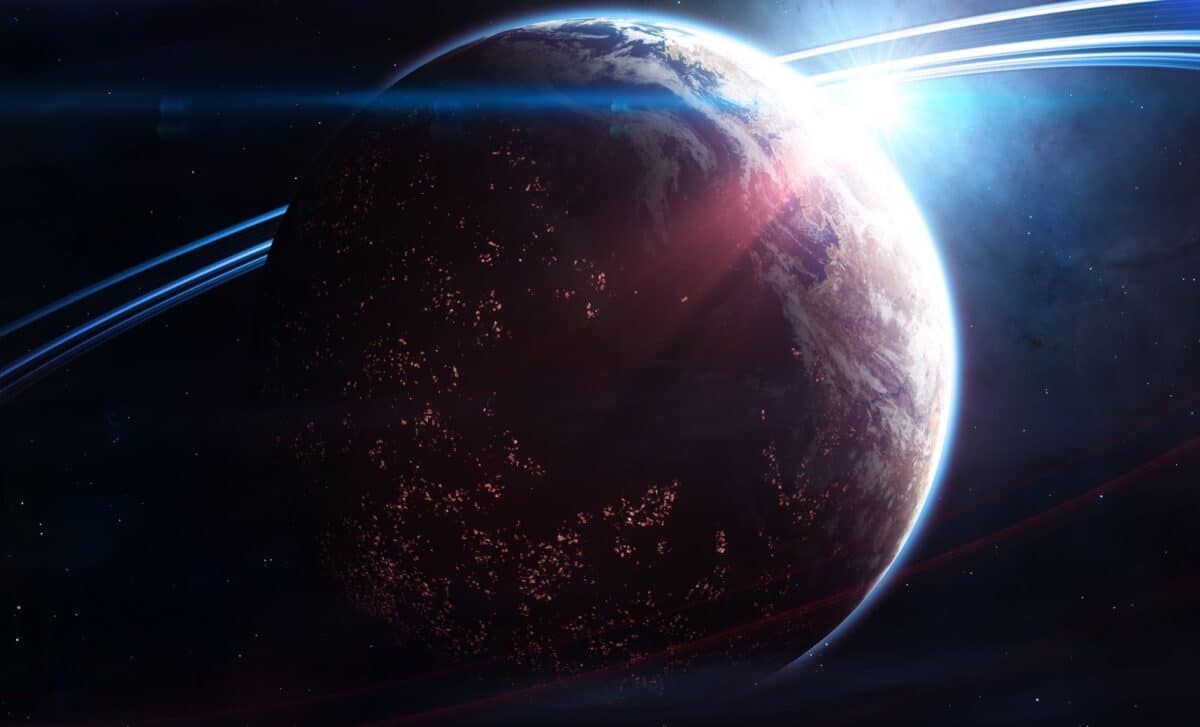
New simulations suggest Earth-sized moons orbiting free-floating, starless rogue planets could remain warm enough to keep liquid water on their surfaces for up to 4.3 billion years, thanks to tidal heating and insulating hydrogen atmospheres, potentially expanding habitable environments beyond traditional stellar zones.
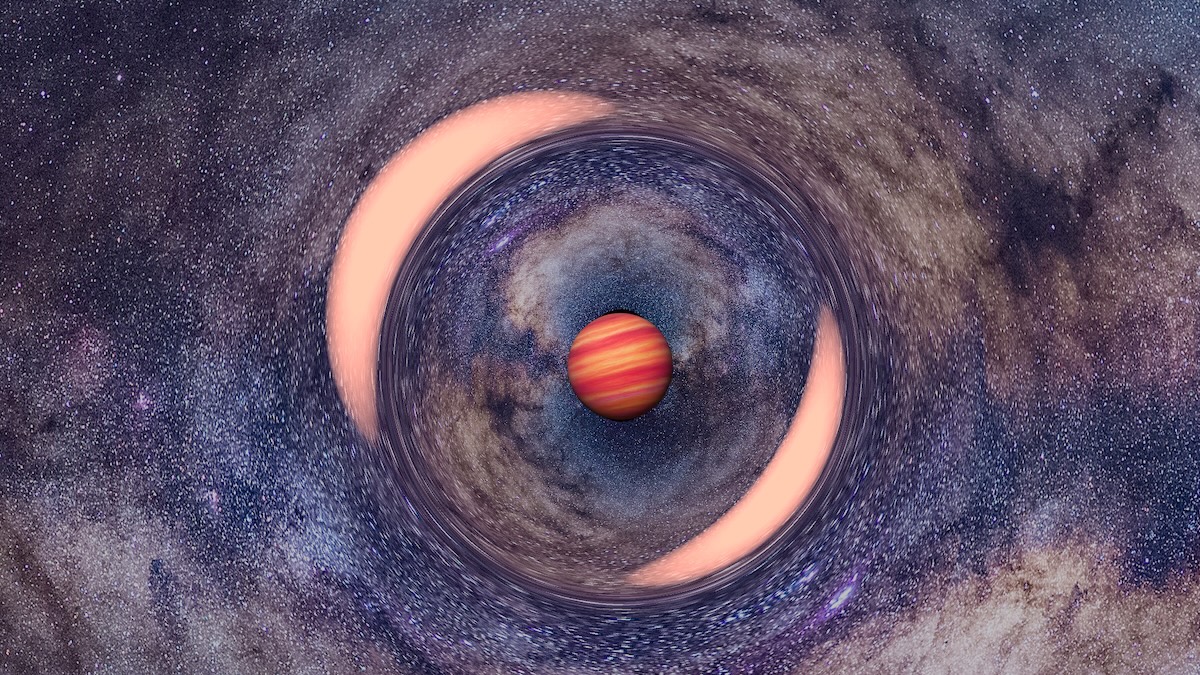
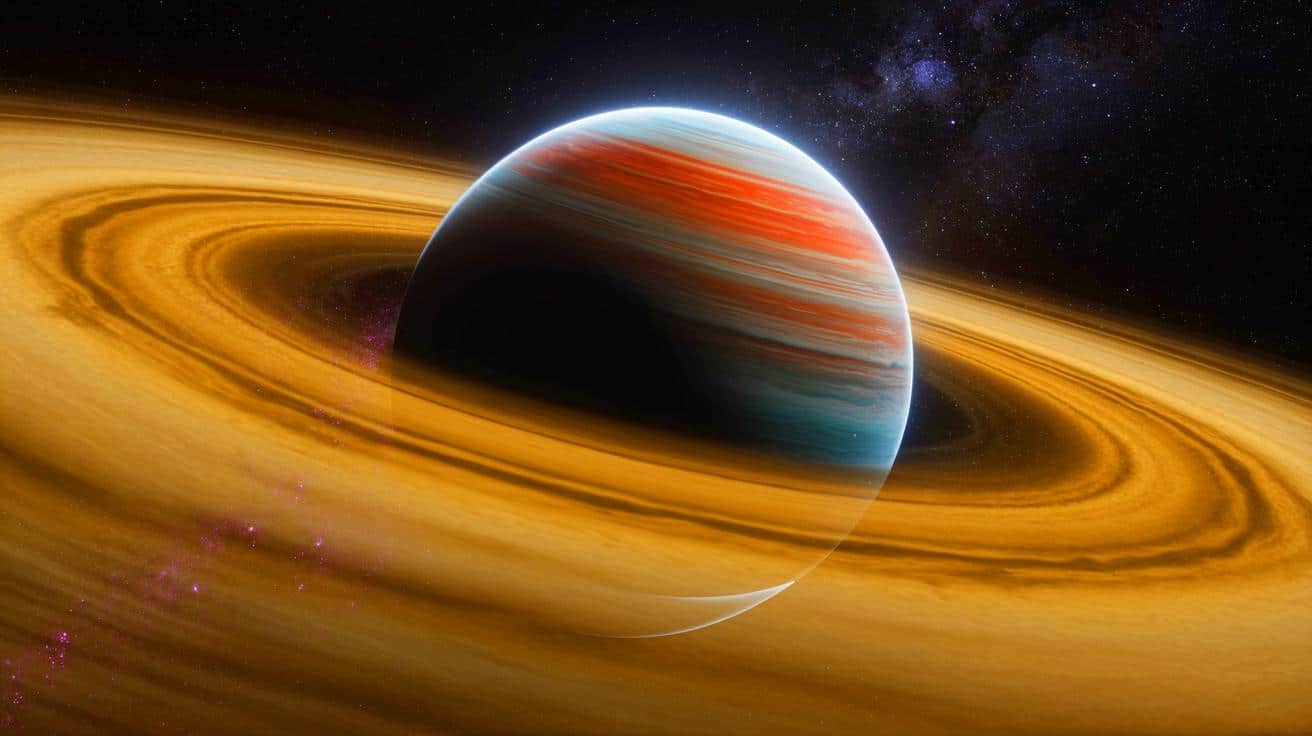
Astronomers have directly measured the mass of a Saturn-sized rogue planet drifting in space using gravitational microlensing, marking a significant advancement in studying free-floating planets that do not orbit stars. This breakthrough was achieved through a rare cosmic alignment observed from Earth and the Gaia space telescope, demonstrating a new method to analyze these elusive celestial bodies.
Astronomers have, for the first time, measured the mass and distance of a rogue planet located about 9,785 light-years away, using gravitational lensing observed from both ground-based telescopes and the Gaia Space Telescope, revealing insights into these solitary worlds and their formation.
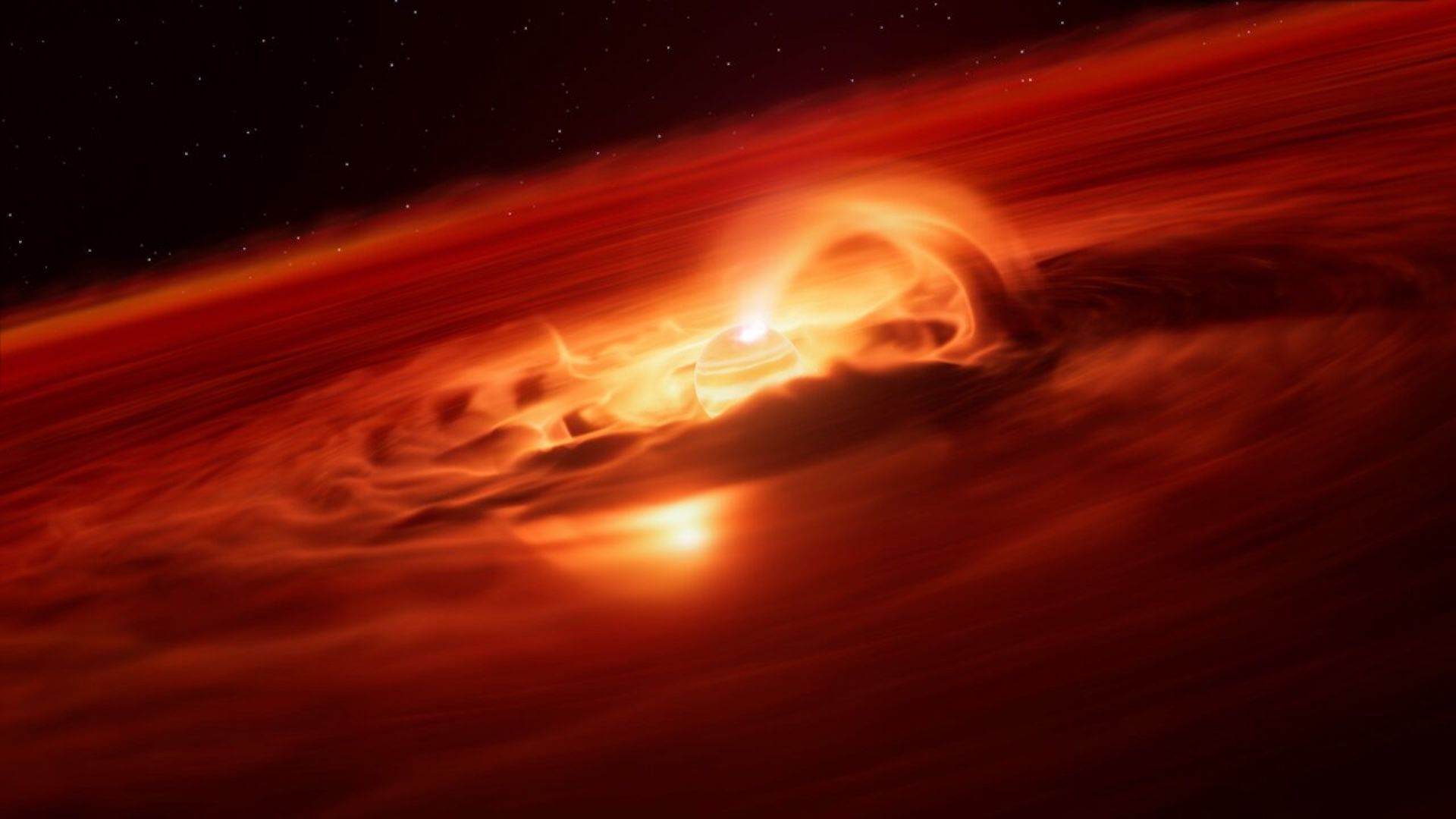
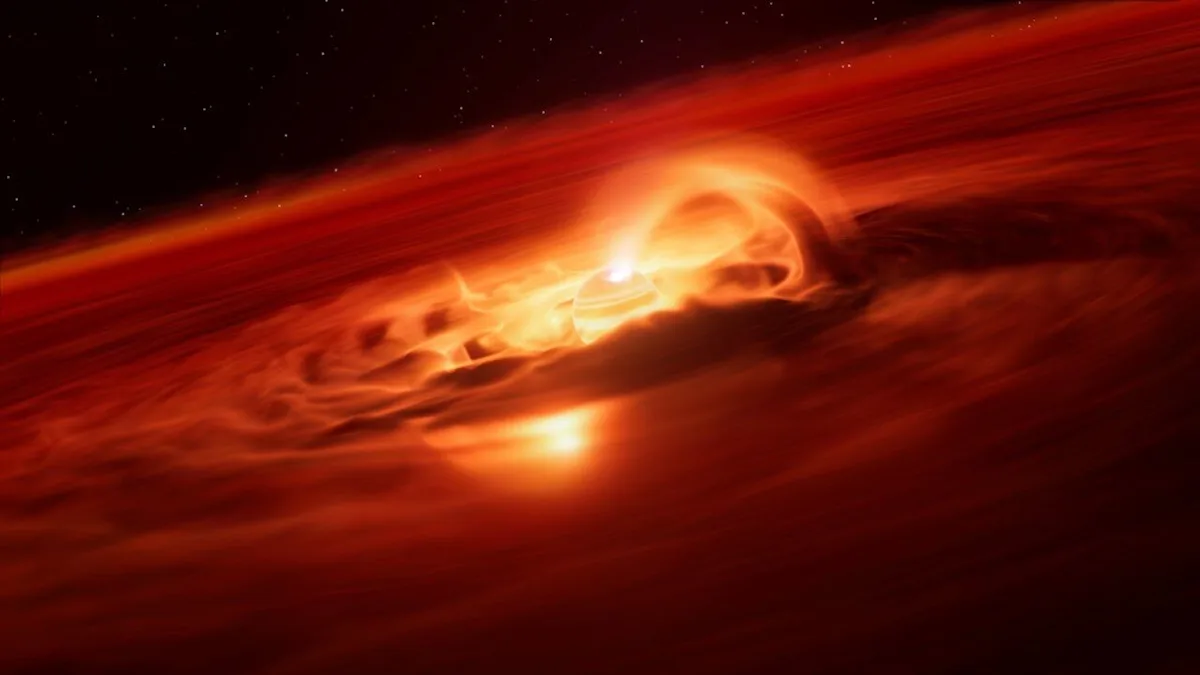
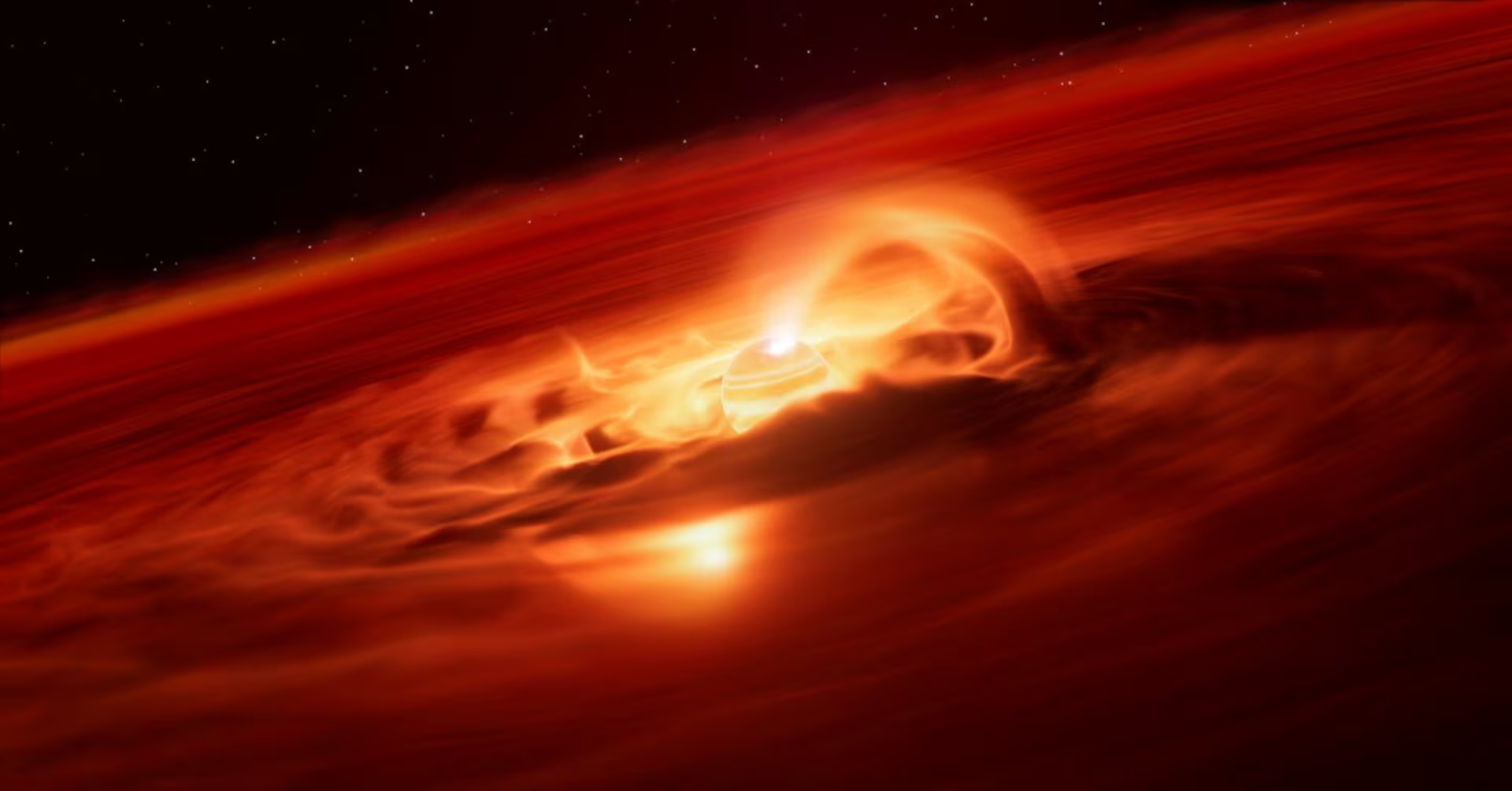
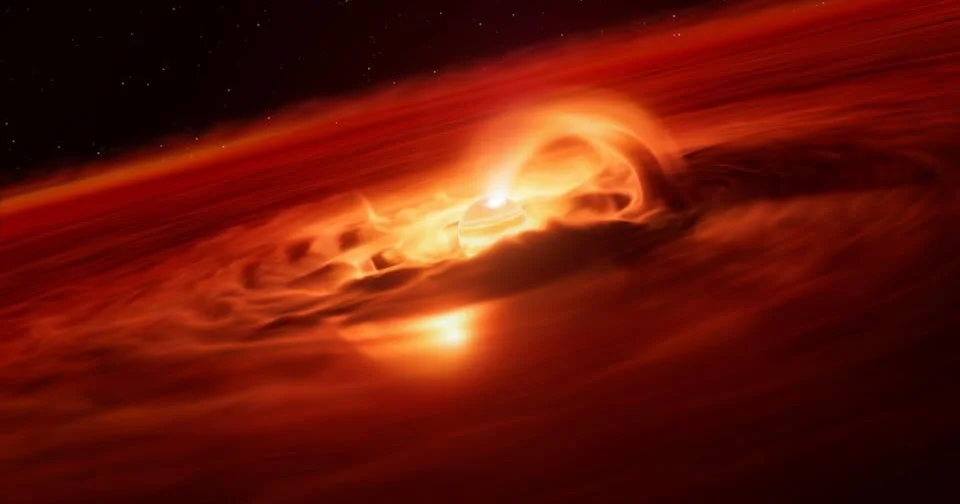
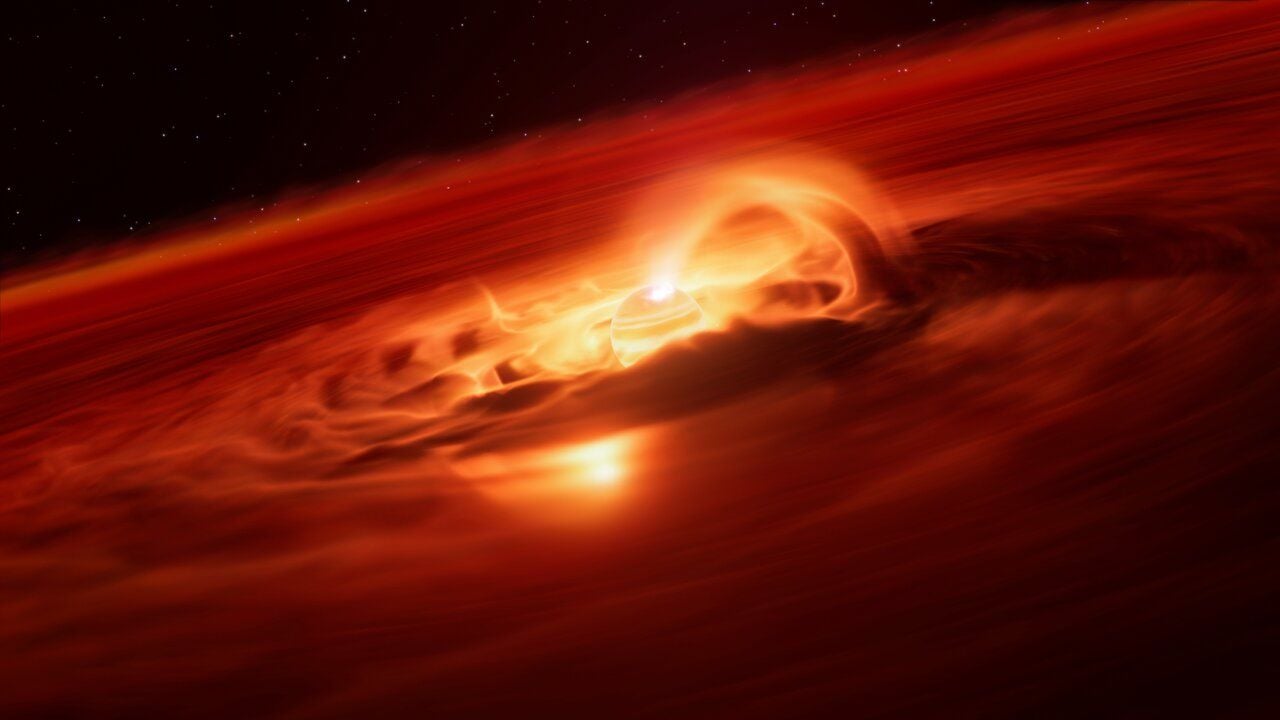
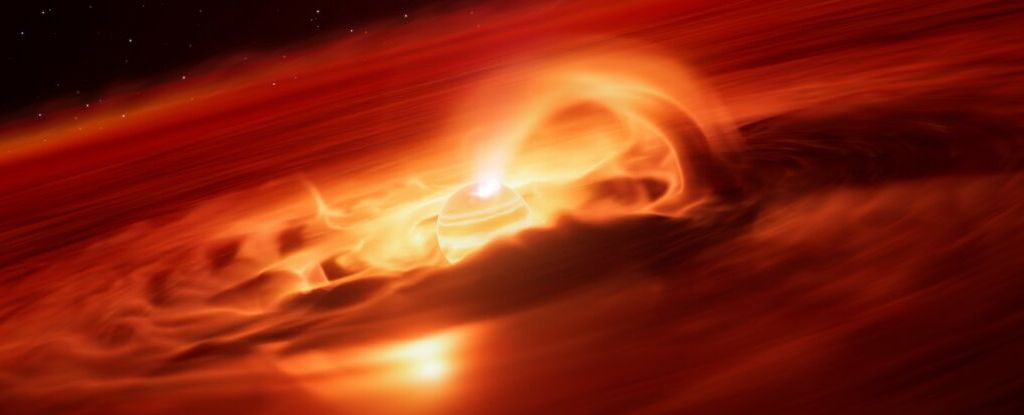
Astronomers have discovered a rogue planet, Cha 1107-7626, that is rapidly accreting gas and dust at a record rate of 6.6 billion tons per second, exhibiting behavior similar to young stars and raising questions about its formation and evolution.
Astronomers have discovered a rogue planet, Cha 1107-7626, that is rapidly accreting gas and dust at a record rate, acting like a star, which could provide insights into planetary and stellar formation processes.
A rogue planet named Cha 1107-7626 is rapidly growing by consuming six billion tonnes of material per second, challenging traditional distinctions between planets and stars and suggesting that some planets may form through star-like processes. Advanced telescopes like the VLT and upcoming ELT are helping astronomers study these phenomena, which could reshape our understanding of planetary and stellar evolution.
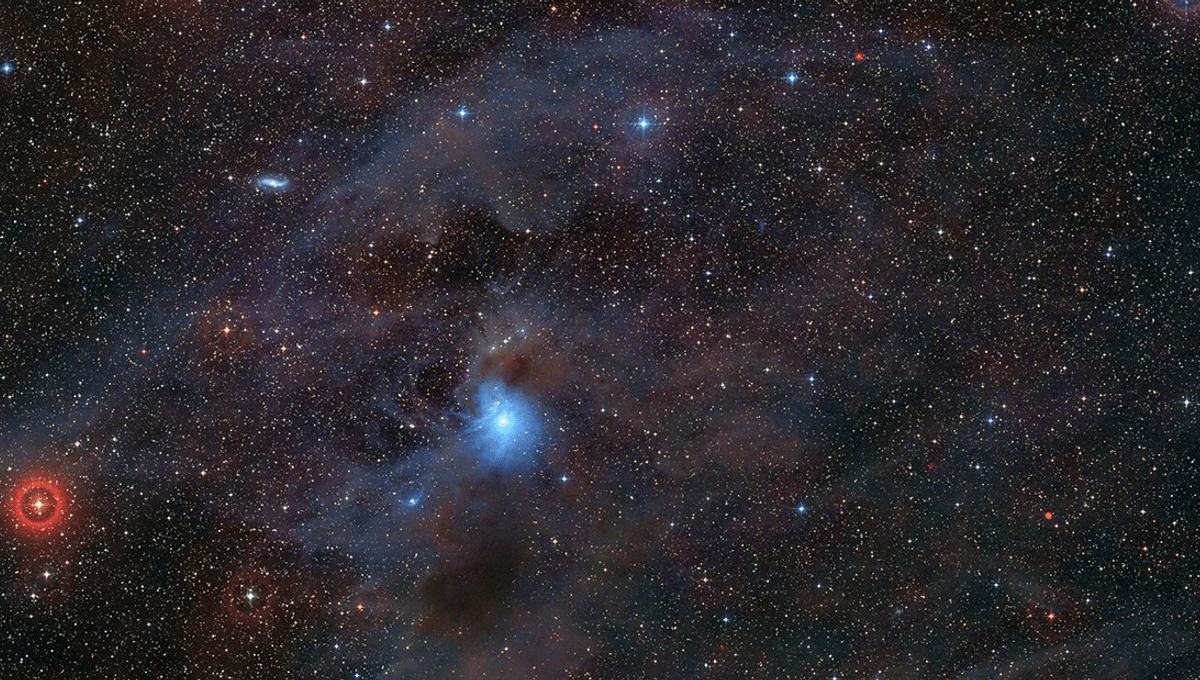
Astronomers have discovered a young rogue planet, Cha 1107-7626, about 620 light-years away, which is rapidly consuming material at a rate similar to star formation, providing new insights into the origins of isolated planetary bodies and blurring the line between planets and stars.
Astronomers observed a rogue planet, Cha 1107-7626, approximately 620 light years away, rapidly growing by consuming six billion tons of gas and dust per second, blurring the line between planets and stars and suggesting some planetary objects form like stars from gas clouds.
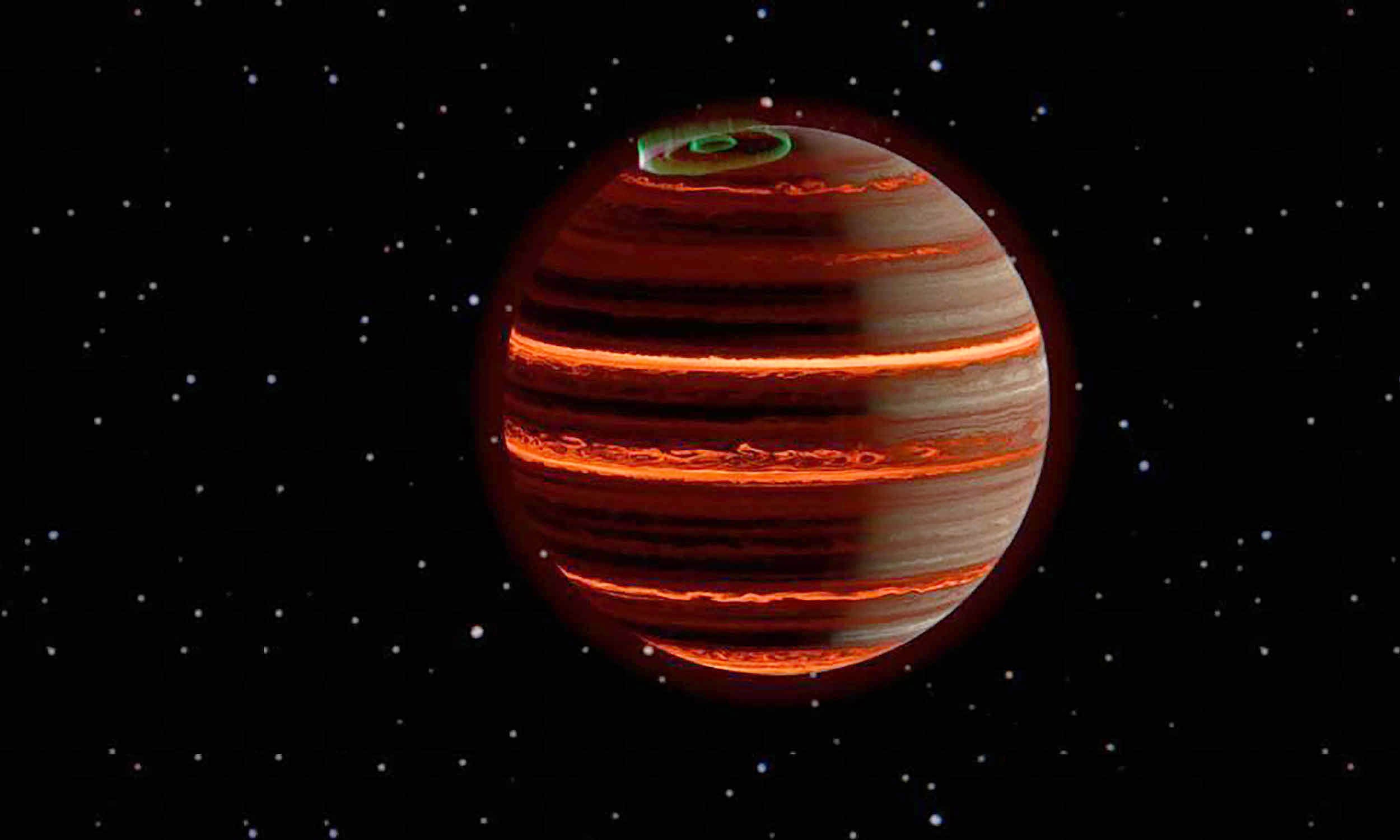
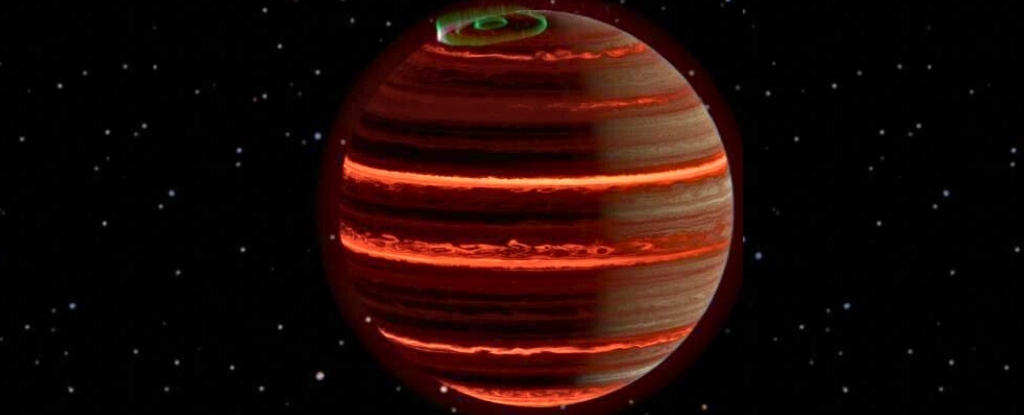
Astronomers using the James Webb Space Telescope have observed auroras and complex weather patterns on SIMP 0136, a starless, rogue brown dwarf, revealing detailed atmospheric structures, temperature inversions, and steady silicate clouds, driven by magnetic activity and internal heat, demonstrating that even isolated objects can have dynamic weather systems.
An international team using ESO's VLT and JWST has observed a rogue planet, Cha 1107-7626, growing at a record rate of 6 billion tonnes per second, with recent bursts of accretion resembling EXor-type outbursts, providing new insights into the formation and behavior of free-floating planets.
Scientists have discovered a rogue planet, Cha 1107-7626, in the Chamaeleon constellation that is actively accreting gas and dust at an unprecedented rate, suggesting some rogue planets can grow similarly to stars, especially during violent growth spurts fueled by magnetic fields, challenging previous notions of these solitary worlds.
Astronomers observed a rogue planet, Cha 1107-7626, exhibiting unprecedented growth through accretion, similar to star formation, suggesting it formed independently in space rather than around a star, challenging previous notions of planetary stability and formation.
A recent study using the James Webb Space Telescope revealed that the rogue planet SIMP-0136 exhibits unique atmospheric features, including thermal inversion and auroras that heat its upper atmosphere, with clouds composed of silicate grains, providing new insights into planetary formation and evolution.
Astronomers discovered a new rogue planet using archival data from the Hubble Space Telescope, leveraging Einstein's theory of general relativity and gravitational microlensing, with the event being one of the shortest on record, suggesting the planet is either a Neptune-mass or Saturn-mass object located thousands of light-years away, and the discovery highlights the potential for finding more such elusive worlds in existing data.
A new theoretical study suggests that in about a billion years, a chance encounter with a passing star could save Earth from the sun's expansion by tossing it into a cooler orbit or helping it break free from the solar system entirely. However, the chances of this happening are extremely slim. The study simulated how our solar system would behave if a star swept past it, and found that in some simulations, Earth was pushed into a farther, colder orbit or landed in the Oort cloud. In a few simulations, Earth was gravitationally lured away by the wandering star, potentially allowing for liquid water. However, the overall odds of this happening are just 1 in 35,000. The study suggests that instead of relying on a stellar savior, we should focus on finding our own solutions to modify Earth's orbit or block a fraction of the Sun's incoming energy.