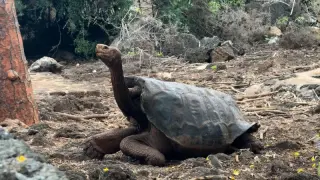
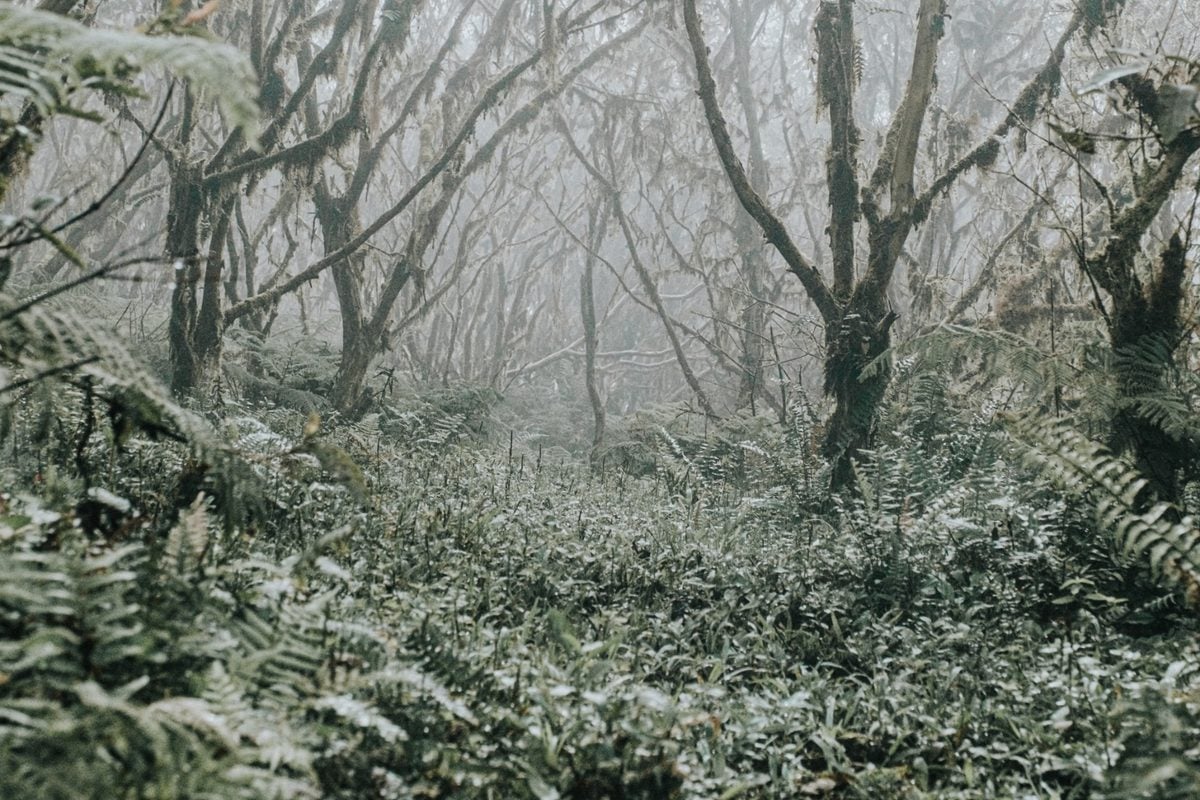
A Galapagos island has observed the return of 'alien tortoises,' a species absent since the 19th century. This development highlights significant shifts in local ecosystems and conservation efforts.
Two Ecuadorian fishing crews reported being attacked by explosive-laden drones near the Galápagos Islands in March 2026, resulting in injuries and the sinking of their vessels. Survivors described being detained by armed men on a mysterious blue ship before being transferred to a Salvadoran Coast Guard vessel. The Washington Post reports these strikes were part of a covert CIA program, a claim the CIA declined to confirm or deny. While the US Defense Department denied involvement, the incidents have sparked legal action and raised concerns about the targeting of civilian vessels in the region.
The Washington Post reports that a covert CIA program is responsible for recent drone attacks on Ecuadorian fishing boats near the Galápagos Islands. While the Pentagon denies involvement, flight data links a surveillance plane based in El Salvador to the incidents. Survivors describe attackers as English-speaking individuals wearing American flag patches, raising questions about the use of private contractors or 'letters of marque' in the administration's anti-drug campaign.
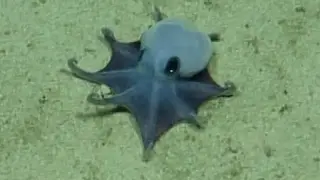
Scientists have identified Microeledone galapagensis, a palm-sized blue octopus discovered in the Galápagos in 2015. Using CT scanning to build a 3D model, researchers placed the female in the Megaleledonidae family and noted its close relation to M. mangoldi. Found about 1,773 meters (5,800 feet) below the surface, the species highlights deep-sea biodiversity and high endemism in the Galápagos and underscores how much remains unknown about the deep ocean as climate change reshapes these ecosystems.
A global study of the Galápagos Scalesia daisies reveals that lobed leaves evolved repeatedly through different genetic pathways, illustrating parallel evolution and suggesting ongoing speciation among island populations; the findings also imply conservation units for isolated populations and highlight that evolution remains an active process on Darwin’s islands.
Gilead Sciences agreed to buy Ouro Medicines for $1.675 billion upfront plus up to $500 million in milestones to add OM336, a BCMAxCD3 T cell engager, to its inflammation portfolio. OM336 has shown rapid B cell depletion with a favorable safety profile in Phase 1/2 data and has FDA Fast Track and Orphan Drug designations, with registrational studies expected in 2027. Gilead is also in advanced talks for a collaboration with Galapagos, under which Galapagos would fund half of upfront and milestone payments, absorb Ouro’s operating assets, and receive 20-23% royalties on net sales while Gilead retains worldwide commercialization rights. The combined effort aims to accelerate immune-reset therapies for autoimmune diseases and potentially deliver durable, drug-free remission through BCMA-targeted T cell engagers.
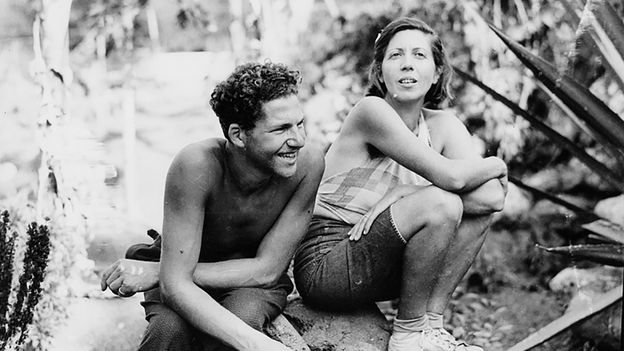
A true story from the 1930s about European settlers on a Galapagos island, which turned into a tale of betrayal, violence, and mysterious disappearances, is dramatized in the film Eden and explored in the documentary The Galapagos Affair, highlighting the complex personalities and events that led to an enduring unsolved mystery.
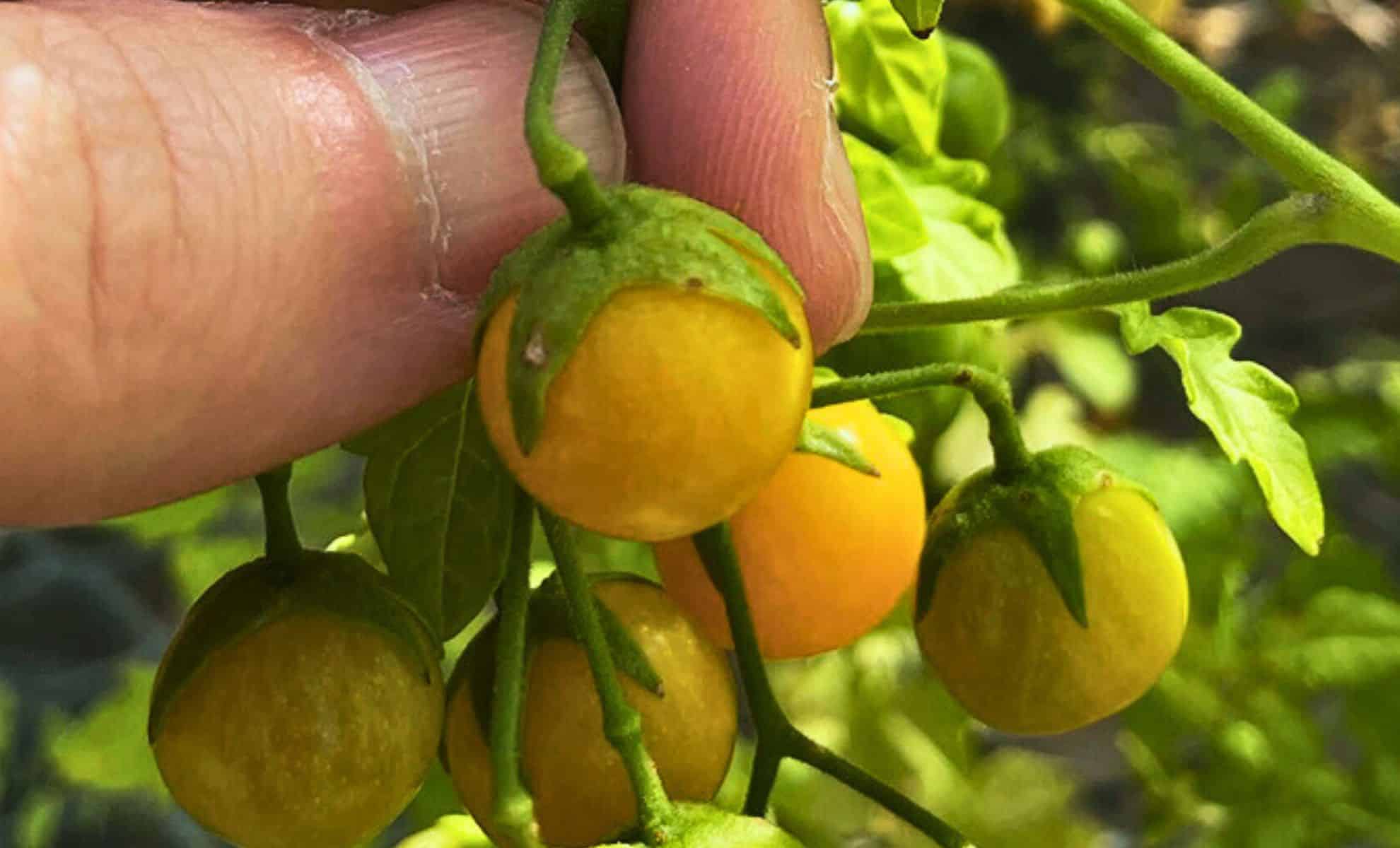
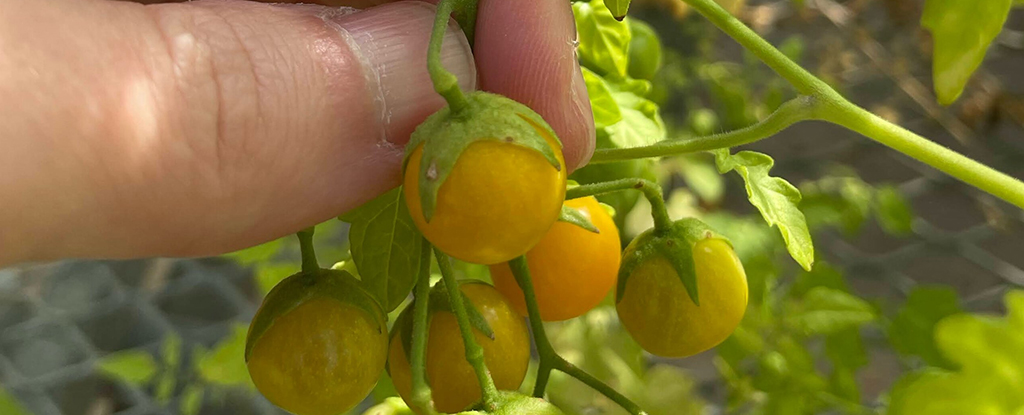
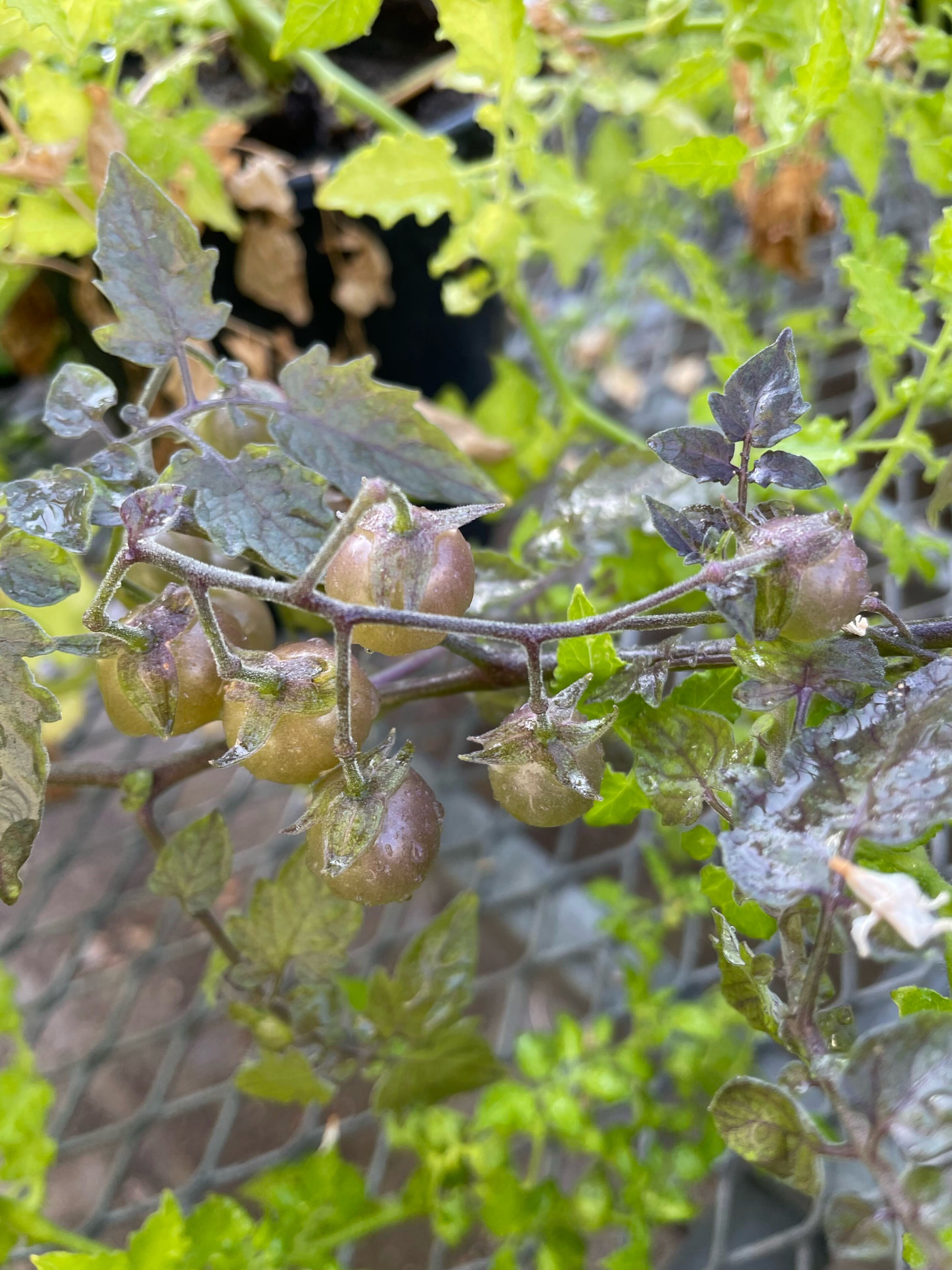
Scientists have discovered that wild tomatoes in the Galápagos Islands are evolving backwards, regaining ancient traits lost millions of years ago, challenging traditional views of evolution and opening new avenues for genetic research and crop improvement.
Researchers have documented a rare example of reverse evolution in wild tomatoes on the Galapagos Islands, where some plants have reverted to ancestral chemical traits, suggesting environmental pressures can drive species back along their evolutionary path, with potential implications for genetic engineering and agriculture.
Researchers studying wild tomatoes in the Galápagos Islands discovered that plants on the younger western islands are producing alkaloids identical to those of ancient ancestors, suggesting a reversion to ancestral traits possibly as an adaptation to harsher environments, highlighting the flexibility and complexity of evolutionary processes.
Scientists studying wild tomatoes in the Galápagos Islands have observed a rare case of reverse evolution, where the plants are reverting to an ancient chemical state by producing alkaloids similar to those found in eggplants, likely driven by environmental factors on younger islands. This discovery challenges traditional views of evolution as a one-way process and suggests that traits can re-emerge through genetic changes, with potential implications for agriculture and medicine.
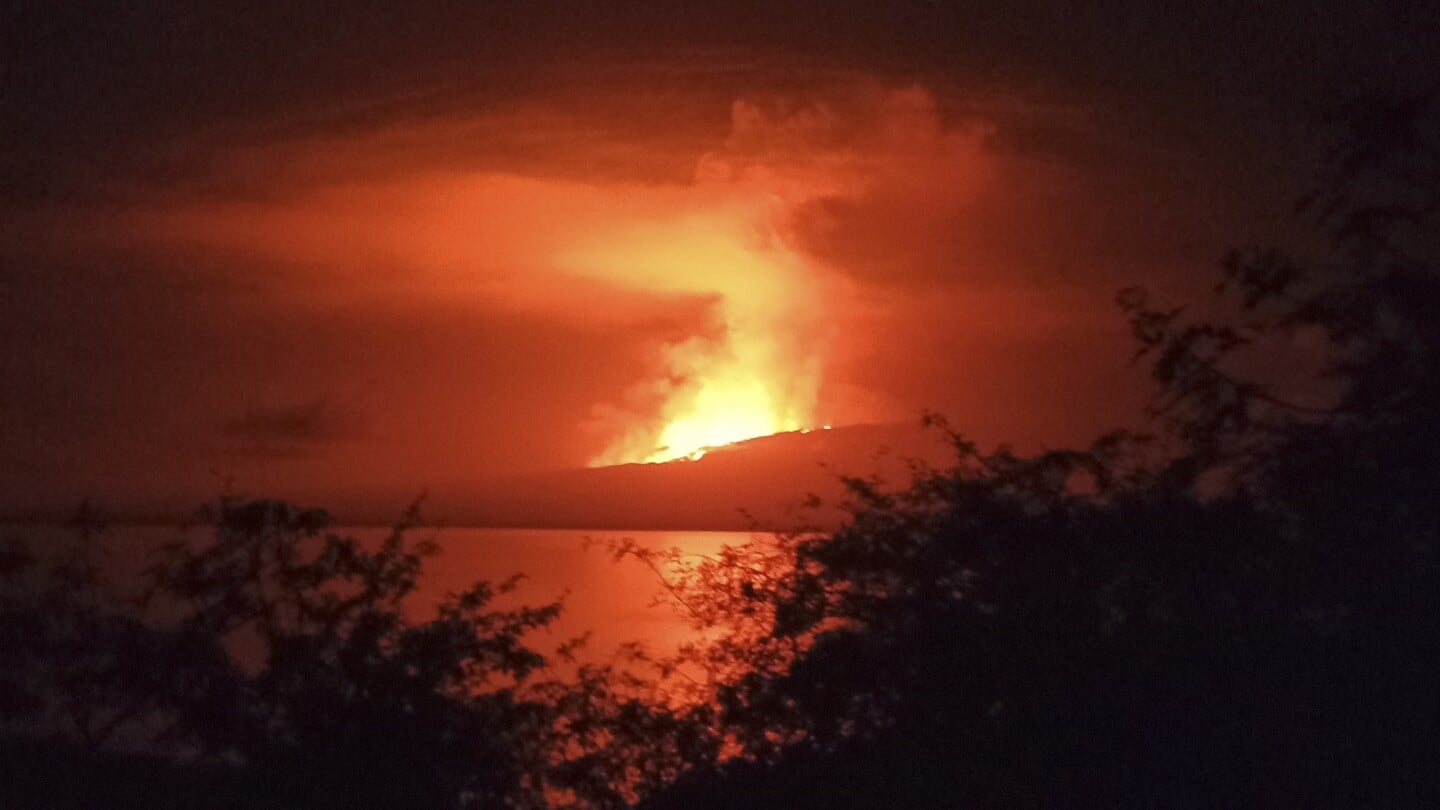
The La Cumbre volcano on Fernandina island in the Galapagos has erupted, sending lava flowing down its sides toward the sea. While posing no risk to humans, the eruption threatens the island's unique wildlife, including iguanas, penguins, and flightless cormorants. The Galapagos Islands are famous for their role in Charles Darwin's theory of evolution.
The La Cumbre volcano on Fernandina island in the Galapagos has erupted, sending lava flowing down its sides toward the sea. While posing no risk to humans, the eruption threatens the island's unique wildlife, including iguanas, penguins, and flightless cormorants. The Galapagos Islands are famous for their role in Charles Darwin's theory of evolution.
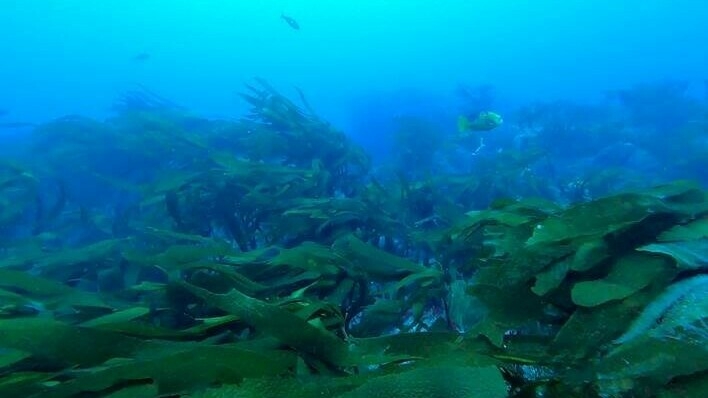
Marine scientist Salomé Buglass made a surprising discovery of a kelp forest thriving in deep, tropical waters in the Galapagos. Kelp usually grows in cooler waters and requires light to survive, making this find unusual. The kelp forest provides habitat for various species and stores carbon, making it important for biodiversity and climate change. Researchers believe it may be a new species or a relic from a colder past, and further genetic sequencing is needed to confirm.
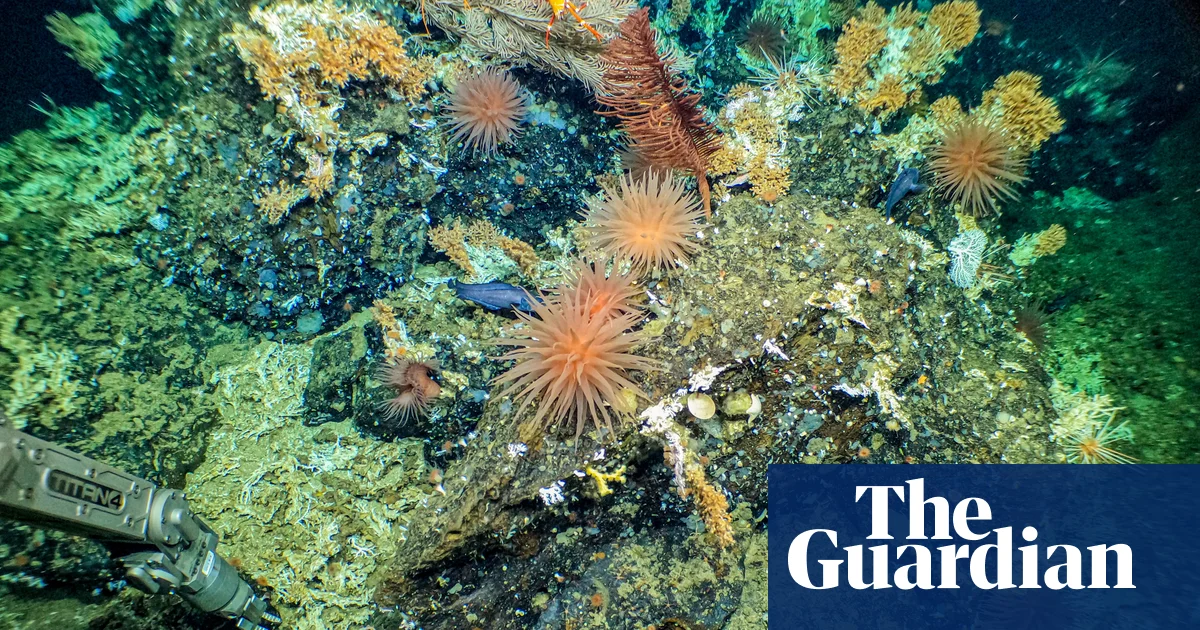
Scientists exploring a previously unexplored part of the Galápagos marine reserve have discovered deep-sea coral reefs in pristine condition, raising hopes that healthy reefs can still thrive despite coral being in crisis due to record sea surface temperatures and ocean acidification. The discovery shows the effectiveness of conservation actions and effective management. The newly discovered reefs are potentially of global significance and could help scientists reconstruct past ocean environments to understand modern climate change. Ecuador is collaborating with its northern neighbours on a regional marine corridor initiative to protect and responsibly manage the ocean.