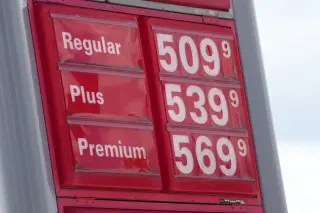
Gas price surge and inflation pinch American shoppers
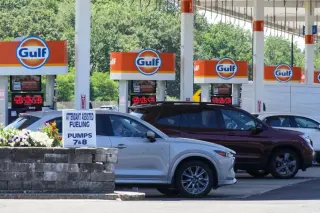
Gas around $4.50 per gallon and ongoing inflation are denting U.S. consumer confidence and squeezing household budgets.
All articles tagged with #consumer confidence

Gas around $4.50 per gallon and ongoing inflation are denting U.S. consumer confidence and squeezing household budgets.
European stocks rose with the Stoxx 600 up about 0.6% as investors weighed higher oil prices amid a renewed US-Iran focus against mixed UK and European data, including Puig tumbling after a deal with Estée Lauder ended while Estée Lauder rose. UK April retail sales fell 1.3%, oil climbed to around $103–104 a barrel, and Germany’s consumer confidence and France’s manufacturing climate improved. UK borrowing topped forecasts and gilt yields slipped slightly, while Wall Street futures pointed higher.

Whirlpool (WHR) plunged after warning that higher costs tied to the war in Iran will squeeze demand, with CFO Roxanne Warner calling it a ‘recession-level industry decline’ as consumer confidence wanes. The company posted -$0.56 in adjusted EPS on $3.27 billion in revenue, missing estimates, and signaled roughly a 4% price increase in July. The stock fell about 13% on the day, joining a year-to-date and 12-month slide, while analysts’ consensus rating stays at Hold with a target near $54.

Whirlpool warned that the Iran conflict has caused a recession-level decline in U.S. appliance demand, sending shares down about 12% as it slashed full-year guidance and suspended the dividend while citing higher raw-material costs, tariffs, and weaker big-ticket spending; analysts note a broader strain on big-ticket purchases despite strength in travel and services.
The Conference Board’s Consumer Confidence Index rose 0.6 points to 92.8 in April, with the Present Situation index slipping to 123.8 while the Expectations index climbed to 72.2; the survey spanned April 1–22.

March existing-home sales fell to 3.98 million (down 3.6% MoM), the weakest since June, as average 30-year mortgage rates rose to about 6.37% amid Middle East tensions, leaving buyers feeling “frozen” and clouding hopes for a 2026 housing recovery as investors expect the Fed to keep rates elevated to curb inflation.
The Conference Board reports US Consumer Confidence rose to 91.8 in March 2026, up 0.8 points from February, while the Present Situation Index jumped to 123.3 and the Expectations Index slipped to 70.9; the March survey (March 1–24) points to mixed sentiment as higher costs from tariffs and oil prices weigh on the outlook.

Even high-net-worth Americans are growing more pessimistic about the economy as rising gasoline costs and falling stock prices erode perceived wealth, likely dimming spending and signaling slower growth ahead.

Facing surging fuel costs, four U.S. business owners—a Portland clothing store, a bread bakery, a Powhatan manufacturing shop, and a Chicago spot carrier—say they won’t raise prices. They plan to absorb higher transportation and input costs, possibly impose temporary surcharges on retailers, and cut expenses where possible. Strong customer relationships, local sourcing, and flexible cost management are helping them weather the spike, but margins are under pressure and foot traffic or demand could still suffer as costs rise.

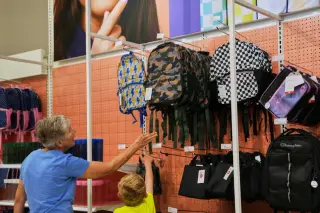
The disruption of the Strait of Hormuz is tightening the global supply chain and pushing up input costs, likely lifting prices on groceries and other goods as retailers face volatility and demand pressures; consumer confidence is slipping, with value retailers possibly faring better than discretionary brands, and some chains may gain from price leadership as energy costs weigh on household budgets.

U.S. consumer confidence rose to 91.2 in February, led by gains among younger and higher‑income households, but concerns about jobs linger as the share saying jobs are hard to get jumped to a five‑year high and the labor‑market differential suggests unemployment could rise. December housing prices edged up 0.1% with a 12‑month rise of 1.8%, while mortgage rates remained a factor in housing demand.

Despite a resilient economy and cooling inflation, CBS News reports Americans’ top economic concern remains affordability, driven by rising food costs, a tight housing market and higher health-care premiums. Pew data place food, housing and health care at the forefront of worries ahead of President Trump’s State of the Union. While the administration touts measures like housing-market reforms and drug-price initiatives, economists caution that a lasting relief requires addressing a persistent housing shortage and ongoing health-insurance costs, with staples such as ground beef and coffee up significantly and 2026 health insurance premiums rising about 6–7%.

Economist Peter Atwater warns that a persistent K-shaped recovery could create a caste-like divide in the US by widening gaps in asset ownership (homes and stocks) and opportunities for low-earning Americans; while he believes the split may eventually reverse if confidence rises and policy addresses the income gap.

Americans started 2026 in a foul mood even as the economy shows growth and unemployment remains low, with consumer confidence sinking to a 12-year low (84.5). Persistent inflation around 3% and a softer job market weigh on sentiment, underscoring a disconnect between strong headlines and public mood.

The Conference Board reported January’s U.S. consumer confidence fell 9.7 points to 84.5, the lowest since 2014, with the Present Situation Index at 113.7 and the Expectations Index at 65.1. The drop suggests a bleaker short-term outlook as concerns about inflation, the labor market, and future income rose, and overall plans for big-ticket purchases weakened, though spending on travel-related services showed some uptick.