Tag

Albedo

All articles tagged with #albedo

Could We Spot a Doomsday Asteroid Before It Strikes?
science-and-tech7 days ago

Could We Spot a Doomsday Asteroid Before It Strikes?

The article asks if humanity could detect an extinction-level asteroid before impact, using the dinosaurs’ 10 km carbonaceous impactor as a case study. It explains that warning time depends on the object’s origin, speed (~21 km/s), and whether it brightens from outgassing; best-case scenarios could offer weeks to a month of naked-eye visibility if the body comes from the night side and becomes bright, but more typical cases might yield only days or hours, or no warning at all if it’s sun-ward or depleted of volatiles. It also highlights how albedo and orbital geometry affect detectability, and stresses the need for planetary defense to gain decades of lead time for meaningful intervention.


Earth’s 27° East Albedo Symmetry Stumps Climate Models
science1 month ago

Earth’s 27° East Albedo Symmetry Stumps Climate Models

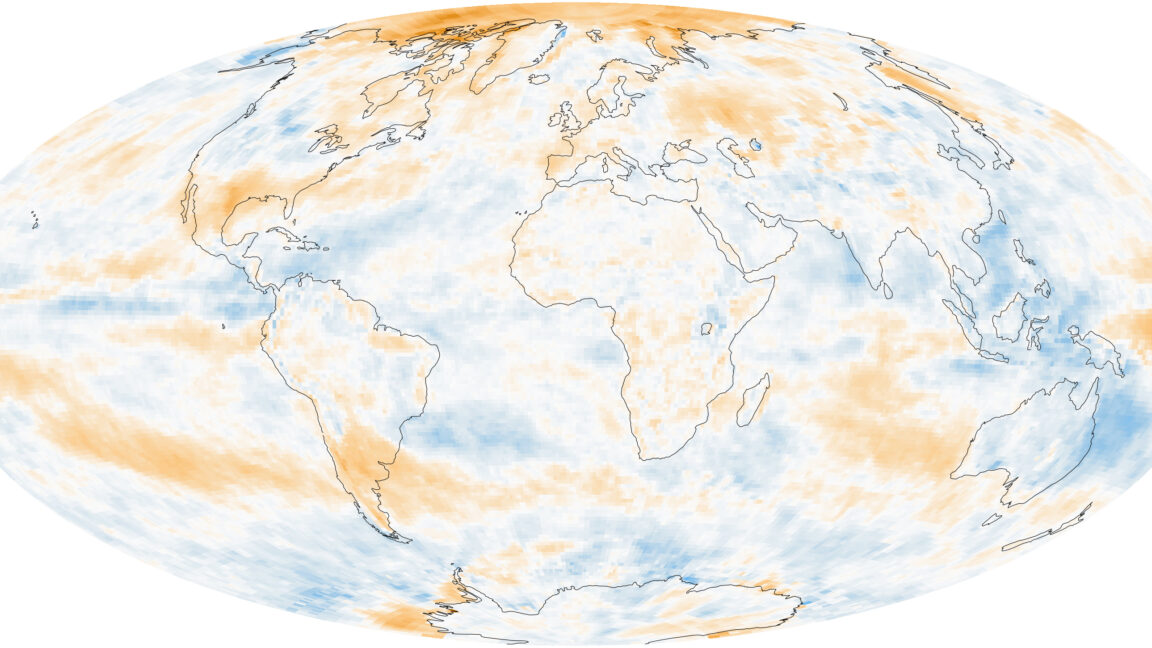
Scientists report a persistent east–west albedo symmetry around 27° E—a triple symmetry that climate models currently fail to reproduce and which could refine future climate projections—alongside briefs on dolphins using individual vocal labels to avoid coercive males, urban bowerbirds decorating with human trash, and titanosaurs’ bones hosting beetle-driven ichnofacies after death.

The Brightness of Venus Explained
science6 months ago

The Brightness of Venus Explained

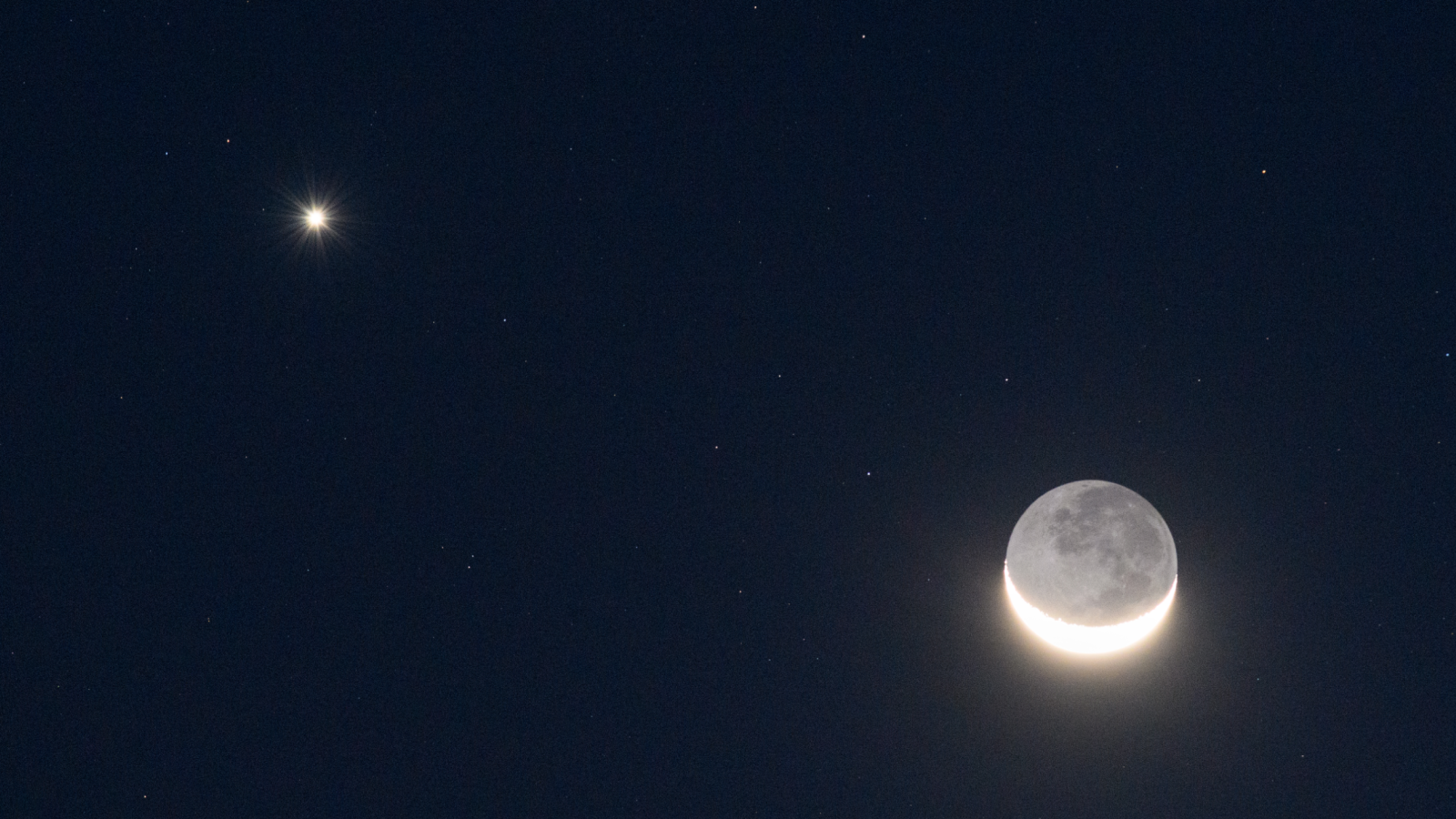
Venus appears so bright in the night sky primarily due to its high albedo, reflecting about 76% of sunlight because of its thick cloud cover of sulfuric acid droplets, and its proximity to Earth, making it the second-brightest object after the Moon. Its brightness varies with its phase, distance from Earth, and the scattering of sunlight by its clouds, sometimes making it visible during the day.

Earth's Dimming and Symmetry Loss Signal Climate Shifts
science8 months ago

Earth's Dimming and Symmetry Loss Signal Climate Shifts

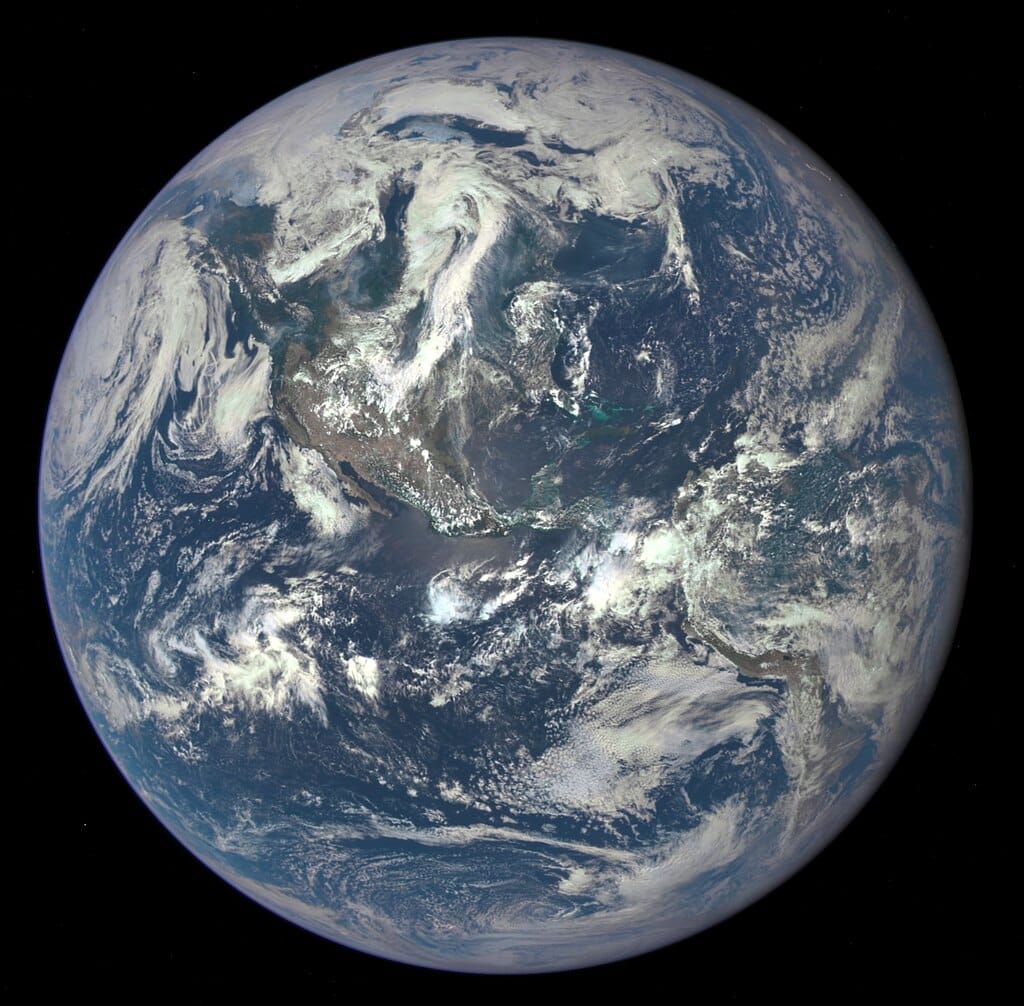
Recent satellite data reveal that the Earth's Northern Hemisphere is absorbing more sunlight than the Southern Hemisphere, breaking the long-standing symmetry. This shift is attributed to melting snow and ice, reduced pollution, and increased water vapor, potentially impacting global climate patterns. The study highlights the complex interactions between clouds, aerosols, and surface changes in Earth's energy balance.

Diminishing Clouds Linked to Record Global Heat Surge
environment1 year ago

Diminishing Clouds Linked to Record Global Heat Surge

A new study by the Alfred Wegener Institute suggests that changes in Earth's cloud cover, particularly a decline in low-altitude clouds, may explain a recent unexplained 0.2°C surge in global warming. This decline reduces Earth's albedo, meaning less sunlight is reflected back into space, contributing to higher global temperatures. The study highlights the critical role of clouds in climate regulation and suggests that this feedback loop between warming and cloud loss could accelerate global warming, potentially crossing the 1.5°C threshold sooner than expected.

Diminishing Low Clouds Linked to 2023's Record Heat Surge
science1 year ago

Diminishing Low Clouds Linked to 2023's Record Heat Surge

A study by German scientists suggests that the Earth is absorbing more sunlight due to reduced cloud cover, contributing to accelerated global warming. In 2023, a record energy imbalance was observed, with decreased albedo, or reflectivity, largely due to a decline in low-level clouds over northern mid-latitude and tropical oceans. This phenomenon may indicate a feedback loop where rising temperatures reduce cloud cover, further enhancing warming. The findings imply that future climate sensitivity could be higher than current estimates, emphasizing the urgency to understand these changes.

"Scientists Uncover Key Missing Element in Climate Models"
science2 years ago

"Scientists Uncover Key Missing Element in Climate Models"

Researchers from UC Irvine and the University of Michigan have identified that a commonly used climate model overestimates the albedo of ice by about 5%, leading to underestimations of ice melt. By incorporating more accurate ice reflectivity data, the model now shows the Greenland Ice Sheet melting at a rate of six gigatons more than previously estimated. This finding highlights the importance of accounting for microphysical properties of ice, such as the effects of algae and dust, in climate models.

"Booz Allen Ventures Makes First Space Investment in Albedo's VLEO Satellite Constellation"
space-technology2 years ago

"Booz Allen Ventures Makes First Space Investment in Albedo's VLEO Satellite Constellation"

Albedo, an Earth-observation startup, has raised $35 million in a Series A-1 investment round to accelerate the deployment of its very low Earth orbit (VLEO) constellation, aiming to provide high-resolution Earth imagery with 10-centimeter resolution and two-meter thermal imagery for commercial and defense customers. The funding, led by Standard Investments, brings the total funding to $97 million and will support the launch of the company's first satellite in 2025.

"Uncovering Arctic Warming: New Insights on Chasing the Light"
climate-science2 years ago

"Uncovering Arctic Warming: New Insights on Chasing the Light"

A study by Sandia researchers using GPS satellite radiometer data has revealed new insights into the reduction of sunlight reflectivity, or albedo, in the Arctic, which is heating up at a rate four times faster than the rest of the planet. The study found a 20% to 35% decrease in total reflectivity over the Arctic summer, with one-third attributed to fully melted ice and the remaining two-thirds likely caused by the weathering of the remaining sea ice. The researchers hope that their findings will be incorporated into models for Arctic amplification and plan to continue mining the GPS data for further analysis.

"Metallic Clouds Found on Mirror Planet: Astronomers' Discovery"
science3 years ago

"Metallic Clouds Found on Mirror Planet: Astronomers' Discovery"

Astronomers have discovered an intriguing planet, LTT9779 b, located 260 light-years away from Earth, which reflects around 80 percent of its star's light despite its close proximity to the star. The planet, estimated to have a surface temperature of 2,000 degrees Celsius, is believed to have metal clouds made of silicate and titanate, creating a mirror-like effect. This discovery challenges previous assumptions about cloud formation in hot planets and highlights the complexity of our universe.

"Unveiling the Enigma: The Mirror-Like Exoplanet with Metallic Clouds"
astronomy3 years ago

"Unveiling the Enigma: The Mirror-Like Exoplanet with Metallic Clouds"

Astronomers have discovered a "hot Neptune" exoplanet called LTT9779 b, which reflects 80% of the light shone on it, making it the shiniest exoplanet ever observed. The planet's high albedo is a mystery, as it is located extremely close to its star and should not have any clouds. However, observations from the Cheops satellite suggest that the planet's atmosphere is super-saturated with silicate and metal vapors, allowing metallic clouds to form. This indicates that the planet started out as a gas giant but has been losing mass over time. Further observations from telescopes like Hubble and James Webb could provide more insights into this intriguing world.