Tag

Metal Organic Frameworks

All articles tagged with #metal organic frameworks

Oregon State Material BVR-X Captures Carbon Despite High Moisture
science6 days ago

Oregon State Material BVR-X Captures Carbon Despite High Moisture

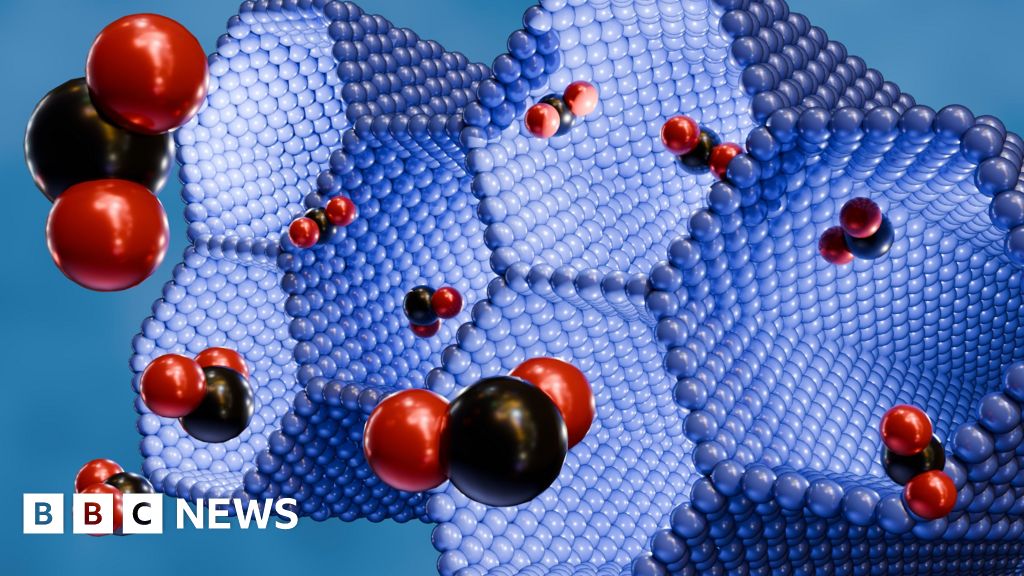
Researchers at Oregon State University have developed a new metal-organic framework called BVR-X that maintains carbon capture efficiency even in humid industrial exhaust. Published in Angewandte Chemie, the material separates water and carbon dioxide within its pores, avoiding the performance loss typical of existing technologies. This innovation could reduce the energy costs associated with drying exhaust gases, making carbon capture more viable for factories and power plants.


science-and-technology1 month ago

Researchers Coat Mitochondria with Metal-Organic Frameworks Without Disrupting Energy Production

Researchers from Politecnico di Milano and IRCCS Fondazione Istituto Neurologico Carlo Besta have successfully coated mitochondria with Metal-Organic Frameworks (MOFs) without impairing their energy-producing capabilities. Published in the Journal of the American Chemical Society, this study demonstrates that these advanced materials can be applied at micromolar concentrations to modify mitochondrial surfaces. While the technique holds potential for future treatments of mitochondrial diseases and transplantation, it remains in the preclinical stage. The findings align with broader trends in nanomedicine, where tunable materials are being explored to target cellular organelles for therapeutic purposes.

Oregon State Researchers Develop Sulfur-Based Material for Cheaper Green Hydrogen
science-and-technology1 month ago

Oregon State Researchers Develop Sulfur-Based Material for Cheaper Green Hydrogen

A new light-activated material from Oregon State University can produce hydrogen from water without expensive metal catalysts. The material, BVR-19, uses a unique sulfur bond to drive the reaction efficiently. This approach could lower the cost of green hydrogen, which currently costs about $5 per kilogram compared to $1.50 for fossil-fuel-derived hydrogen. The findings, published in the Journal of the American Chemical Society, offer new design rules for solar fuel production.

Nobel Laureate Kitagawa Proposes 50-Year Plan to Mine Raw Materials from Air
science3 months ago

Nobel Laureate Kitagawa Proposes 50-Year Plan to Mine Raw Materials from Air

Nobel Prize winner Susumu Kitagawa argues that humanity must shift from extracting resources from the ground to separating them from the air using advanced porous materials. He proposes using metal-organic frameworks (MOFs) to capture gases like carbon dioxide and water vapor, which can then be converted into fuels and fertilizers. While the technology is decades away, Kitagawa believes it could eventually replace fossil fuel dependency with a sustainable, air-based chemical economy.

2025 Space Discoveries: New Moons, Mergers, and Future Horizons
science11 months ago

2025 Space Discoveries: New Moons, Mergers, and Future Horizons

Despite political challenges in 2025, significant scientific achievements were made, including the detection of the strongest gravitational signals from black hole mergers, advancements in nuclear fusion, innovative gene therapies, and breakthroughs in chemical recycling and climate research, highlighting a resilient and innovative scientific community.

Three Scientists Awarded Nobel Prize for Advances in Molecular and Material Architecture
science1 year ago

Three Scientists Awarded Nobel Prize for Advances in Molecular and Material Architecture

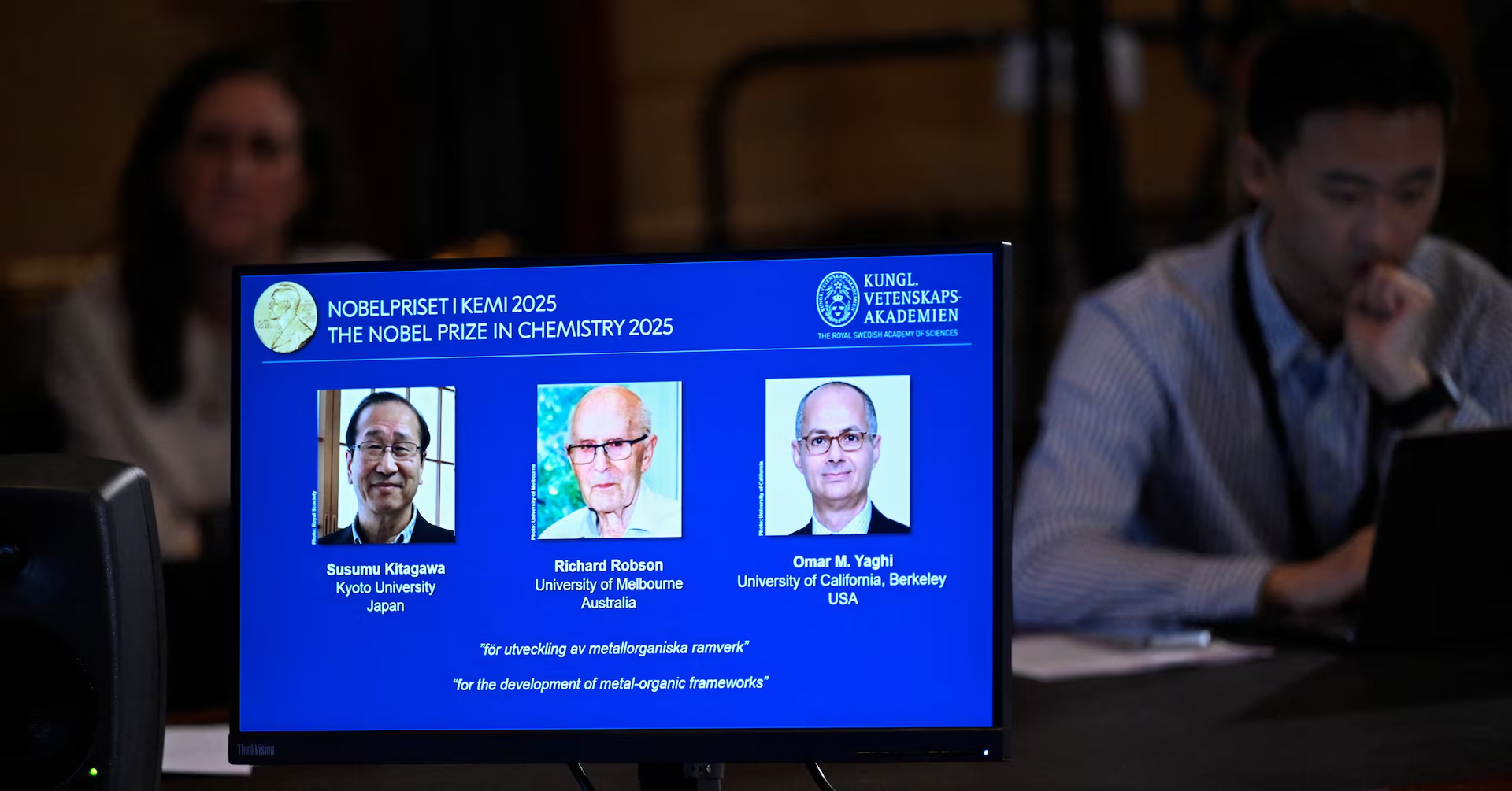
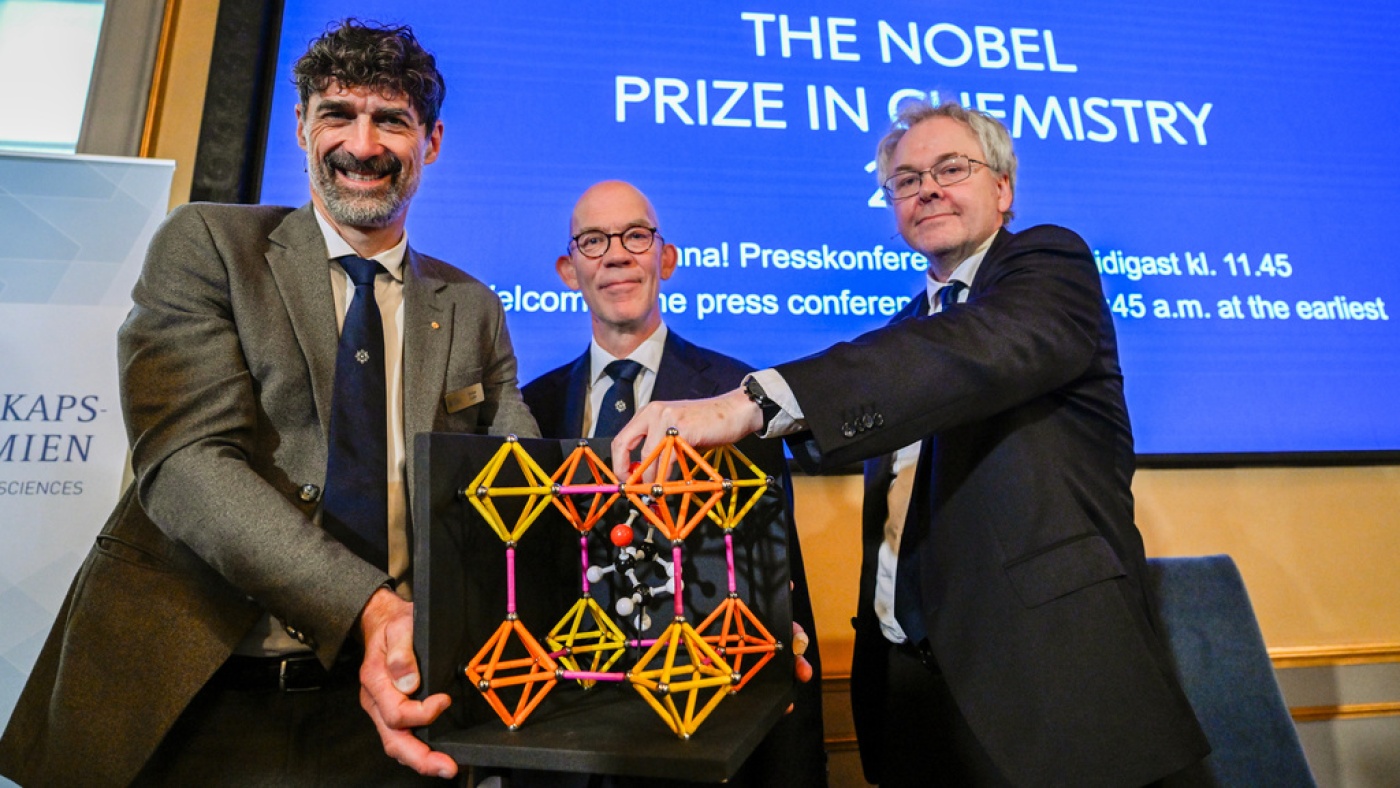
Scientists Susumu Kitagawa, Richard Robson, and Omar Yaghi won the 2025 Nobel Prize in Chemistry for developing porous materials called metal-organic frameworks that can store large amounts of gas in tiny volumes, with applications in climate change mitigation and water harvesting, likened to Hermione's handbag in Harry Potter.

Nobel Prize in Chemistry 2025 Awarded for Metal-Organic Frameworks
science1 year ago

Nobel Prize in Chemistry 2025 Awarded for Metal-Organic Frameworks

Susumu Kitagawa, Richard Robson, and Omar Yaghi received the 2025 Nobel Prize in Chemistry for developing metal-organic frameworks (MOFs), which are versatile molecular structures with large cavities used for water harvesting, pollutant removal, and gas storage, promising significant benefits for environmental and industrial applications.

MIT Develops Iron and Iodine Fortified Coffee to Combat Nutrient Deficiency
health1 year ago

MIT Develops Iron and Iodine Fortified Coffee to Combat Nutrient Deficiency

MIT researchers have developed a novel method using metal-organic frameworks (MOFs) to fortify foods and beverages with iron and iodine, aiming to combat global nutrient deficiencies. These stable, crystalline particles can be added to staple foods and drinks without affecting taste or reactivity, and can release nutrients in the stomach. The approach offers a promising solution for improving nutrition in developing regions and beyond.

"MOFaxanes: The Innovative Interlocking Supramolecular Systems"
science-and-technology3 years ago

"MOFaxanes: The Innovative Interlocking Supramolecular Systems"

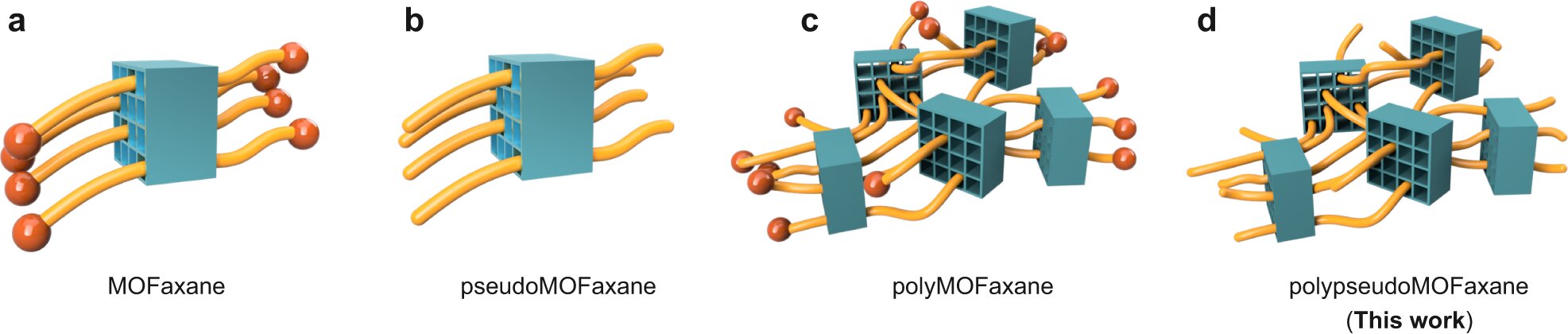
Researchers at the University of Tokyo have developed a new class of interlocking supramolecular systems by combining metal-organic frameworks (MOFs) with rotaxanes, creating what they call MOFaxanes. By threading rotaxane polymer chains through the pores in a MOF made using copper, they were able to create new kinds of interlocking structures. The range of creatable MOFaxane structures types and sizes should be virtually unlimited due to the tunability of MOFs.