Tag

Impact

All articles tagged with #impact

Google Maps Find Leads to Discovery of Hidden 15-Mile Canadian Crater
science22 days ago

Google Maps Find Leads to Discovery of Hidden 15-Mile Canadian Crater

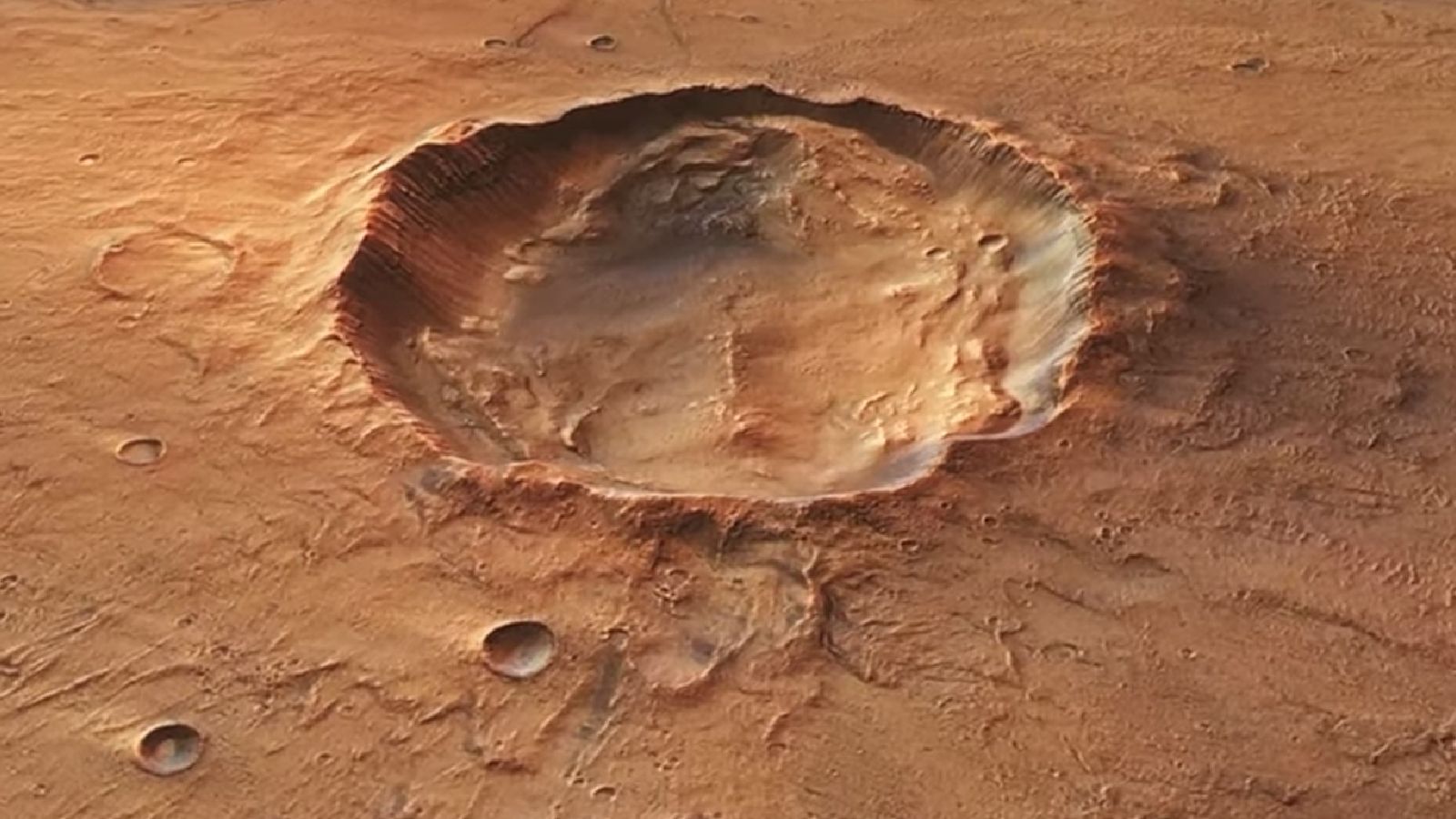
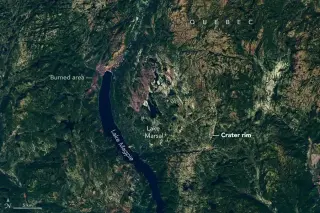
A camper scrolling Google Maps near Lake Marsal in Quebec spotted a near-perfect 15-mile ring. After checking crater databases, researchers Osinski and Gattacceca led a 2025 field expedition where they found shatter cones and impact melt, confirming the feature as an impact crater about 390 million years old with a 25 km diameter, named Uhackatik on Innu land. This marks the first publicly reported sighting confirmed as an Earth impact crater, highlighting that only ~200 craters are confirmed and many more likely remain hidden beneath sediment, ice, or water.

Tiny 500-km world beyond Neptune may host a fleeting atmosphere
space1 month ago

Tiny 500-km world beyond Neptune may host a fleeting atmosphere

A 2024 stellar occultation suggests the 500-km trans-Neptunian object 2002 XV93 has a global atmosphere of about 100–200 nanobars, thin but detectable for such a small body; without replenishment it would escape in under 1,000 years. The gas species aren’t identified yet, and possible sources include a recent collision or ongoing cryovolcanism. Webb observations found no obvious surface ice reservoir to explain it, so independent verification through future occultations or infrared spectroscopy is needed to determine the origin and fate of this ephemeral atmosphere.

Amateur map search uncovers 390-million-year-old meteor crater in Quebec
science2 months ago

Amateur map search uncovers 390-million-year-old meteor crater in Quebec

An amateur in Quebec spotted a circular feature on Google Maps that led scientists to confirm Uhackatik, a roughly 15.5-mile-wide meteorite impact crater dating to about 390 million years ago in Quebec’s Côte-Nord. Fieldwork uncovered shatter cones and impact-melt rock, making it one of the largest crater discoveries in recent years; researchers plan to present results at the Meteoritical Society meeting.

Moon Grain Clues Point to Extended Early Solar System Bombardment
science3 months ago

Moon Grain Clues Point to Extended Early Solar System Bombardment

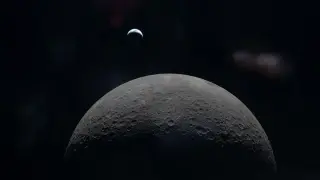
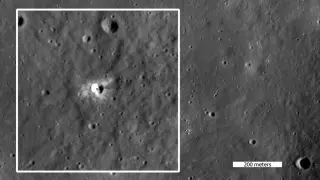
Geologists analyzing 21 baddeleyite grains in lunar breccia NWA 12593 found evidence of a separate, ultra-high-temperature impact around 3.486 billion years ago, implying a prolonged bombardment of the inner Solar System after the Late Heavy Bombardment and aligning with Earth and Vesta records; the findings offer clues about how such catastrophic events may have influenced the environment when life was emerging on Earth.

Moon-Sized Impact May Have Forged Venus’s Slow Retrograde Spin
space3 months ago

Moon-Sized Impact May Have Forged Venus’s Slow Retrograde Spin

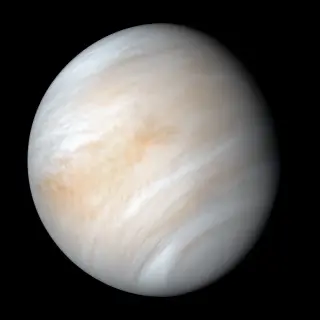
A new presentation argues Venus’s slow retrograde rotation could result from a high-angle, moon-sized impact in its first 50 million years, triggering a magma ocean and melting most of the mantle; depending on the impact specifics, this could evolve into the current rotation while leaving open questions about interior water and Venus’s lack of plate tectonics.

Ancient North Sea Impact Triggered a 330-Foot Megatsunami, Scientists Say
science5 months ago

Ancient North Sea Impact Triggered a 330-Foot Megatsunami, Scientists Say

Seismic data and rock cuttings confirm the Silverpit Crater off Yorkshire formed 43–46 million years ago when a ~160-meter asteroid struck the shallow North Sea, vaporizing rock and water and spawning a tsunami over 100 meters tall; two shocked mineral grains in nearby samples settled the long-running debate and establish Silverpit as a rare marine impact crater.

Brazil Uncovers Vast Field of Ancient Space Glass
science7 months ago

Brazil Uncovers Vast Field of Ancient Space Glass

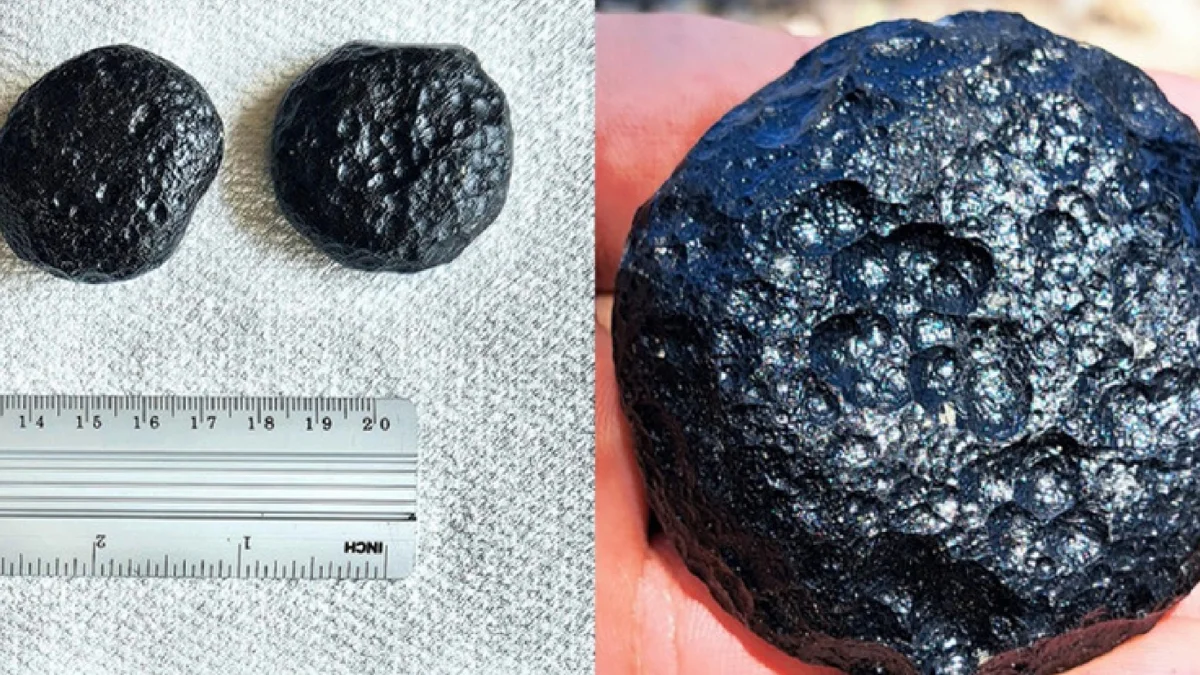
Scientists have identified hundreds of tektites—glass droplets formed when a meteorite melted surface rock—over a 900-km region in Brazil, named geraisites. Dating places the material up to about 6.3 million years old and reveals an ancient crustal source from the São Francisco Craton. No nearby crater has been found, but the discovery expands Brazil's impact history and suggests tektites may be more common than previously thought.

First Brazilian Tektite Field Traces 6.3-Million-Year Cosmic Impact
science7 months ago

First Brazilian Tektite Field Traces 6.3-Million-Year Cosmic Impact

Brazilian researchers have identified the country’s first tektite field, Geraisites, a collection of glassy fragments spread across Minas Gerais and adjacent states that indicate a substantial ancient impact. Dating with 40Ar/39Ar places the event at about 6.3 million years ago, during the Miocene, with isotopic signatures pointing to a very old continental crust source in the São Francisco craton. The field now spans over 900 km, and while no crater is yet known, the data imply a powerful impact with dispersed molten material; researchers plan aerogeophysical surveys and modeling to estimate the event’s energy, velocity, and crater geometry. This discovery expands South America’s sparse tektite record and suggests tektites may be more common than previously thought.