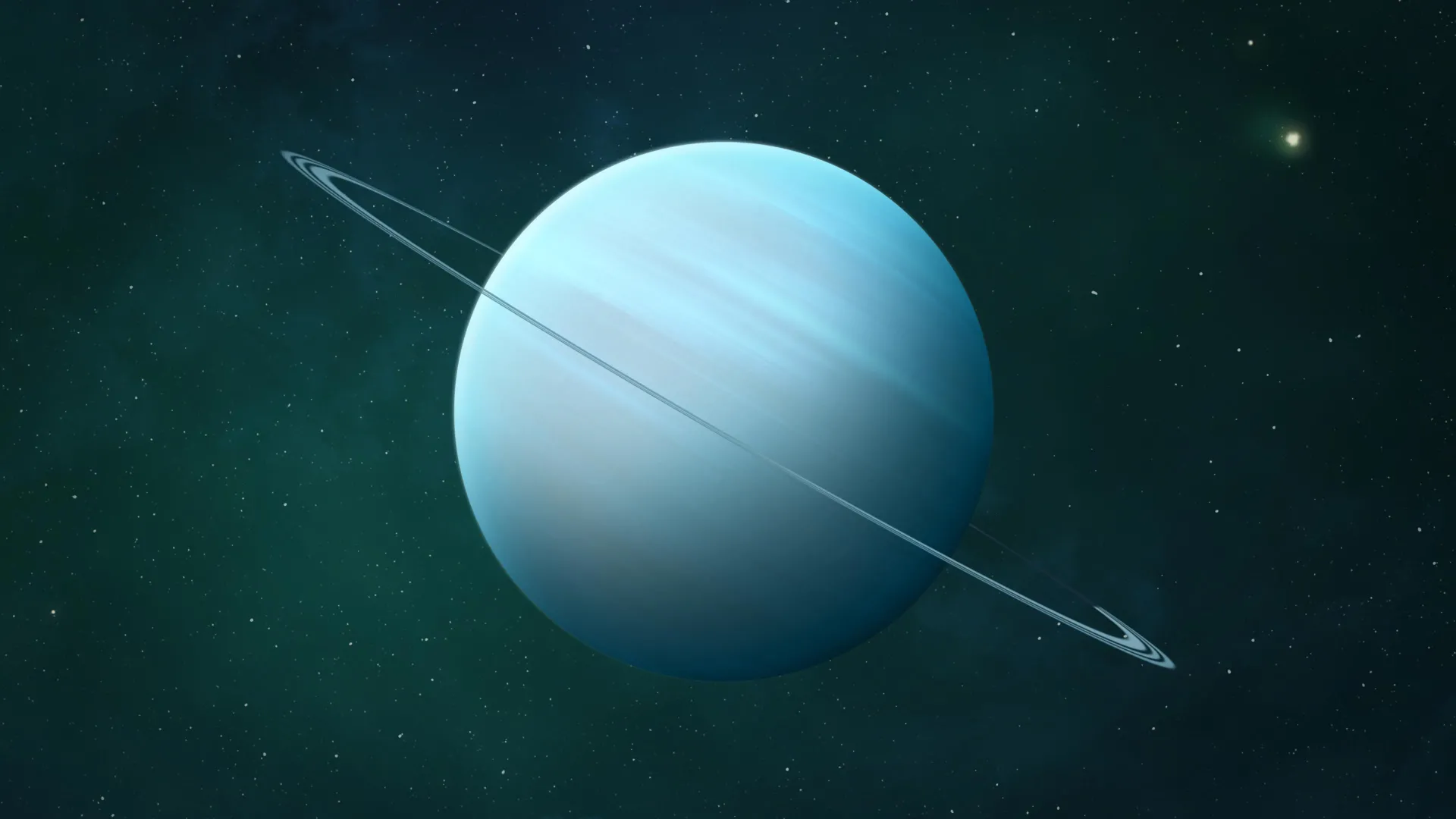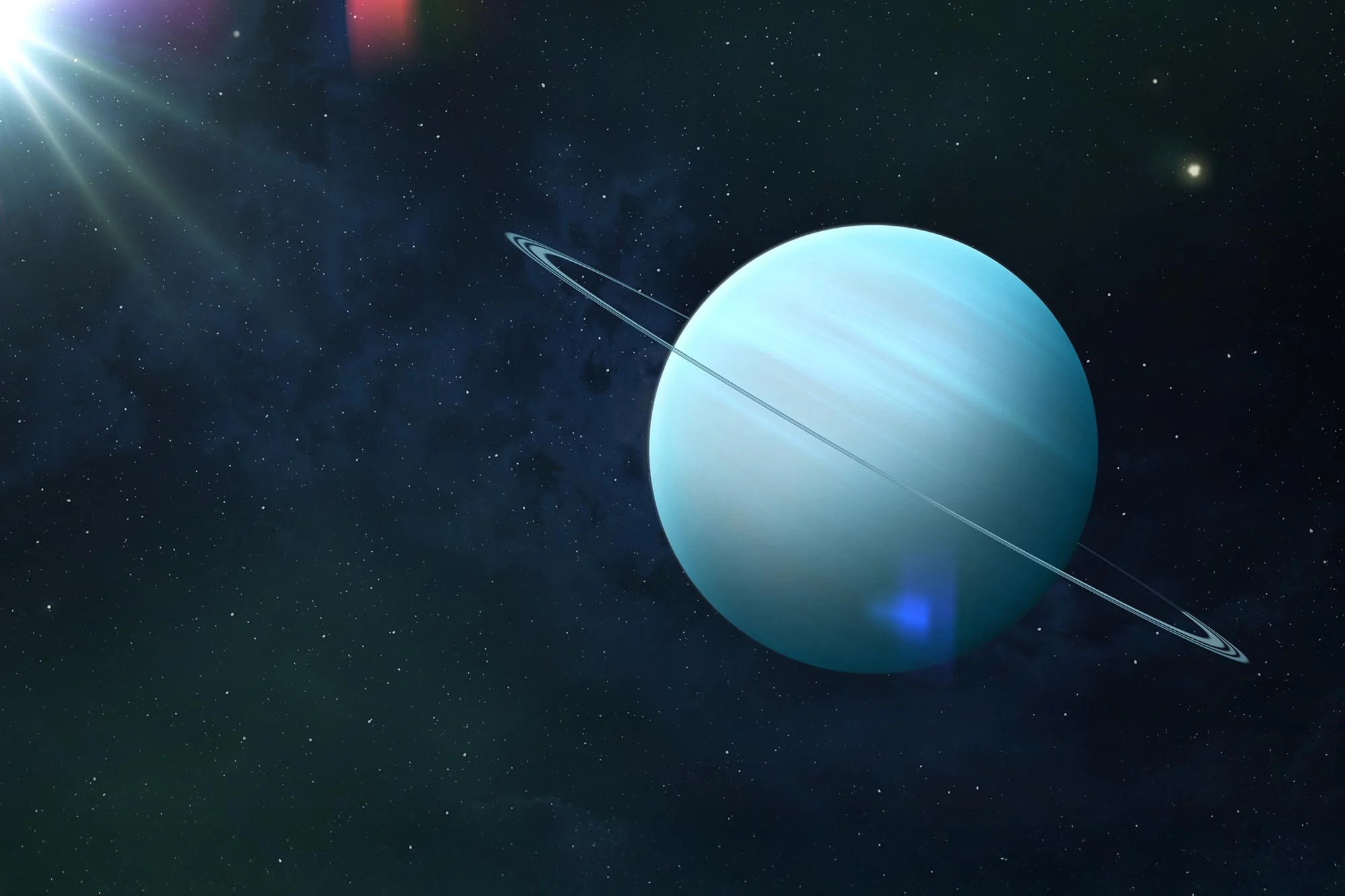
Neptune's Hidden Engine Drives Solar-System's Fastest Winds
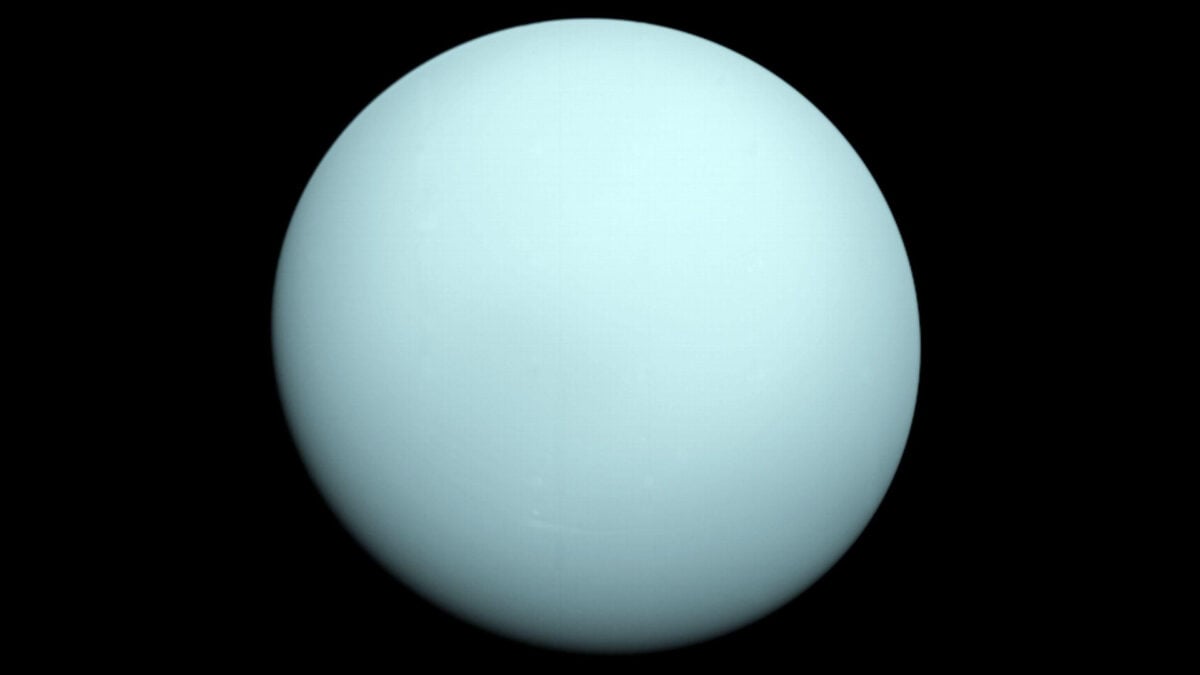
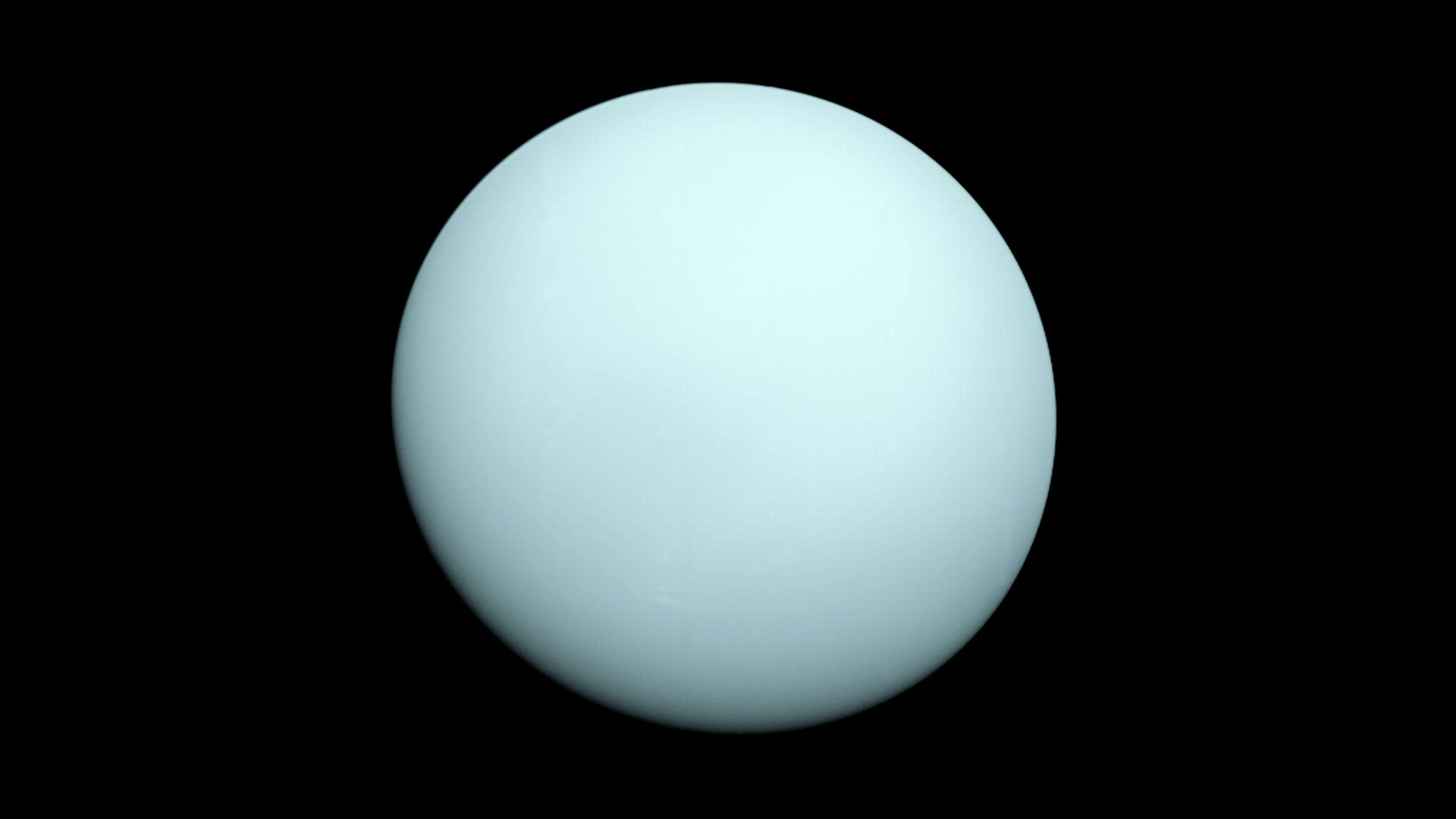
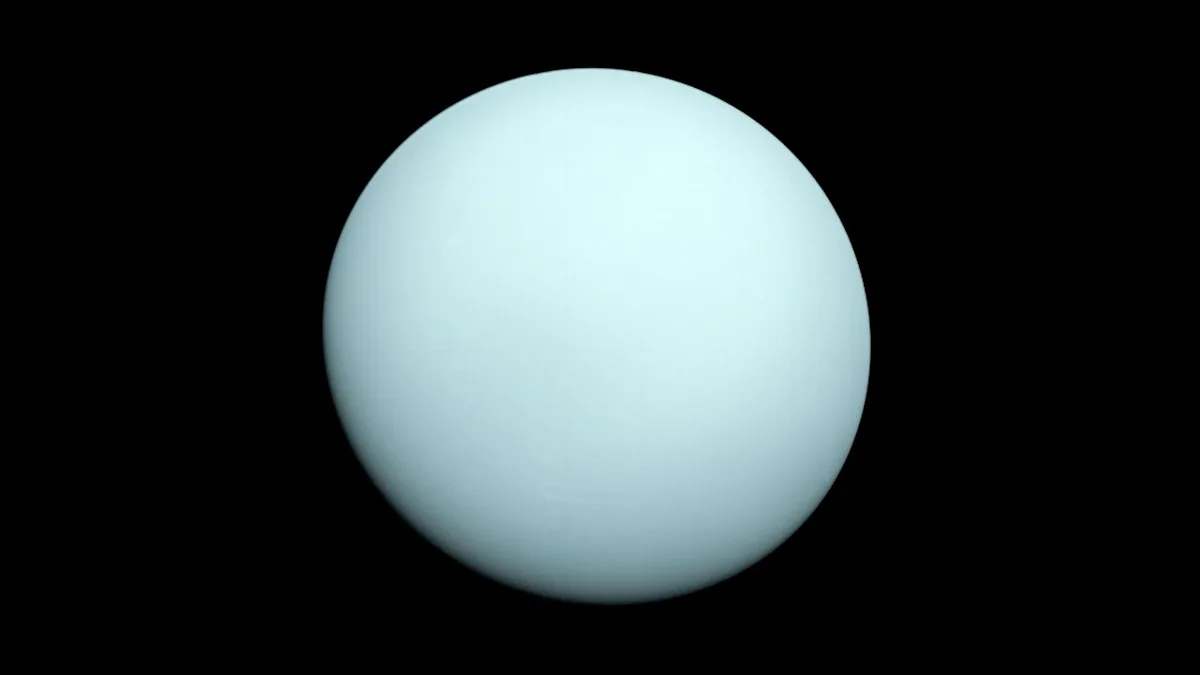
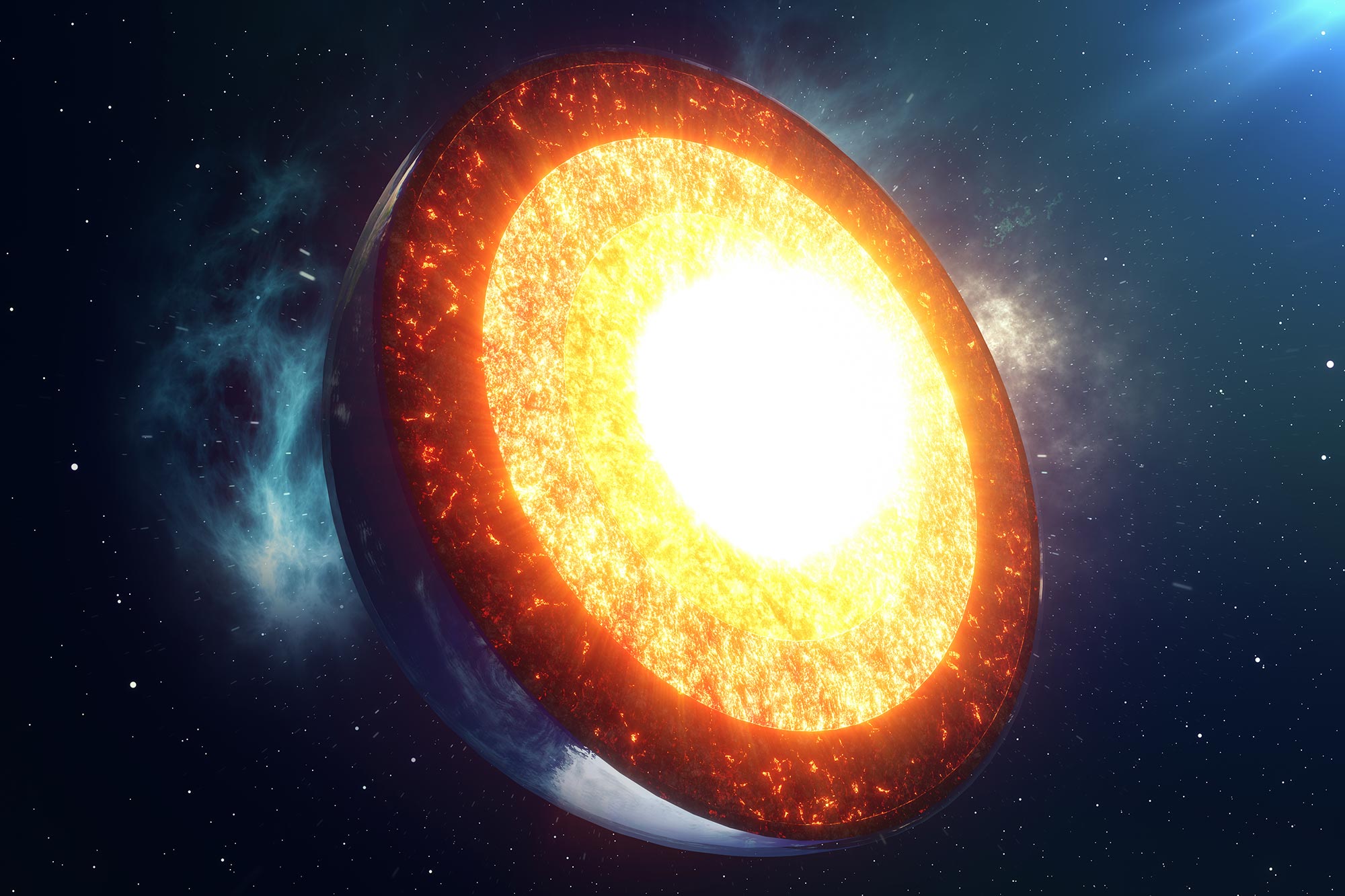
Neptune hosts the fastest winds in the solar system—over 2,000 km/h—despite daylight being about 900 times dimmer than Earth’s, because it radiates more internal heat than it absorbs from the Sun. Rapid rotation, convection, atmospheric waves and low drag organize this energy into broad east-west jets; the planet’s weather layer is likely relatively shallow, and a heat surplus drives the storms. Voyager 2 measured near-2,000 km/h winds during its 1989 flyby; later observations show persistent jets with changing vortices, but the exact mechanism remains debated and likely a combination of internal heat, atmospheric dynamics, and rotation. Future missions could help pinpoint how Neptune converts energy into its striking winds.