Tag

Moons

All articles tagged with #moons

Webb Discovers Uranus’s 29th Moon, a Tiny 10-km World Voyager 2 Missed
space2 days ago

Webb Discovers Uranus’s 29th Moon, a Tiny 10-km World Voyager 2 Missed

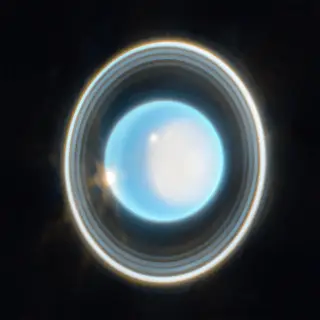
The James Webb Space Telescope found a new Uranian moon, S/2025 U1, about 10 kilometers across, between Ophelia and Bianca, bringing Uranus’s known moons to 29. Voyager 2’s 1986 flyby had already discovered 10 moons (with Perdita later identified in archival data), but its brief, changing view and instrumental limits mean it could miss small objects like this. Webb’s six-hour infrared observations confirmed the moon’s movement, and its proximity to rings and inner moons offers new data for modeling Uranus’s system. The discovery highlights how different observing methods reveal unseen bodies and how future missions could further illuminate the Uranian system.
Uranus’s 97.77-degree tilt: collision or vanished moon—two paths, one mystery
space16 days ago

Uranus’s 97.77-degree tilt: collision or vanished moon—two paths, one mystery

Uranus sits about 97.77 degrees tilted and on its side, a likely result of a giant off-center collision, but a rival history—an ancient moon migrating outward, driving a resonance and eventual collision—also explains the tilt and the tilted moon–ring system. The arrangement fits with the planet’s tilted rings, magnetic field, and extreme seasons, and Voyager 2’s 1986 flyby alongside Webb observations and recent simulations keep both scenarios in play, underscoring that Uranus’s history may be a complex, multi-step rewrite rather than a single event.

Saturn's moon tally climbs to 285 after 2025–2026 confirmations
space18 days ago

Saturn's moon tally climbs to 285 after 2025–2026 confirmations

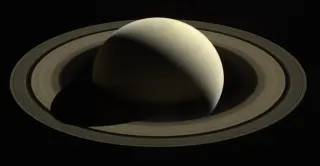
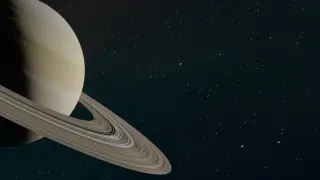
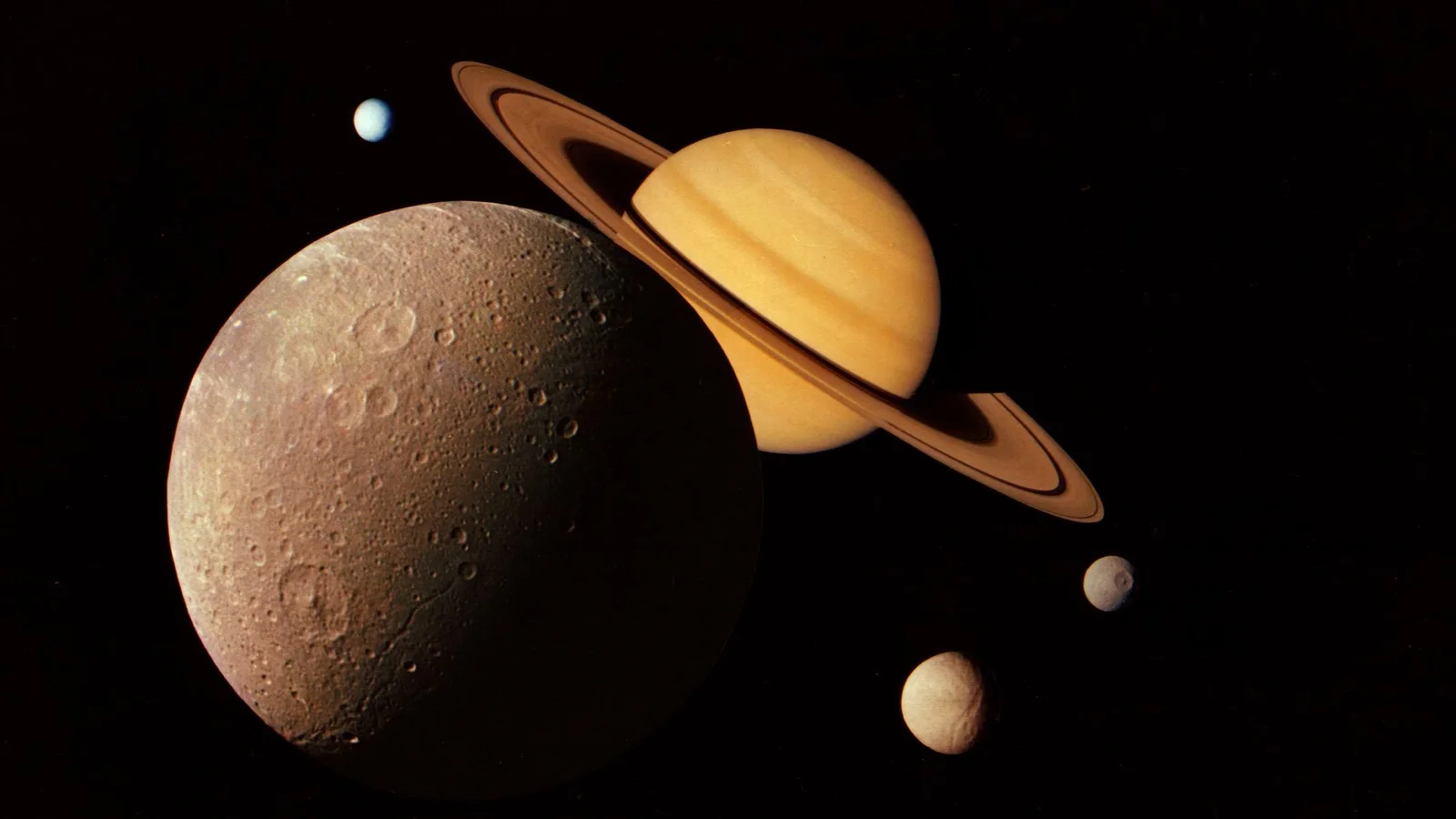
Saturn's official confirmed-moon total rose from 146 to 285 within about a year after the IAU and Minor Planet Center recognised 128 new moons in March 2025 and 11 more in March 2026, a shift driven by deeper surveys and orbit-confirmation work; the 285 figure reflects objects with established Saturn-centric orbits, not a complete census, and older textbooks can be outdated on this count.

Neptune's inner moons may be icy relics from a cataclysmic past
space21 days ago

Neptune's inner moons may be icy relics from a cataclysmic past

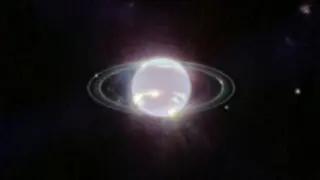
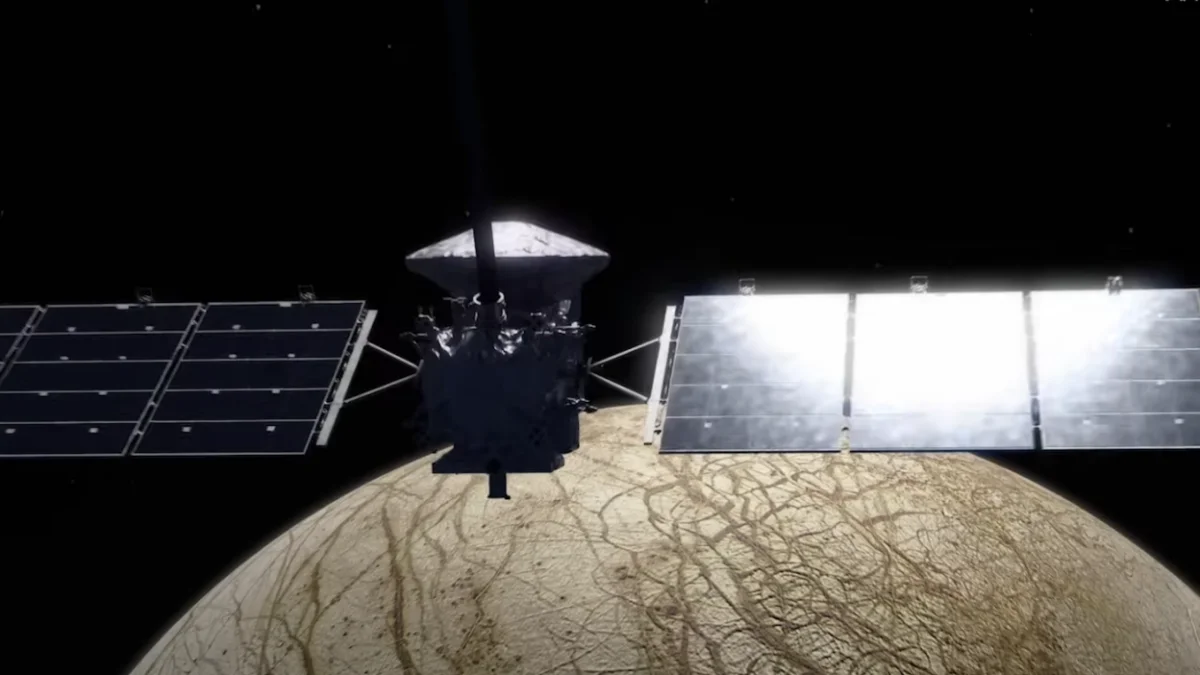
New JWST data suggest Neptune’s inner moons Larissa, Galatea and Proteus may be fragments from ancient icy worlds shattered when Neptune captured Triton. Clay minerals—magnesium-rich phyllosilicates—were detected on Larissa and Galatea, potentially exposing material from deep interiors, while Proteus lacks these minerals. No water ice was detected, complicating the origin story. The researchers propose Triton’s capture turned former moons into rubble that reassembled as Neptune’s inner moons, or that a passing dwarf planet contributed debris. The findings, published July 29 in Science Advances, highlight Neptune’s violent past and the need for an ice-giant mission to study the planet further.

Webb data hint Neptune’s moons were shattered by Triton’s capture
space25 days ago

Webb data hint Neptune’s moons were shattered by Triton’s capture

James Webb Space Telescope observations of Neptune’s inner moons and rings found phyllosilicate clay that formed only with liquid water, implying these materials were shed from a larger body long ago. The most plausible scenario is that Neptune once hosted larger moons that were destroyed when Triton was captured, leaving the current small inner moons and rings. Researchers also spotted a mysterious unidentified mineral that could be a new material, highlighting the potential for further discoveries from a dedicated Neptune mission.

Saturn Doubles Its Moon Count in a 2025 Discovery Wave
space1 month ago

Saturn Doubles Its Moon Count in a 2025 Discovery Wave

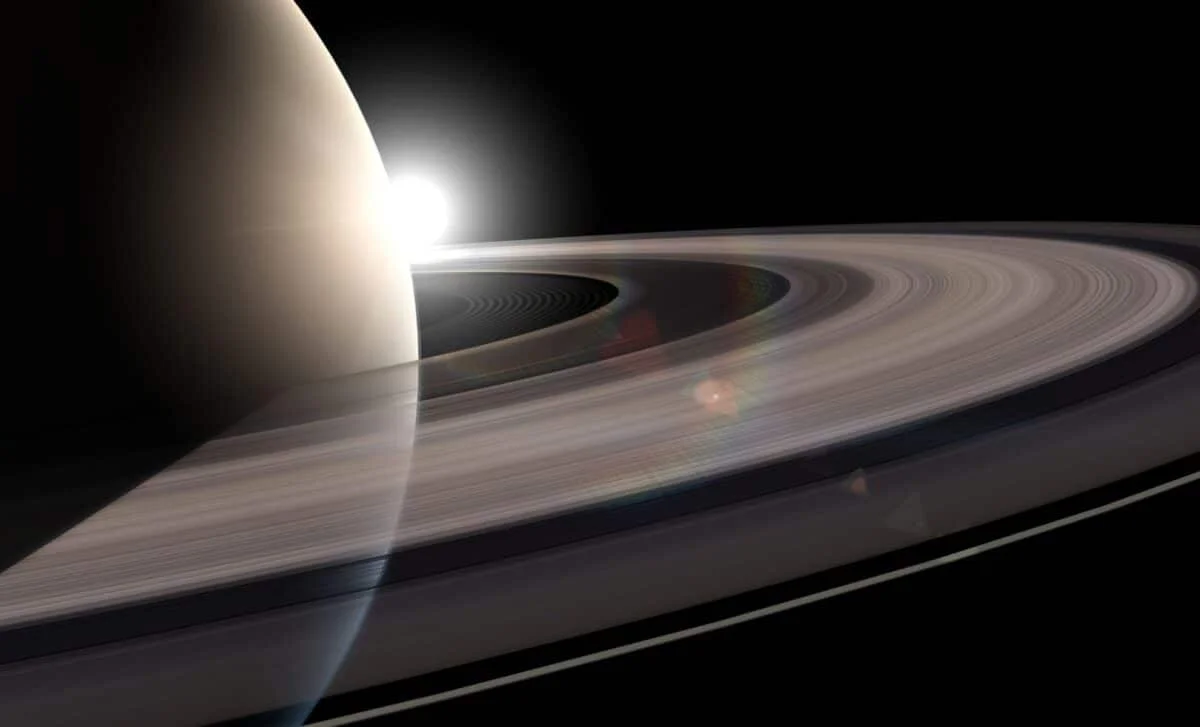
In March 2025, the IAU recognized 128 new irregular Saturnian moons, lifting Saturn’s confirmed total from 146 to 274—more than any other planet—and reflecting a shift in how we detect tiny, distant satellites via shift-and-stack surveys; by March 2026 the tally rose further to 285, underscoring that the outer solar system’s inventory is still expanding and that many new moons are fragments or captured bodies on distant, inclined orbits.

Saturn Becomes Moon King Through Better Detection, Reaching 285 Confirmed Moons
space1 month ago

Saturn Becomes Moon King Through Better Detection, Reaching 285 Confirmed Moons

Saturn’s count of confirmed moons jumped from about 83 in the early 2020s to 285 by 2026 due to deeper, stacked observations that reveal many tiny, distant moons. The surge reflects detection capabilities and survey methods rather than new moons forming, with most new bodies being irregular, captured objects often in clusters from ancient collisions. Jupiter has about 100 confirmed moons, but Saturn now leads; hundreds more candidates remain to be confirmed, and the total will likely keep rising as surveys improve.

Tiny moons boost Jupiter to 101 and Saturn to 285
space5 months ago

Tiny moons boost Jupiter to 101 and Saturn to 285

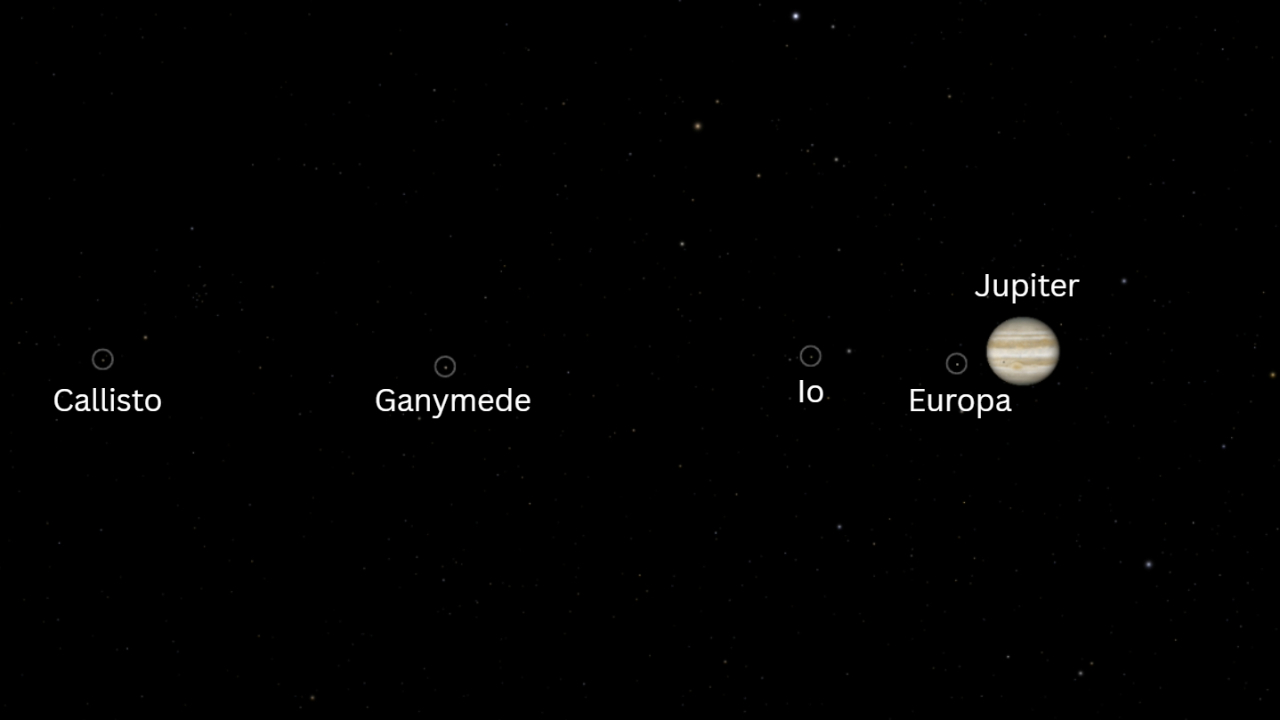
Astronomers report four new moons around Jupiter and 11 around Saturn, bringing totals to 101 and 285 for the planets and lifting the solar system’s known moon count to 442. The tiny satellites (~3 km across) have wide, faint orbits and were discovered with large telescopes (Magellan–Baade, Subaru, CFHT) by teams led by Scott Sheppard, David Tholen, and Edward Ashton.

Mars's Lost Giant Moon: Evidence for an 18× Phobos-Sized Satellite
science6 months ago

Mars's Lost Giant Moon: Evidence for an 18× Phobos-Sized Satellite

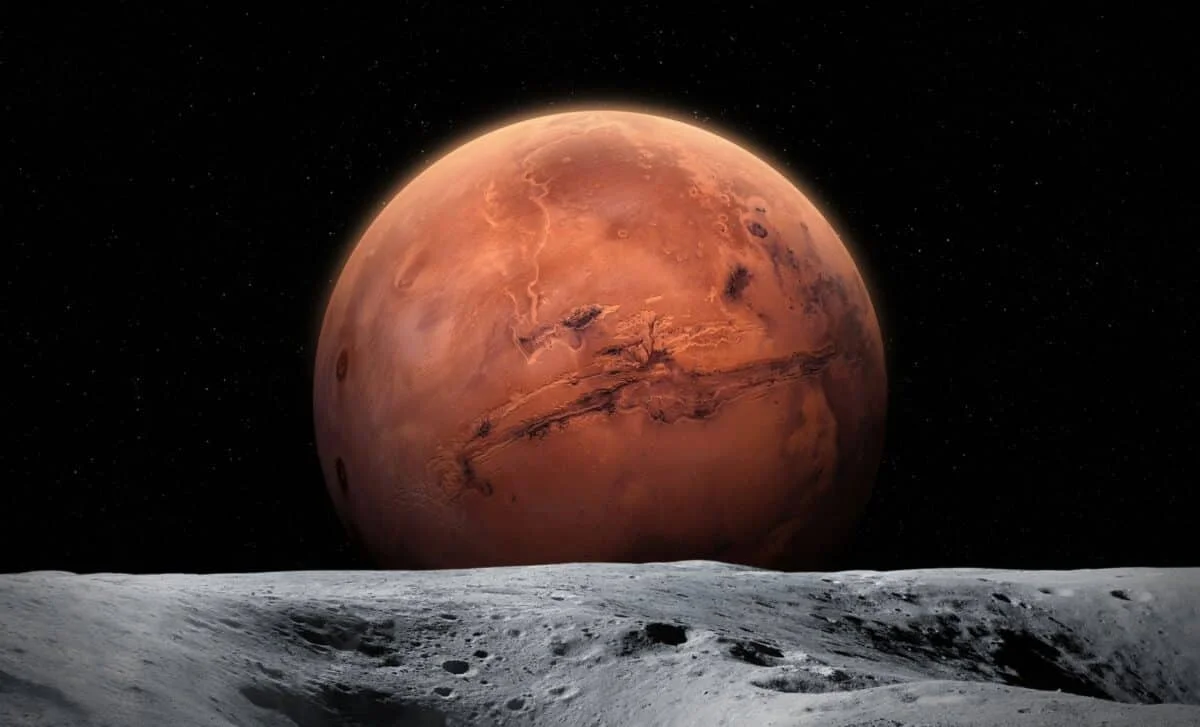
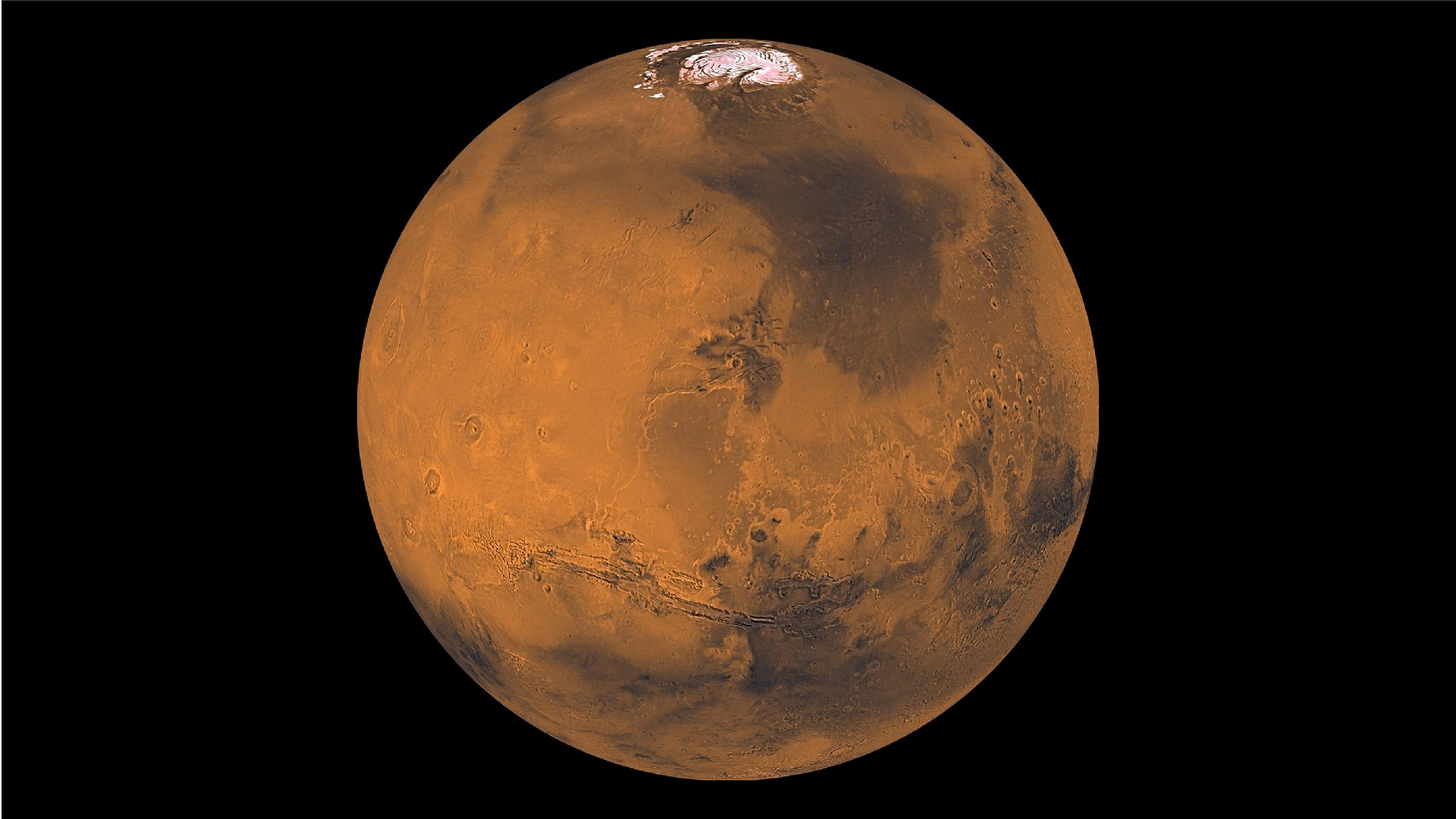
Sedimentary rhythmites in Gale Crater's Jura outcrop, analyzed by NASA's Curiosity rover, point to Mars once hosting a much larger moon capable of driving tides in an ancient lake. The proposed moon would have been about 18 times the mass of Phobos and may have been tidally destroyed into rings that later formed Phobos and Deimos. While promising, the evidence isn’t definitive and researchers will inspect additional sites to test the idea.

Charon’s Guts May Have Created Pluto’s Moons
science11 months ago

Charon’s Guts May Have Created Pluto’s Moons

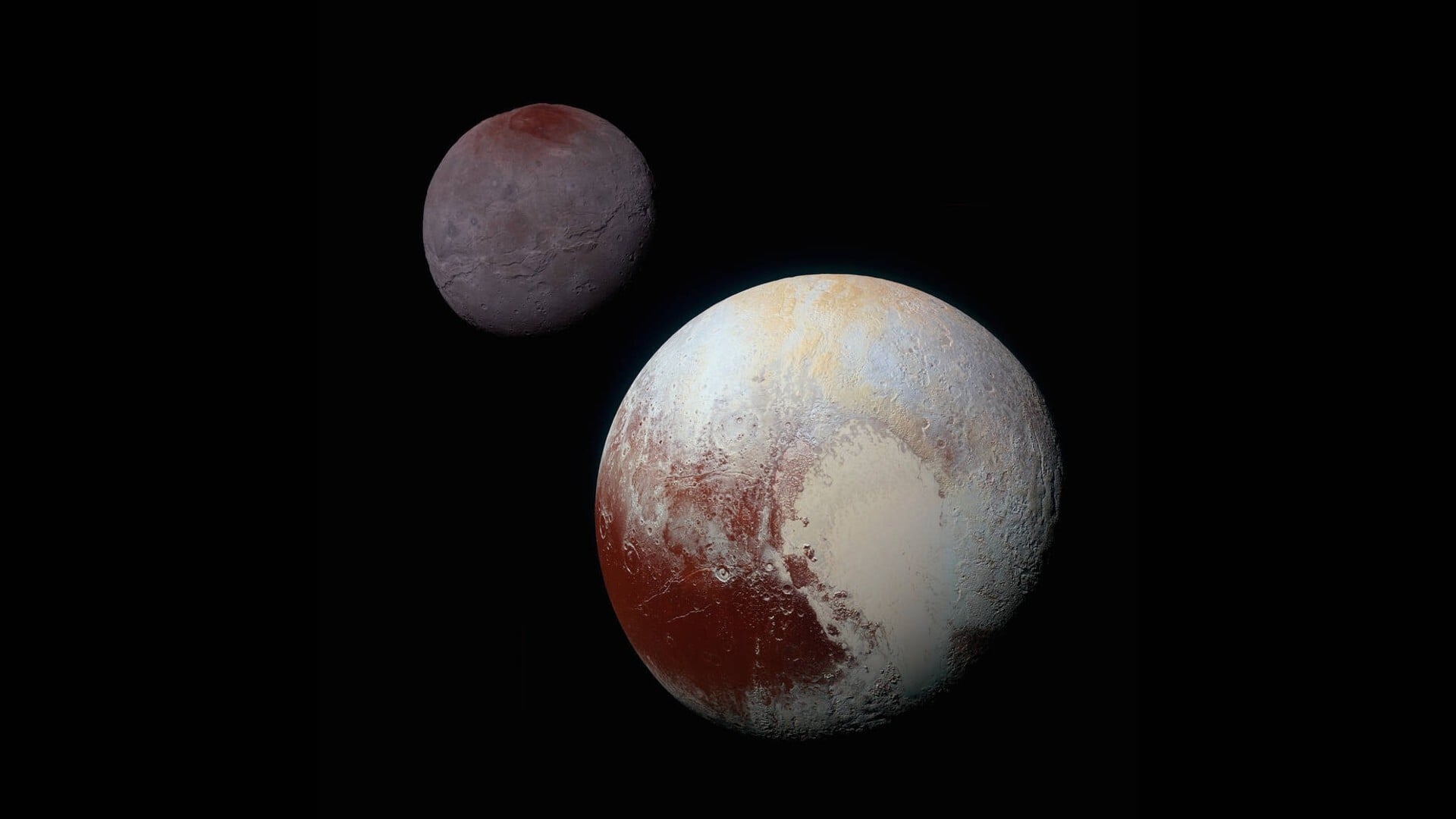
New research using the James Webb Space Telescope suggests that Pluto's moons Nix and Hydra may be composed of material ejected from Charon during its formation, indicating they could be fragments of Charon's interior. This supports the idea that these moons originated from debris created in a collision that formed Pluto and Charon, and they may still be interacting with Charon's surface today. The findings provide new insights into the history and composition of Pluto's satellite system.

Mars's Moons: Do They Exist?
science1 year ago

Mars's Moons: Do They Exist?

Mars has two small moons, Phobos and Deimos, whose origins are still debated; they may be captured asteroids or formed from debris after a collision with Mars. Upcoming JAXA missions aim to analyze samples from Phobos to better understand their formation and possibly early Mars conditions.