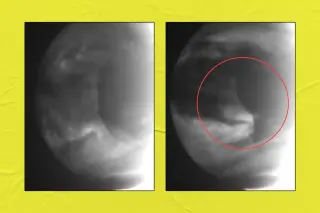
Astronomers using data from JAXA's Akatsuki probe identify the largest hydraulic jump in the solar system, where turbulence in Venus's lower cloud layer triggers a strong updraft that lofts sulfuric acid vapor into the upper clouds, creating a giant, slow-moving cloud front.
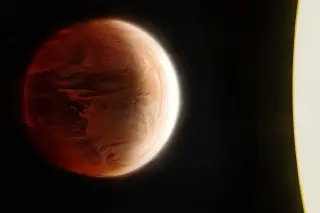
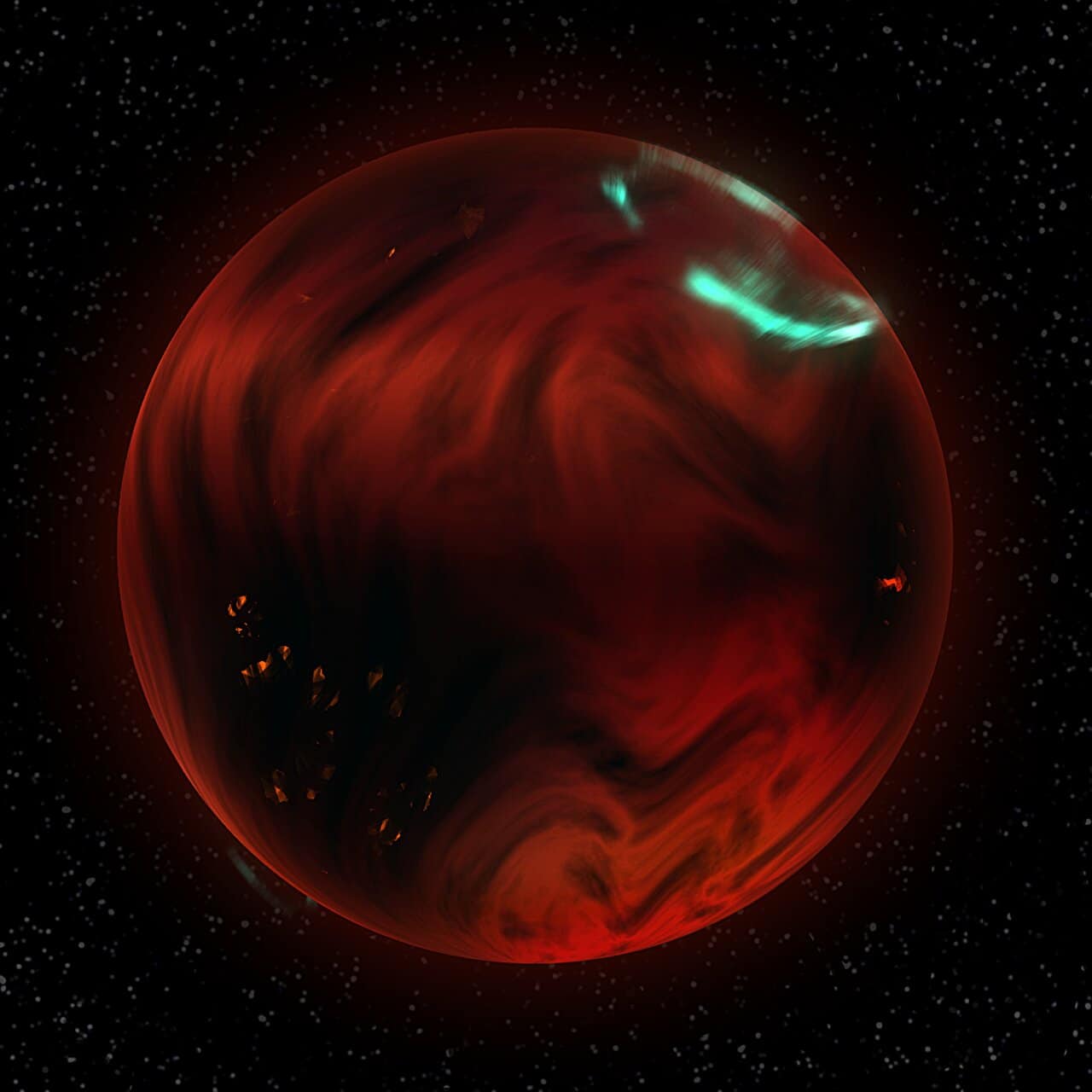
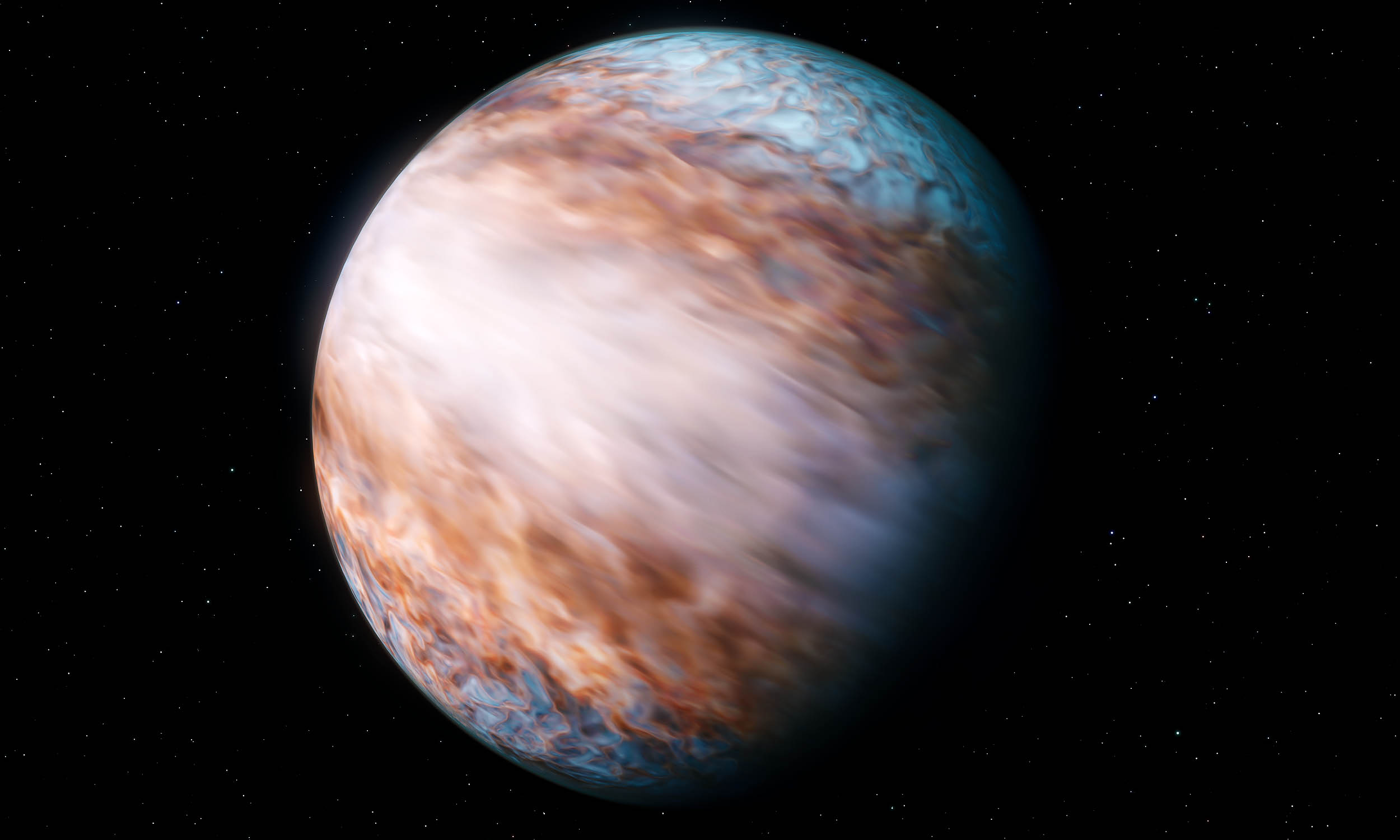
Using the James Webb Space Telescope, scientists studied the complex, chaotic weather of SIMP 0136, a brown dwarf 20 light-years away, revealing layered, turbulent atmospheres with dynamic cloud formations and vertical mixing, providing insights into atmospheric processes on similar exoplanets.
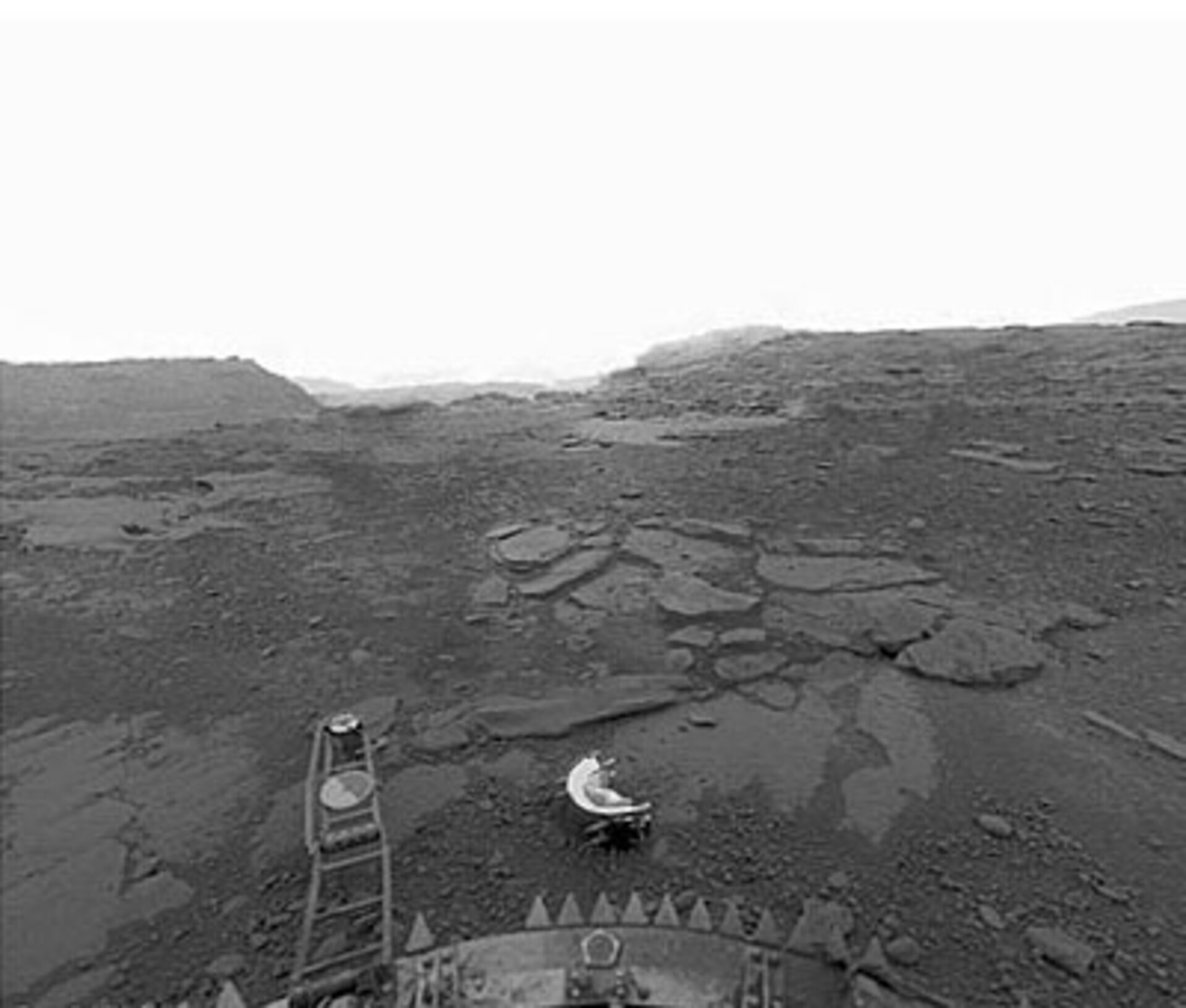
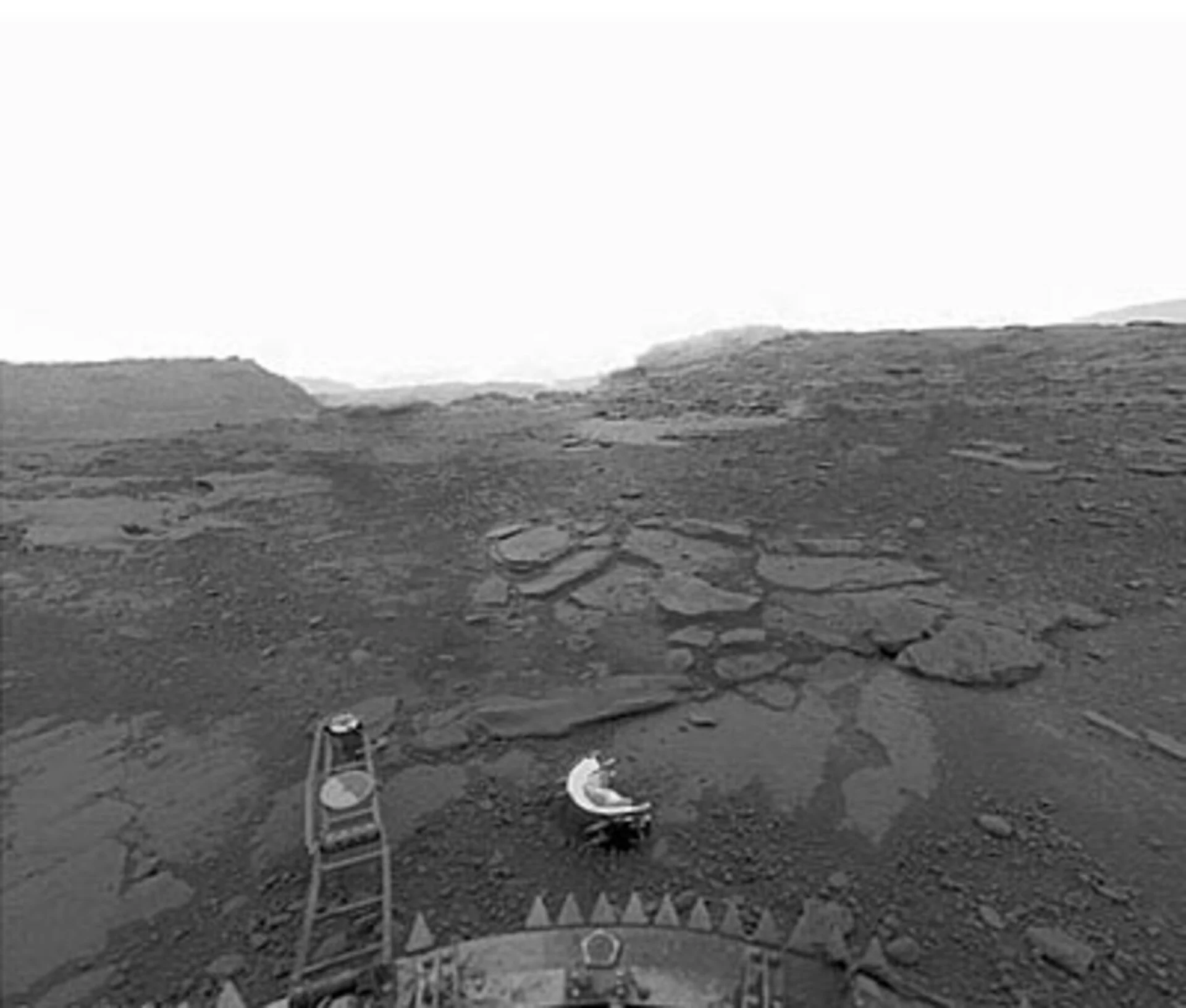
A new study models Venus's surface wind and dust conditions using limited data, revealing regional differences in temperature swings and wind patterns, which will aid future missions like DaVINCI, Envision, and Veritas in preparing for surface conditions and potential dust storms.
A new study models Venus's surface wind and dust conditions using limited data, revealing regional differences in temperature swings and wind patterns, which will aid upcoming missions like DaVINCI, Envision, and Veritas in understanding the planet's environment.
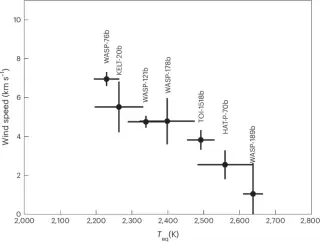
Astronomers have detected record-breaking supersonic winds on the exoplanet WASP-127b, reaching speeds of 20,500 mph, driven by stellar irradiation and low gravity, providing new insights into the atmospheric dynamics of hot Jupiters and expanding our understanding of extreme planetary weather.
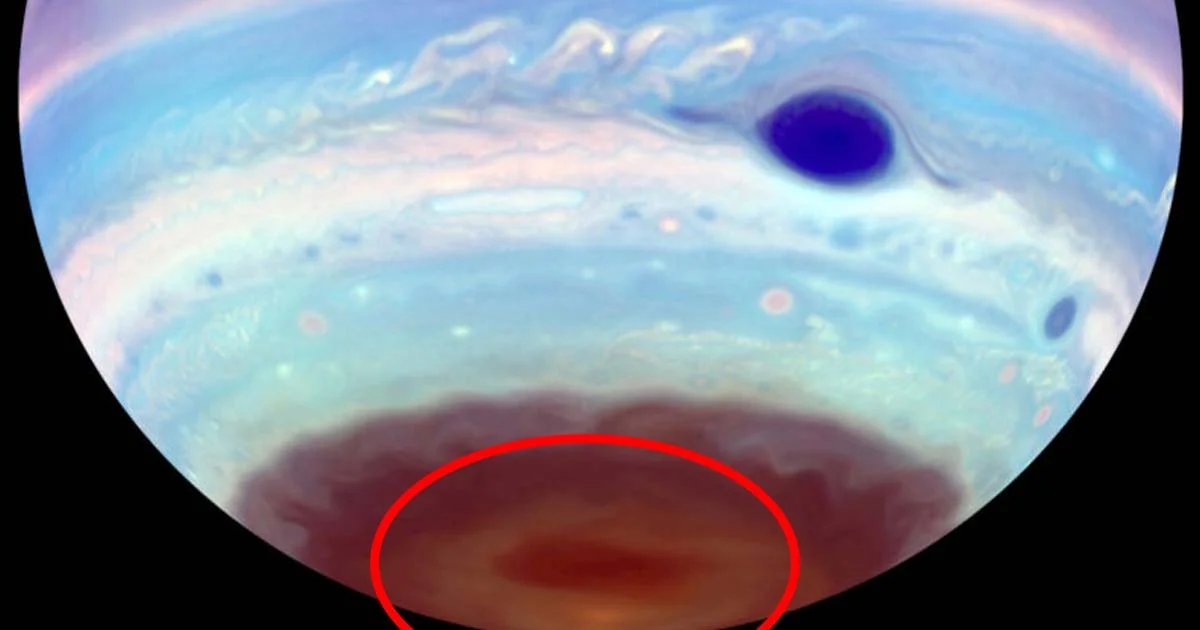
Scientists have observed large dark ovals on Jupiter's poles in ultraviolet light, believed to be caused by 'magnetic tornadoes' stirring up stratospheric haze. These ovals, first seen in the 1990s, absorb more UV light and suggest strong atmospheric forces at play. The research, published in Nature Astronomy, highlights the importance of understanding atmospheric dynamics across different planets, offering insights into Earth's climate systems.
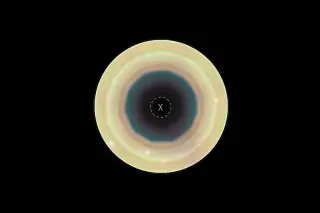
A new study published in Nature Communications challenges the widely accepted belief that the ozone layer is recovering. The study suggests that the ozone hole above Antarctica may not be shrinking as expected and may even be expanding. The researchers found that ozone levels have decreased by 26% since 2004 at the core of the hole during the Antarctic spring. They attribute this depletion to changes in the Antarctic polar vortex, although they did not explore the specific causes. Some scientists are skeptical of the study's findings, pointing to other factors such as smoke from wildfires and volcanic eruptions, as well as the influence of the El Niño Southern Oscillation.
A new study published in Nature Communications challenges the widely accepted belief that the ozone layer is recovering. The study suggests that the ozone hole above Antarctica may not be shrinking as expected and may even be expanding. The researchers found that ozone levels have reduced by 26% since 2004 at the core of the hole during Antarctic spring. They attribute this to changes in the Antarctic polar vortex, although other factors such as planet-warming pollution and volcanic eruptions could also contribute. Some scientists are skeptical of the study's findings, citing exceptional events and a short period of analysis.
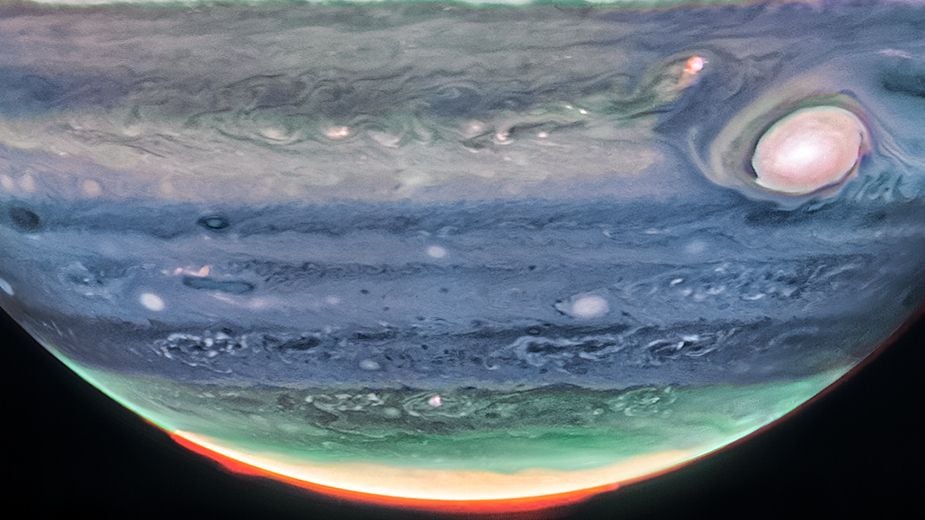
NASA's James Webb Space Telescope has discovered a high-speed jet stream over Jupiter's equator, measuring more than 3,000 miles wide and traveling at about 320 mph. This finding, observed using the telescope's Near-Infrared Camera, provides new insights into Jupiter's turbulent atmosphere and may help researchers understand the planet's extreme weather patterns. By comparing the data with previous observations from the Hubble Space Telescope, scientists hope to gain a clearer understanding of the wind speeds and atmospheric dynamics on Jupiter.
The James Webb Space Telescope (JWST) has observed an intense and narrow equatorial jet in Jupiter's lower stratosphere. The observations reveal a distinct central jet at the equator, similar to Saturn's equatorial jet, but with a stronger vertical wind shear. The jet increases in altitude up to the tropopause and is located in a region of elevated hazes above the main cloud deck. The findings highlight the similarities and differences in the equatorial dynamics of Jupiter and Saturn and provide new insights into the atmospheric dynamics of gas giants.
NASA's Perseverance rover captured images of a dust devil while exploring the Jezero Crater on Mars. The dust devil, spotted at Thorofare Ridge, measured about 60 meters in diameter and was estimated to be 1.2 miles high. Dust devils are common on Mars and play a role in moving and redistributing dust. The rover routinely monitors the atmosphere for these phenomena to study Mars' atmospheric dynamics.
A recent study published in The Journal of Geophysical Research: Planets has revealed that Jupiter's moon, Callisto, has a higher concentration of molecular oxygen in its atmosphere than previously believed. This discovery challenges previous assumptions and raises new questions about the moon's atmospheric dynamics, defying its reputation as a "dead body" in our celestial neighborhood.
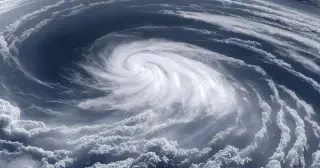
Scientists studying Saturn's mega storms have found evidence that fallout from these storms can last for centuries, challenging current theories of planetary formation. Radio emissions from Saturn's atmosphere revealed that the storms cause ammonia vapor to condense into "ammonia-rich mushballs" that rain down into the planet's depths, affecting its inner atmosphere. The storms, which resemble giant hurricanes, are different from their terrestrial counterparts as they form without the energy supply from a warm surface. The researchers also discovered that Saturn's atmospheric dynamics are substantially different from Jupiter's, with the bands on Saturn being dominated by the giant storms rather than temperature differences. The findings suggest a need to revise current theories of planetary formation.
"Hycean" exoplanets, which were thought to be potential candidates for alien life due to their hydrogen-rich atmospheres and liquid-water oceans, may not be able to support life after all. New research suggests that these planets would suffer from a catastrophic runaway greenhouse effect, limiting their potential for habitability. The presence of a thick, hydrogen-dominated atmosphere radically changes how these planets behave, compared with Earth, and their habitable zone is much farther from their parent stars than previously thought. However, Hycean worlds can still exist and sustain liquid-water oceans far beyond the outer edge of the habitable zones for Earth-like planets.