Non-linear aging: identifying critical transition windows for healthspan interventions
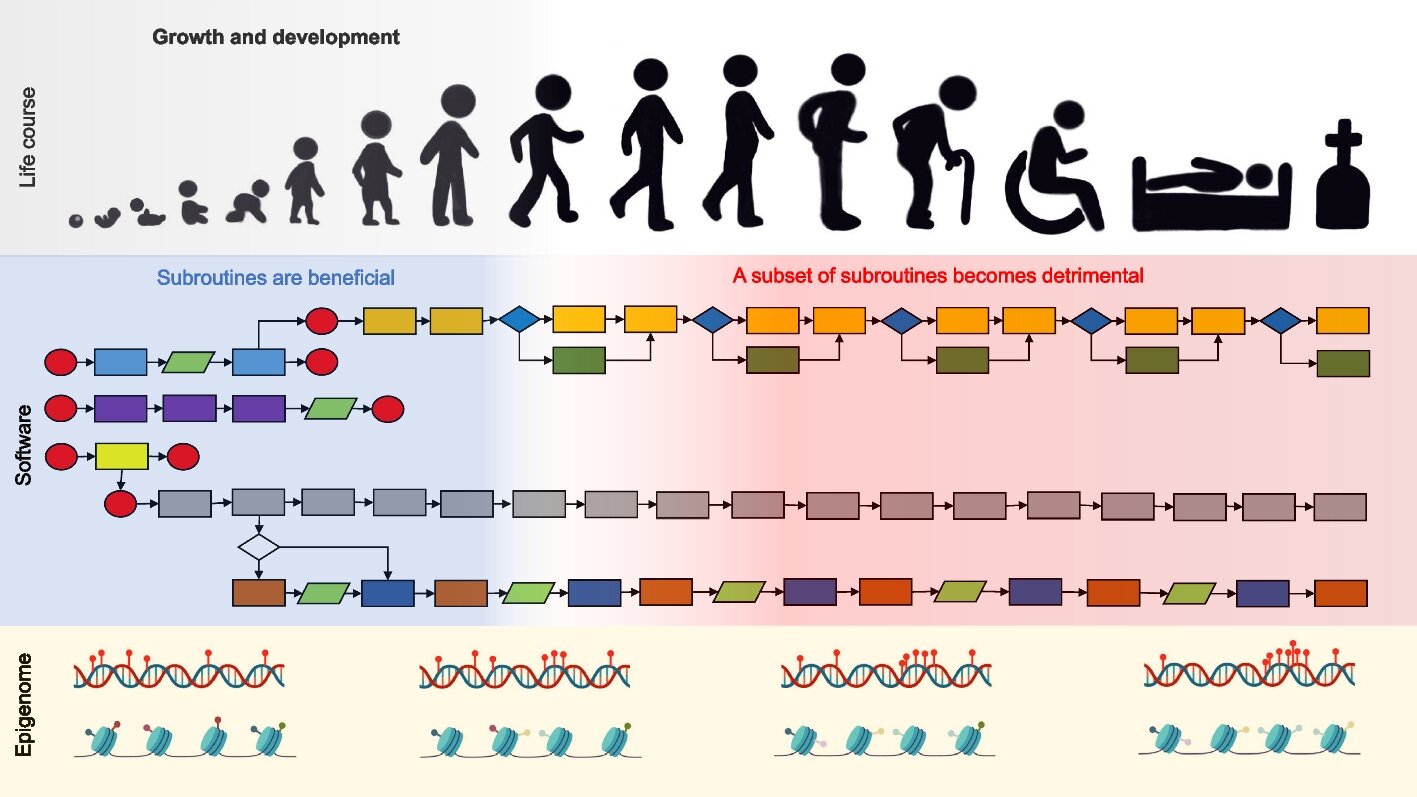
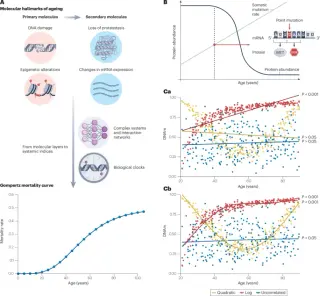
This Perspective argues that human aging is non-linear, featuring distinct developmental and life-stage transitions that may be optimal windows for interventions; while linear models capture some age-related effects, non-linear approaches (e.g., broken-stick/ sliding-window analyses, GAMs, dynamic models) better reveal when systems shift states; recognizing and studying these transitions across omics and tissues could guide timing of therapies to slow aging and curb age-related disease.