Tag

Body Fat

All articles tagged with #body fat

Finnish Study Links Coffee to Leaner Bodies and More Muscle
health3 days ago

Finnish Study Links Coffee to Leaner Bodies and More Muscle

A Finnish study of about 2,200 middle-aged adults found that heavier coffee drinkers tended to have less overall and abdominal fat and more skeletal muscle mass, with possible metabolic and hormonal differences, but the results are cross-sectional and show correlation rather than causation. The findings add to evidence that coffee is linked to various health benefits, including a lower risk of type 2 diabetes and better heart and liver health, though moderation is key and the impact may be confounded by other healthy habits and how coffee is prepared.

Single weekly interval workout rivals thrice-weekly sessions for belly-fat loss
health-and-medicine22 days ago

Single weekly interval workout rivals thrice-weekly sessions for belly-fat loss

In a four-month randomized trial of 315 adults with central obesity, 75 minutes of brisk interval walking in a single weekly session reduced body fat, waist circumference, and improved cardiorespiratory fitness about as much as the same 75 minutes split across three days, offering once-weekly interval training as a practical alternative for those with busy schedules.

New CKM risk alert: 9 in 10 Americans have at least one factor, prompting earlier screening
health1 month ago

New CKM risk alert: 9 in 10 Americans have at least one factor, prompting earlier screening

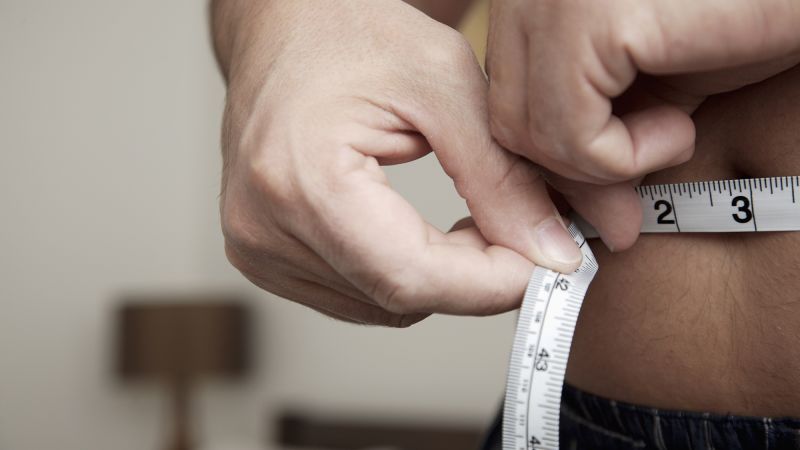
Nearly 90% of Americans have at least one risk factor for CKM syndrome (cardiovascular-kidney-metabolic), a cluster linking obesity, heart/kidney disease and Type 2 diabetes. The American Heart Association urges earlier, coordinated screening and prevention—obesity screening starts at age 6; other screenings begin at various ages (heart disease around 20, diabetes around 35, kidney disease around 60)—with emphasis on waist circumference and BMI to gauge risk, aiming to curb progression to serious illness.

Blood Caffeine Levels Linked to Body Fat and Diabetes Risk, Study Finds
health7 months ago

Blood Caffeine Levels Linked to Body Fat and Diabetes Risk, Study Finds

A 2023 study suggests that higher caffeine levels in the blood, influenced by genetic factors, are associated with lower body fat and a reduced risk of type 2 diabetes, though no link was found with cardiovascular diseases. The findings indicate potential benefits of caffeine in metabolism and weight management, but further research is needed to confirm causality and long-term effects.

My Experience with an Hourglass-Shaping Workout
health-and-fitness10 months ago

My Experience with an Hourglass-Shaping Workout

A personal trainer reviews Olivia Lawson's 30-minute 'Hourglass' workout, finding it to be a comprehensive full-body routine that effectively targets major muscle groups, though it may aggravate lower back issues and requires modifications for some exercises. The workout can help build strength and improve body composition but won't necessarily create an hourglass shape without proper genetics and low body fat.

"Experts: Getting Abs Takes Longer Than 30 Days"
health-and-fitness2 years ago

"Experts: Getting Abs Takes Longer Than 30 Days"

Getting visible abs takes time and dedication, involving a combination of healthy eating and stomach-strengthening exercises. It's not possible to achieve visible abs in just 30 days, as excess body fat must be reduced first. Men typically need a body fat percentage below 10-15% and women below 15-20% for abs to be visible. Depending on factors like body weight, genetics, and lifestyle, it may take 3 to 6 months or longer to start seeing noticeable changes in abdominal definition. Other lifestyle factors such as stress, sleep quality, and genetics also play a role in obtaining visible abs.

Study Links Caffeine Levels in Blood to Body Fat and Diabetes Risk
health-and-science2 years ago

Study Links Caffeine Levels in Blood to Body Fat and Diabetes Risk

A 2023 study found that caffeine levels in the blood are linked to body fat levels, which in turn affect the risk of developing type 2 diabetes and cardiovascular diseases. The research, using genetic markers, suggests that higher plasma caffeine concentrations are associated with lower BMI and reduced risk of type 2 diabetes. However, no direct link was found between caffeine levels and cardiovascular diseases. While previous studies have shown some positive effects of caffeine on weight and fat mass reduction, more research is needed to confirm cause and effect, and to understand the long-term effects of caffeine intake.

"Overcoming Weight Loss Challenges: 5 Key Insights"
health-and-wellness2 years ago

"Overcoming Weight Loss Challenges: 5 Key Insights"

Losing weight and keeping it off is difficult due to our evolutionary programming to store fat for survival, leading to a mismatch with our modern sedentary lifestyle. Paleoanthropologist Daniel Lieberman emphasizes the importance of body fat for humans and the challenges of intentional weight loss. He advises understanding the necessity of fat, not blaming oneself for weight fluctuations, and recognizing the impact of dieting on the body's natural responses. Lieberman also highlights the significance of both exercise and diet for weight management and the need to adapt our environment to support healthier choices.

"The Science Behind Feeling Colder as We Age"
health2 years ago

"The Science Behind Feeling Colder as We Age"

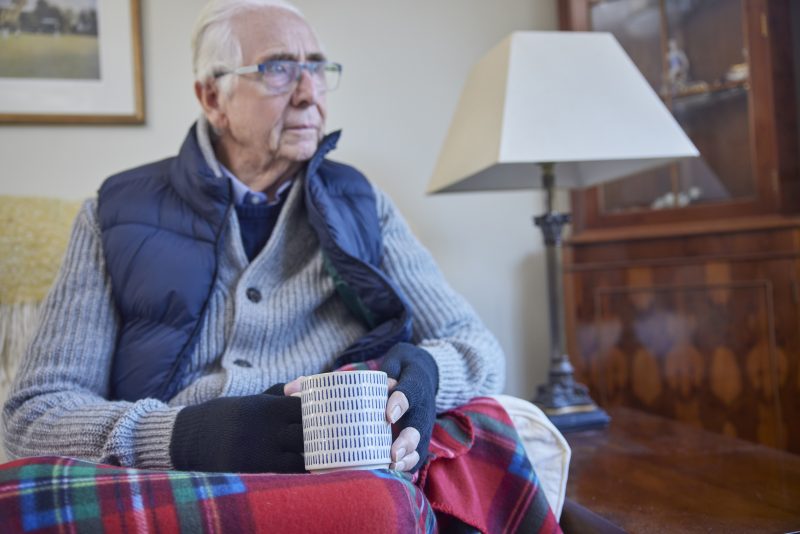
As we age, we tend to feel colder due to factors such as thinner skin, decreased body fat and muscle mass, and reduced circulation. Staying active, maintaining muscle mass, and staying hydrated can help counteract this effect. Dressing appropriately for the weather is also important, especially for older adults who are more prone to frostbite. Major temperature changes in the 70s and 80s may indicate underlying medical conditions, so it's important to consult a doctor if experiencing temperature intolerances.

"Dietary Impact on Dementia: Unveiling the Brain-Belly Fat Connection"
health2 years ago

"Dietary Impact on Dementia: Unveiling the Brain-Belly Fat Connection"

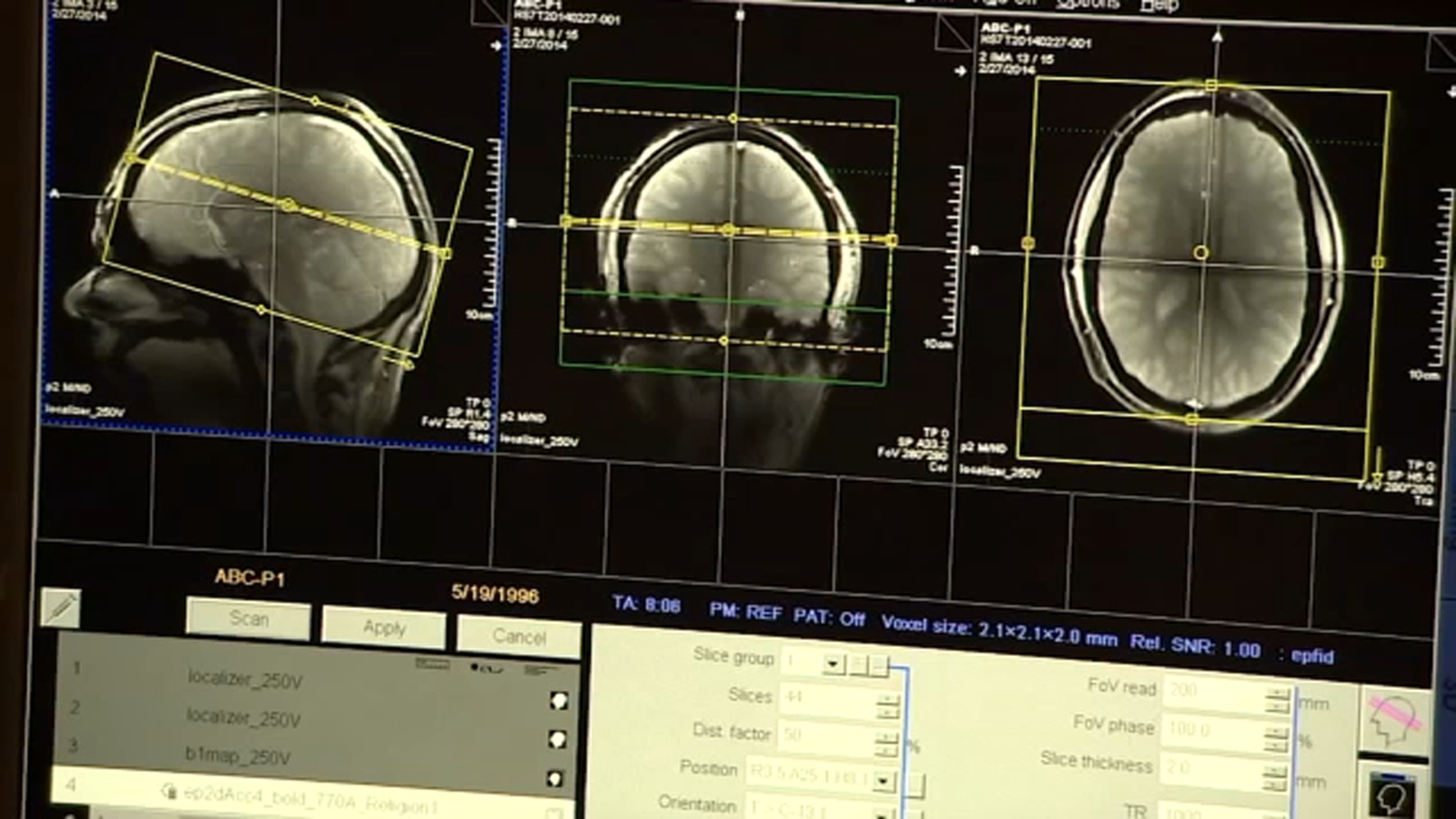
A new study confirms a link between body fat and reduced brain volume, increasing the risk of dementia later in life. The effect is most pronounced in individuals aged 20-39, and women experience a higher correlation between increased abdominal fat and lower brain volume compared to men. Lifestyle changes, including a nutritious diet and regular exercise, can help slow cognitive decline and potentially reverse brain shrinkage. Making conscious choices to nourish both the body and the brain may have a positive impact on brain health.

Dietary Choices and Cognitive Health: Insights for Women's Brain Health
health2 years ago

Dietary Choices and Cognitive Health: Insights for Women's Brain Health

A new study confirms a link between body fat and reduced brain volume, increasing the risk of dementia later in life. The effect is most pronounced in individuals aged 20-39, and women experience a higher correlation between increased abdominal fat and lower brain volume compared to men. Lifestyle changes, including a nutritious diet and regular exercise, can help slow cognitive decline and potentially reverse brain shrinkage. Making conscious choices to nourish both the body and the brain may have a positive impact on brain health.

"Study reveals Mediterranean diet and exercise as effective in reducing belly fat"
health-and-wellness2 years ago

"Study reveals Mediterranean diet and exercise as effective in reducing belly fat"

Older individuals who followed a lower-calorie Mediterranean diet and engaged in minimal exercise up to six days a week experienced a reduction in dangerous visceral belly fat, which is associated with diabetes, heart disease, and stroke. The study, part of an eight-year clinical trial, found that participants who followed the diet and exercise regimen gained muscle and lost significant body fat, with the benefits lasting for three years. The Mediterranean diet, characterized by plant-based cooking, fruits and vegetables, whole grains, and olive oil, has been linked to various health benefits, including reduced risk of chronic diseases.