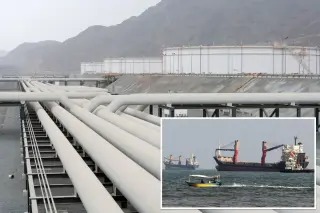
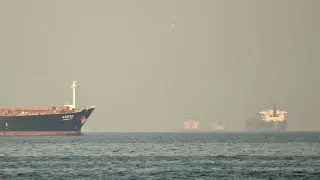
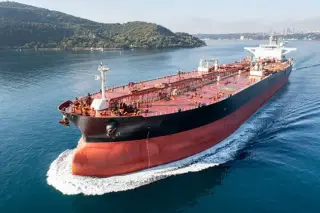
Data on oil moving through the Strait of Hormuz is divided along political lines: ship trackers say crossings are in the single digits and far below pre-conflict levels, while the White House touts a much larger flow, underscoring a contentious debate over how much oil is getting through as tensions with Iran escalate.
Kpler says the average daily oil flow through the Strait of Hormuz is about 8.6 million barrels, aligning with U.S. estimates near 9 million after revising earlier figures to include “dark transits” and secret ship‑to‑ship transfers. The update highlights how hidden transits complicate tracking, and while the flow has risen since initial readings, it remains well below the pre‑war ~20 million bpd level; data is often backdated to likely transit dates rather than the confirmation day.
Recent data indicate Iran has partially lost control of the Strait of Hormuz, as most vessel traffic in the waterway shifts to the Oman route under UN authorization; a strong U.S. naval presence appears to be guiding higher shipments through safer channels while Iran’s toll-collection influence wanes. Analysts note the strait remains contested, with ongoing talks between Oman and Iran about ensuring freer navigation, and overall oil flows still well below pre-war levels.
White House officials push back on Trump’s claim of “total control” over the Strait of Hormuz, arguing traffic is better than some trackers suggest while data undermines U.S. dominance. Energy Secretary Wright cited “best available data” placing Arabian Gulf exports around 15 million barrels per day, yet data tracker Kpler logged only about 14 ship crossings on a Tuesday, with 11 using Iran-approved routes. Wright declined to share methodologies, provoking scrutiny over undercounting. The dispute comes as Iran talks intensify and markets doubt a swift resumption of flows; gas prices have topped $4 per gallon, and Treasury Secretary Scott Bessent warned the Strait could become irrelevant within the next two years due to underground pipelines.
Following a US–Iran agreement to reopen the Strait of Hormuz, at least 20 tankers crossed on Thursday (25 ships total), the highest daily tally since June 2, as Iranian VLCCs resume transponder signals and most flows follow Iran’s designated route; traffic remains below prewar levels, and tolls are suspended for 60 days with talks planned on future tolls and lane governance.
The Trump team says the Strait of Hormuz will return to normal shipping within a month, but shipping analysts project only about 40% of prewar traffic in that timeframe, with full normalization not expected until well into 2027. Key concerns include mines, roughly 600 ships still trapped, ongoing tolls negotiations, and questions about how quickly tankers will re-enter the Gulf after demining.
Three Iranian crude tankers—The Deep Sea, Sonia I and Diona—left Kharg Island and crossed the Strait of Hormuz, marking the first exit since the US blockade began, according to Kpler. The ships loaded in early April and transferred cargo near Singapore, with broader transfers linked to dozens of Iranian cargoes moving toward China in the Singapore area since March.
U.S. crude exports are projected to hit a record 5.2 million barrels per day in May as Asian buyers buy more to offset lost Middle Eastern supply amid the Iran war, according to Kpler. The surge underscores a global supply race and could affect domestic fuel prices and inflation, with potential calls for export restrictions if disruptions persist.