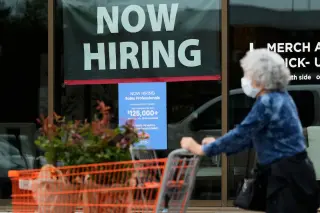
New Labor Department data show that the share of American men in the labor force fell to a record low this spring, driven by baby-boomer retirements and by younger men dropping out to study or due to disability, with readings only lower during the pandemic’s early months.
Global population is projected to decline by about a billion from its peak this century, not due to war or disease but rising wealth, education, and longevity leading to fewer births. The sharpest drops are in rich economies, shrinking the working-age population and risking slower growth, with shortages emerging in sectors like teaching, engineering, and nursing. Solutions call for a “revolution of minds”—automation/AI and upskilling—to keep economies afloat as the human base contracts.
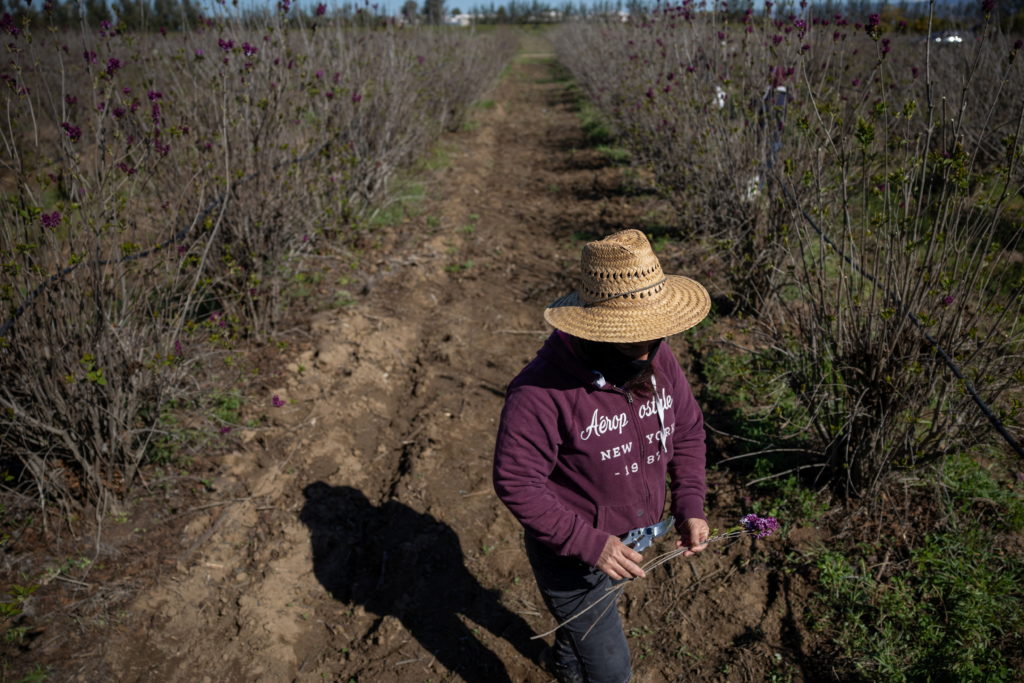
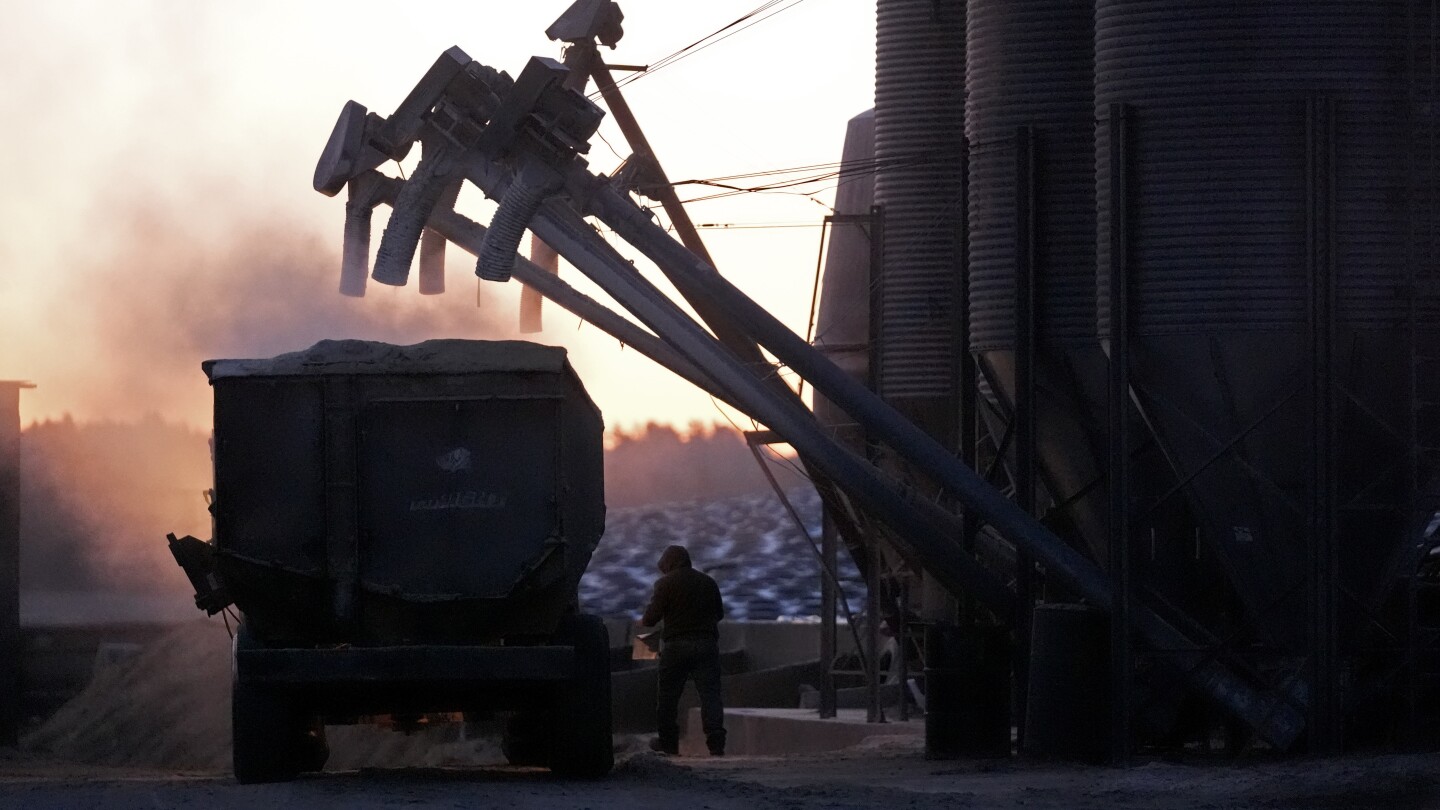
Preliminary data shows that over 1.2 million immigrants have left the U.S. labor force under Trump's administration, impacting sectors like agriculture, construction, and healthcare, and raising concerns about labor shortages and economic effects.
Preliminary data shows that over 1.2 million immigrants have left the US labor force under Trump's administration, affecting key sectors like agriculture, construction, and healthcare, due to increased immigration enforcement and deportation efforts, which are disrupting the availability of immigrant workers and potentially impacting the US economy and essential services.
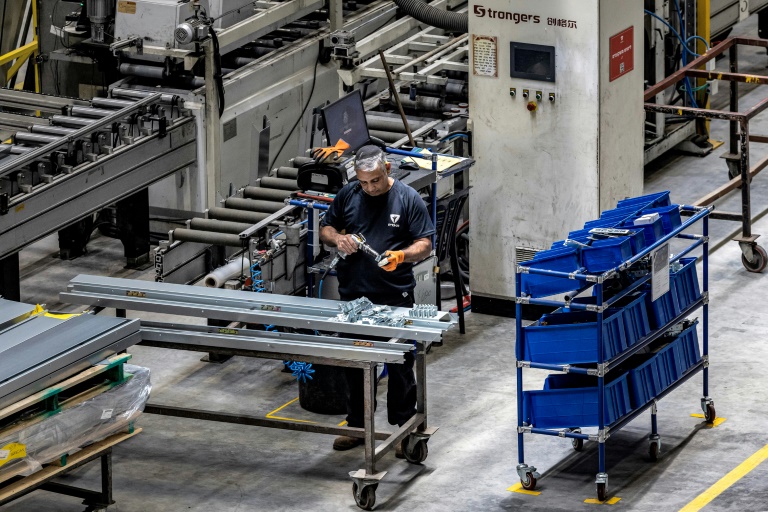
The US labor force is shrinking at a rate comparable to economic crises, driven by declining immigration, demographic shifts, and reduced participation among women and teenagers, which could lead to lower economic growth, productivity, and tax revenue, despite stable unemployment rates.
The US labor market is showing signs of slowdown similar to last summer, with revised job growth figures and stable unemployment rates, amid rising inflation and ongoing trade tensions, prompting considerations for rate cuts by the Federal Reserve.
The influx of immigrant workers, both legal and undocumented, has played a crucial role in fueling the US economy by filling millions of job vacancies, driving economic growth, and helping to alleviate labor shortages. This surge in immigration has allowed the economy to generate jobs without overheating and accelerating inflation, with immigrants accounting for a record 18.6% of the labor force. While some economists argue that immigration can force down wages, others emphasize the benefits of immigrants taking essential jobs, boosting innovation, and contributing to economic growth. The ongoing debate over immigration policy and its impact on the economy remains a key issue in the US.
The surge in immigration since 2022 has been credited with boosting the U.S. job market without significantly impacting inflation. Economists believe that the influx of immigrants has helped fill job roles at pay levels that have kept overall price growth in check. This has allowed for strong job growth without causing inflationary pressures. The increase in the labor force due to immigration has been identified as a key factor in sustaining steady economic growth. Despite the political debate surrounding immigration, the majority of arriving immigrants are authorized to work in the U.S. and are contributing to both the demand for goods and services and the labor supply, with a minimal net effect on inflation.
China's working age population is shrinking, accounting for 61.3% of the total population in 2023, down from 62% the previous year, as births decline and lifespans increase. The country's total population dropped by over 2 million people to 1.41 billion in 2023, with the working age population declining after reaching a peak in 2011. This trend has led to a surge in youth unemployment, with rates above 20%, amid slowing economic growth and a mismatch between available jobs and skills. The decline in the working age population is driving the adoption of technology to meet labor needs and raise productivity, while there are still opportunities to boost workforce productivity through vocational education and tapping oversupply in rural labor.
The December jobs report, celebrated by the Biden administration, reveals troubling details. The increase in nonfarm payrolls was offset by downward revisions, the unemployment rate stayed low due to people leaving the workforce, full-time jobs were lost while part-time jobs increased, government job growth was disproportionate, and native-born workers have been left behind. These details highlight a disconnect between positive headlines and the reality of the economy.
Israel's economy is adapting to the challenges of wartime as the conflict with Hamas continues. Industries such as security doors and filtration systems are experiencing a surge in demand, while others, like construction and hospitality, are struggling due to a reduced labor force and decreased consumer confidence. The tech industry, however, remains resilient. Economic growth forecasts have been slashed, and the situation along the northern border remains uncertain. With ongoing fighting and increased state spending, the magnitude of the crisis facing Israel's economy is a concern.
The creator economy, valued at $250 billion globally, has transformed the labor force, with millions of people working as online creators and content-makers. However, the U.S. government has yet to regulate this industry, leaving creators without oversight or protection. While the rise of creators has allowed for greater diversity of voices and expression, it has also led to the spread of misinformation, fragmented public discourse, and a constant need for attention-grabbing content. Many creators struggle with unpredictable income, demanding workloads, and intense competition. The industry has reshaped American culture and become a mainstream career aspiration, but the lack of regulations and support pose challenges for creators and society as a whole.
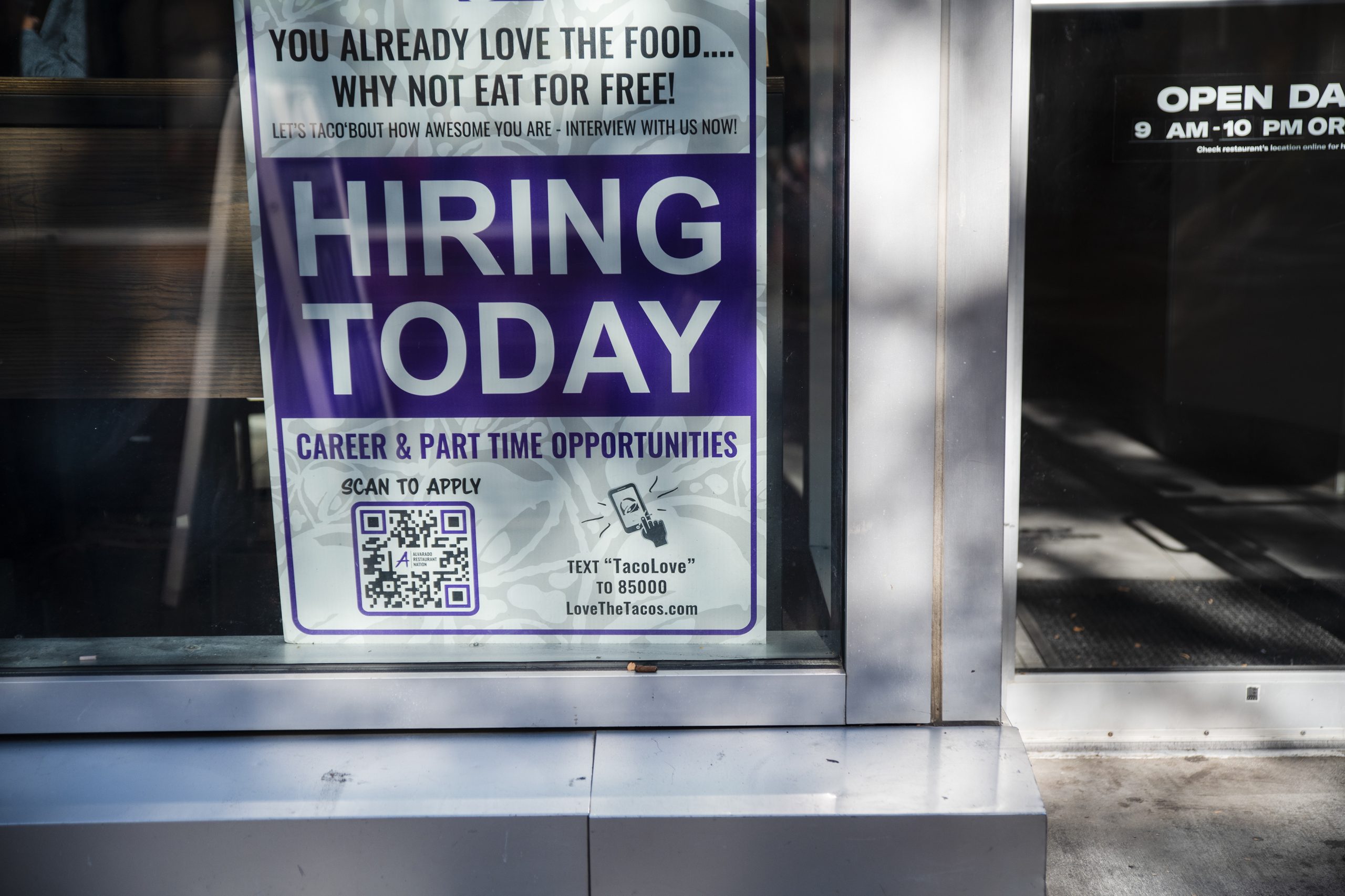
Colorado is experiencing a disconnect between its 190,000 job openings and 95,000 unemployed people, leading economists to suggest a shortage of able-bodied workers. The state's labor market is tight, with a rate of about 2 or 2.5 job openings per unemployed worker, higher than pre-pandemic levels. The mismatch between the skills required in unfilled jobs and the skills of job seekers, as well as the lack of childcare options for women with children, may be contributing factors. The state's labor force is the largest it has ever been, but the participation rate is lower than in the past, particularly among parents and those with lower levels of education. Solutions proposed include reassessing job requirements and reaching out to underemployed individuals to bridge the gap between labor supply and demand.
Truckers, many of whom are Latino, are threatening to boycott Florida over an immigration law that goes into effect on July 1. The law imposes penalties and restrictions, including felony charges for transporting people without permanent legal status into the state. It also requires businesses to use a federal database to check a worker's documentation and mandates hospitals that accept Medicaid to collect patient information on their residency status. The boycott may include thousands of drivers and could cause ripples in an industry that moves more than 470,000 tons of goods per day.
The US added 339,000 jobs in the latest jobs report, exceeding expectations, but the unemployment rate also rose to 3.7%. This can be attributed to the use of two different surveys to measure the strength of the labor force: the household survey for the unemployment rate and the establishment survey for nonfarm payroll data.