Tag

Ldl C

All articles tagged with #ldl c

Severe LDL-C Elevations Reversed by Restoring Thyroid Hormone in a Post-Thyroidectomy Patient
medicine2 hours ago

Severe LDL-C Elevations Reversed by Restoring Thyroid Hormone in a Post-Thyroidectomy Patient

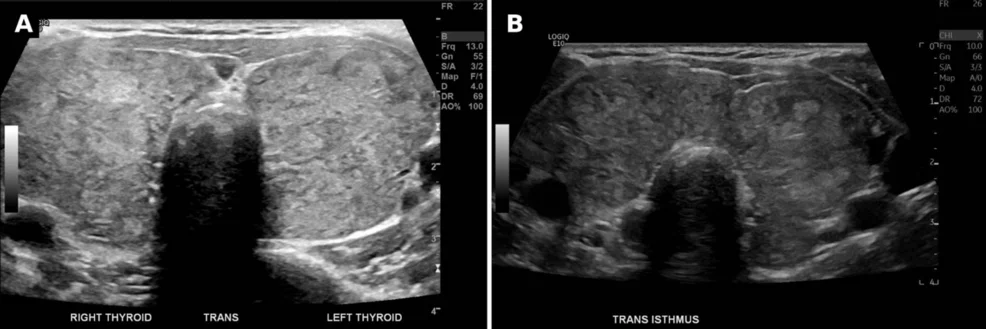
A 47-year-old woman with autoimmune Hashimoto’s thyroiditis who had total thyroidectomy showed dramatic LDL-C elevations during profound hypothyroidism, driven by reduced LDL receptor activity and increased PCSK9; LDL-C levels improved markedly when euthyroidism was restored with levothyroxine. The case highlights hypothyroidism as a reversible, non-genetic cause of severe hypercholesterolemia and emphasizes evaluating thyroid function before diagnosing familial hypercholesterolemia or initiating lipid-lowering therapy.

High LDL on keto isn’t risk-free: experts reaffirm LDL-apoB causality
health3 months ago

High LDL on keto isn’t risk-free: experts reaffirm LDL-apoB causality

A skeptical review of the lean mass hyper-responder (LMHR) hypothesis argues that very high LDL-C on a ketogenic diet does not erase the proven link between apoB-containing particles and atherosclerosis. It critiques two LMHR studies for short duration, lack of proper controls, and confounding factors, and questions the lipid-energy model’s validity. Across decades of evidence, LDL-C/apoB remains causally related to ASCVD, so reducing apoB—through diet, statins, or other therapies—remains the prudent course, even for metabolically healthy individuals. Longer-term, well-controlled data would be required to overturn this consensus.

"The Superiority of ApoB Cholesterol Test Over Standard Predictive Tests"
health2 years ago

"The Superiority of ApoB Cholesterol Test Over Standard Predictive Tests"

A growing number of physicians and researchers are advocating for a shift from the traditional emphasis on "good" or "bad" cholesterol to a more accurate marker of heart attack risk: apolipoprotein B (apoB). Research shows that measuring the number of apoB particles in the blood predicts cardiovascular risk far more accurately than the standard good-cholesterol/bad-cholesterol lipid panel. Despite evidence in favor of apoB testing, current cholesterol guidelines in the U.S. do not recommend it for all patients, leading to a lack of awareness among both patients and doctors. Proponents argue that apoB testing offers more specificity than traditional cholesterol markers and can help identify individuals at greater risk for heart disease, especially in younger populations.

The Health Benefits of a Vegan Diet: Insights from Identical Twin Studies
health2 years ago

The Health Benefits of a Vegan Diet: Insights from Identical Twin Studies

A randomized controlled trial involving identical twins found that a healthy vegan diet resulted in significant improvements in LDL cholesterol, fasting insulin levels, and weight loss compared to a healthy omnivore diet. After 8 weeks, the vegan diet group showed a mean decrease of 13.9 mg/dL in LDL-C, a mean decrease of 2.9 μIU/mL in fasting insulin, and a 1.9 kg decrease in body weight. The study suggests that plant-based diets may be recommended by clinicians to reduce cardiometabolic risk factors and align with environmental benefits. However, the study's limitations include a small sample size and a short duration of intervention.

Alarming Number of US Adults Unaware and Untreated for High Cholesterol
health2 years ago

Alarming Number of US Adults Unaware and Untreated for High Cholesterol

Many adults in the United States have dangerously high cholesterol levels, but are unaware and untreated, putting them at risk for heart attack, stroke, and death, according to a new study. About 1 in 16 adults have moderately high LDL-C levels, and 1 in 48 have very high LDL-C levels. Among those with very high cholesterol, 27% are unaware and not receiving treatment. Lack of awareness and treatment could be due to various factors, including difficulty accessing primary care and low screening rates. Disparities exist among Black, Hispanic, and socioeconomically disadvantaged individuals. It is important to know your cholesterol levels and work with a doctor on a treatment plan, which may include lifestyle changes and medication.

Alarming Lack of Awareness and Treatment for High LDL-C Revealed
health2 years ago

Alarming Lack of Awareness and Treatment for High LDL-C Revealed

Despite a decline in the prevalence of elevated low-density lipoprotein cholesterol (LDL-C) over the past two decades, a significant number of Americans still have high levels of LDL-C. Research shows that 1 in 17 Americans have LDL-C levels of 160-189 mg/dL, and 1 in 48 have levels ≥ 190 mg/dL. Among those with higher LDL-C levels, 1 in 4 are both unaware and untreated. Factors contributing to this lack of awareness and treatment include difficulties accessing primary care, low rates of screening, and hesitance to treat asymptomatic individuals.

Bempedoic Acid: A Promising Alternative for Cardiovascular Prevention.
health3 years ago

Bempedoic Acid: A Promising Alternative for Cardiovascular Prevention.

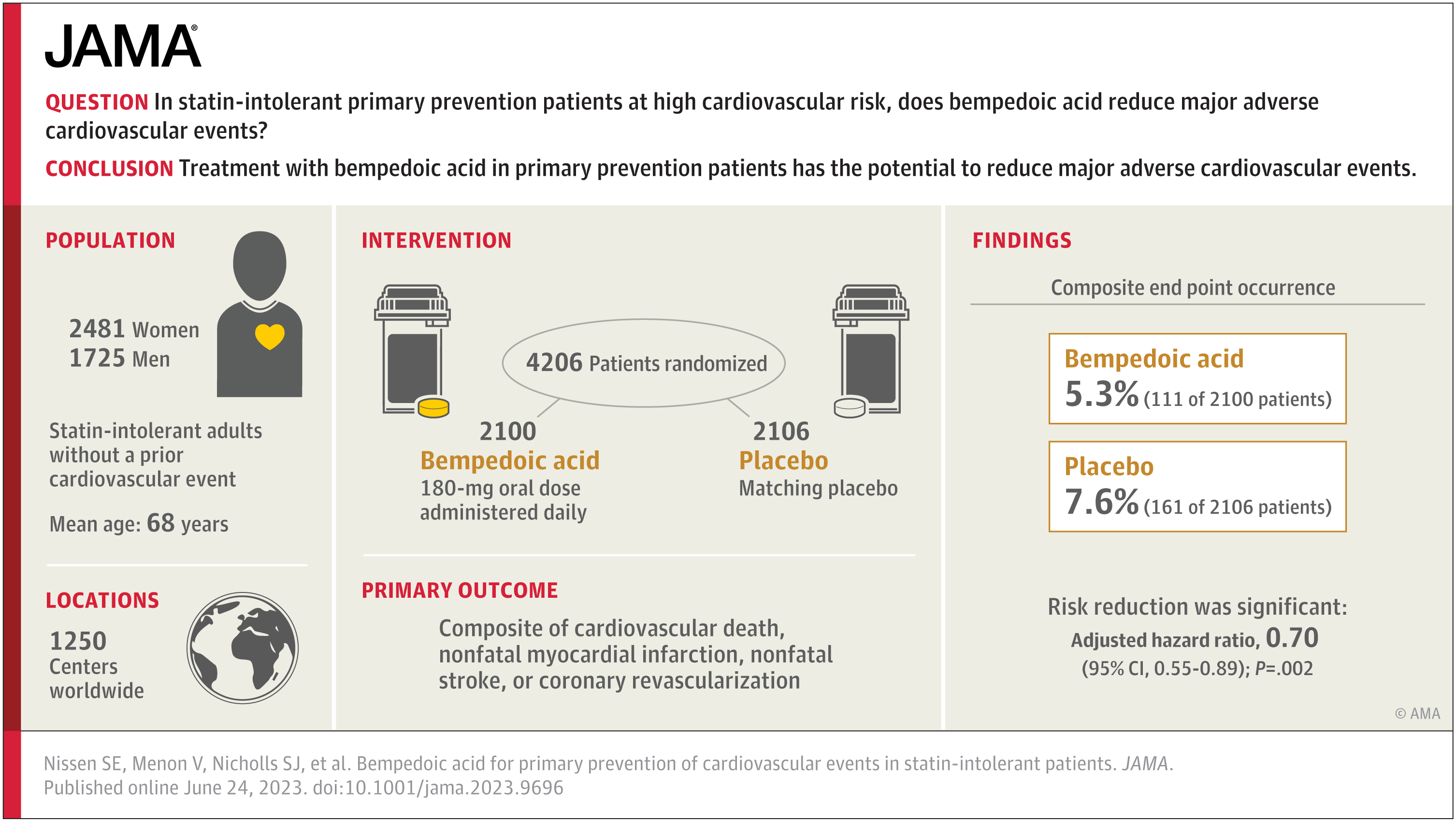
Bempedoic acid, a new cholesterol-lowering drug, has been found to reduce the risk of major cardiovascular events in high-risk primary prevention patients who are intolerant to statins. In a randomized clinical trial of 13,970 patients, bempedoic acid treatment was associated with a significant reduction in major cardiovascular events, including cardiovascular death, nonfatal myocardial infarction, nonfatal stroke, or coronary revascularization. The drug reduced low-density lipoprotein cholesterol levels by 30.2 mg/dL and high-sensitivity C-reactive protein levels by 0.56 mg/L. However, adverse effects with bempedoic acid included a higher incidence of gout, cholelithiasis, and increases in serum creatinine, uric acid, and hepatic enzyme levels.