Tag

Hypothyroidism

All articles tagged with #hypothyroidism

Aging reshapes medical routines: when less is more for seniors
health2 days ago

Aging reshapes medical routines: when less is more for seniors

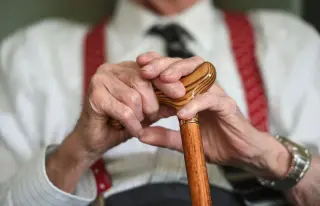
With age, the risk-benefit calculus of routine care shifts, prompting reconsideration of three practices: treating actinic keratoses on the skin may be overkill for many seniors; many older adults with subclinical hypothyroidism can taper off levothyroxine safely; and colonoscopy screening after age 75 (especially with limited life expectancy) offers tiny cancer-mortality benefit, suggesting some patients may skip or defer the procedure.

Five nutrition moves to support thyroid health before World Thyroid Day 2026
lifestyle2 days ago

Five nutrition moves to support thyroid health before World Thyroid Day 2026

Dr. Ramesh Kinha outlines five nutrition-based strategies to protect thyroid health ahead of World Thyroid Day (May 25, 2026): follow a Mediterranean (and Paleo-style unprocessed) diet rich in fruits, vegetables, whole grains, healthy fats and lean proteins while limiting large amounts of raw cruciferous vegetables; ensure iodine intake through iodised salt and foods like seaweed, dairy, seafood and eggs with caution for autoimmune thyroid disease; include selenium-rich foods (tuna, eggs, Brazil nuts, legumes, sardines, oats) in moderation to protect the thyroid from oxidative stress; optimize zinc intake (pumpkin seeds, oysters, nuts, lentils) with moderation; boost vitamins D and B12 and minerals iron and magnesium from sunlight, animal products and plant foods, pairing citrus with iron to improve absorption. Also avoid ultra-processed foods; for hyperthyroidism, moderate iodine, caffeine, soy and gluten as advised; combine good nutrition with regular exercise, sufficient sleep and stress management for better thyroid health.

LT3+LT4 Therapy May Elevate Psychiatric Morbidity Risk in Autoimmune Hypothyroidism
health7 days ago

LT3+LT4 Therapy May Elevate Psychiatric Morbidity Risk in Autoimmune Hypothyroidism

In a Swedish nationwide cohort of 184,266 adults with autoimmune hypothyroidism, starting liothyronine (LT3) in combination with levothyroxine (LT4) was linked to a 43% higher risk of any psychiatric morbidity (adjusted HR 1.43) versus LT4 alone, with similar increases for affective/anxiety (HR 1.44) and psychotic morbidity (HR 1.46). The associations held across sexes and ages under 75, and were especially elevated for psychotic morbidity among women and those under 30. Limitations include retrospective design and potential confounding; authors note LT3 use may reflect emerging mental-health issues rather than causation.

Debunking the 'fast' vs 'slow' metabolism myth: weight isn’t dictated by a single rate
health2 months ago

Debunking the 'fast' vs 'slow' metabolism myth: weight isn’t dictated by a single rate

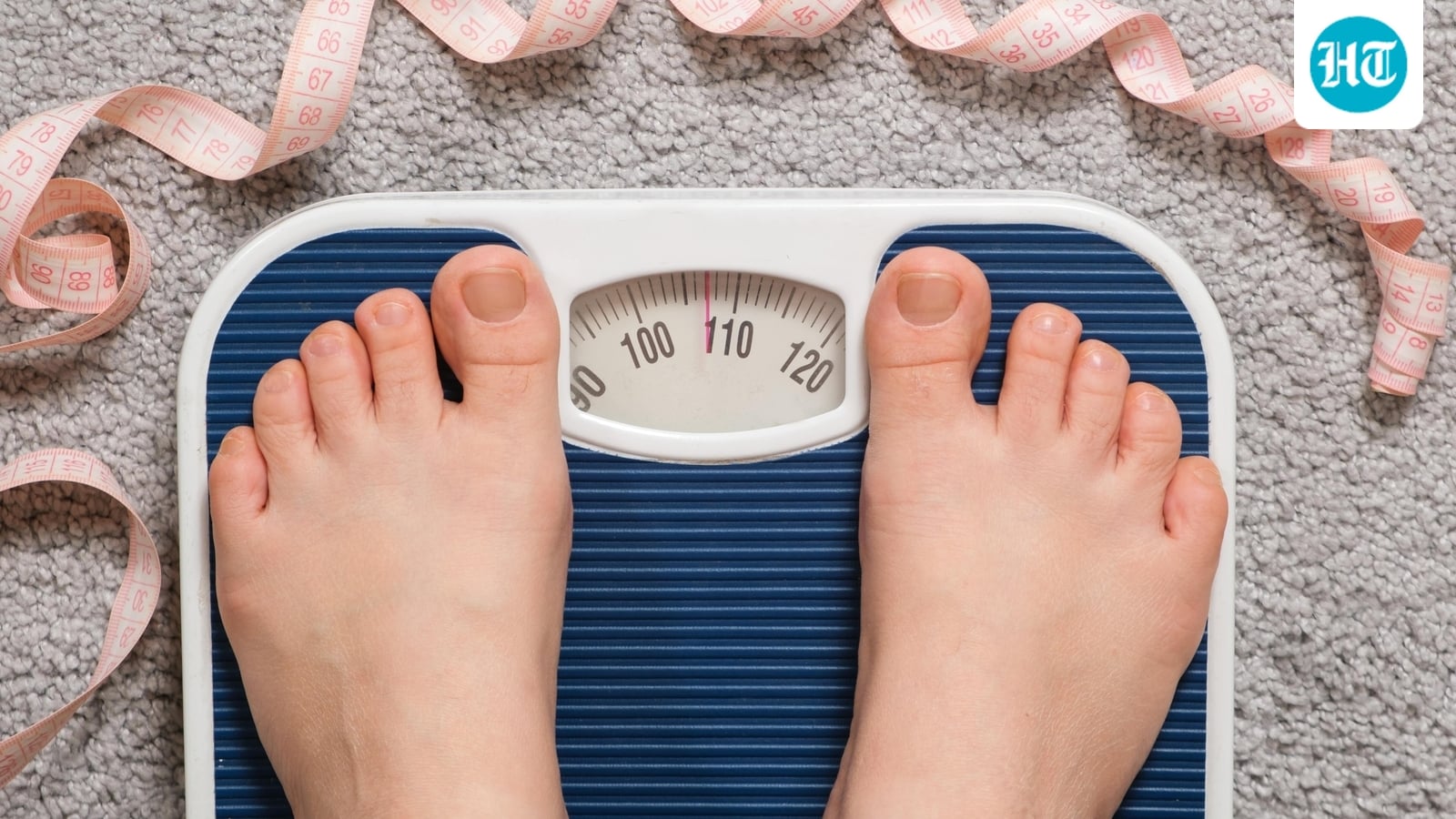
The article explains that metabolism is a mix of basal energy use, digestion, daily movements, and exercise, not simply a ‘fast’ or ‘slow’ label. Hypermetabolism can occur with certain conditions (e.g., hyperthyroidism), while hypothyroidism and PCOS can slow resting energy use. Weight changes arise from multiple interacting factors—genetics, eating habits, activity, and sleep—so most healthy people don’t have drastic, lasting highs or lows in metabolic rate.

Hypothyroidism Connected to Gut Microbiome Imbalances
health10 months ago

Hypothyroidism Connected to Gut Microbiome Imbalances

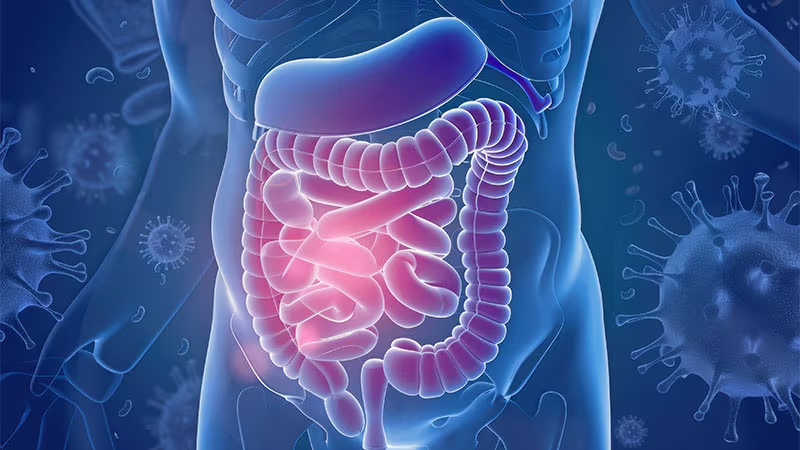
A study finds that hypothyroidism is associated with disturbances in the gut microbiome, particularly small intestinal bacterial overgrowth (SIBO), and suggests that gut health may influence autoimmune thyroid conditions like Hashimoto's. The research highlights differences in small bowel bacteria between hypothyroid patients and controls, and indicates that treating hypothyroidism may reduce the risk of SIBO, though further research is needed to understand the mechanisms and implications for treatment.

Widely Used Thyroid Drug May Accelerate Bone Loss in Older Adults
health1 year ago

Widely Used Thyroid Drug May Accelerate Bone Loss in Older Adults

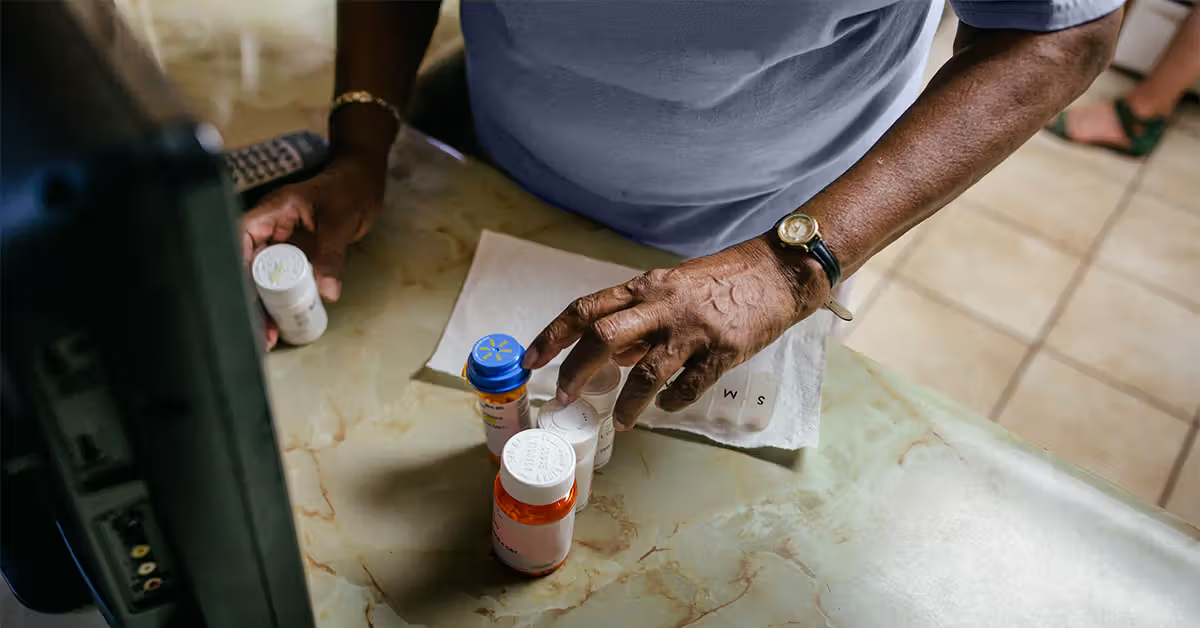
A study presented at the Radiological Society of North America suggests that levothyroxine, a common thyroid medication, may lead to reduced bone mass and density in older adults with normal thyroid levels. Conducted by Johns Hopkins University researchers, the study involved 81 participants over 65 and found bone loss over a 6-year period. This raises concerns about the potential overprescription of levothyroxine and its side effects, including increased osteoporosis risk, in older adults.

Thyroid Medication Linked to Potential Bone Weakening
health1 year ago

Thyroid Medication Linked to Potential Bone Weakening

New research indicates that levothyroxine, a common thyroid medication prescribed to older adults, may be linked to increased bone loss. The study, involving 445 participants with normal thyroid levels, found that those taking levothyroxine experienced greater bone mass and density loss. Researchers suggest that even when following current guidelines, the medication could pose risks, urging patients to regularly consult with their doctors and assess the necessity of their treatment. These findings were presented at the Radiological Society of America meeting.

Levothyroxine Tied to Increased Osteoporosis Risk in Seniors
medical-science-news1 year ago

Levothyroxine Tied to Increased Osteoporosis Risk in Seniors

A study presented at the Radiological Society of North America meeting suggests that levothyroxine, a common medication for hypothyroidism, may be linked to bone density loss in older adults, even when thyroid hormone levels are within the normal range. The research, using data from the Baltimore Longitudinal Study of Aging, found that levothyroxine users experienced greater bone mass loss over a median follow-up of 6.3 years compared to non-users. The study highlights the need for regular monitoring and risk-benefit assessments for older adults on levothyroxine.

"Type D Personality Linked to Hypothyroidism"
health2 years ago

"Type D Personality Linked to Hypothyroidism"

A study of over 3,500 individuals with treated hypothyroidism reveals a significant correlation between type D personality and poor treatment outcomes, including persistent symptoms and dissatisfaction. Over 50% of participants exhibited type D personality, characterized by negative emotions and social withdrawal, and reported higher levels of anxiety, depression, and dissatisfaction with treatment outcomes. The findings suggest a need for further research to explore the impact of personality traits on hypothyroidism treatment effectiveness and patient satisfaction, potentially paving the way for personalized interventions to improve quality of life for patients with hypothyroidism.

"The Misdiagnosis of Menopause: The Thyroid Connection"
health2 years ago

"The Misdiagnosis of Menopause: The Thyroid Connection"

Thyroid disorders, particularly hypothyroidism, are often misdiagnosed in women, leading to delayed treatment and potential health risks. The condition, which affects at least one in 20 people in the UK, is frequently mistaken for depression or menopause. However, experts warn of both underdiagnosis and overdiagnosis, with concerns about the threshold for treatment and potential side effects of medication. The complexities of thyroid function and the lack of a nationally agreed standard for "normal" levels further complicate diagnosis and treatment, leading to a need for more individualized approaches.

"The Science Behind Using Vicks VapoRub on the Soles of Your Feet"
health2 years ago

"The Science Behind Using Vicks VapoRub on the Soles of Your Feet"

The People's Pharmacy responds to a reader's skepticism about using Vicks VapoRub on the soles of the feet as a nighttime cough remedy, citing a study that suggests its ingredients may activate channels in the skin to reduce cough symptoms. They also caution a reader using biotin-containing shampoo for hair loss due to hypothyroidism, as it may interfere with thyroid tests, leading to inaccurate results and potentially exacerbating the issue.

"Understanding the Link Between Vitamin Deficiency and Feeling Cold"
health-and-wellness2 years ago

"Understanding the Link Between Vitamin Deficiency and Feeling Cold"

Feeling cold may be due to a deficiency in certain vitamins such as B9, B12, or iron, leading to anemia and reduced red blood cell count. Symptoms of these deficiencies include cold sensitivity, fatigue, and shortness of breath. It's important to get tested for deficiencies and not self-diagnose, as other conditions like diabetes or hypothyroidism could also cause cold sensitivity. Replenishing nutrient levels or addressing underlying conditions can help alleviate excessive cold sensitivity.