medicine19.045 min read
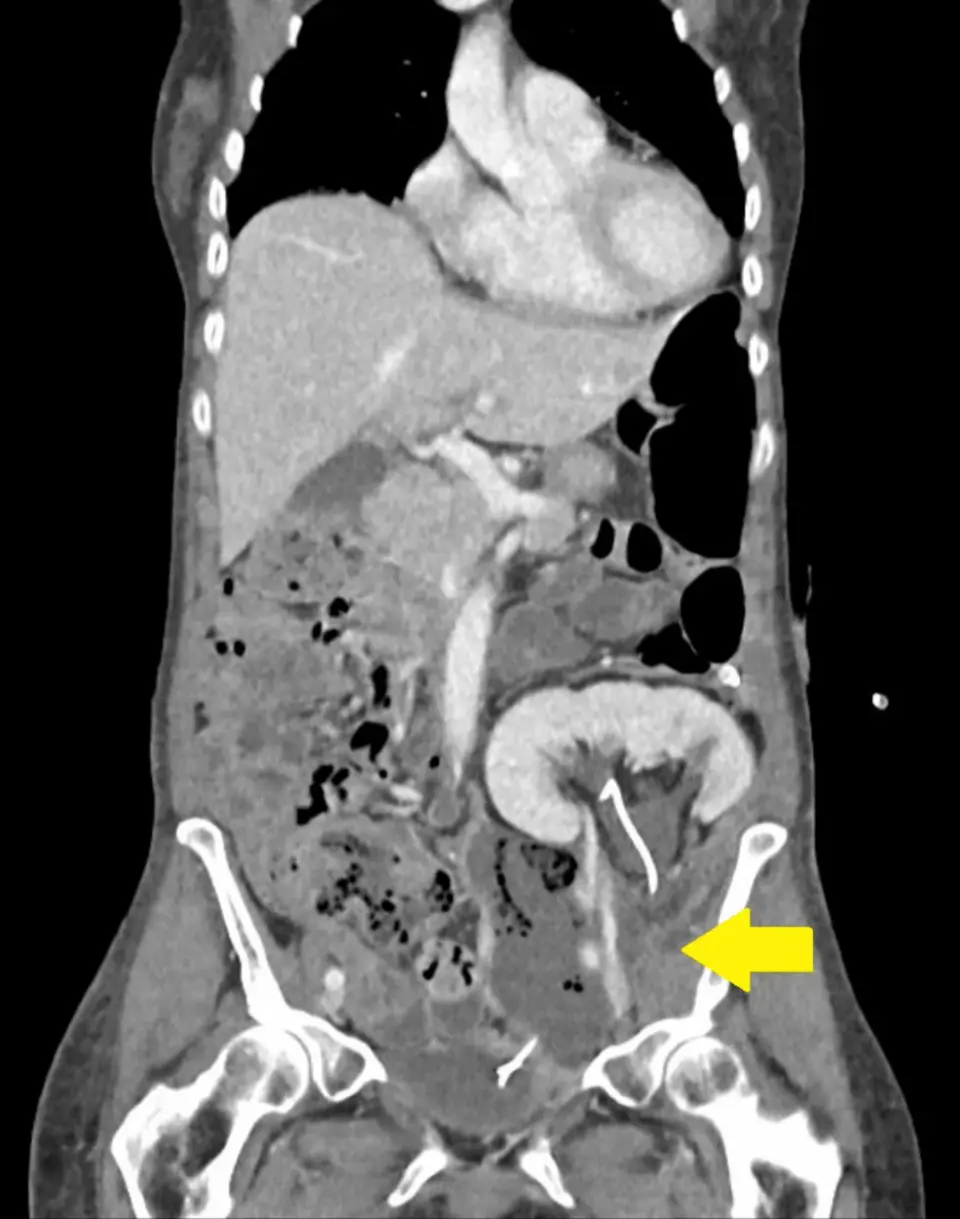
Hyponatremia Reveals Hidden Peritransplant Abscess After Kidney Transplant
21 days ago•Source: Cureus

The latest medicine stories, each synthesized from multiple sources with added background and context.
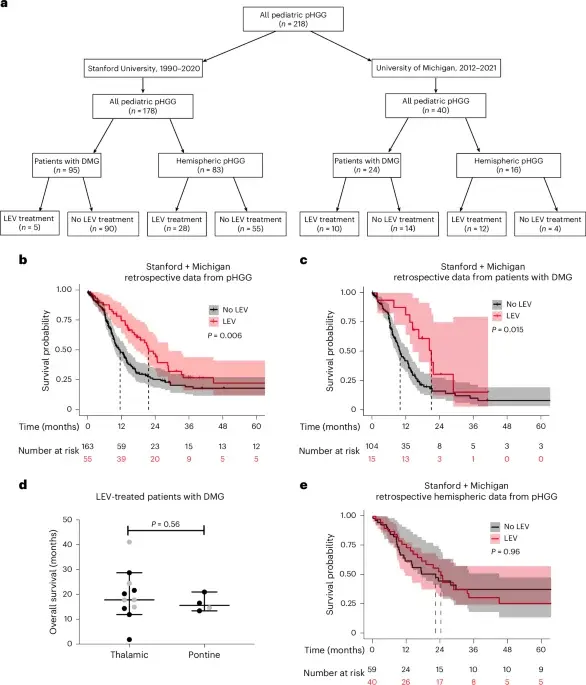
Retrospective data from multiple centers show levetiracetam use is linked to longer overall survival in pediatric diffuse midline glioma (DMG) but not in hemispheric high-grade gliomas. In DMG models, levetiracetam reduces tumor growth and extends survival by selectively dampening low-frequency GABAergic neuron-to-glioma synaptic transmission through a brain-tumor–specific, SV2A-independent mechanism; brivaracetam (SV2A-targeted) did not reproduce this effect. The findings suggest a DMG-specific therapeutic avenue that warrants prospective trials, with caveats including small sample sizes and retrospective design.


In the phase 3 SHARE trial from South Korea, hypofractionated salvage radiotherapy (65 Gy in 26 fractions) did not improve 4-year biochemical progression-free survival compared with conventional salvage RT (66 Gy in 33 fractions) for biochemical recurrence after radical prostatectomy. Distant metastasis-free and prostate cancer–specific survival were similar between groups, while late GI toxicity was higher with hypofractionation (7.9% vs 0.7%), particularly without an endorectal balloon; quality of life was similar in both arms. Concurrent ADT and positive surgical margins were associated with better biochemical outcomes. The authors suggest hypofractionated RT could be a viable alternative given comparable outcomes, but longer follow-up and more data on balloon use are needed.

Prospective study finds cherry angiomas are much more common in NF1 patients (48%) than controls (18%), with somatic second hits in NF1 predominantly in endothelial cells and telocytes, supporting a model where biallelic NF1 loss drives these vascular lesions; co-occurring GNAQ variants and UV mutagenesis suggest a shared origin and broader NF1-related vasculopathy.

A perspective in The American Journal of Clinical Nutrition argues for a paradigm shift in hypertension prevention: boosting dietary potassium while reducing sodium can more effectively control blood pressure than sodium reduction alone, supported by evidence on potassium’s independent BP-lowering effect and the renal potassium switch; it recommends targeting sodium-to-potassium ratios in food reformulation, expanding education on potassium-rich foods, and policies to improve access to such foods, with potassium-enriched salt substitutes as a near-term option (not for those with kidney disease), while sodium reduction remains foundational.
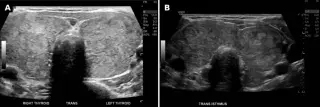
A 47-year-old woman with autoimmune Hashimoto’s thyroiditis who had total thyroidectomy showed dramatic LDL-C elevations during profound hypothyroidism, driven by reduced LDL receptor activity and increased PCSK9; LDL-C levels improved markedly when euthyroidism was restored with levothyroxine. The case highlights hypothyroidism as a reversible, non-genetic cause of severe hypercholesterolemia and emphasizes evaluating thyroid function before diagnosing familial hypercholesterolemia or initiating lipid-lowering therapy.
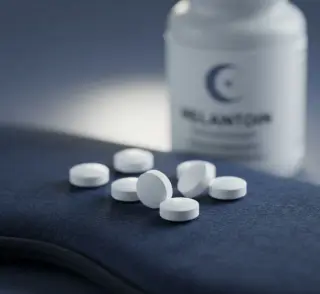
A meta-analysis of 23 randomized trials including 2,028 patients with chronic musculoskeletal conditions found melatonin reduced pain intensity by about 9 points on a 100-point scale and improved sleep quality. Doses ranged 3–10 mg (commonly 3 mg) taken at bedtime, with safety similar to placebo and mostly mild side effects like nausea, dizziness, or headaches. The researchers caution melatonin should complement—not replace—standard treatments and advise discussing use with a doctor, especially when other meds or health conditions are involved.
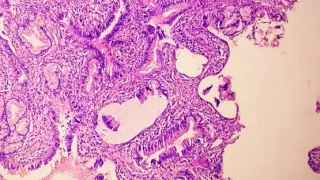
In two major trials of enzalutamide for advanced prostate cancer, up to about 25% of patients showed radiographic progression on imaging despite stable or undetectable PSA levels, correlating with worse survival. The findings suggest PSA monitoring alone may miss disease growth, underscoring the value of periodic imaging—especially in the first two years—and may prompt updates to clinical guidelines. Possible mechanisms include tumors evolving to grow independent of androgen receptor signaling through lineage plasticity or neuroendocrine transformation.
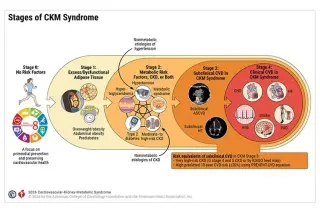
The 2026 AHA/ACC/ADA/ASN guideline replaces the 2013 obesity guideline with a living, interdisciplinary framework for cardiovascular-kidney-metabolic (CKM) syndrome, emphasizing early risk detection (PREVENT equations), CKM staging, and routine metabolic and kidney health assessment across cardiology, endocrinology, nephrology, and primary care, with extensive clinician resources and supporting materials.

A 56-year-old man with liver failure was connected to an externally perfused, genetically modified pig liver to keep him alive while awaiting a human liver transplant. The pig organ, engineered with six genetic changes to reduce rejection, functioned as a bridge for a few days; the patient subsequently received a human liver and is recovering. Researchers note the need for more details and that results should be published in a peer-reviewed journal.
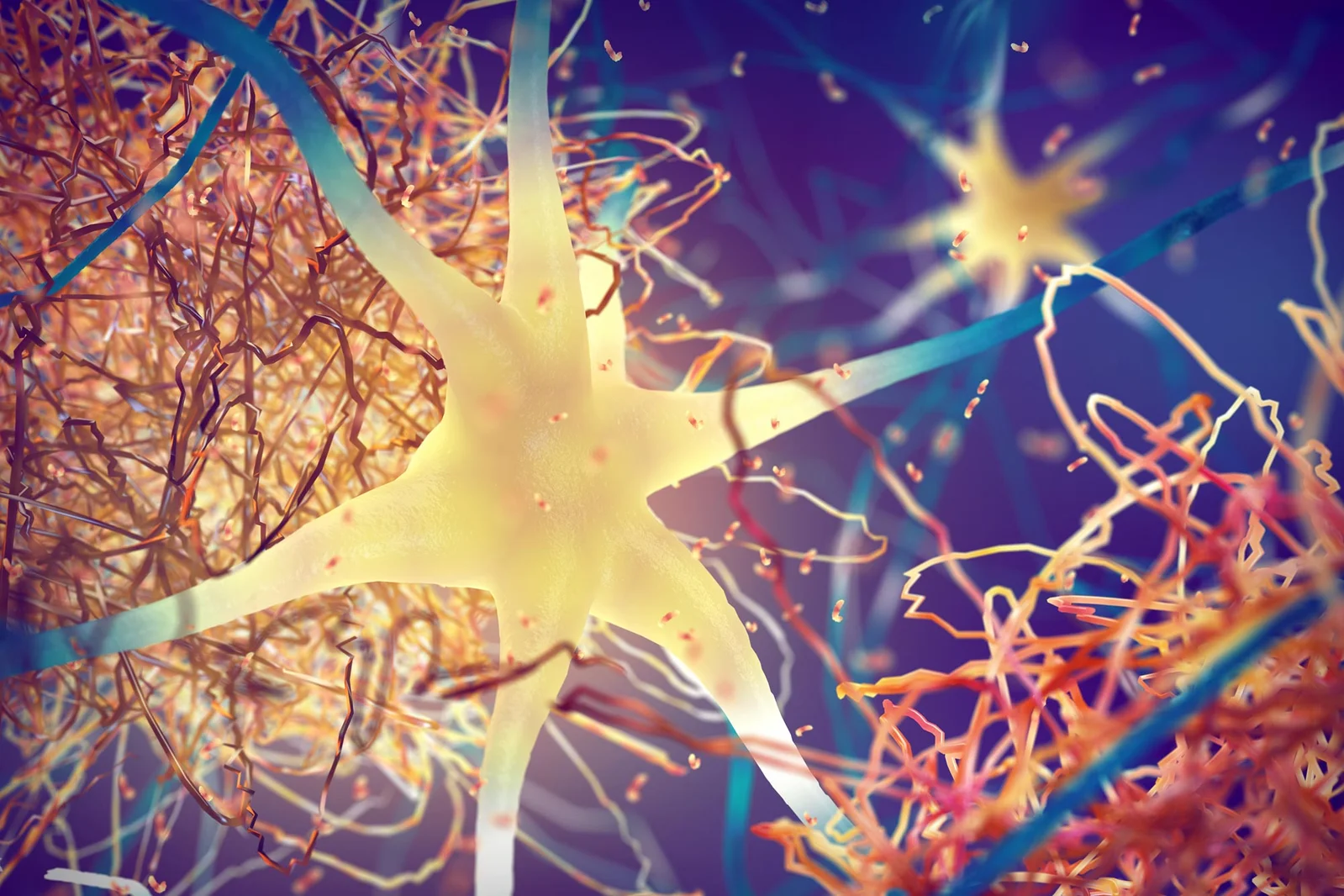
Researchers at Kumamoto University identified 1,2,3,4,6-penta-O-galloyl-β-D-glucose (PGG) from pomegranate leaves and branches that selectively dismantles preexisting transthyretin (TTR) amyloid fibrils in vitro, in vivo, and with patient-derived fibrils ex vivo, reducing deposits and improving healthspan and lifespan in a C. elegans model. Unlike amyloid-β, PGG targets TTR aggregates specifically, suggesting a promising natural lead for treating TTR amyloidosis, though safety and efficacy in humans remain to be established.
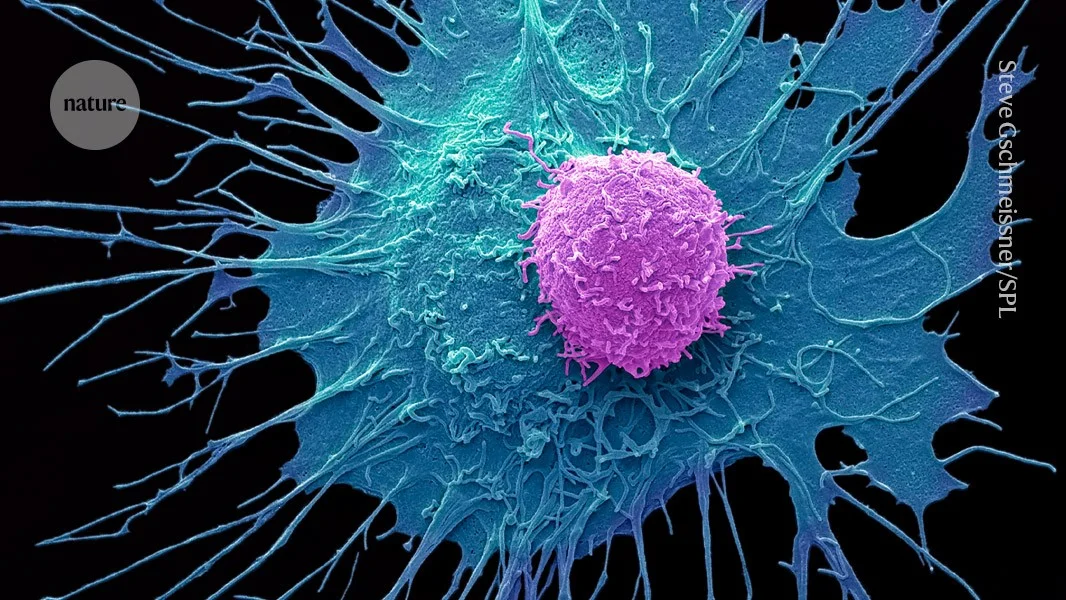
A CART4-34 CAR-T therapy targets the IGHV4-34 gene in B-cell cancer, destroying lymphoma cells in mice as effectively as CD19 CAR-T while sparing healthy B cells and avoiding immune suppression; the approach could also be used to treat autoimmune conditions such as lupus, but human trials are needed.