health1 month ago
Dim bedroom light linked to structural heart changes in large UK study
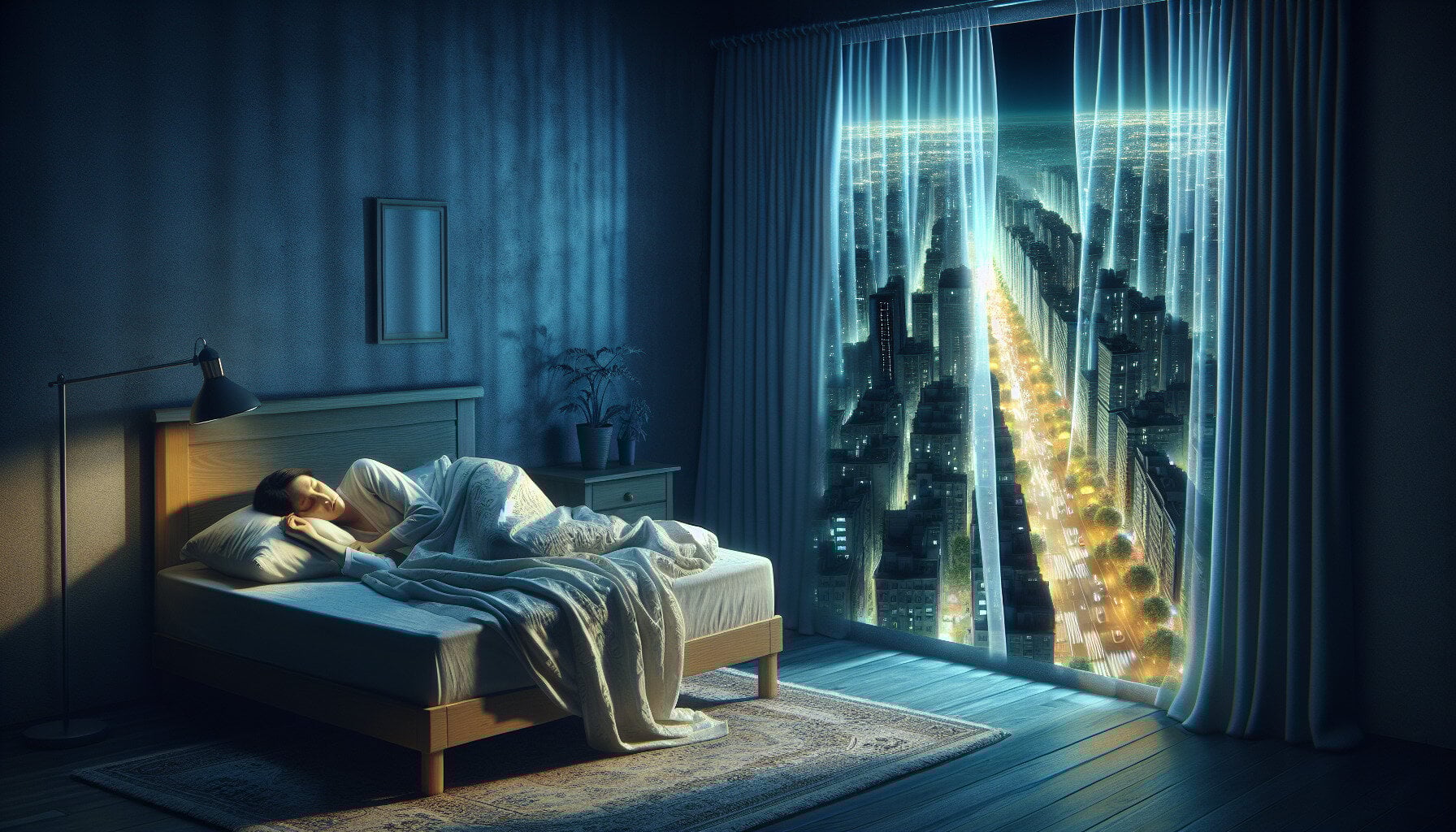
A new analysis of over 11,000 adults indicates that sleeping in rooms with light levels exceeding 3 lux is associated with adverse changes in heart structure and function. Participants wore wrist sensors for one week, and follow-up cardiac MRIs three years later revealed that those exposed to dim light, equivalent to moonlight or light under a door, had thicker left ventricular walls and reduced pumping efficiency compared to those in complete darkness. While experts note the study’s observational nature and sensor limitations, the findings suggest that minimizing nighttime light exposure could be a simple preventive strategy for cardiovascular health.