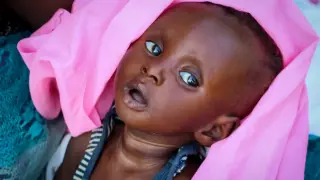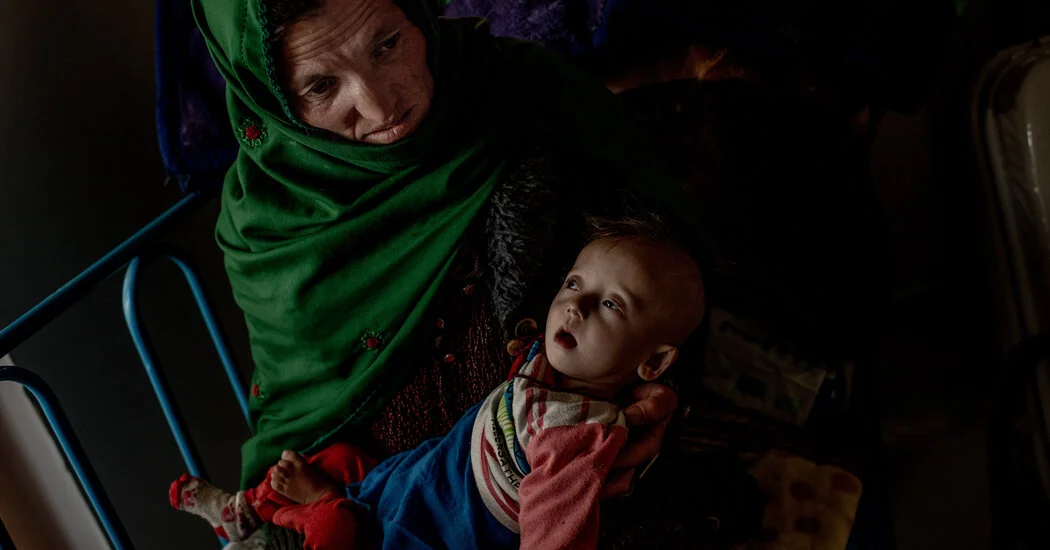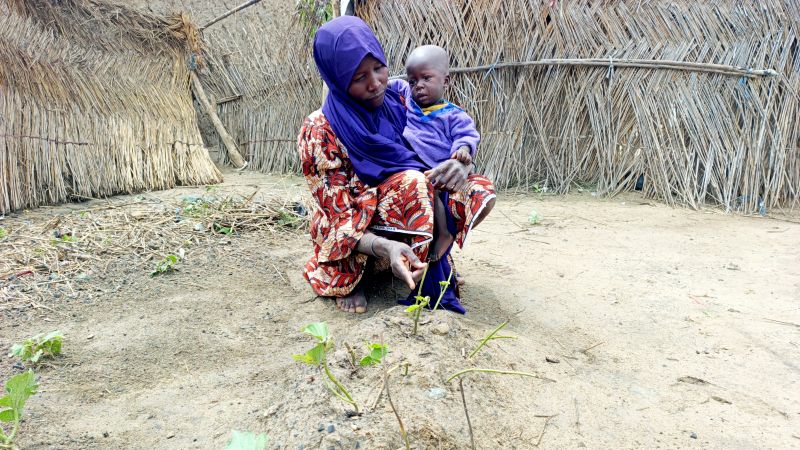
Nearly 8 million South Sudanese could face acute hunger as conflict, displacement and funding shortfalls deepen a worsening humanitarian crisis; about 2.2 million children aged 6 months to 5 years are acutely malnourished, with 700,000 at grave risk, and aid groups warn that services are collapsing without urgent international action.
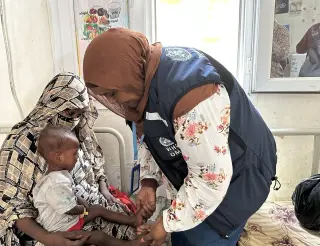
Three years of conflict have left Sudan with the world’s largest ongoing health crisis: 34 million in need of aid and 21 million lacking health services, with 37% of health facilities non-functional and 217 attacks on health care since 2023. Malnutrition is rising (over 4 million acutely malnourished in 2026), and outbreaks of malaria, dengue, measles, polio (cVDPV2), hepatitis E, meningitis and diphtheria are reported. WHO has delivered more than 3,300 metric tons of medicines and supplies, provided essential care to over 4.1 million people, treated more than 118,000 children with complicated severe acute malnutrition, and led vaccination campaigns reaching over 46 million people (including cholera and other vaccines); malaria vaccines were introduced. Cholera outbreaks were contained after sustained response. WHO calls for safe, unrestricted access, sustained funding, and peace to restore health services.
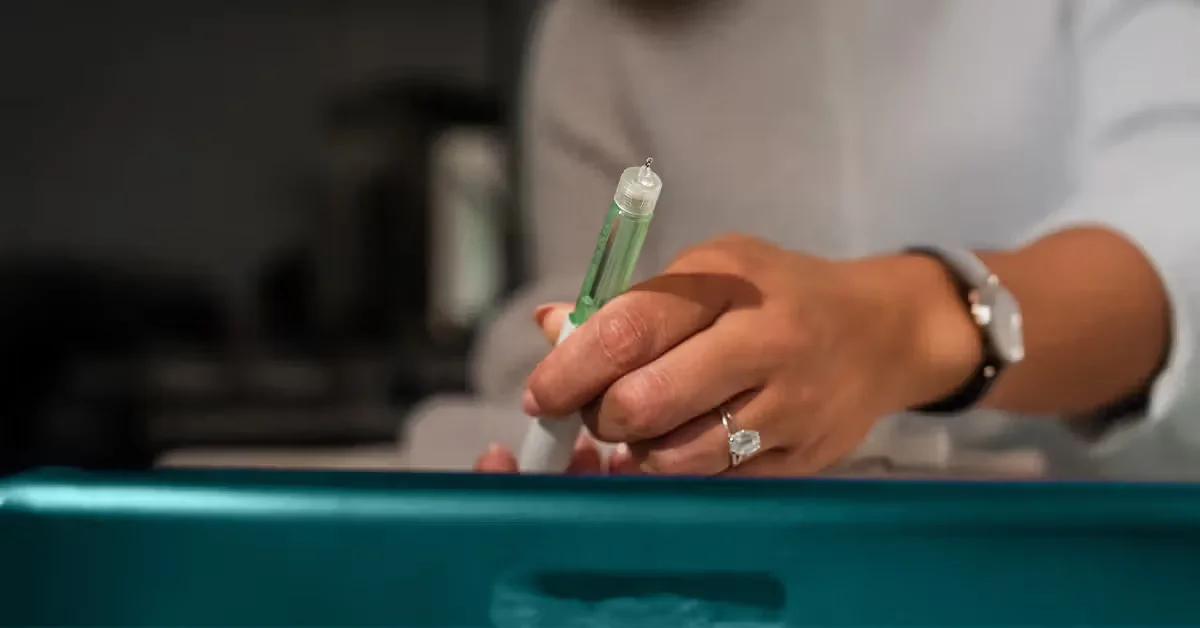
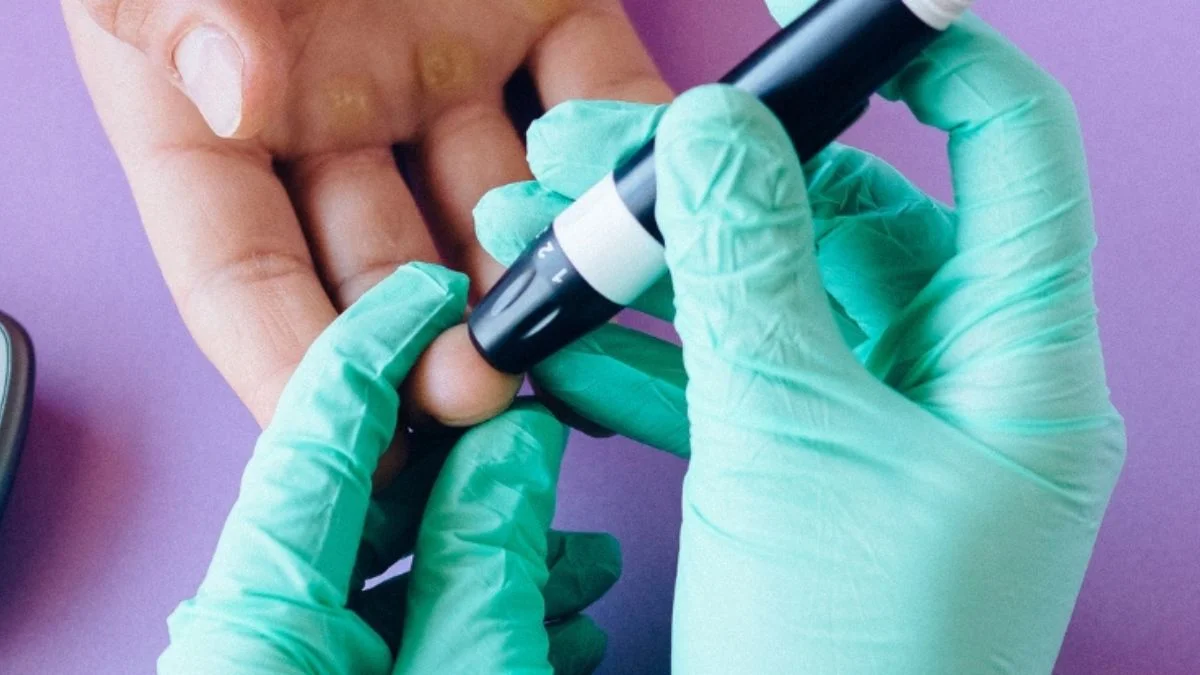
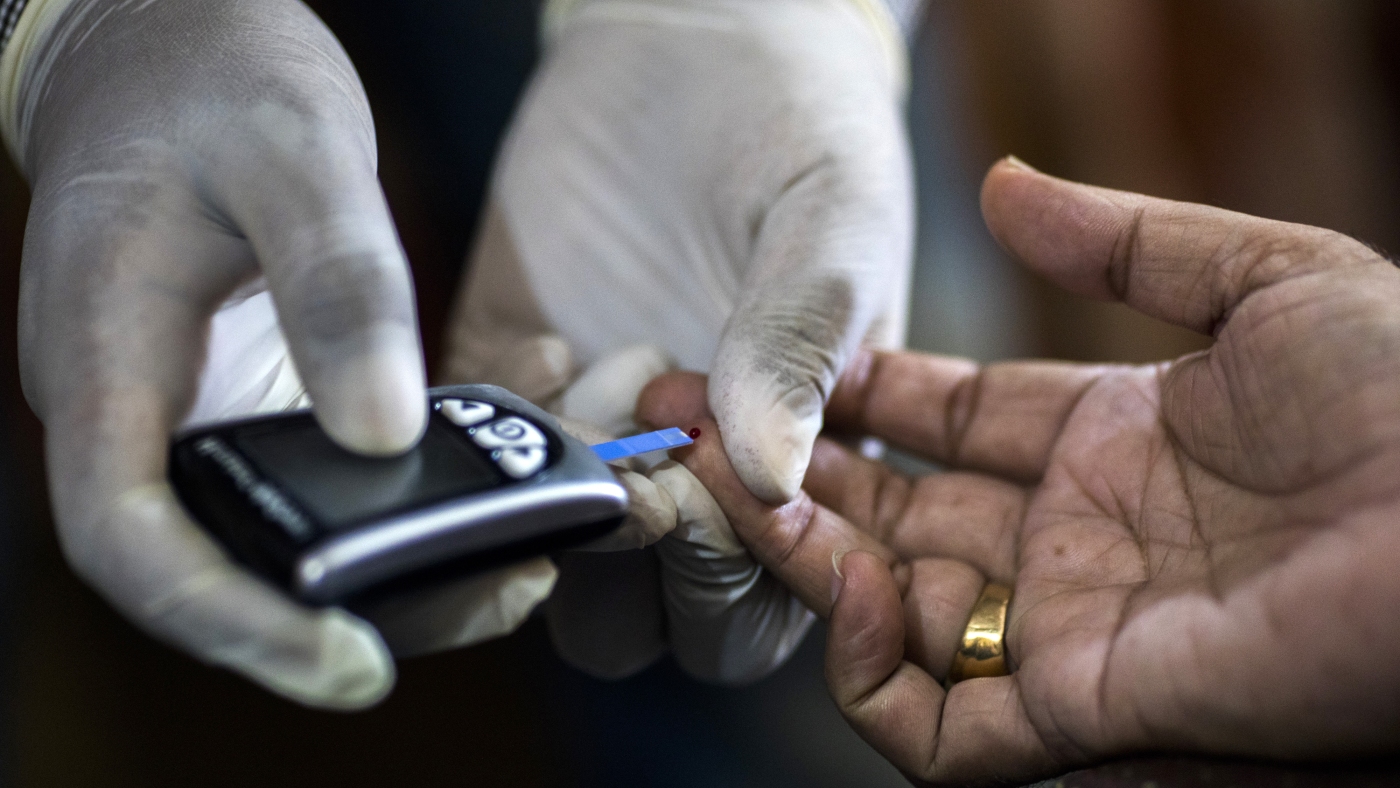
In 2025 the International Diabetes Federation officially recognizes a fifth form of diabetes—type 5 diabetes, or malnutrition-related diabetes mellitus (MRDM)—driven by chronic nutrient deficiencies and affecting up to 25 million people in low- and middle-income countries; the move aims to spur diagnostic criteria, research, and tailored therapies, though debate persists over prevalence and appropriate treatment, which may require non-standard insulin management for some patients.
Authorities in eastern France rescued a 9-year-old boy who had been living in his father’s utility van since November 2024, malnourished and unable to walk. The father is detained on kidnapping charges; the partner faces charges for failing to assist a minor, and the other children have been placed in social services as investigators probe who knew about the confinement.
A 9-year-old boy was rescued from a locked utility van in Hagenbach, eastern France, where he had been confined since November 2024. He was found malnourished, naked, and in a fetal position amid trash and excrement, having not showered for about 18 months. The father, 43, is detained on kidnapping charges; his partner, 37, faces related charges and was released under judicial supervision. The boy’s sister and the partner’s 10-year-old daughter were placed in social care. Authorities are investigating others’ possible knowledge of the confinement, with neighbors reporting occasional noises they were told were from a cat.
Reports of scurvy linked to GLP-1 weight‑loss drugs have risen as these medications curb appetite and food intake, potentially causing vitamin C and other nutrient deficiencies. Experts note that malnutrition risk increases when appetite suppression leads to reduced consumption, and advise nutritional status assessment, meal planning with a dietitian, and targeted supplementation (e.g., vitamin C 100–200 mg) to prevent scurvy and other deficiencies while continuing GLP-1 therapy. Scurvy is reversible with proper supplementation and dietary adjustments.
U.S. foreign aid to Afghanistan has largely evaporated after the 2021 withdrawal, coinciding with a surge in child malnutrition to levels not seen in 25 years, deadly earthquakes, and the return of millions of refugees. The collapse of aid has hit the economy hard and left four million children at risk of malnutrition, signaling a broad humanitarian crisis linked to US policy shifts and funding gaps.
The International Diabetes Federation has officially recognized a fifth form of diabetes, called type 5 diabetes, which is linked to malnutrition and affects millions worldwide, especially in low- and middle-income countries. This recognition aims to improve diagnosis and treatment, as type 5 diabetes is distinct from other types and often misdiagnosed, with current treatments potentially harmful. The move is seen as long overdue, with efforts underway to establish diagnostic criteria and therapeutic guidelines.
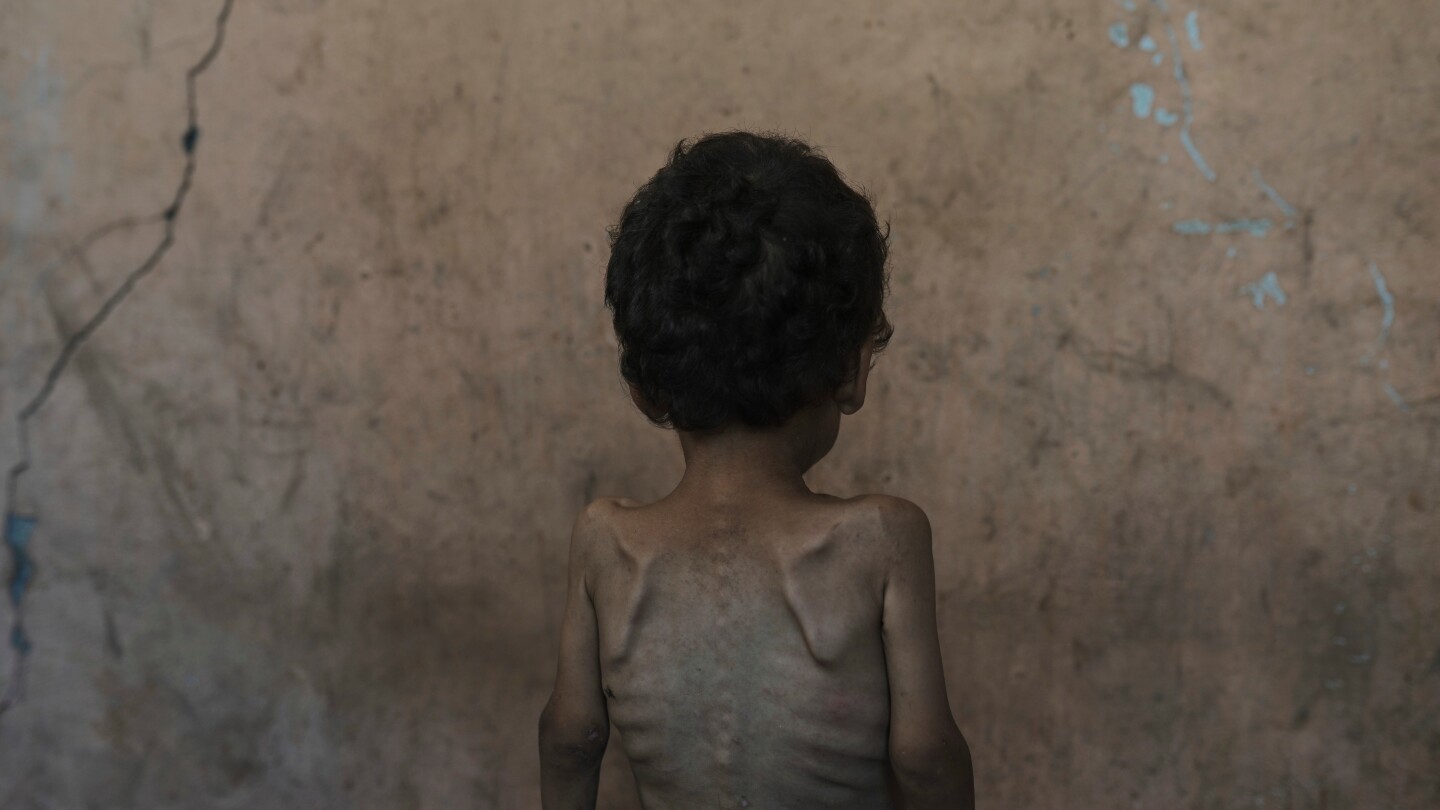
A study by the UN Relief and Works Agency reports that over 54,600 children under 5 in Gaza are acutely malnourished due to ongoing war and food shortages, with more than 12,800 severely affected, highlighting a critical humanitarian crisis requiring urgent aid and intervention.
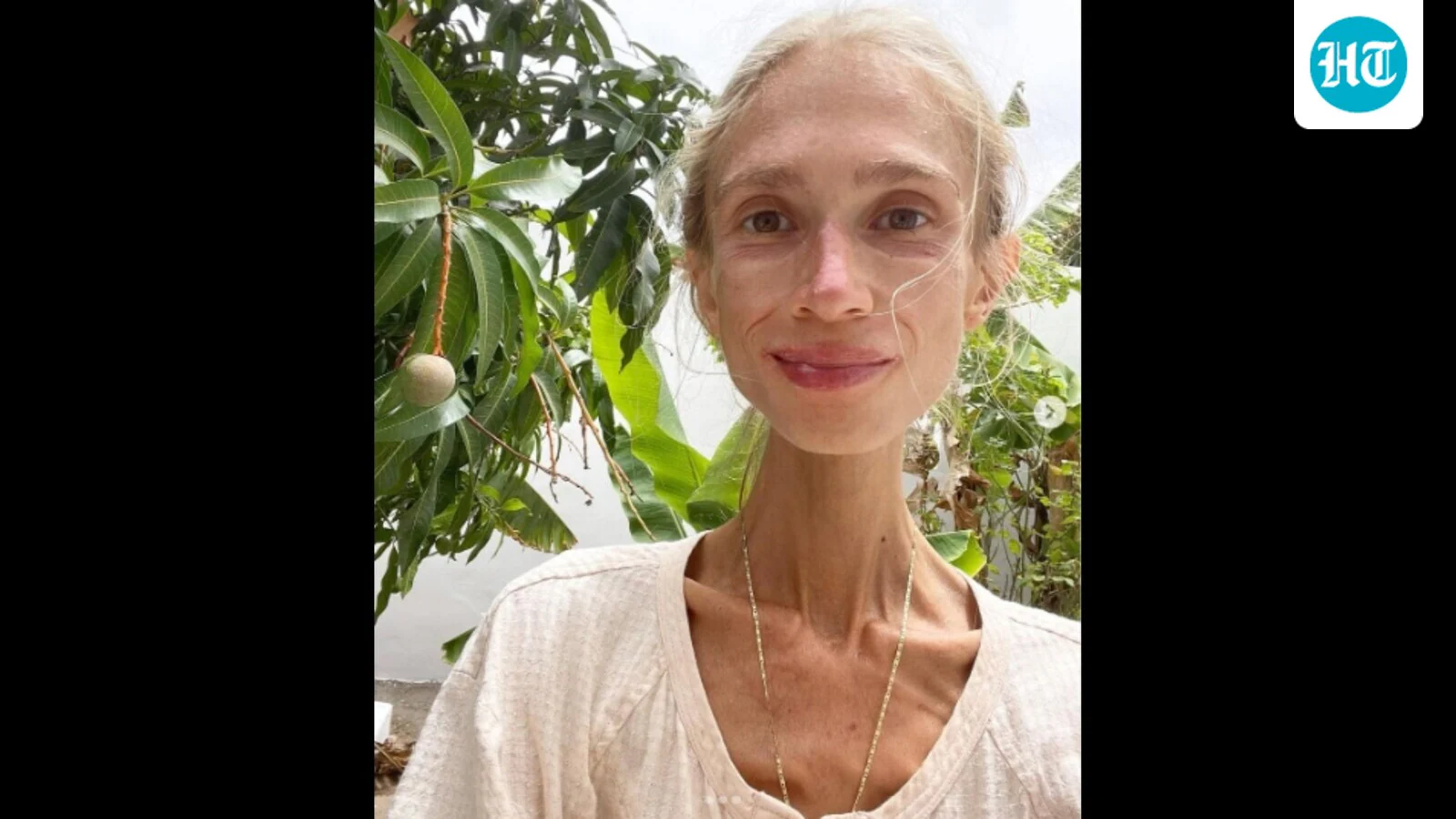
A 27-year-old woman in Bali died from starvation after following an extreme fruitarian diet, which led to severe malnutrition and health issues, despite repeated warnings from friends and hotel staff.
Researchers are formalizing a new classification called Type 5 diabetes for a neglected form of the disease linked to early malnutrition, which differs from Type 1 and 2 and is increasingly relevant due to global food crises.
A US-funded nutrition program in Nigeria was abruptly halted due to aid cuts, leading to the death of a woman's malnourished twins and risking the lives of many other children, highlighting the devastating impact of reduced international aid on vulnerable populations.
UNICEF reports the theft of lifesaving therapeutic food in Gaza, which has deprived over 2,700 malnourished children of essential aid amid ongoing conflict and famine, urging respect for humanitarian efforts and a ceasefire.
As of 2025, children worldwide are now more likely to be obese than underweight, marking a significant shift in global nutrition trends. While the decline in underweight children is positive, the rapid rise in childhood obesity poses serious health risks, highlighting the complex nature of malnutrition.
Children worldwide are now more likely to be obese than underweight, reflecting a shift in global nutrition driven by increased consumption of ultra-processed foods and sedentary lifestyles, with significant health and economic implications. Efforts to address this include policy measures like warning labels and taxes, but challenges remain, especially in regions still battling undernutrition.