Tag

Meal Sequencing

All articles tagged with #meal sequencing

Kyoto University research links pre-meal olive oil to reduced blood sugar spikes in mice
health17 days ago

Kyoto University research links pre-meal olive oil to reduced blood sugar spikes in mice

A study published in the journal Diabetes indicates that consuming olive oil 15 minutes before glucose can blunt early blood sugar spikes in mice. The research, led by Dr. Daisuke Yabe of Kyoto University, suggests that this 'meal sequencing' approach triggers a coordinated hormone and nerve response that slows gastric emptying. While the effect was observed in mice with type 2 diabetes and severe insulin deficiency, experts caution that human trials are required to confirm these findings.


Kyoto University Study Links Pre-Meal Olive Oil to Slower Digestion and Lower Blood Sugar in Mice
health17 days ago

Kyoto University Study Links Pre-Meal Olive Oil to Slower Digestion and Lower Blood Sugar in Mice

A study published in Diabetes shows that administering olive oil 15 minutes before glucose to mice slowed stomach emptying and reduced initial blood sugar spikes. The effect was observed in healthy mice and those with type 2 diabetes, driven by a coordinated hormone-nerve response involving glucagon and GLP-1. While experts note the mechanism may not be unique to olive oil, they caution that human trials are needed to confirm these findings, advising balanced meals over isolated fat consumption.

Kyoto Study: Olive Oil Before Carbs Blunts Blood Sugar Spikes via Hormone-Nerve Pathways
health-and-science1 month ago

Kyoto Study: Olive Oil Before Carbs Blunts Blood Sugar Spikes via Hormone-Nerve Pathways

A new study published in Diabetes reveals that consuming olive oil before glucose significantly reduces post-meal blood sugar spikes in mice. Researchers from Kyoto University found that this 'meal sequencing' strategy works by slowing gastric emptying and triggering a coordinated response involving glucagon, GLP-1, and vagus nerve signals. The effect persisted even in mice with type 2 diabetes, suggesting a potential practical dietary tool for glycemic control, though human trials are required to confirm these findings.

Kyoto Study Links Olive Oil Preload to Hormone-Nerve Response That Blunts Blood Sugar Spikes in Mice
health-and-science1 month ago

Kyoto Study Links Olive Oil Preload to Hormone-Nerve Response That Blunts Blood Sugar Spikes in Mice

A new study from Kyoto University demonstrates that consuming 15ml of olive oil before carbohydrates significantly reduces post-meal blood glucose spikes in mice. The research identifies a complex mechanism involving slowed gastric emptying and a coordinated response from glucagon, GLP-1, and vagus nerve signals. While the findings suggest meal sequencing could be a practical tool for diabetes management, experts caution that human clinical trials are still required to confirm these biological effects.

Kyoto Study Reveals Olive Oil Preload Activates Hormone-Nerve Pathways to Blunt Blood Sugar Spikes
health-and-science1 month ago

Kyoto Study Reveals Olive Oil Preload Activates Hormone-Nerve Pathways to Blunt Blood Sugar Spikes

A new study from Kyoto University demonstrates that consuming olive oil before carbohydrates significantly reduces post-meal blood glucose spikes in mice. The research identifies a complex mechanism involving slowed gastric emptying and a coordinated response from glucagon, GLP-1, and vagus nerve signals. While the findings suggest meal sequencing could be a practical tool for diabetes management, experts caution that human clinical trials are still required to confirm these biological effects.

Fortis Delhi Doctor Shares 5 Hacks to Manage Post-Meal Cravings and Glucose
health10 months ago

Fortis Delhi Doctor Shares 5 Hacks to Manage Post-Meal Cravings and Glucose

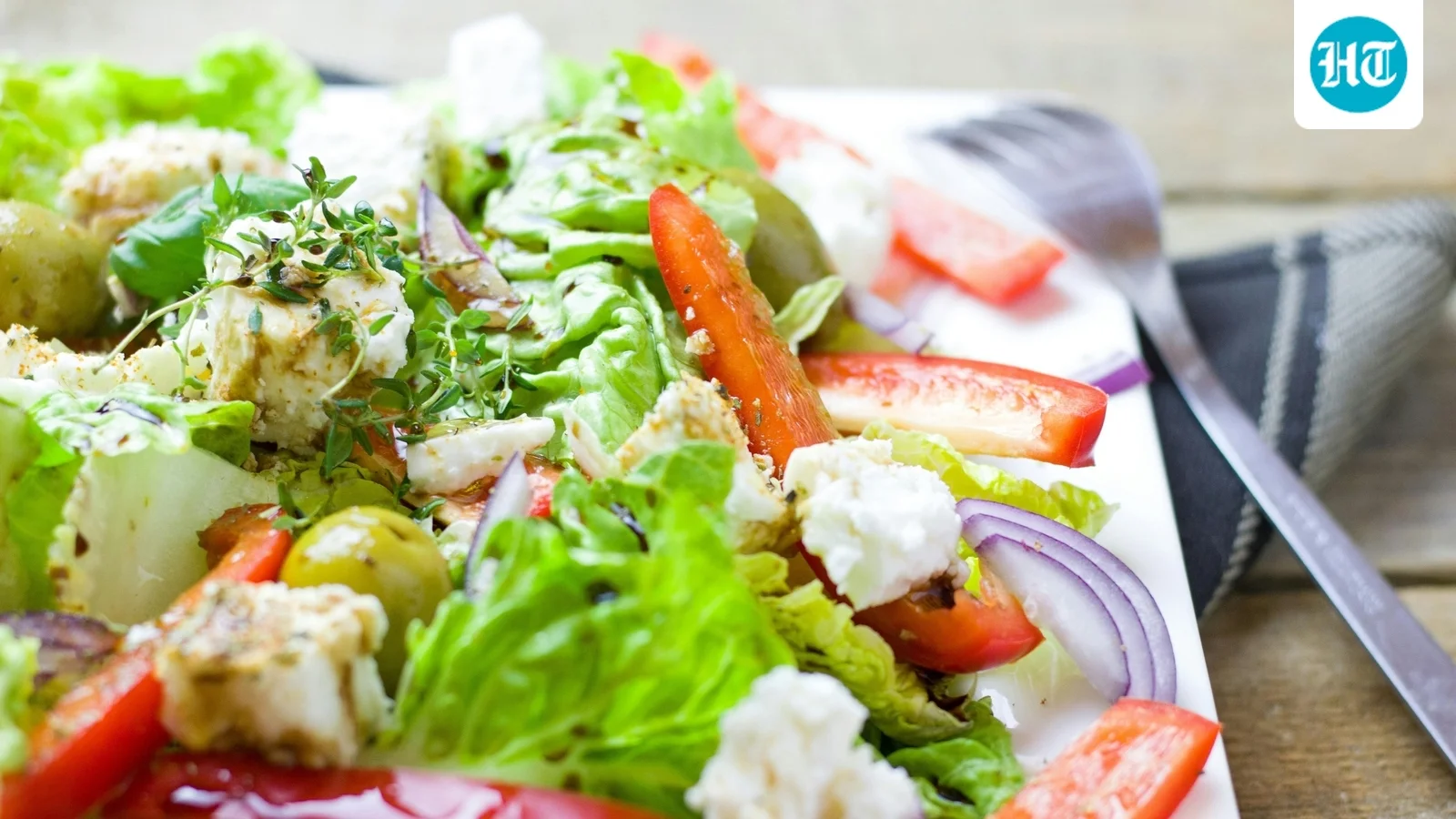
Dr. Vatsya from Fortis Delhi shares five simple hacks to combat post-meal cravings and stabilize blood glucose levels, including starting meals with vegetables, pairing carbs with proteins and fats, avoiding sugar on an empty stomach, engaging in post-meal movement, and adding apple cider vinegar to salads, all aimed at preventing sugar crashes and promoting better health.

"Easy Food Swaps for a Healthier Lifestyle"
health-and-wellness2 years ago

"Easy Food Swaps for a Healthier Lifestyle"

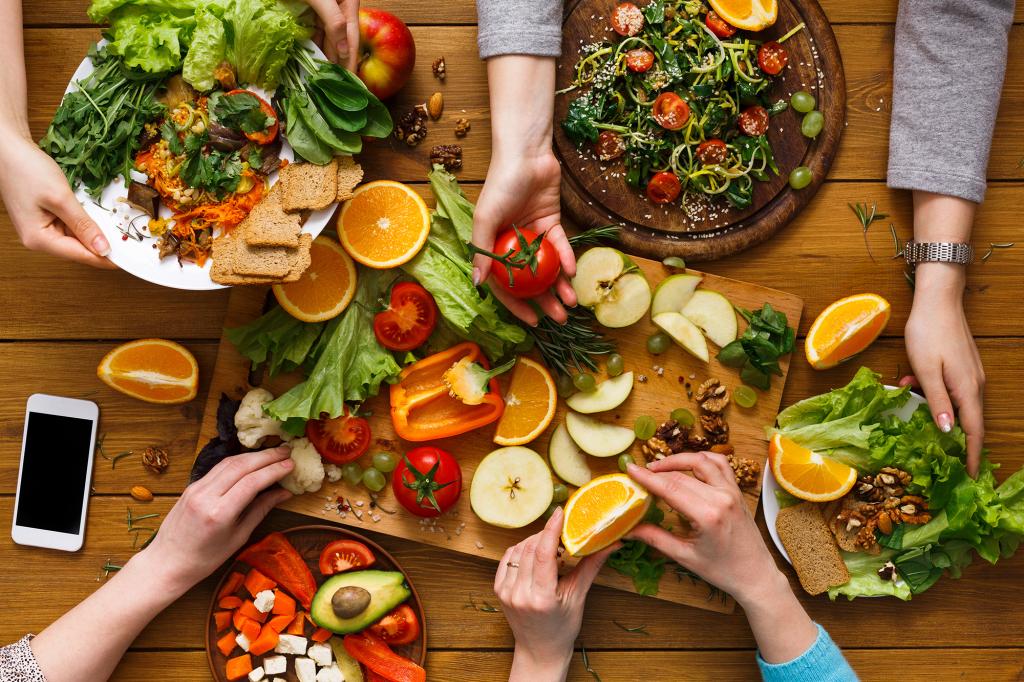
Making small but powerful changes to your diet can have a big impact on your health. Focus on microbe-friendly foods like whole grains, fruits, and vegetables to nourish your gut microbiome. Cut back on packaged foods and opt for minimally processed options. Instead of cutting carbs, focus on quality carbs like vegetables, whole grains, and legumes. Incorporate foods popular in Blue Zones, such as beans and legumes, for longevity. Eat smaller dinners and consume most of your calories earlier in the day. Add variety to your diet with spices, nuts, plants, and fermented foods. Lastly, practice meal sequencing by starting with vegetables and saving bread or chips for the end of the meal to improve blood sugar control and feel fuller for longer.

"Prioritizing Vegetables for Weight Loss: A Natural Alternative to Ozempic"
health3 years ago

"Prioritizing Vegetables for Weight Loss: A Natural Alternative to Ozempic"

Eating fiber-rich vegetables before carbohydrates, known as "meal sequencing," can help with weight loss by making you feel full longer, improving blood sugar control, and increasing the hormone GLP-1, which slows down digestion. Studies have shown that eating vegetables first can lead to lower postprandial blood sugar and insulin levels compared to starting with carbs. High-fiber vegetables are beneficial regardless of when they are consumed, as they reduce the risk of obesity, heart disease, and diabetes. However, it is important to vary the diet and avoid consuming "naked" carbs to prevent blood sugar spikes and cravings.

"The Power of Meal Sequencing: Prioritizing Vegetables for Optimal Health"
health3 years ago

"The Power of Meal Sequencing: Prioritizing Vegetables for Optimal Health"

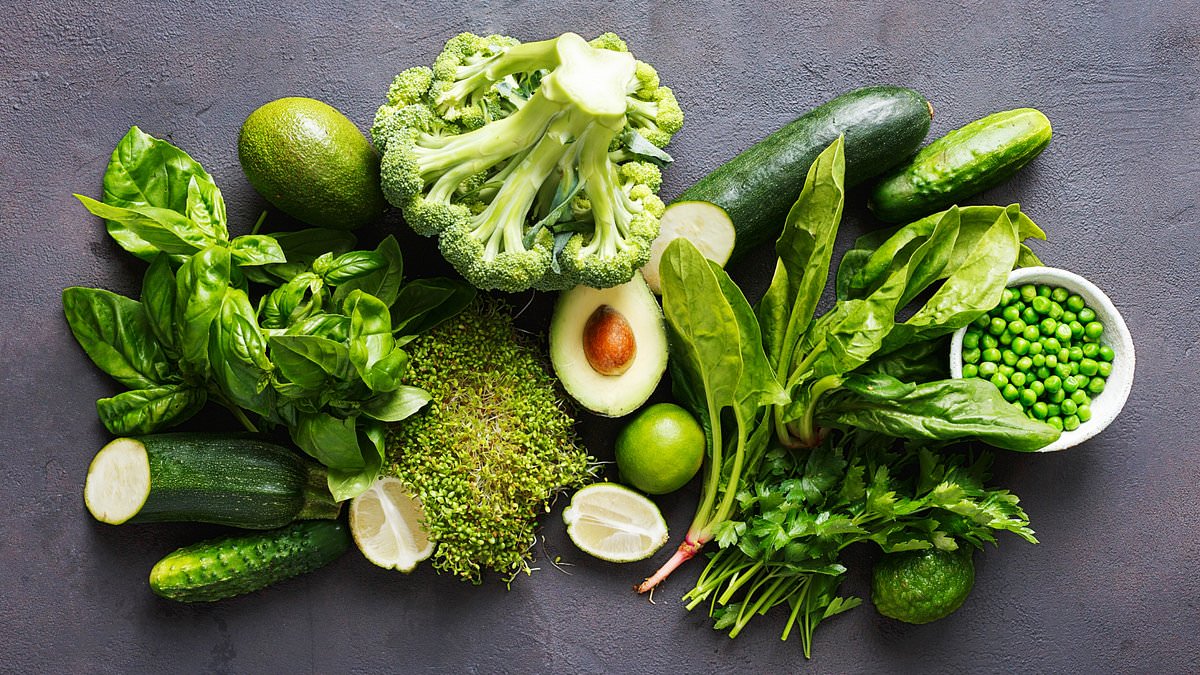
Scientists have found that eating vegetables before other foods, known as "meal sequencing," can have significant health benefits. This practice can improve blood sugar levels, increase satiety, and aid in weight loss. Vegetables high in fiber, such as broccoli and kale, regulate blood sugar, slow digestion, and keep individuals feeling full for longer. Research suggests that starting meals with vegetables can lead to reduced carbohydrate intake and lower postprandial blood sugar and insulin levels. Fiber-rich foods like vegetables, whole grain pasta, nuts, and legumes are recommended for optimal health.