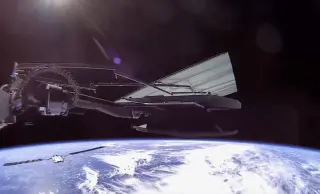
SpaceX released a roughly three-and-a-half-minute video showing how 29 Starlink satellites separate and deploy in orbit after a May 1 launch, highlighting the rapid growth of the Starlink megaconstellation and SpaceX’s push to provide global high-speed internet.
Blue Origin has filed with the FCC to pursue Project Sunrise, a megaconstellation of up to 51,600 satellites in sun-synchronous orbits (500–1,800 km) to host space-based data centers that would supplement terrestrial AI computing, joining ongoing industry pushes by SpaceX and Nvidia-backed teams in the race for orbital compute.
Blue Origin announced its own megaconstellation, TeraWave, a 5,408-satellite system in low- and medium-Earth orbits designed to deliver up to 6 Tbps, targeting enterprise, data-center, and government users rather than consumers. The network would use LEO radios for up to 144 Gbps and MEO optical links for higher speeds, with deployment planned to begin in Q4 2027. The project may complement Amazon Leo and hints at orbital data centers, reflecting Blue Origin’s broader push into high-speed, reliable global connectivity, though it adds to internal resource strain as the company pursues multiple ambitious programs led by a new Emerging Systems division.
China has filed ITU proposals to deploy up to 200,000 internet satellites—including two ambitious 96,714-satellite megaconstellations (CTC-1 and CTC-2)—as part of a broader push to build Chinese space networks and compete with SpaceX’s Starlink, amid concerns about orbital congestion and regulatory timelines.
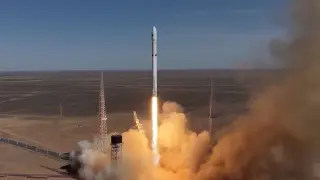
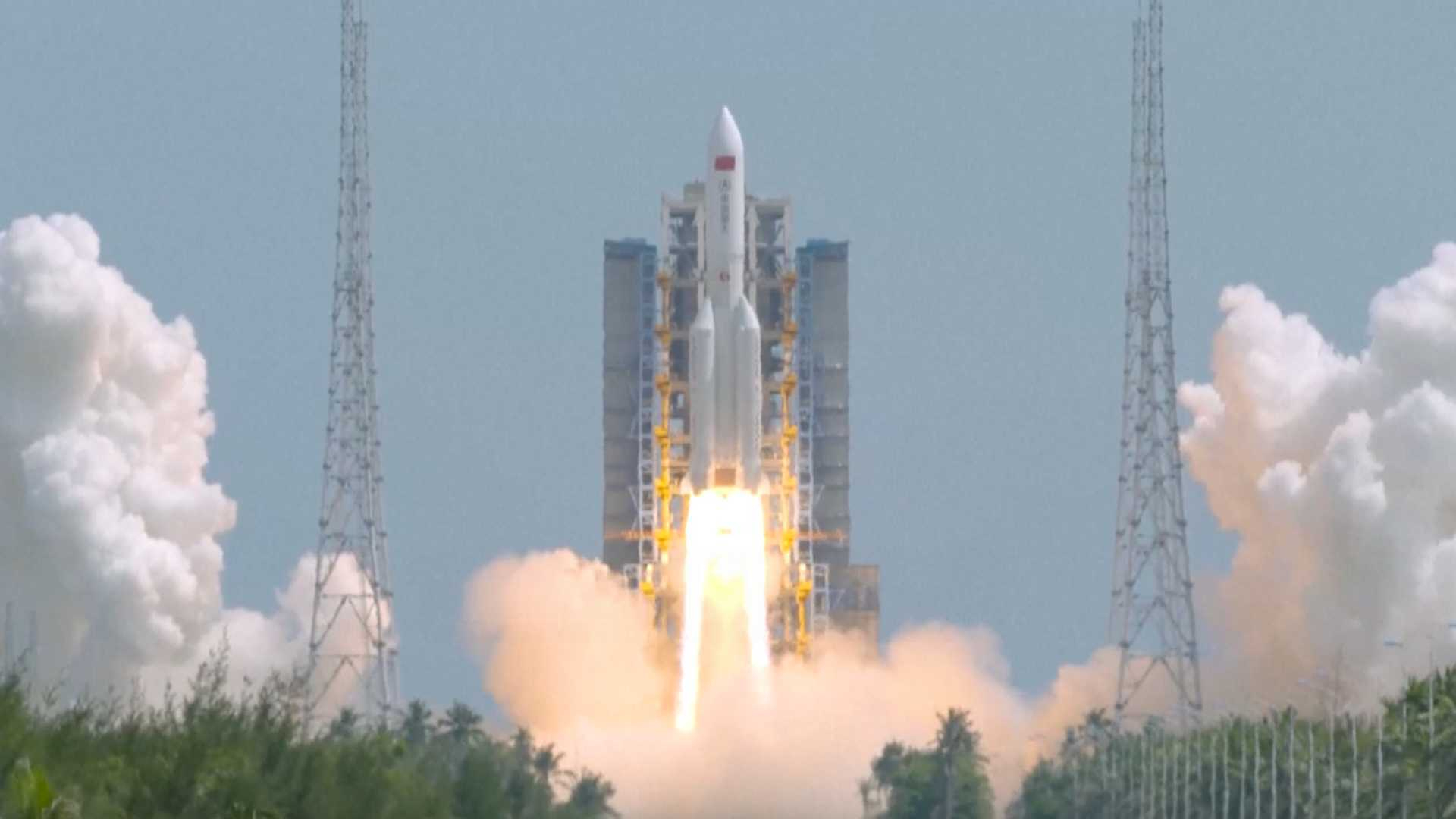
China successfully launched the eighth batch of satellites for its Guowang broadband megaconstellation, aiming to eventually deploy around 13,000 satellites to enhance internet coverage, with recent launches occurring at a rapid pace compared to other global projects like SpaceX's Starlink.
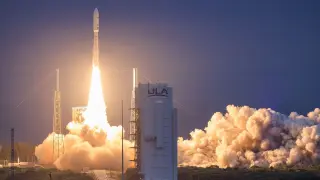
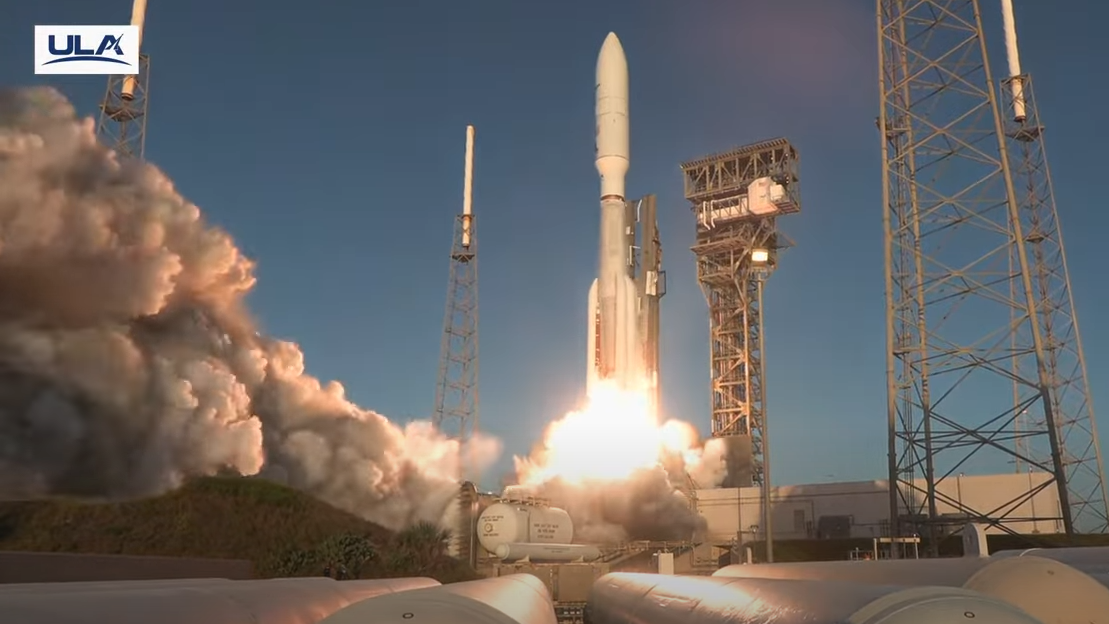
Amazon's second batch of 27 satellites for its Project Kuiper megaconstellation was launched by a ULA Atlas V rocket from Cape Canaveral, part of a plan to deploy over 3,200 satellites to provide global internet coverage, competing with SpaceX's Starlink and other global satellite projects.
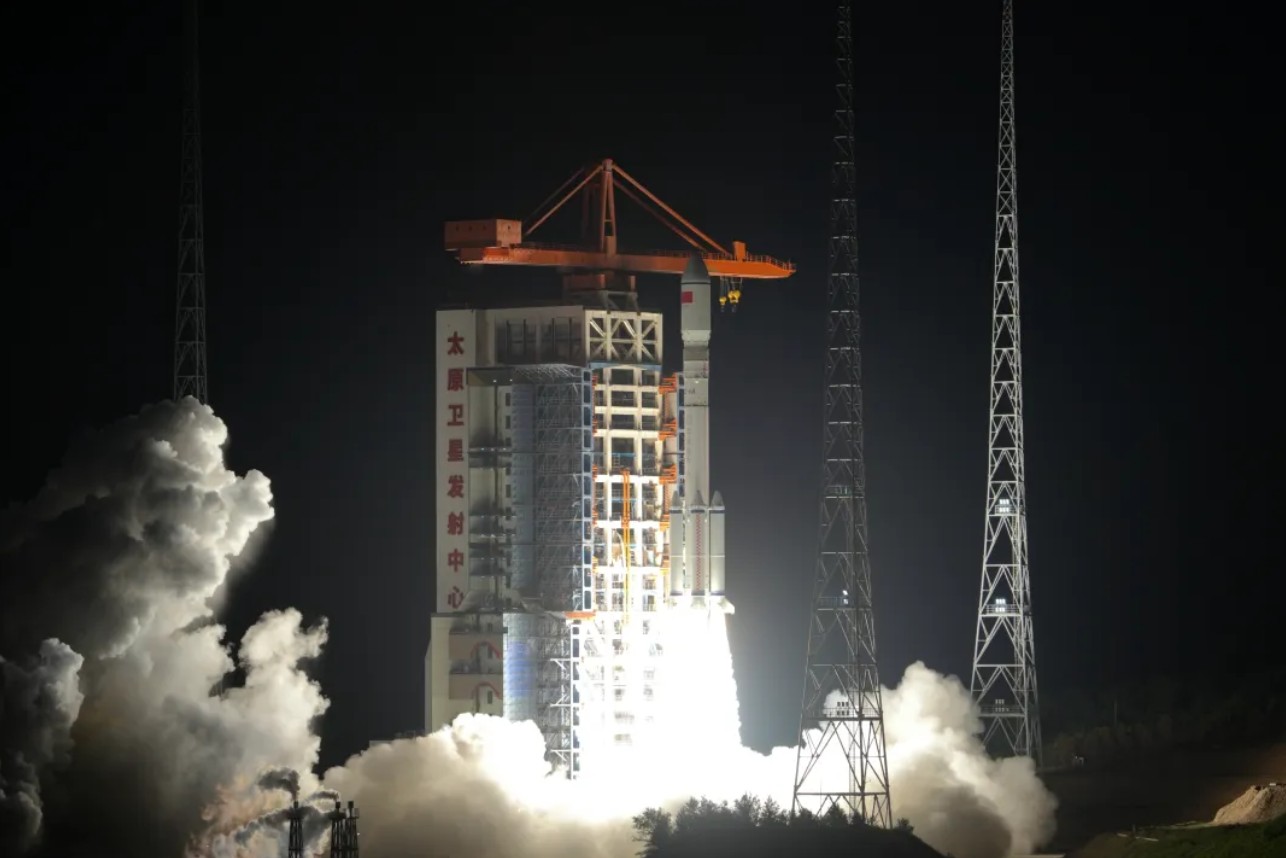
China successfully launched the fourth group of Guowang low Earth orbit satellites using the Long March 6A rocket, though details about the payload and objectives remain undisclosed, fueling speculation about their potential dual-use or security functions.