Tag

Minimally Invasive

All articles tagged with #minimally invasive

Robotic Heart Surgery: Myths Debunked, Surgeon Still in Charge
health1 month ago

Robotic Heart Surgery: Myths Debunked, Surgeon Still in Charge

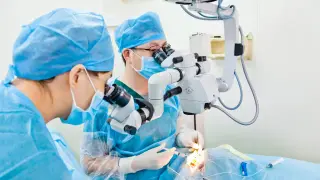
Experts debunk five myths about robotic cardiac surgery in India, clarifying that the robot has no autonomous function and is fully controlled by the surgeon. Robotic procedures typically involve smaller incisions, less trauma, less pain, earlier discharge, and quicker return to daily activities. They now cover a broader range of conditions beyond simple cases, with outcomes that are comparable to—or better than—open surgery for appropriately selected patients, and access is expanding within India rather than abroad.

Tiny beads, big relief: a knee-pain breakthrough that could delay replacement
health1 month ago

Tiny beads, big relief: a knee-pain breakthrough that could delay replacement

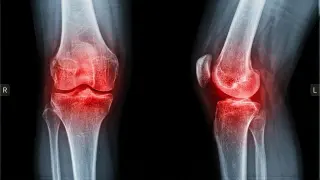
Genicular artery embolization (GAE) is a minimally invasive outpatient procedure that reduces pain in knee osteoarthritis by cutting inflamed blood flow to abnormal vessels. About 70% of patients report substantial pain relief, with some experiences nearing normal function; relief can last years (Japan data up to 4 years; U.S. data up to 2 years for good responders). The procedure takes 1–2 hours under conscious sedation with same-day discharge. It’s mainly for mild-to-moderate OA, though benefits may be shorter with advanced disease. Trials at CU Anschutz are exploring mechanisms and broader applications, and related devices have received FDA breakthrough status since 2021.

New Knee OA Therapy Halves Pain Over a Year Without Surgery
science1 month ago

New Knee OA Therapy Halves Pain Over a Year Without Surgery

A 12-month real-world study from Charité Berlin tested genicular artery embolization (GAE) using resorbable microspheres to treat osteoarthritis-related knee pain in 194 patients (average age ~69). Pain dropped from about 7/10 at baseline to 3/10 after 12 months, with notable gains in daily activity, sports participation, and quality of life, and no major adverse effects reported. The procedure is minimally invasive, with short hospital time, and works by occluding abnormal vessels and pain-sensing nerves around the joint. However, the study had no control group and was conducted at a single hospital, so larger randomized trials are needed to confirm efficacy and compare with other treatments.

New Knee Therapy May Spare People from Replacement Surgery
health2 months ago

New Knee Therapy May Spare People from Replacement Surgery

Genicular artery embolization (GAE) is an outpatient, one- to two-hour procedure that reduces inflammation by blocking blood flow to abnormal knee vessels to ease chronic knee pain from osteoarthritis. It offers a potential middle-ground between conservative treatments and total knee replacement, with about 70% of patients experiencing substantial relief and pain scores halved or better; some report no pain. Recovery is typically quick, and ongoing CU Anschutz trials are exploring long-term outcomes and broader applications beyond the knee.

Knee osteoarthritis pain relief lasts 12 months with artery embolization
health2 months ago

Knee osteoarthritis pain relief lasts 12 months with artery embolization

A real-world study of 194 knee osteoarthritis patients undergoing genicular artery embolization (GAE) with rapidly resorbable gelatin microspheres showed meaningful pain reduction and improved function for up to 12 months, with pain scores dropping from 7/10 to 3 and 80% exceeding the minimum clinically important difference; the procedure was safe with mostly mild, self-limited adverse events in 6.7% of participants, offering a non-surgical option between injections and joint replacement.

90-Minute Minimally Invasive Makeover Delivers Facelift-Like Results
lifestyle6 months ago

90-Minute Minimally Invasive Makeover Delivers Facelift-Like Results

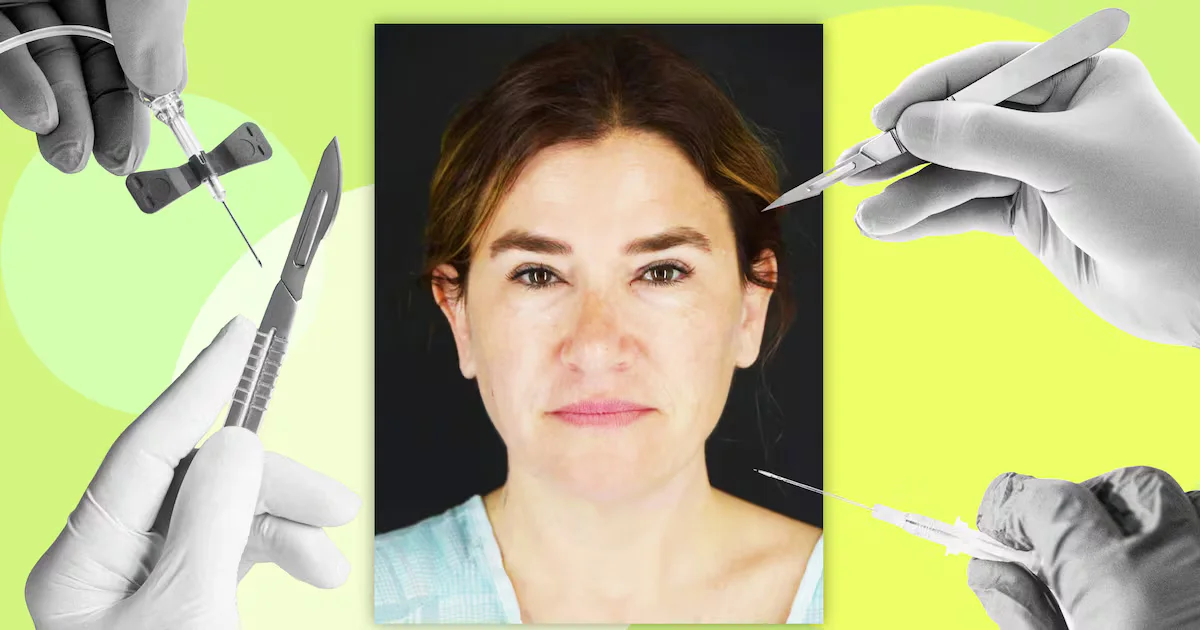
Alli Webb, founder of Drybar, in her late 40s chose a trio of minimally invasive procedures—buccal fat removal, chin and jawline liposuction, and radiofrequency neck-tightening—over a full facelift. The 90-minute procedure, performed under twilight anesthesia, required about three to four days of downtime and cost about $28,500 in California, far less than a facelift typically priced at $55,000–$150,000. Webb’s results were enhanced by good skin quality, yielding facelift-like transformation, though outcomes vary by individual skin condition and age; doctors stress realistic expectations and case-by-case assessment.

"Utah Welcomes Cutting-Edge Single-Port Robotic Surgery Technology"
health2 years ago

"Utah Welcomes Cutting-Edge Single-Port Robotic Surgery Technology"

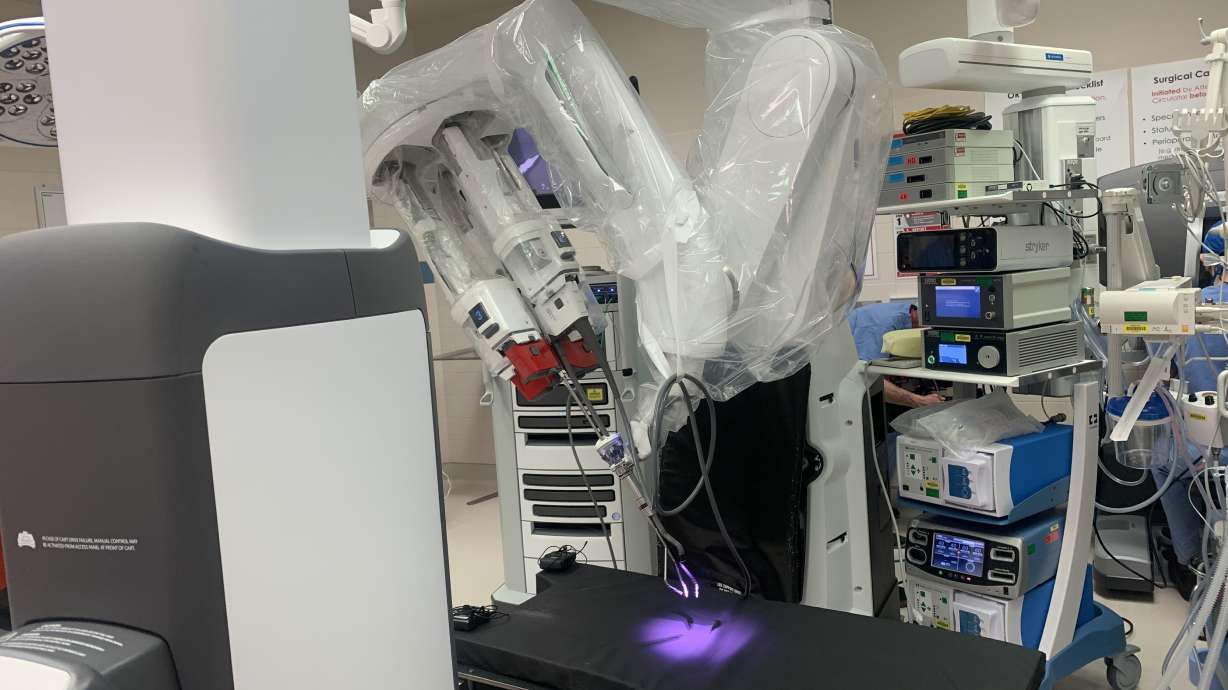
The Huntsman Cancer Institute in Utah has introduced the DaVinci SP robot for robotic surgery, the first single-port robot of its kind in the Intermountain West. Doctors believe that the new robot will lead to faster recovery and better operations for patients, particularly for oropharynx cancer and benign masses. The robot's advanced capabilities, including 3D vision and precise control, are expected to improve surgical outcomes and reduce post-operative stress for patients. The institute hopes to expand the use of the robot to benefit patients with lung, colorectal, and breast cancers in the future.

Revolutionizing Electrotherapy: Temporary Organic Electrodes for Surgery-Free Treatment
medical-science-news3 years ago

Revolutionizing Electrotherapy: Temporary Organic Electrodes for Surgery-Free Treatment

Researchers at Lund University and Gothenburg University have developed temporary, organic electrodes that can be injected into the body using a needle, eliminating the need for surgery. The electrodes self-organize into a conducting structure and integrate with the body's cells, providing a minimally invasive approach to electrotherapy. The electrodes break down and are excreted from the body after treatment, making them suitable for non-chronic diseases that are difficult to treat. The new method opens up possibilities for more effective therapies in areas such as cancer and nerve injuries.

Revolutionary Tiny Surgical Robots Travel Deep into the Body to Detect and Treat Cancer
health3 years ago

Revolutionary Tiny Surgical Robots Travel Deep into the Body to Detect and Treat Cancer

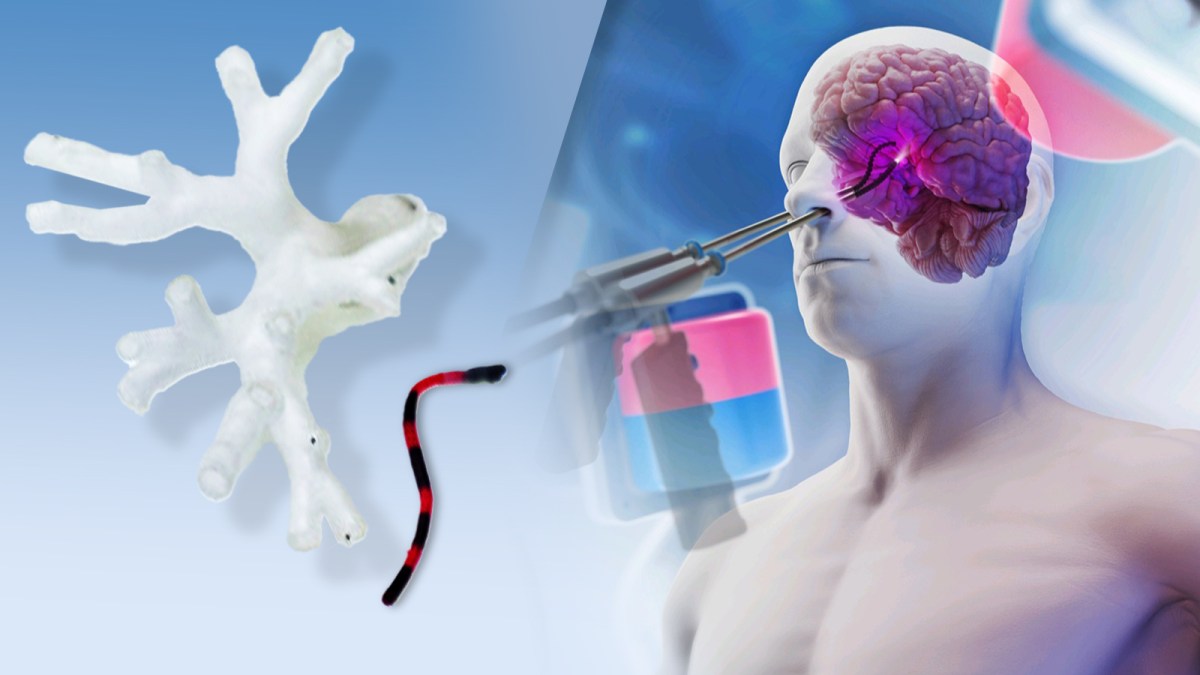
Scientists from the University of Leeds have developed a robotic tentacle that can travel deep into the body to reach and destroy previously inaccessible tumors, potentially revolutionizing cancer treatment. The soft and thin silicone tentacle, controlled by magnets positioned outside the body, can reach 37% deeper into the lungs than standard equipment, causing less damage. It can take biopsy samples or deliver laser treatment to tumors. The tentacle is only 2.4mm in diameter, significantly smaller than current bronchoscope tubes. The researchers also successfully used the tentacles for brain surgery. Data is being gathered for human trials.

Tiny implantable device effectively shrinks pancreatic cancer tumors.
health3 years ago

Tiny implantable device effectively shrinks pancreatic cancer tumors.

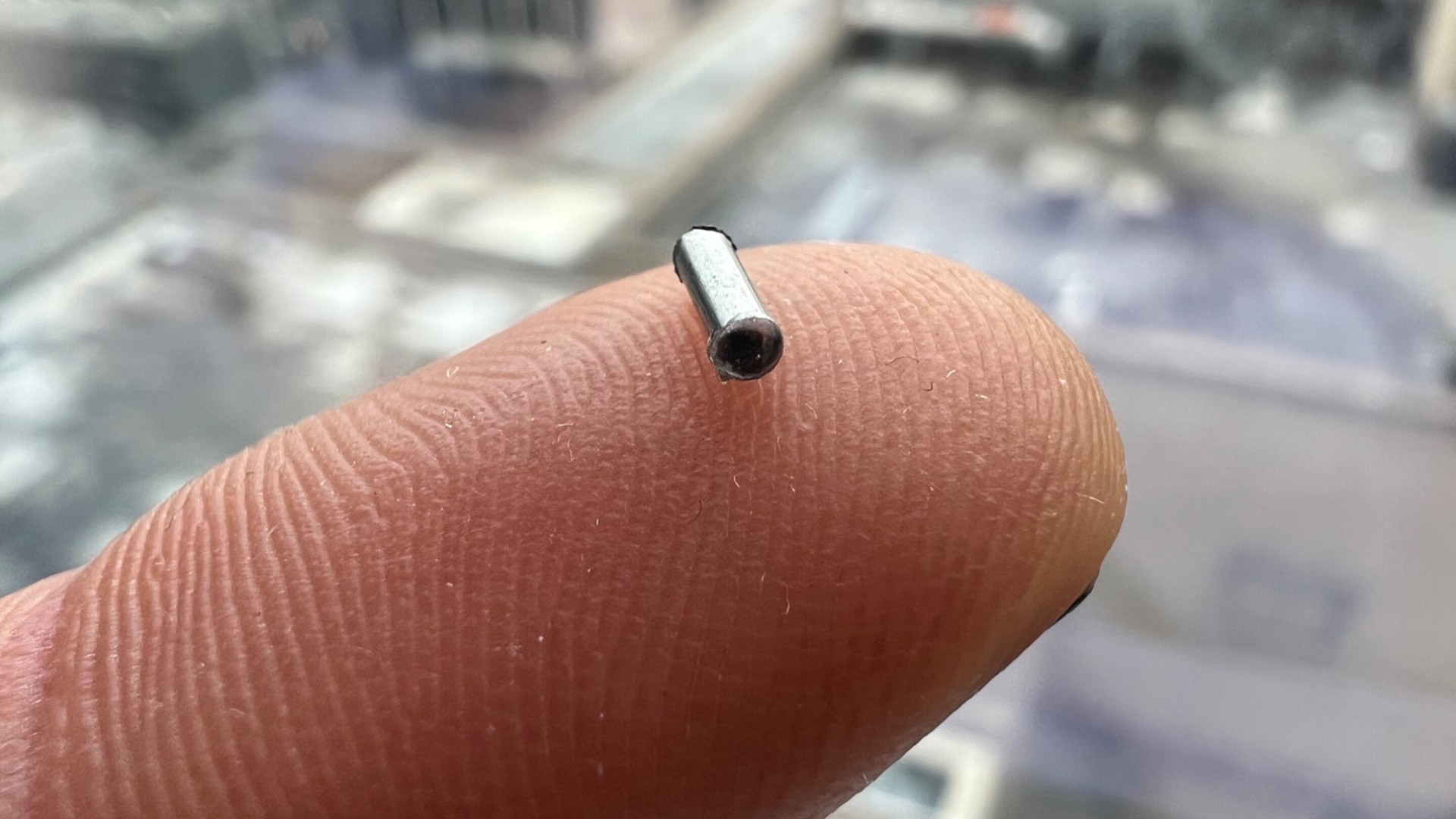
A nanofluidic drug-eluting seed (NDES) has been developed to deliver low-dose immunotherapy in the form of CD40 monoclonal antibodies (mAb) to shrink pancreatic cancer. The device protects the body from exposure to the powerful cancer drug and leads to fewer side effects. The tumor reduction was achieved with a "fourfold decrease" in drug dosage, making it a more focused therapy using less medication. The NDES device was inserted in one of two tumors in the same animal model, and shrinkage was noted in the tumor without the device, indicating that local treatment with immunotherapy activated the immune response to target other tumors.