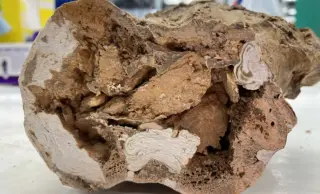
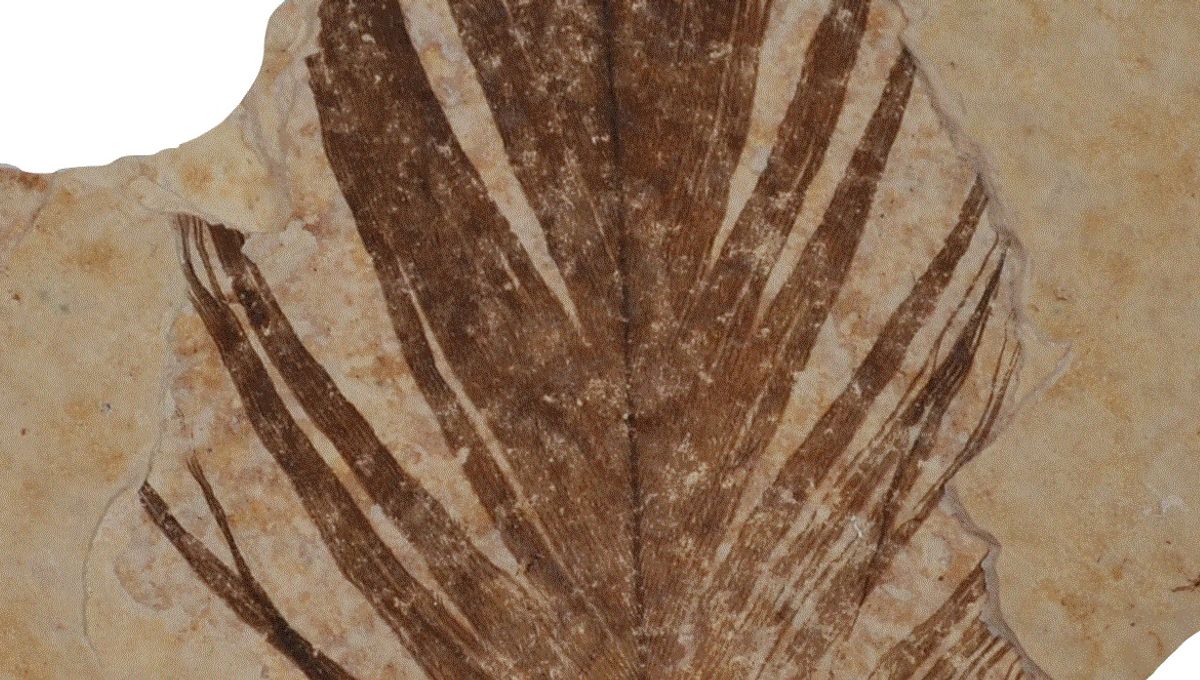
An international research team led by Kliti Grice of Curtin University has confirmed the presence of intact heme molecules and mineralized red blood cell structures in the limb bones of a juvenile Aratasaurus museunacionali. The fossil, dating back 115 million years to the Early Cretaceous period in northeastern Brazil, was discovered in 2008 and is housed at the National Museum of Brazil. Published in the Proceedings of the National Academy of Sciences, the study represents the first chemical identification of oxygen-carrying blood compounds in dinosaur fossils. The preservation is attributed to rapid burial in a low-oxygen, microbe-rich environment, where the manganese compound hausmannite stabilized the cellular structures. While the discovery challenges previous assumptions about the degradation of biomolecules over deep time, it does not imply the survival of DNA or large proteins, which remain absent from such ancient specimens.