Tag

Modifiable Risk Factors

All articles tagged with #modifiable risk factors

Modifiable Risk Factors May Prevent Up to 45% of Dementia Cases, Study Finds
health1 month ago

Modifiable Risk Factors May Prevent Up to 45% of Dementia Cases, Study Finds

A Medscape rapid review summarizes evidence that dementia could be substantially preventable by addressing modifiable risk factors. Hearing loss is the strongest factor (RR 1.9; AR 8.2%), with depression (RR 1.9; AR 3.9%), air pollution (AR 2.3%), lower education (AR 7.1%), and smoking (AR 5.2%) also contributing. The 2024 Lancet Commission adds high LDL cholesterol and vision loss to the risk-factor list. By intervening on these factors, roughly 40–45% of global dementia cases could be prevented or delayed. Supporting strategies include controlling hypertension to keep systolic BP below 130 mm Hg from midlife and limiting alcohol use (more than 12 units/week US or 21 UK associated with higher risk), though the evidence for alcohol’s overall effect is mixed. Some factors (HRT, PTSD) lack clear links, and anxiety evidence is insufficient.

Six Lifestyle Factors Linked to 28% of Global Breast Cancer Cases
health6 months ago

Six Lifestyle Factors Linked to 28% of Global Breast Cancer Cases

New global analysis (GBD 2023) finds 2.3 million breast cancer cases in 2023 rising to over 3.5 million by 2050, with 28% of the burden tied to six modifiable factors (red meat, tobacco, high blood sugar, high BMI, alcohol, physical inactivity); outcomes are worse in low- and middle-income countries, underscoring prevention, early detection, and access to treatment.

"Uncovering the Top 3 Risk Factors for Accelerated Brain Aging and Dementia"
health2 years ago

"Uncovering the Top 3 Risk Factors for Accelerated Brain Aging and Dementia"

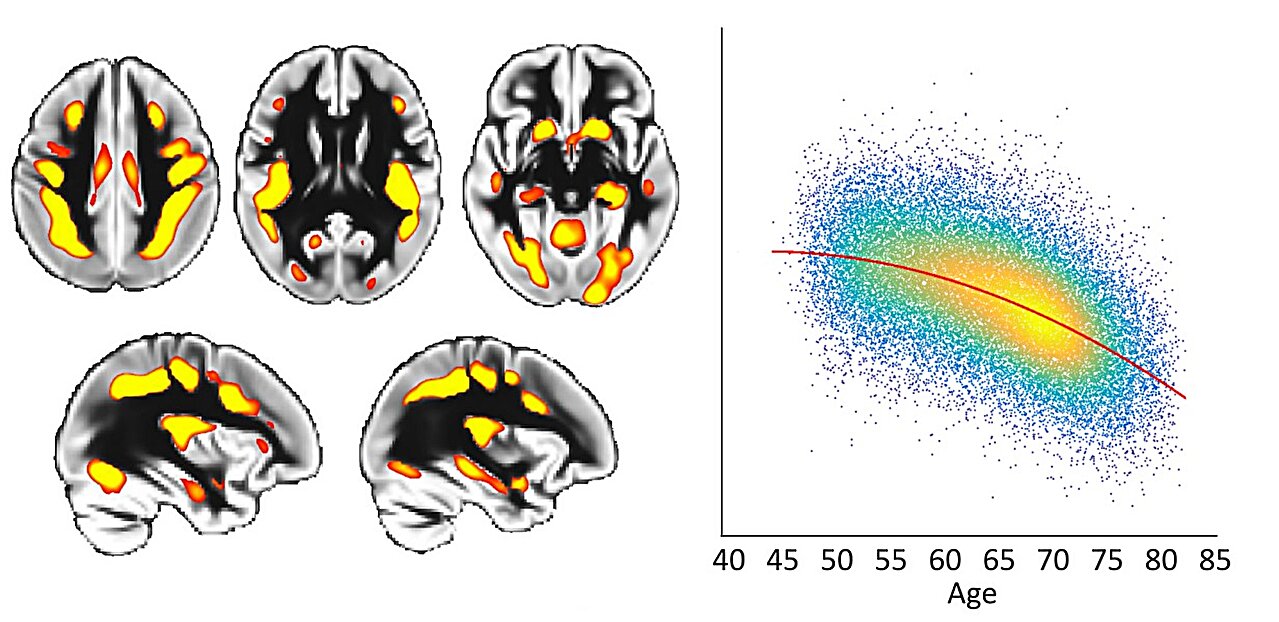
A new study published in Nature Communications reveals that specific brain regions vulnerable to aging and dementia are particularly impacted by modifiable risk factors such as diabetes, air pollution, and alcohol consumption. Researchers examined 161 risk factors for dementia and found that these brain regions are most vulnerable to certain genetic variations, cardiovascular deaths, schizophrenia, Alzheimer's and Parkinson's diseases, as well as the XG blood group antigens. The study sheds light on critical risk factors for dementia and provides valuable information for prevention and targeted intervention strategies.

Reducing Key Risks Can Make Prostate Cancer Less Deadly for Black Men, Study Shows
health3 years ago

Reducing Key Risks Can Make Prostate Cancer Less Deadly for Black Men, Study Shows

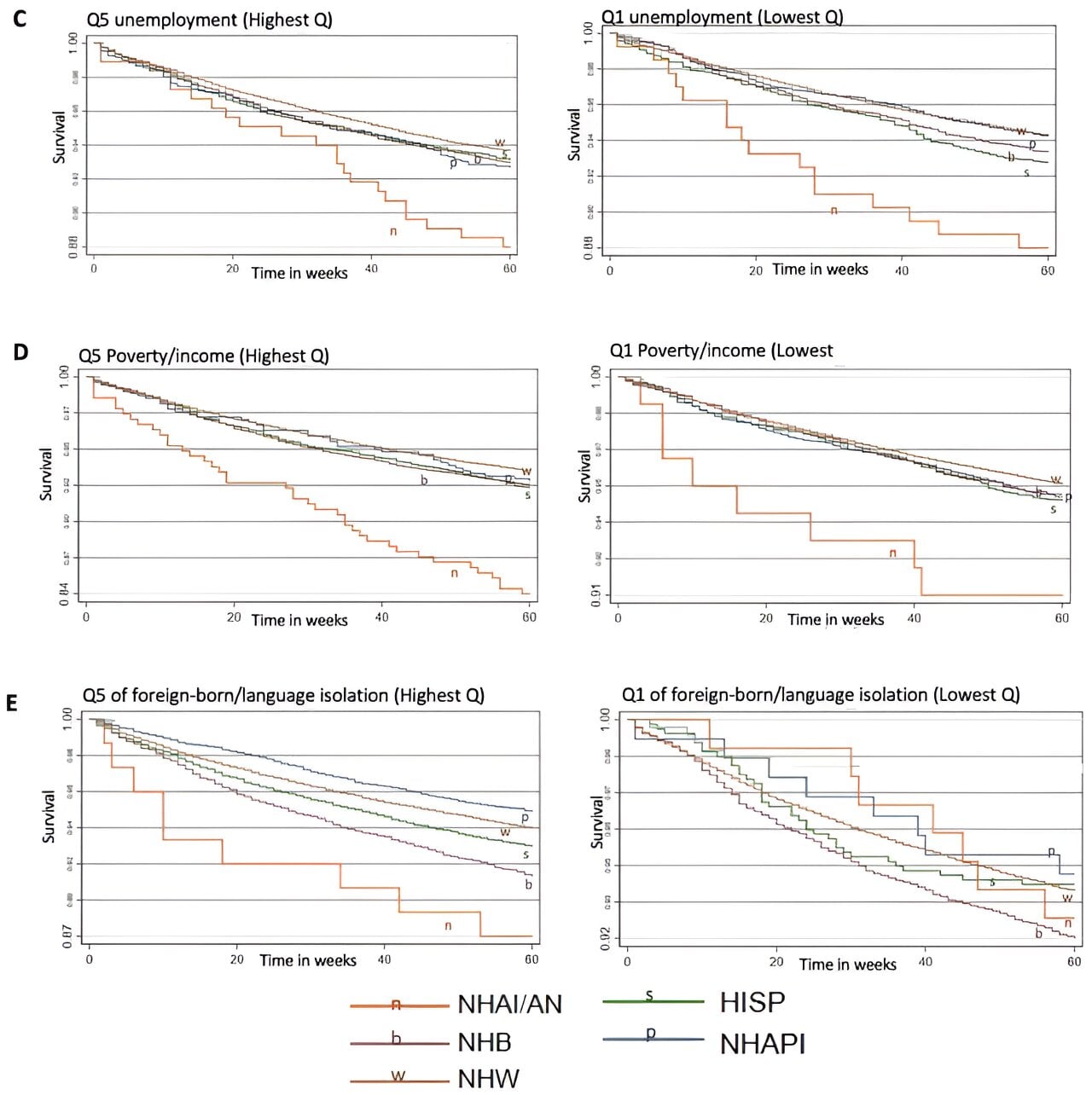
A new study from Stony Brook Medicine challenges the belief that Black men may be biologically prone to prostate cancer. The research found that nearly 75% of the survival disparity between Black and White men can be attributed to modifiable risk factors, such as later diagnosis, lack of health insurance, and differences in access to cancer screening. Poverty and lower educational attainment were associated with more severe disease outcomes and death. The findings highlight the need for tailored interventions to address these disparities and improve survival rates for highly preventable diseases like prostate cancer.

Preventing Cancer: A Wake-Up Call to Avoidable Risks
health3 years ago

Preventing Cancer: A Wake-Up Call to Avoidable Risks

Preventable cancers are cases of cancer that develop as a result of modifiable risk factors such as smoking, heavy drinking, poor diet, and sunburn. Health experts estimate that about 40% of cancers worldwide are preventable. In the UK, 37.7% of all cancers are attributable to known risk factors. Alcohol, smoking, diet, and UV radiation exposure are the main risk factors. Taking steps such as not smoking, maintaining a healthy weight, protecting oneself from the sun, reducing alcohol consumption, and adopting a healthy balanced diet can help minimize the risk of cancer.

Lower Your Blood Pressure with These Modifiable Risk Factors, Say Experts.
health3 years ago

Lower Your Blood Pressure with These Modifiable Risk Factors, Say Experts.

High blood pressure can be caused by several modifiable risk factors such as an unhealthy diet, physical inactivity, tobacco and alcohol consumption, obesity, and stress. These factors can be managed by making changes in one's lifestyle such as consuming healthy fats, reducing salt intake, exercising regularly, quitting smoking and drinking, maintaining a healthy weight, and managing stress levels. Non-modifiable risk factors such as age and existing health conditions like diabetes or kidney disease also contribute to high blood pressure and require appropriate medical treatment.

Lower Your Blood Pressure with These Modifiable Risk Factors, Say Experts.
health3 years ago

Lower Your Blood Pressure with These Modifiable Risk Factors, Say Experts.

High blood pressure can be caused by several modifiable risk factors such as an unhealthy diet, physical inactivity, tobacco and alcohol consumption, obesity, and stress. These factors can be managed by making changes in one's lifestyle such as consuming healthy fats, reducing salt intake, exercising regularly, quitting smoking and drinking, maintaining a healthy weight, and managing stress levels. Non-modifiable risk factors such as age and existing health conditions like diabetes or kidney disease also contribute to high blood pressure and require appropriate medical treatment.

Study links genetic factors to Alzheimer's and other dementias.
health3 years ago

Study links genetic factors to Alzheimer's and other dementias.

A new study has found that a genetic predisposition toward certain forms of higher blood pressure and cholesterol is linked to a potential increased risk of Alzheimer’s disease. The study analyzed data from the European Alzheimer & Dementia Biobank and found that people with certain genes that led to higher levels of HDL cholesterol and higher systolic blood pressure had a slightly higher chance of developing Alzheimer’s. The study did not find any consistent evidence for genetic associations with other lipid traits, nor did it find evidence that BMI, alcohol consumption, smoking or diabetes increased the odds of developing Alzheimer’s.