A new study suggests that eating 40 grams of walnuts daily for eight weeks can improve mood and sleep quality in young adults. The research links these benefits to increased serotonin metabolites and melatonin markers, though experts caution that walnuts are not a cure for clinical disorders.
A new study from Showa Pharmaceutical University suggests that merely smelling freshly brewed coffee can reduce negative mood states and alter brain activity, even without consuming caffeine. Published in the journal Nutrients, the research tracked 20 university students who sat near coffee for five minutes. While participants reported less fatigue, tension, and anxiety, their heart rates remained unchanged, indicating the effect may be psychological or sensory rather than physiological.
Certain foods, often referred to as "comfort foods," can temporarily elevate our spirits by spiking blood sugar and dopamine levels, but these same foods can also drive emotional discomfort. However, there is a category of nutrients, such as tryptophan found in foods like nuts, red meat, chicken, and turkey, that can positively impact mood by regulating hormones. While tryptophan can affect mood, it's more of a regulatory force than a boosting one. The best way to maximize the positive effects of tryptophan-heavy foods is to substitute processed foods with healthier choices. Ultimately, the relationship between our state of mind and what we eat is complex, and while certain foods can provide temporary relief, making meaningful connections and nourishing the brain properly are essential for long-term mood improvement.
Serotonin, a key chemical for regulating mood, can be naturally boosted through activities such as sunlight exposure, regular exercise, engaging in mood-boosting activities, practicing mindfulness and relaxation techniques, ensuring adequate sleep, and maintaining healthy social connections. These methods can help elevate serotonin levels and contribute to overall well-being.
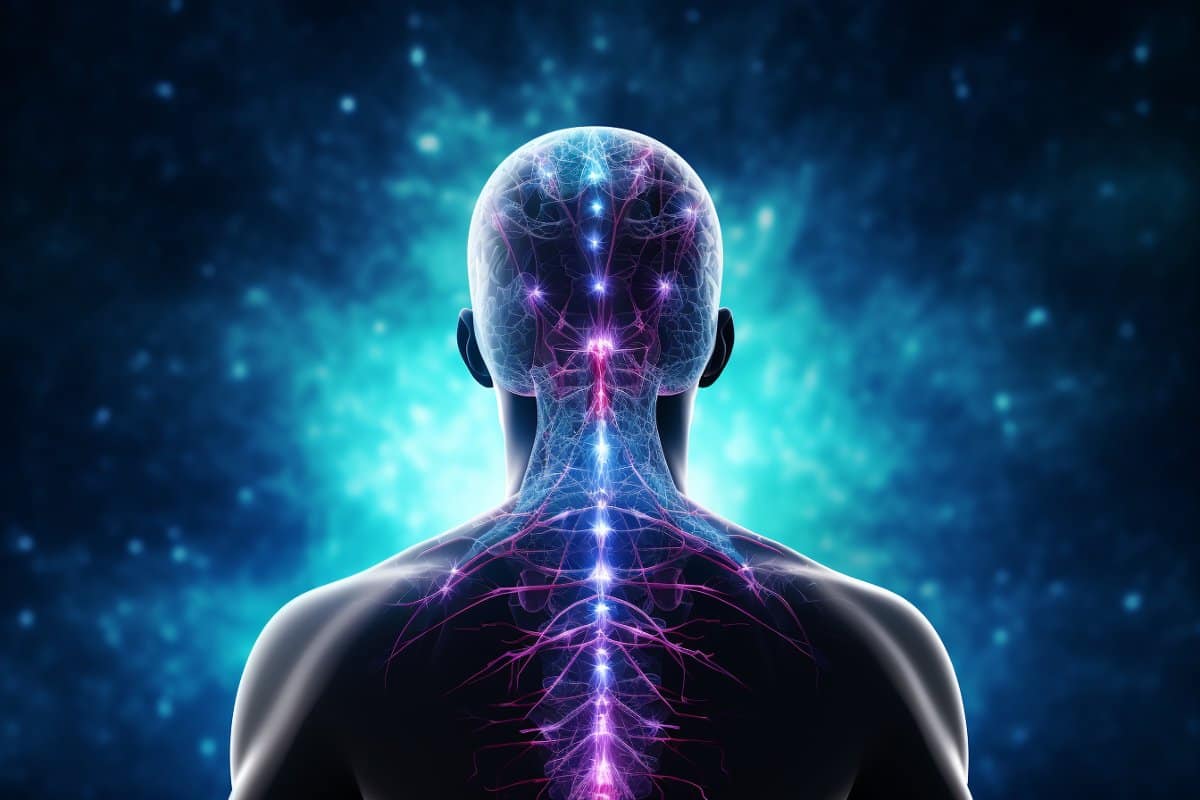
A pilot clinical trial conducted by researchers at the University of Cincinnati has shown that spinal cord stimulation (SCS) is a feasible and well-tolerated method for treating major depressive disorder. The trial involved 20 patients who received active stimulation through SCS sessions over eight weeks. Results revealed a significant decrease in depressive symptom severity in the group receiving active stimulation compared to the control group. This innovative approach suggests that modulating brain-body neural pathways through SCS can have a significant impact on mood regulation and offers a novel direction in treating psychiatric disorders. Further studies are needed to confirm the safety and effectiveness of SCS for psychiatric disorders.
A study on sleep loss and depression found that while lack of sleep generally worsens mood in healthy individuals, it surprisingly induced a temporary lift in spirits for 43% of the patients with depression. Functional MRI scans revealed increased connectivity between the amygdala and the anterior cingulate cortex (ACC) after sleep deprivation, which improved mood in healthy participants and exhibited an antidepressant effect in the patient group. These findings could pave the way for new antidepressant treatments targeting the connectivity between these brain areas.