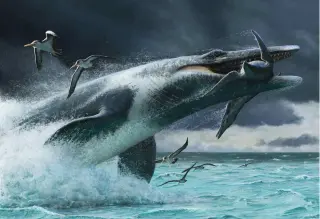
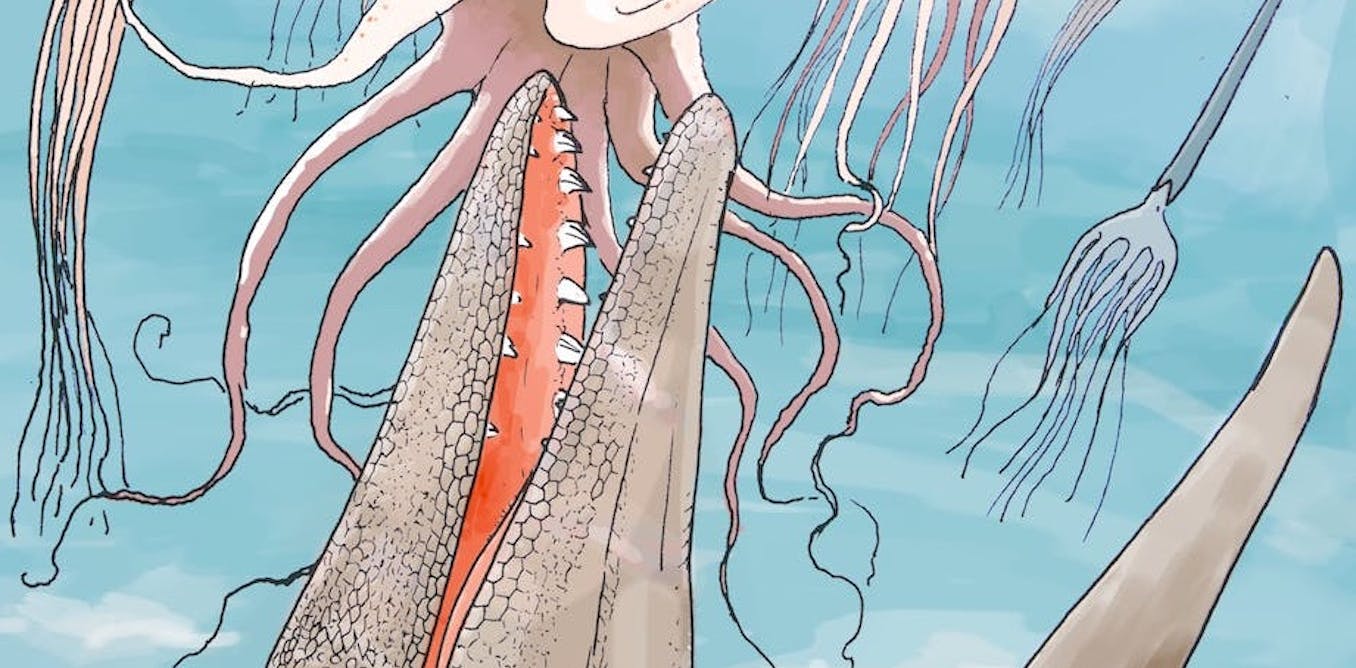
A study in Current Biology indicates that certain Cretaceous mosasaurs, such as Tylosaurus, utilized a 'slam start' technique to accelerate to 15 mph for ambushes, while others like Plotosaurus favored sustained swimming speeds.
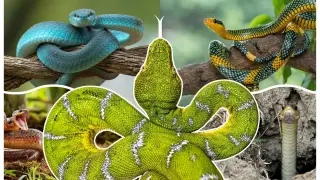
New fossil finds and genomic studies illuminate how snakes rose to dominance over 100 million years: likely starting on land, they gradually shed their legs (roughly 150–125 million years ago) and evolved a highly flexible skull and jaws, enabling diverse diets and habitats from burrowing to aquatic life; fossils like Najash and Dinilysia hint at mixed terrestrial underground origins, while ongoing genome work aims to clarify their closest relatives and the genes behind limb loss.
Research by SMU paleontologists has reconstructed Louisiana's ancient marine life, highlighting the impact of the asteroid that caused the dinosaurs' extinction, evidenced by seismic megaripples and fossils, and revealing rapid mammal evolution afterward, thus providing a comprehensive timeline of Earth's major biological transitions.
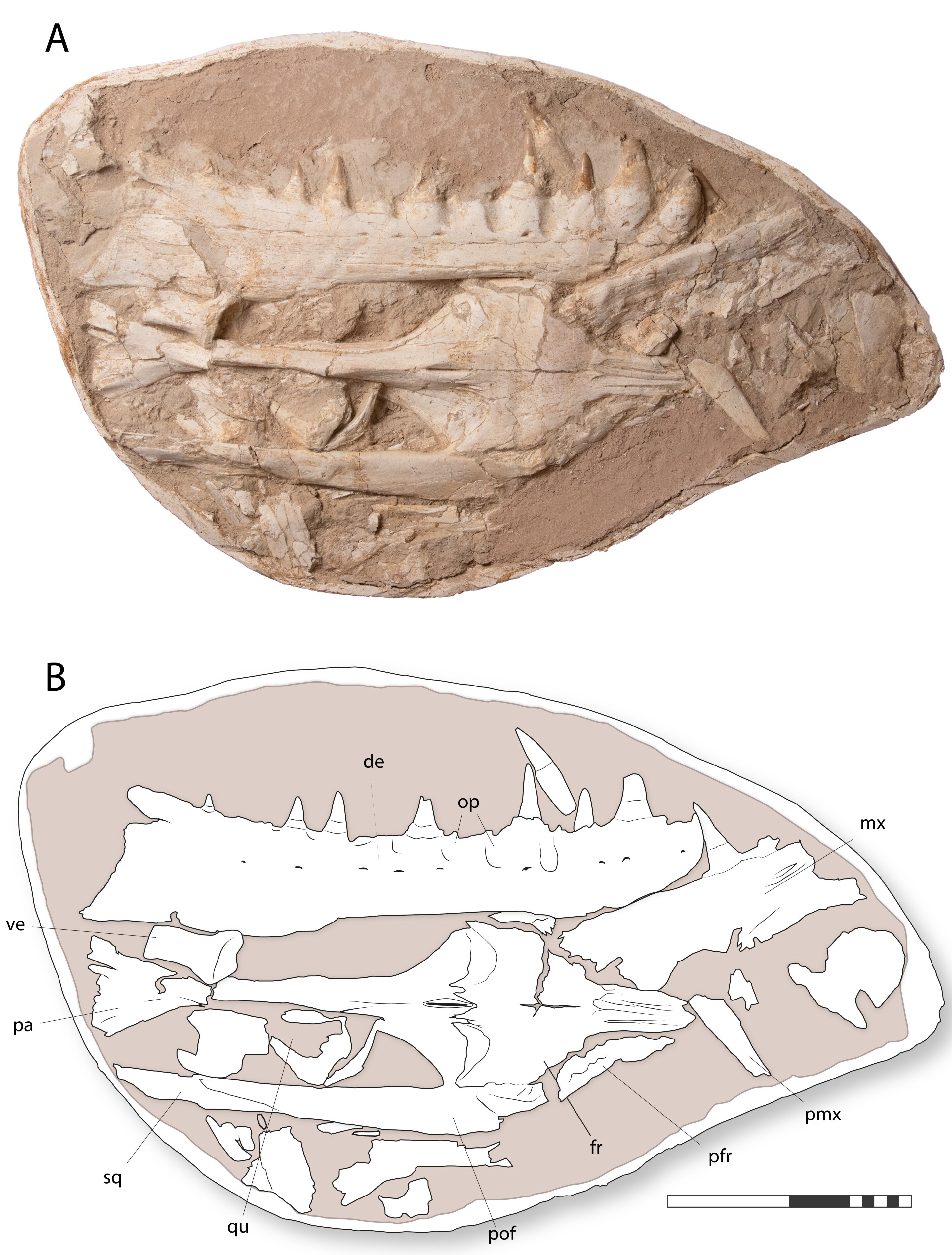
Paleontologists have discovered a new species of marine lizard, Khinjaria acuta, with dagger-like teeth that lived near the end of the dinosaur era, revealing a dramatically different ocean ecosystem compared to today. The study, based on fossils found in Morocco, shows an extraordinarily diverse fauna of predators, including multiple species larger than great white sharks, just before the dinosaurs went extinct. The findings shed light on the significant changes in marine ecosystems following the asteroid impact that wiped out the dinosaurs, leading to the disappearance of mosasaurs, plesiosaurs, and giant sea turtles, and the emergence of new marine predators like whales and seals.
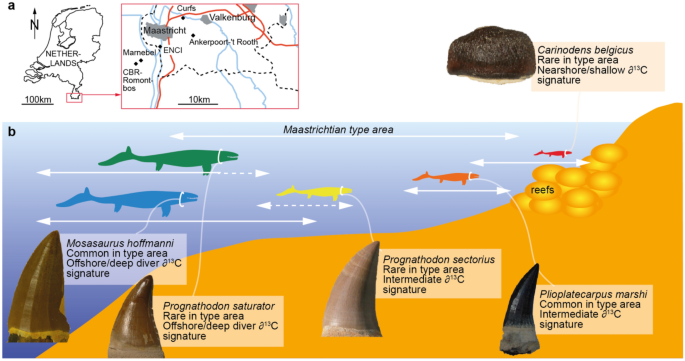
A study conducted on the dental microwear of type-Maastrichtian mosasaurs, a group of large marine reptiles from the Late Cretaceous period, provides insights into their diets and potential niche partitioning. The study used three-dimensional dental microwear texture analysis (DMTA) to analyze tooth surfaces and compare them to extant reptiles with known diets. The results suggest that mosasaurs exhibited dietary generalism with slight preferences for vertebrate and/or invertebrate prey, but also showed some level of dietary specialization and partitioning. The findings shed light on the diversity of ecological roles performed by mosasaurs and the structure of the Late Cretaceous marine ecosystem.
Fossils of marine reptiles, particularly mosasaurs, found in Morocco provide insight into the diverse and thriving marine ecosystem that existed during the last million years of the Cretaceous period. The discovery suggests that the extinction event at the end of the Cretaceous was driven by a sudden catastrophic event, such as the asteroid impact, rather than a gradual decline. The resilience and adaptability of species over millions of years is highlighted, while also raising the possibility of our own species' vulnerability to future catastrophes.