Tag

Late Cretaceous

All articles tagged with #late cretaceous

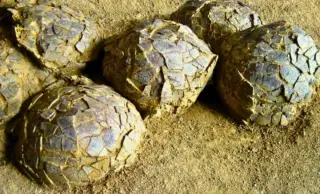
France’s Ancient Nest: Hundreds of Dinosaur Eggs Unearthed in One Bed
science2 days ago

France’s Ancient Nest: Hundreds of Dinosaur Eggs Unearthed in One Bed

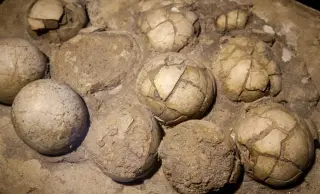
Paleontologists in Mèze, southern France, uncovered a late-Cretaceous fossil bed packed with hundreds of dinosaur eggs from multiple species—titanosaurs, Rhabdodon priscus, and Prismatoolithus caboti—indicating a communal nesting ground; rapid burial preserved many eggs, with excavations continuing to reveal more across an extended layer, potentially including embryos and insights into incubation.

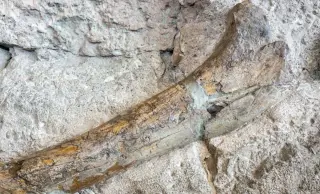
New Mexico tibia hints at an earlier, giant tyrannosaur lineage in North America
science10 days ago

New Mexico tibia hints at an earlier, giant tyrannosaur lineage in North America

Researchers in New Mexico uncovered a 96 cm tibia from a huge tyrannosaurid dating to about 74 million years ago, suggesting giant tyrannosaurs existed earlier than previously thought. Weighing roughly 4–5 tons, the specimen—found in the Hunter Wash Member of the Kirtland Formation—may be the oldest giant tyrannosaur in North America and is thought to belong to an early Tyrannosaurini lineage, shedding light on where these predators first evolved and how southern North American dinosaur populations differed from northern ones.

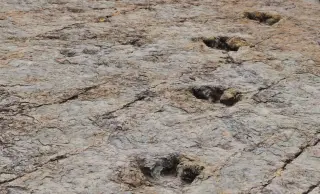
Bolivia Uncovers World’s Largest Dinosaur Footprint Field Along Ancient Lakeshore
science14 days ago

Bolivia Uncovers World’s Largest Dinosaur Footprint Field Along Ancient Lakeshore

Paleontologists in Torotoro National Park, Bolivia, have documented Carreras Pampa as the largest known dinosaur tracksite, preserving nearly 18,000 footprints across 1,321 trackways dating to about 70 million years ago along the shore of an ancient freshwater lake. Most prints are three-toed theropod tracks, with ghost tracks and hundreds of swim traces; no bones were found. The site offers detailed clues on dinosaur movement and behavior and was published in PLOS ONE.

Kraken of the Cretaceous: 19-meter octopus reshapes deep-sea giants lore
science16 days ago

Kraken of the Cretaceous: 19-meter octopus reshapes deep-sea giants lore

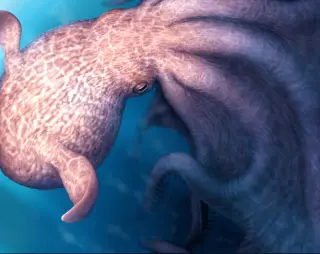
Paleontologists revisited the size of the Late Cretaceous giant octopus Nanaimoteuthis haggarti and now estimate it could reach about 7–19 meters, potentially making it the largest non-colonial invertebrate and a distant relative of modern deep-sea octopuses; initially misclassified as a vampire squid, the species was re-identified from jaw fossils on Vancouver Island and in Japan, with its North Pacific 84-million-year-old habitat and deep-sea lifestyle raising questions about size estimates and octopus evolution.

Colossal Cretaceous Kraken? Study hints at 60-foot octopuses in ancient seas
science24 days ago

Colossal Cretaceous Kraken? Study hints at 60-foot octopuses in ancient seas

A Science study using 15 fossil octopus beaks and AI-based size estimates suggests 60-foot octopuses may have been apex predators in the Late Cretaceous (72–100 million years ago), capable of preying on large creatures like sharks and mosasaurs, though some paleontologists call the 60-foot figure extreme and caution that more evidence is needed.

Giant Late-Cretaceous octopus rewrites ocean size records
science24 days ago

Giant Late-Cretaceous octopus rewrites ocean size records

Researchers re-evaluate 2008 fossils from Vancouver Island and Japan, reclassifying Paleocirroteuthis haggarti as Nanaimoteuthis haggarti and estimating a jaw‑based body length of 7–19 meters, potentially making it the largest non‑colonial invertebrate and a major Late Cretaceous predator; this deep‑sea cirrate octopus likely preyed on ammonites and is linked to modern dumbo and flapjack octopuses, though some scientists question the size estimates.

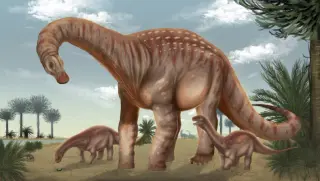
India’s Massive Titanosaur Nesting Site Uncovered with 256 Eggs Across 92 Nests
science1 month ago

India’s Massive Titanosaur Nesting Site Uncovered with 256 Eggs Across 92 Nests

Researchers in central India uncovered a Late Cretaceous nesting site with 92 nests and 256 titanosaurs’ eggs, possibly used by multiple species; six egg types suggest diverse populations; no adult or hatchling bones found, indicating minimal parental care and incubation likely driven by sun and sediment; one ovum-in-ovo egg hints at bird-like reproductive traits.

"Discovery of the Tiniest Titanosaur Fossil Breaks Records"
paleontology2 years ago

"Discovery of the Tiniest Titanosaur Fossil Breaks Records"

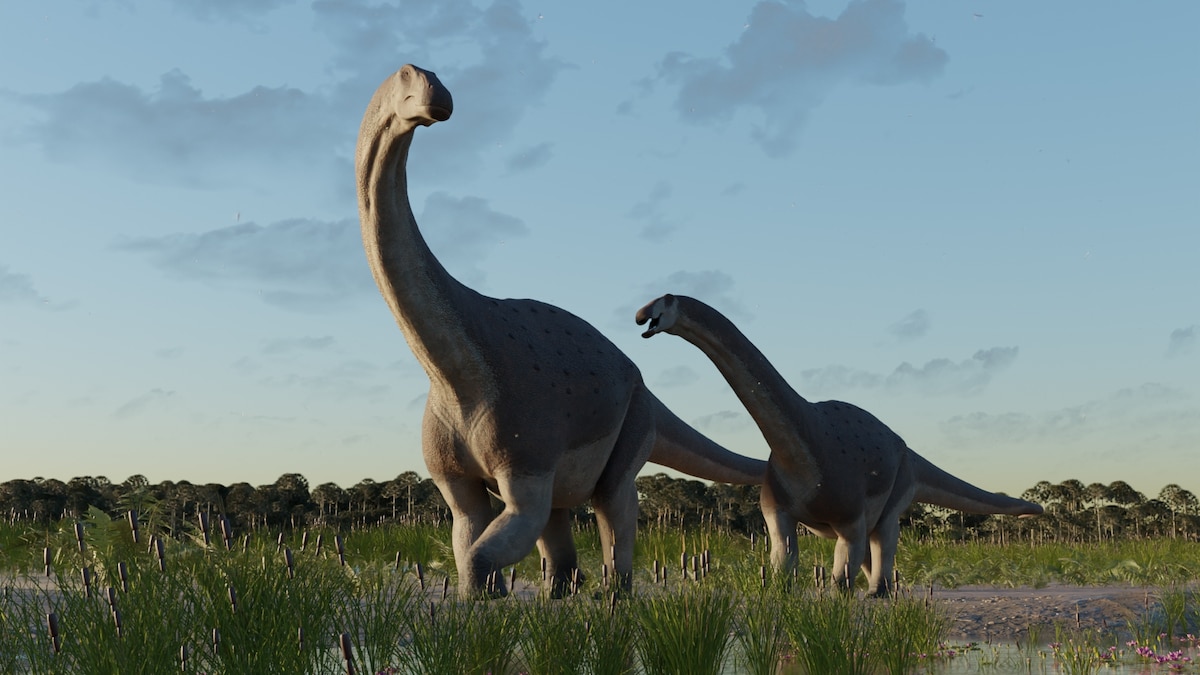
A new dinosaur, Titanomachya gimenezi, discovered in Patagonia is one of the smallest titanosaurs ever found, about the size of a cow. Uncovered by paleontologist Diego Pol and colleagues, this find sheds light on the late Cretaceous period in South America, offering new insights into the diverse dinosaur species that roamed the region. The discovery hints at significant environmental changes and raises questions about why Titanomachya was so small, prompting further investigation into the factors that may have influenced its size and the broader ecosystem.

Ancient Sea Lizard with Dagger-Like Teeth: A Nightmarish Discovery
paleontology2 years ago

Ancient Sea Lizard with Dagger-Like Teeth: A Nightmarish Discovery

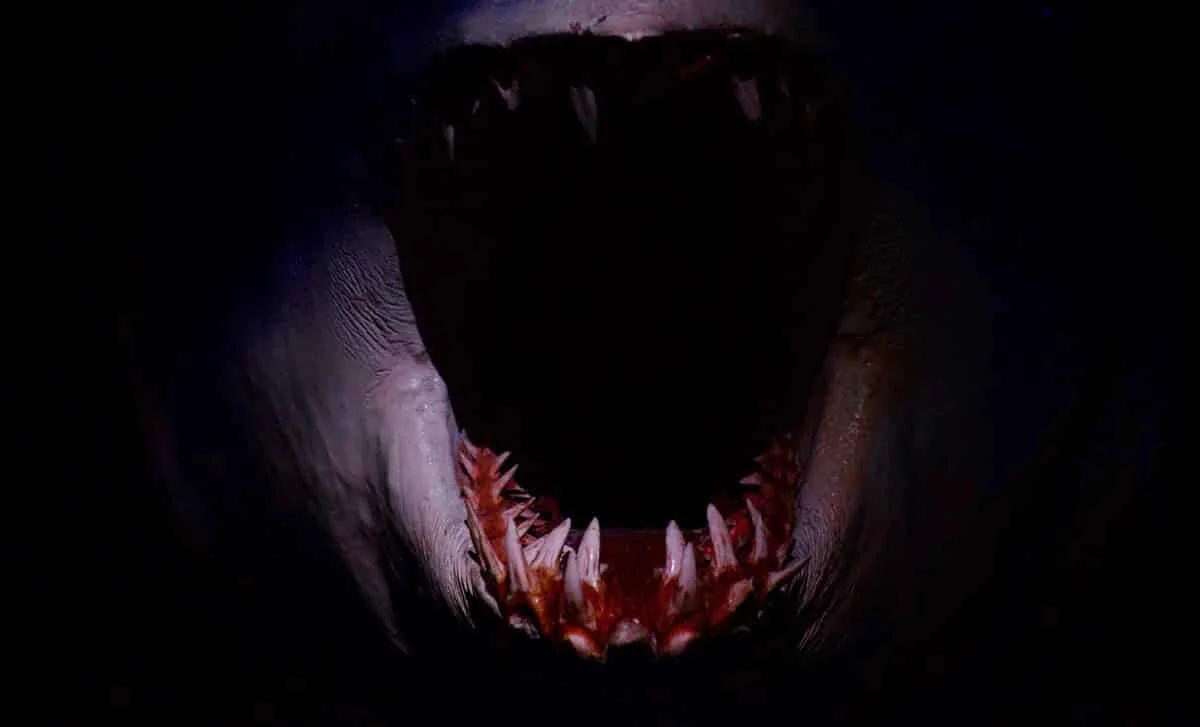
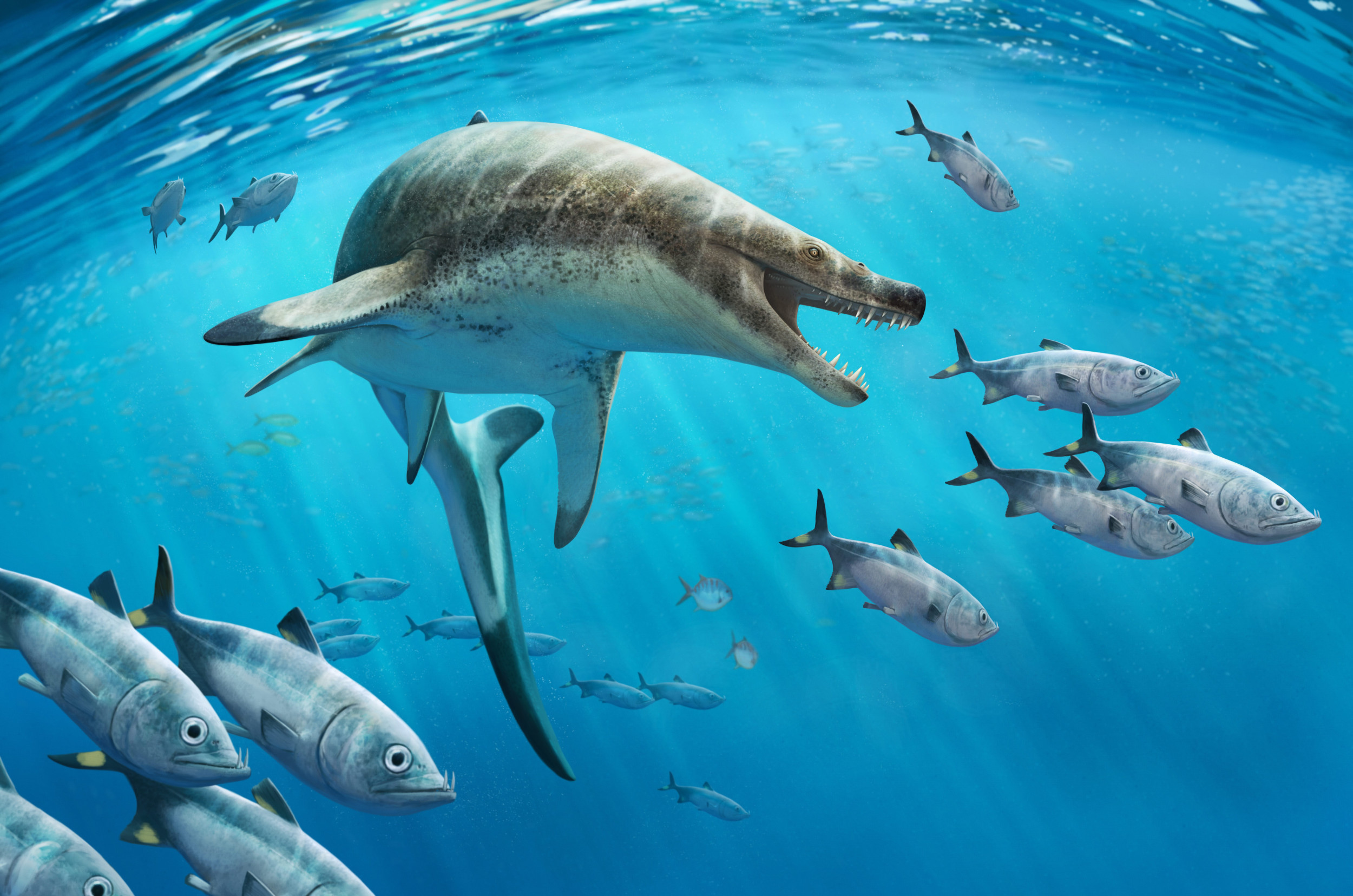
Researchers have discovered a new species of mosasaur, a giant sea lizard with dagger-like teeth, that lived during the Late Cretaceous period. Named Khinjaria acutus, this fearsome marine predator had a short face, long skull, and powerful jaws with teeth resembling daggers. Fossils of this creature were found in Morocco and date back to around 67-69 million years ago. The discovery sheds light on the diverse marine ecosystem of the Late Cretaceous and the predatory behavior of mosasaurs before they were wiped out by a mass extinction event.

"Double Cheek Horns: Unique Feature of Cretaceous Armored Dinosaur"
paleontology2 years ago

"Double Cheek Horns: Unique Feature of Cretaceous Armored Dinosaur"

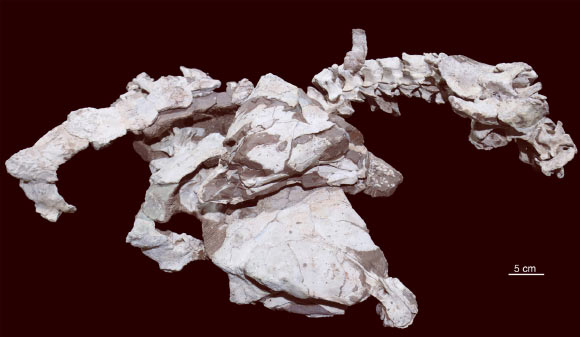
A new species of ankylosaurine dinosaur, Datai yingliangis, has been discovered in southeastern China from two well-preserved immature skeletons, representing a unique addition to the early Late Cretaceous vertebrate fauna. This ancient armored dinosaur had double cheek horns, making it distinct from other known ankylosaurines and shedding light on the early evolution of this group. The discovery provides valuable insights into the diversity and evolution of armored dinosaurs during the Late Cretaceous period.

"Moroccan Discovery: Uncovering Clues to the Extinction of Small Duckbilled Dinosaurs"
paleontology2 years ago

"Moroccan Discovery: Uncovering Clues to the Extinction of Small Duckbilled Dinosaurs"

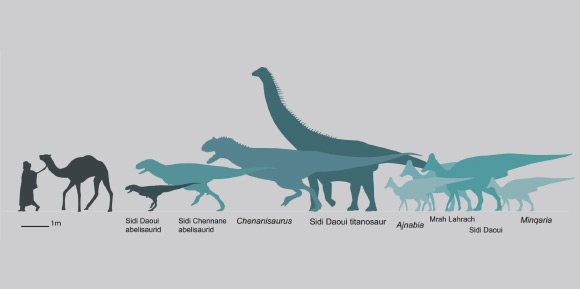
A new species of dwarf lambeosaurine hadrosaurid, named Minqaria bata, has been discovered in Moroccan rocks dating back to the Late Cretaceous epoch, around 68 million years ago. This finding challenges previous beliefs about the distribution of hadrosaurids and suggests that duckbills may have swam or rafted to Africa. The discovery also implies a dispersal-driven radiation of hadrosaurids, with lambeosaurines diversifying to take advantage of low ornithischian diversity. The study sheds light on the diversity and evolution of hadrosaurids in Africa and Europe during the Late Cretaceous period.

"Late Cretaceous Discovery: Large Therian Mammal Unearthed in South America"
paleontology2 years ago

"Late Cretaceous Discovery: Large Therian Mammal Unearthed in South America"

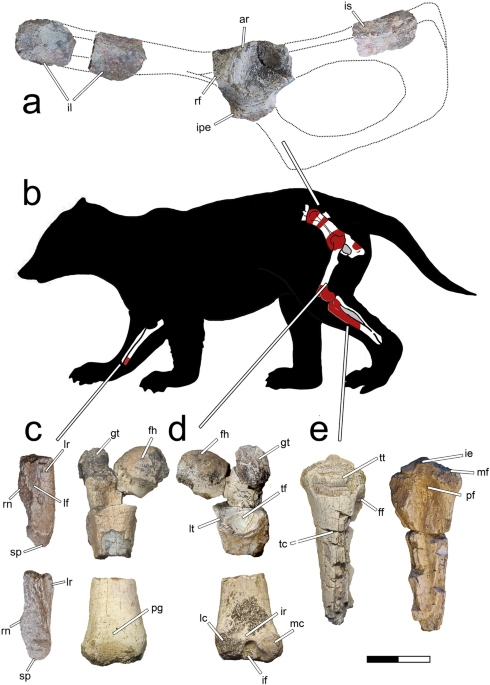
A new study reports the discovery of a large therian mammal, Patagomaia chainko, from the Late Cretaceous of Patagonia, South America. This finding challenges the traditional view that early evolution and origin of therians occurred exclusively on Laurasian landmasses, suggesting that some therian lineages evolved and diversified in the Southern Hemisphere. Patagomaia, estimated to weigh around 14 kg, exhibits unique anatomical features that distinguish it from other Mesozoic mammals, and its discovery indicates a taxonomically diverse Late Cretaceous mammalian fauna in South America, including gondwanatherians, dryolestoids, monotremes, and early therians.

"Discovery of a Canadian Herbivorous Dinosaur Species"
paleontology2 years ago

"Discovery of a Canadian Herbivorous Dinosaur Species"

Paleontologists have identified a new species of herbivorous dinosaur called Gremlin slobodorum, a leptoceratopsid that lived over 70 million years ago in what is now Alberta, Canada. Measuring approximately 2 meters in length, this dinosaur lacked horns and had a small frill extending from behind its head. The discovery of Gremlin slobodorum fills a gap in the fossil record of leptoceratopsids in Alberta and provides insights into the evolution of these plant-eating dinosaurs.

Picky Eaters: Mosasaurs' Teeth Reveal Seafood Preference
paleontology2 years ago

Picky Eaters: Mosasaurs' Teeth Reveal Seafood Preference

A study conducted on the dental microwear of type-Maastrichtian mosasaurs, a group of large marine reptiles from the Late Cretaceous period, provides insights into their diets and potential niche partitioning. The study used three-dimensional dental microwear texture analysis (DMTA) to analyze tooth surfaces and compare them to extant reptiles with known diets. The results suggest that mosasaurs exhibited dietary generalism with slight preferences for vertebrate and/or invertebrate prey, but also showed some level of dietary specialization and partitioning. The findings shed light on the diversity of ecological roles performed by mosasaurs and the structure of the Late Cretaceous marine ecosystem.