Elevating your upper body can alleviate acid reflux and snoring, but improper positioning causes neck pain. Experts recommend a 10-30 degree incline using wedge pillows or bed risers rather than stacking standard pillows, which forces the neck into a harmful flexed position.
Kim Kardashian announces in the Kardashians season 8 trailer that she has esophagitis, an inflammation often linked to GERD. The clip shows her family reacting; the piece explains esophagitis symptoms (coughing, painful swallowing, heartburn, hoarseness, sore throat), risk factors like reflux, smoking, obesity, and certain medications, and notes that, unlike esophageal cancer (which her father died from), esophagitis is usually treatable. It mentions Barrett esophagus as a potential long-term consequence of chronic GERD. Season 8 premieres Oct. 8 on Hulu.
Kim Kardashian reveals she has esophagitis in a trailer for The Kardashians, highlighting the connection to her father’s esophageal cancer; the piece explains esophagitis, its link to GERD and Barrett’s esophagus, and offers general management tips, also noting her 2025 brain aneurysm scare.
Kim Kardashian reveals she has esophagitis in the season eight trailer for The Kardashians. Medical experts say esophagitis is inflammation of the esophagus, most commonly due to reflux esophagitis linked to GERD; chronic acid exposure can lead to Barrett’s esophagus and may increase cancer risk. Diagnosis is typically via endoscopy. The Kardashian family previously helped establish UCLA’s Robert G. Kardashian Center for Esophageal Health in memory of their father, who died of esophageal cancer in 2003.
As we age, the GI tract’s nerves and muscles can slow and coordinate less effectively, leading to reflux, slower gastric emptying, and changes in bowel habits. A thinner stomach lining, reduced protective prostaglandins, and dry mouth from medications raise risks of gastritis and ulcers, while slower small-bowel movement can cause bloating or diarrhea and slower colon motility can lead to constipation or diverticulosis. Chronic conditions and NSAID use can worsen symptoms, but practical steps—chewing well, staying hydrated, eating more plant-based fiber, moving after meals, prioritizing sleep, and consulting a doctor about medications or new red-flag symptoms—can help manage digestion as you age.
A 12x24x24 gel-infused memory foam wedge pillow designed to ease sleep apnea, GERD and post-surgery discomfort is on sale on Amazon for about $32.29 (regularly $40.99) with a Prime coupon; it includes a pillowcase, side pockets, and is praised for improving breathing and sleep quality, with doctors noting elevation can help respiration.
Dr. Roach explains that a diverting esophagostomy—where the esophagus is truly detached from the stomach—is an extremely rare option used only after other GERD treatments fail and can leave patients relying on a feeding tube; after reattachment, strictures may require balloon dilation. Standard GERD care includes acid-suppressing meds, lifestyle changes, prokinetics, and surgeries like fundoplication or magnetic sphincter augmentation, with esophagostomy considered only as a last resort due to risks. The second Q&A notes horseshoe kidneys are a common congenital fusion (about 1 in 500), usually needing only monitoring; they carry higher stone/infection risk, and tumors should be removed with the tumor rather than the whole kidney since it’s effectively a single kidney, with NSAIDs used cautiously.
For persistent GERD symptoms, initial evaluation includes symptom assessment and possibly endoscopy, with advanced pH testing (wireless or catheter-based) used to diagnose acid exposure. Treatment options range from lifestyle changes and medications to surgery, with consideration of reflux hypersensitivity or functional heartburn in some cases. Proper diagnosis and management require comprehensive assessment and may involve new metrics like MNBI and PSPW.
Sleeping position significantly impacts health, with left side sleeping reducing acid reflux and benefiting digestion, while side sleeping can also improve heart and lung health. Using wearable devices can help train better sleep positions, and maintaining good sleep habits supports gut microbiome health and reduces risks like peptic ulcers and sleep apnea. Personalizing sleep positions based on individual health conditions is recommended for optimal well-being.
Ethiopia's Grand Ethiopian Renaissance Dam has been inaugurated, causing tensions with Egypt over water rights, while China remains neutral and potentially mediates, amid broader regional investments and diplomatic efforts.
Ethiopia inaugurated Africa's largest hydroelectric dam, the Grand Ethiopian Renaissance Dam, which will generate 5,150 MW of power, boosting national and regional energy access but raising concerns with downstream Egypt over water rights and regional stability.
Ethiopia's Grand Ethiopian Renaissance Dam, Africa's largest hydro-electric project, took 14 years to build and symbolizes national pride, uniting the country amidst regional tensions, with the potential to significantly improve electricity access for millions.
Ethiopia is set to open Africa's largest hydroelectric dam, the GERD, despite warnings from Sudan and Egypt about potential impacts on Nile water supplies, raising regional tensions over water security and cooperation.
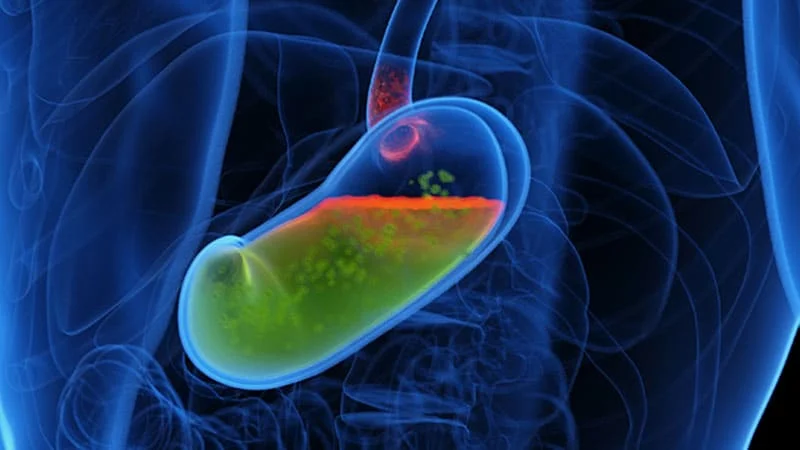
Acid reflux, or GERD, can manifest in surprising ways beyond the typical symptoms of heartburn and gas. Gastroenterologists highlight lesser-known signs such as ear pressure, difficulty breathing, tooth and mouth problems, and chest pain. Treating acid reflux can alleviate these side effects, with dietary changes, elevation during sleep, and medications like proton pump inhibitors. However, it's important to consult a doctor if symptoms are frequent, severe, or include specific concerns like chest pain, difficulty swallowing, or weight loss.
Laryngopharyngeal reflux (LPR), also known as silent reflux, is a condition that often goes undiagnosed due to its atypical symptoms. LPR can cause hoarseness, coughing, difficulty swallowing, and other throat-related issues. It is estimated that 10% of people who see a throat specialist have LPR. While LPR shares similarities with gastroesophageal reflux disease (GERD), it requires different treatment approaches. Diagnosis can be challenging, but doctors typically rely on symptoms and laryngoscopies to diagnose LPR. Treatment options include acid-blockers, a low-acid diet, lifestyle changes, and medication. Lifestyle changes such as quitting smoking, limiting alcohol intake, losing weight, and avoiding eating before bedtime can help alleviate symptoms.