A legal battle over a reportedly noisy public bathroom directly beneath a multimillion-dollar Brooklyn Heights condo has led to its prolonged closure, highlighting friction between public amenities and upscale housing in New York City.
Toluca Lake residents complain of nonstop screams from Universal Studios Hollywood's Fast & Furious: Hollywood Drift during its soft-launch, prompting a plan to install two more sound barriers. Universal says testing complies with noise rules and will continue adjusting measures, with a community meeting planned as neighbors push for relief.
The Kansas City Chiefs released renderings for a new indoor, 70,000-seat stadium set to open in 2031, designed to heighten gameday noise and fan experience with a translucent roof for flyovers. The $3 billion project includes about $1.8 billion in taxpayer funding and represents a shift away from Arrowhead, offering year‑round play in a climate-controlled venue.
Residents of Mount Pleasant and nearby Sturtevant filed a class-action lawsuit against Microsoft alleging constant construction noise from the Mount Pleasant data center disrupts sleep, daily life, and lowers property values, claiming inadequate soundproofing and mitigation. Microsoft says on-site tests and mitigations have reduced the noise and monitoring continues, while construction runs through at least 2028; the village reports no formal complaints since mid-April as the suit seeks damages and a reduction in noise.
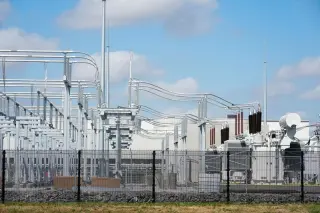
Mississippi residents filed a federal class action against Elon Musk’s xAI and SpaceX (with MZX Tech named) accusing a nearby Southaven data-center fueling plant of emitting constant noise and vibrations that harm health and devalue property; the suit, representing a class of more than 10,000, seeks damages and disgorgement of profits, while Musk is not named as a defendant and related environmental claims against xAI by the NAACP are ongoing with possible DOJ involvement.
An opinion piece argues that 40–60MP sensors bring diminishing returns: larger file sizes, storage and processing demands, and potential limits from lens resolving power; while noise performance has improved, the real gains depend on lens quality and workflow, so many photographers may be better off prioritizing technique and proximity over chasing more megapixels, with a follow-up on how high-resolution files translate to print and screen.
Dyson launches its first handheld fan, the HushJet Mini Cool, a 7.5-ounce bladeless device offering up to 55 mph airflow across five speeds, usable in hand, around the neck, or on a surface; it runs about six hours on a 3-hour charge, uses evaporative cooling, and costs $99 with three color options and upcoming mounts like a stroller mount and grip clip.
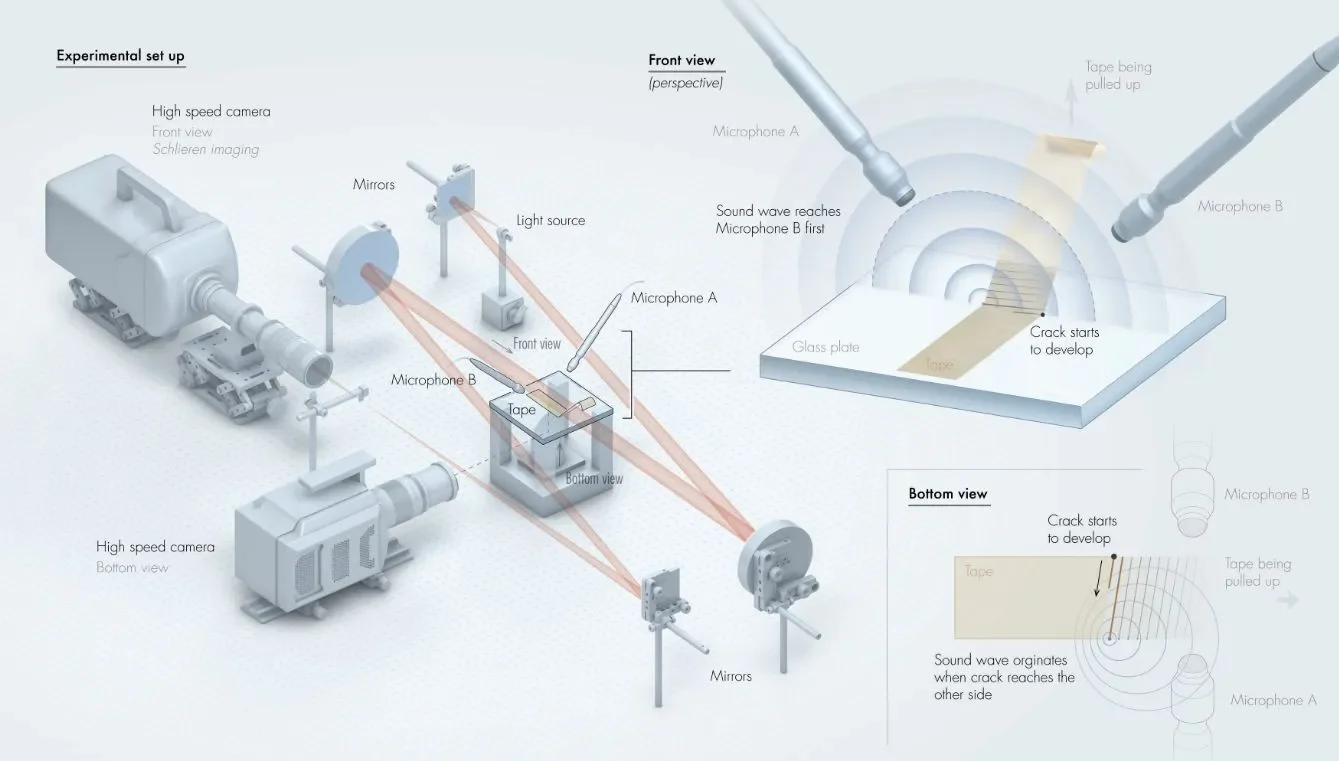
Researchers show that the loud sound of peeling adhesive tape comes from a stick-slip process that creates supersonic air pulses and shock waves. Using Schlieren imaging with two microphones and high-speed cameras, Er Qiang Li et al. observed transverse fractures that form vacuum pockets, which collapse abruptly during the slip phase, producing a ~9600 Pa shock front and visible shock fronts. The study highlights the broader physics of tape, noting triboluminescence and occasional X-ray emission in demonstrations.
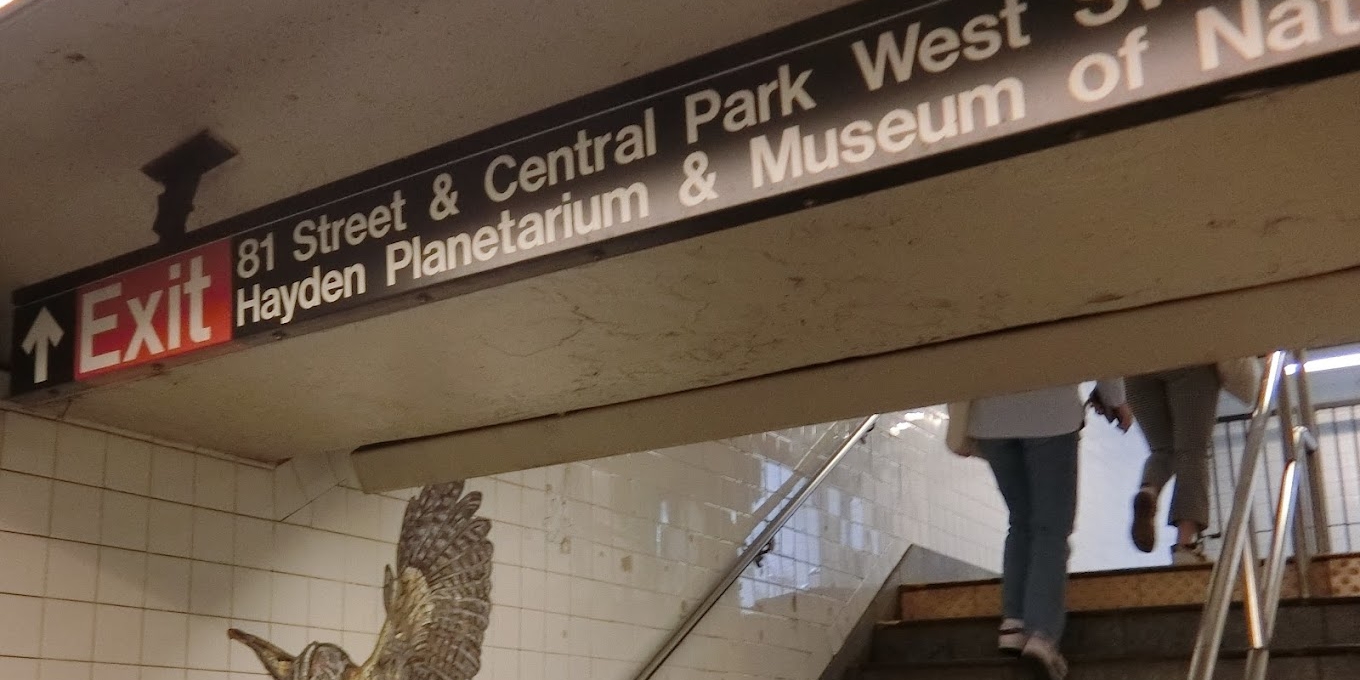
Carol Tannenhauser reflects on the impending noise and disruption from a three-year construction project to install an elevator at the West 81st Street subway station, which she initially dreads but ultimately accepts, inspired by the story of Sasha Blair-Goldensohn, a disability advocate who has long campaigned for accessible subway stations.
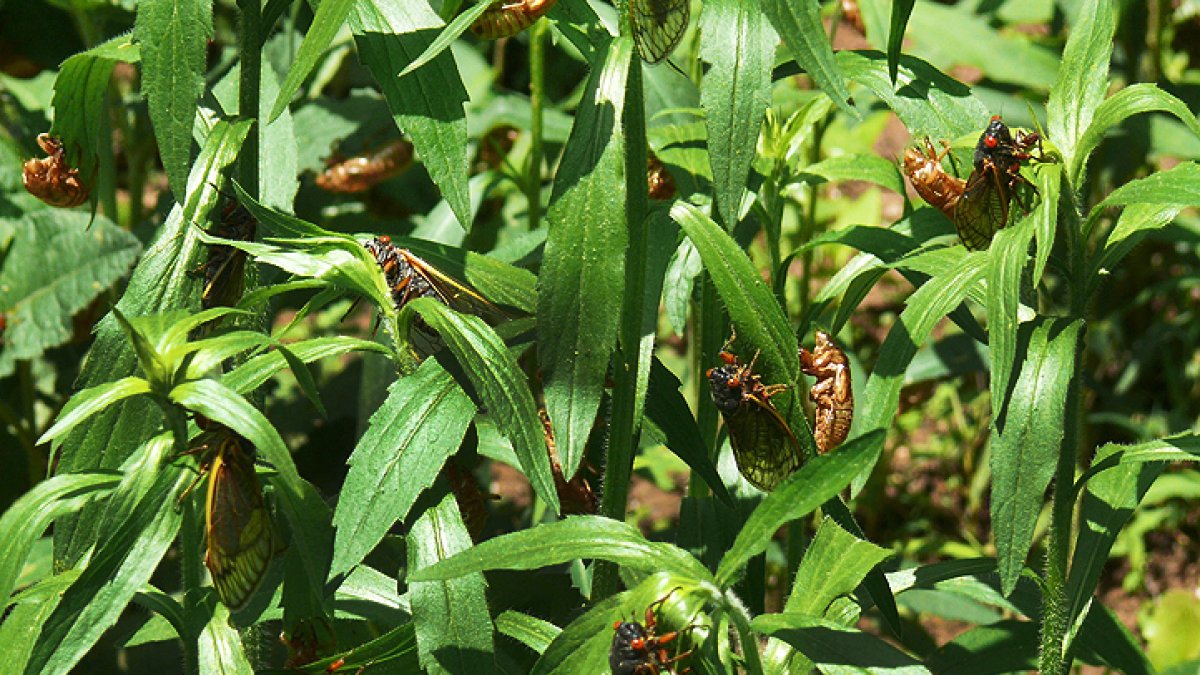
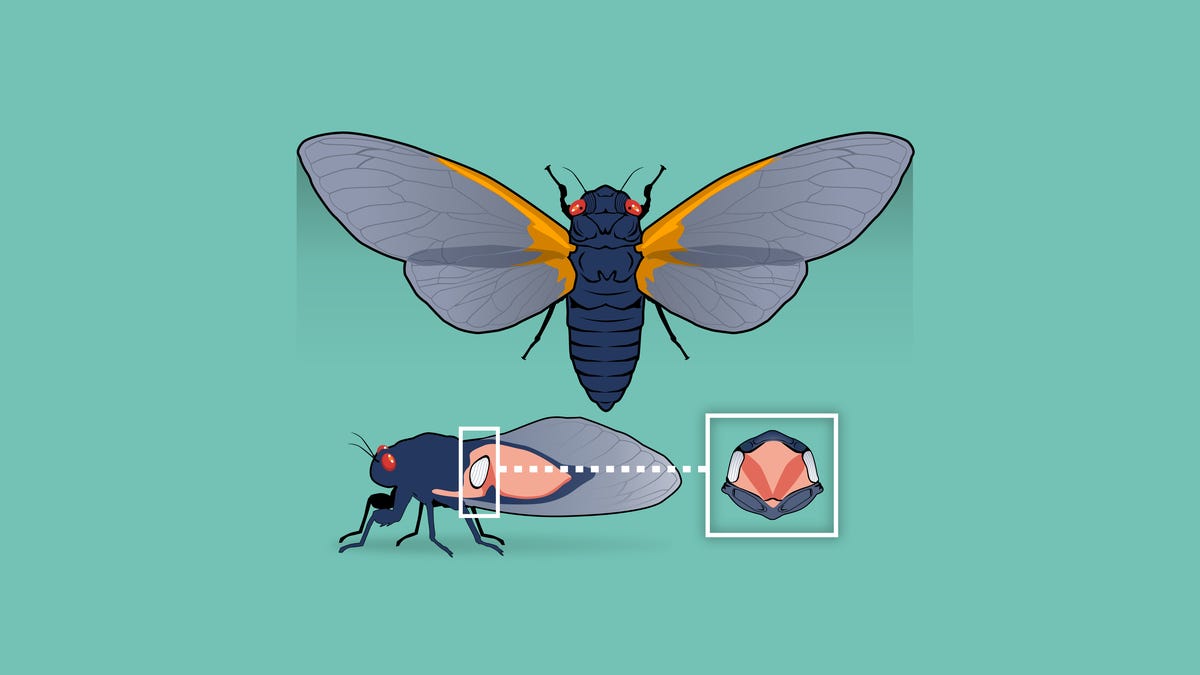
Two cicada broods are set to emerge in Illinois this spring and summer, with densities of up to a million and a half per acre. The noise from these insects, which can reach decibels similar to a lawn mower or passing jet, is expected to be disruptive, but their life cycle is short, lasting just four to six weeks. The emergence is predicted to occur between mid-May and early June, with the Northern Illinois Brood's emergence typically lasting approximately four weeks. While the noise may be substantial, cicadas are harmless and can be appreciated by nature lovers, and they also provide benefits such as being a valuable food source for birds and improving water filtration into the ground.
In mid-May, over 1 trillion cicadas from Brood XIX and Brood XIII will emerge in 17 U.S. states, creating a loud, high-pitched buzz that will last for weeks. This rare overlap in emergence, not seen since 1803, is caused by the 13 and 17-year cycles of the two broods. The cicadas will make their distinctive noise using vibrating membranes called tymbals, and their emergence will vary depending on location and weather, with a lifespan of four to six weeks. Unlike locusts, cicadas do not cause severe destruction to plant life.
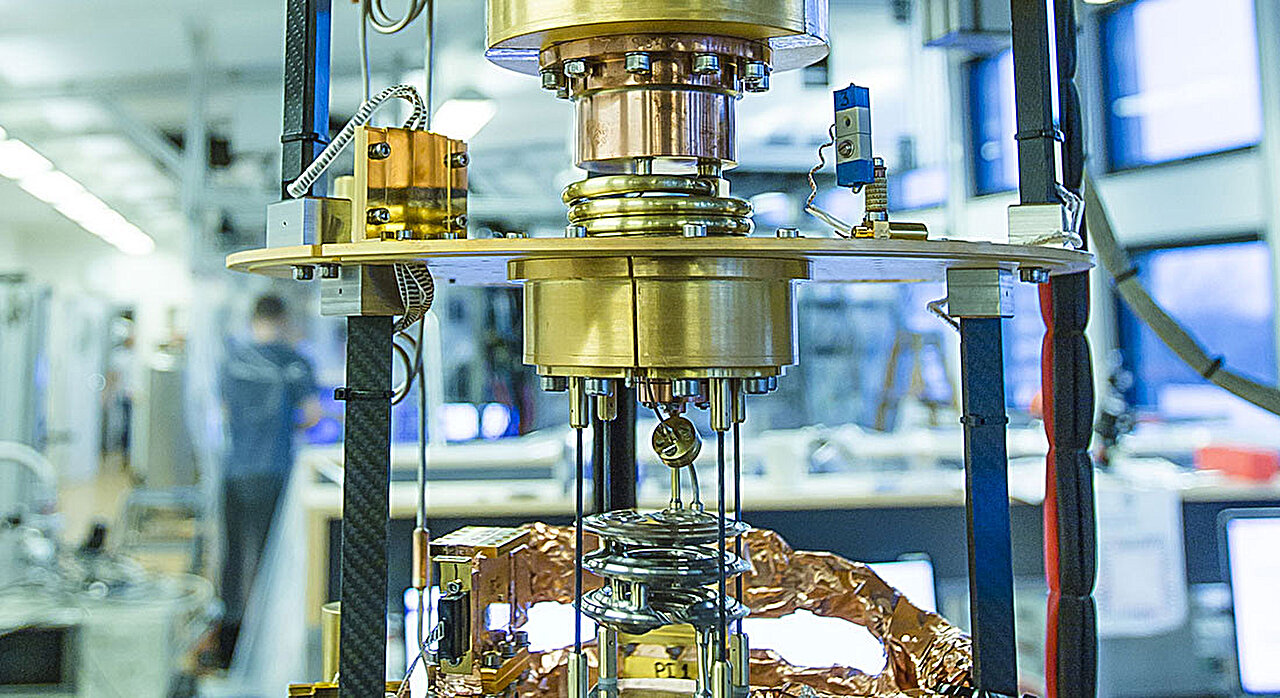
Researchers at the Niels Bohr Institute have developed a method to use noise to process quantum information, increasing the performance of qubits by 700%. By continuously monitoring and adapting to environmental changes in real time, they have demonstrated a new approach to quantum computing that could lead to more powerful computers in the future. This interdisciplinary effort involves the integration of a singlet-triplet spin qubit with FPGA-powered qubit controllers and has the potential to revolutionize quantum computing by actively adjusting for environmental noise.
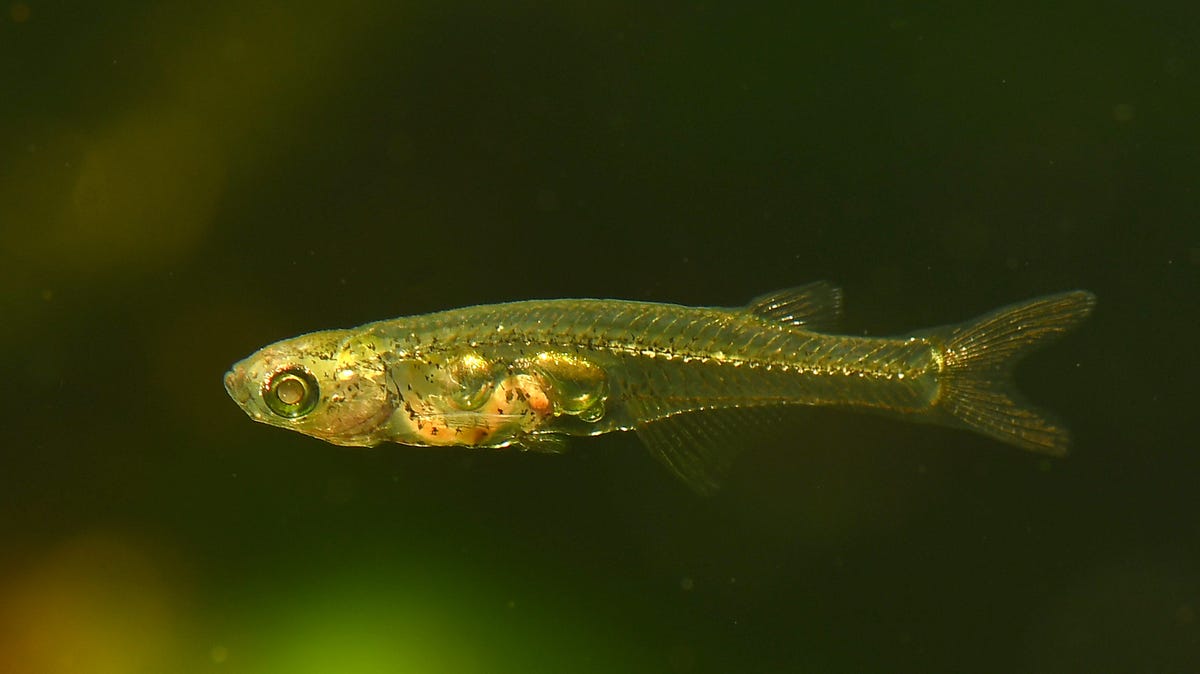
A new study reveals that the Danionella cerebrum, a tiny fish discovered three years ago, can produce sounds as loud as 140 decibels, comparable to the noise of an airplane during take-off. The fish possesses a unique sound-generating organ and uses a specialized apparatus to create rapid, loud pulses for communication in visually restrictive environments, challenging the notion that fish are generally quiet animals.
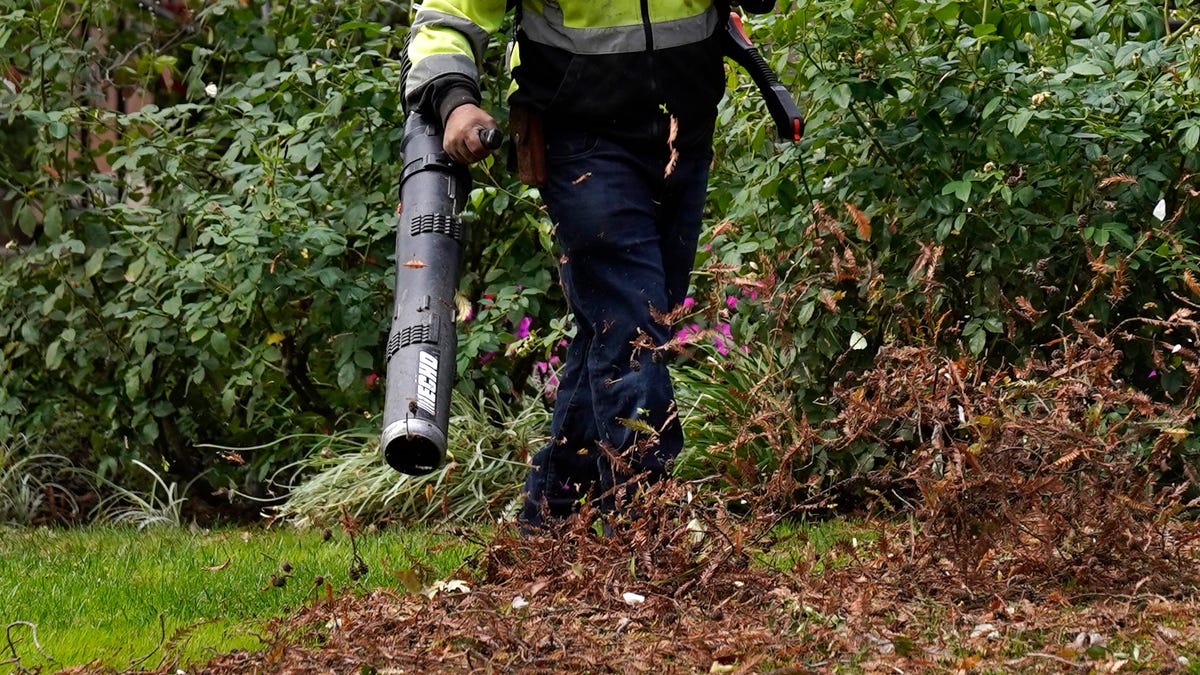
Ann Arbor, Michigan, is phasing in a ban on gas-powered leaf blowers due to concerns over noise and pollution. The ban will be implemented gradually over four years, with a complete prohibition by January 2028. Violations will result in fines, which will be used to help low-income residents and small businesses acquire alternative leaf blowers. The city previously banned outdoor maintenance equipment with two-cycle gas engines in downtown areas.
Researchers at the University of Duisburg-Essen have developed a method for extracting data from noisy signals, which could have implications for quantum computers. By analyzing the noise generated by a quantum dot sample exposed to an exciting laser, the researchers were able to determine the lifetime of spin states. This technique allows for the re-evaluation of older data and the discovery of previously hidden signals.