The article challenges the White House’s claim that Americans are spending more because they’re optimistic, arguing the claim isn’t clearly supported by data and that rising spending could be driven by factors other than sentiment, such as wages, prices, or policy changes.
Dr. Sue Varma’s concept of practical optimism is a learnable, eight-pillared framework for thriving through stress and adversity. It blends realism with action, distinguishing itself from toxic positivity and resilience by focusing on purposeful intention, emotional processing, problem-solving, self-compassion, proficiency, presence, relationships, and healthy habits. Backed by research showing optimism links to lower cardiovascular risk, longer life, and better cognitive health, the approach provides concrete steps and daily practices (including a 10-minute focused routine and four-step emotion work) to cultivate a more optimistic outlook, with 75% of optimism being learned and doable for anyone.
A growing body of research suggests optimism may protect the heart biologically and by promoting healthier habits, potentially lowering the risk of cardiovascular disease.
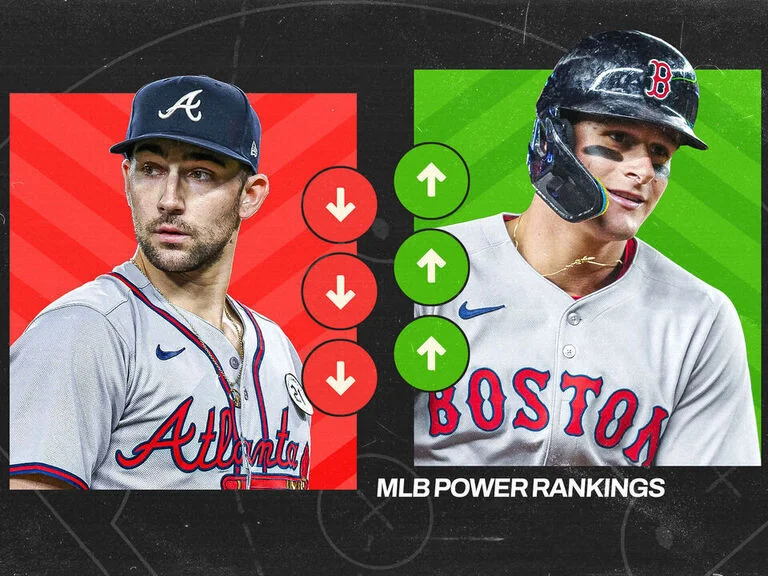
A panel of MLB writers ranks all 30 teams and assigns one reason to believe for each, turning early-season optimism into a league-spanning narrative—celebrating the Braves’ strong start, the Yankees’ deep rotation and lineup, the Rays’ depth and trend of sum-of-the-parts success, and notable surprises like the Pirates and Cubs—while acknowledging teams facing slow starts that still have room to turn things around.
A Sonny Bunch essay argues that while AI could solve big problems, optimism about the tech hinges on a fragile belief that most people will strive for human flourishing. By comparing The AI Doc's ‘apocaloptimist’ view with the darker realities of the manosphere, the piece shows how AI's promise clashes with human nature, manipulation, and a culture of passive consumption. The author warns that deepfakes and misinformation amplify risks, and that the real challenge is not the technology itself but how people choose to use it. The takeaway is a balanced stance: hope for AI’s benefits but skepticism about societal motives and the likelihood that many will opt for distraction over production.
TheScore's 2026 MLB Power Rankings offer one optimistic thread per club, pairing PECOTA and FanGraphs projections with World Series/Playoff odds and notes on health and key acquisitions. Highlights include the Dodgers chasing a third straight title with Ohtani, Tucker, and Díaz; Vladimir Guerrero Jr. taking a leadership role for the Blue Jays; Aaron Judge anchoring a strong Yankees lineup; and a wave of young talent fueling contenders from Phillies to Reds and Cubs.
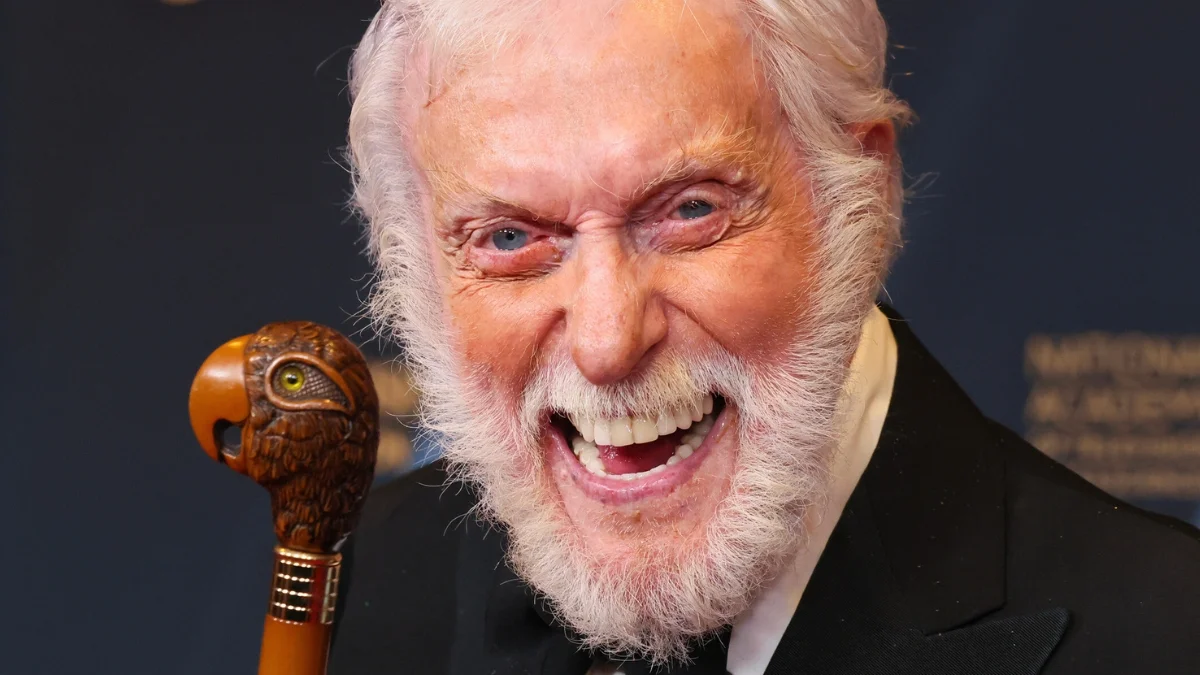
Dick Van Dyke recently turned 100 and attributes his longevity to a positive outlook and never getting angry; research cited alongside the piece links optimism and stress reduction to longer lifespans, discusses telomeres as a cellular aging factor, and notes that better anger management and healthy habits may contribute to longer, healthier aging.
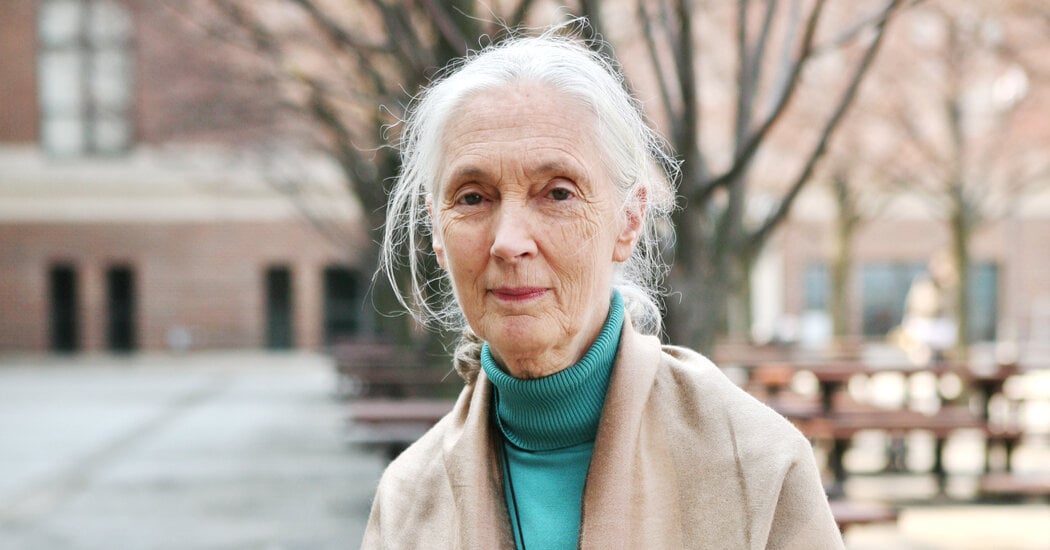
Jane Goodall, who passed away at 91, exemplified principles of healthy aging such as staying active, having a clear purpose, and maintaining optimism, offering valuable lessons on living a long and fulfilling life.
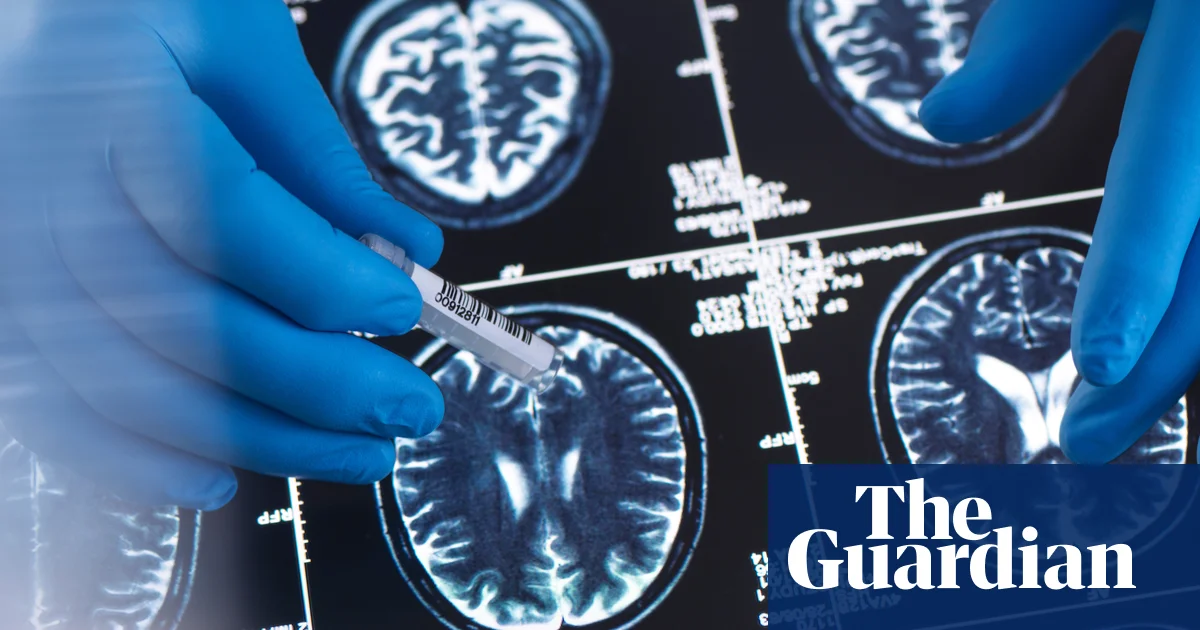
Research shows that optimists share similar brain activity patterns when imagining future scenarios, particularly in the medial prefrontal cortex, which may underpin their social success and resilience by enabling them to process positive and negative events distinctly. This shared neural framework suggests that optimism involves a common way of mentally organizing future thoughts, rather than identical ideas, highlighting the structural basis of positive outlooks.
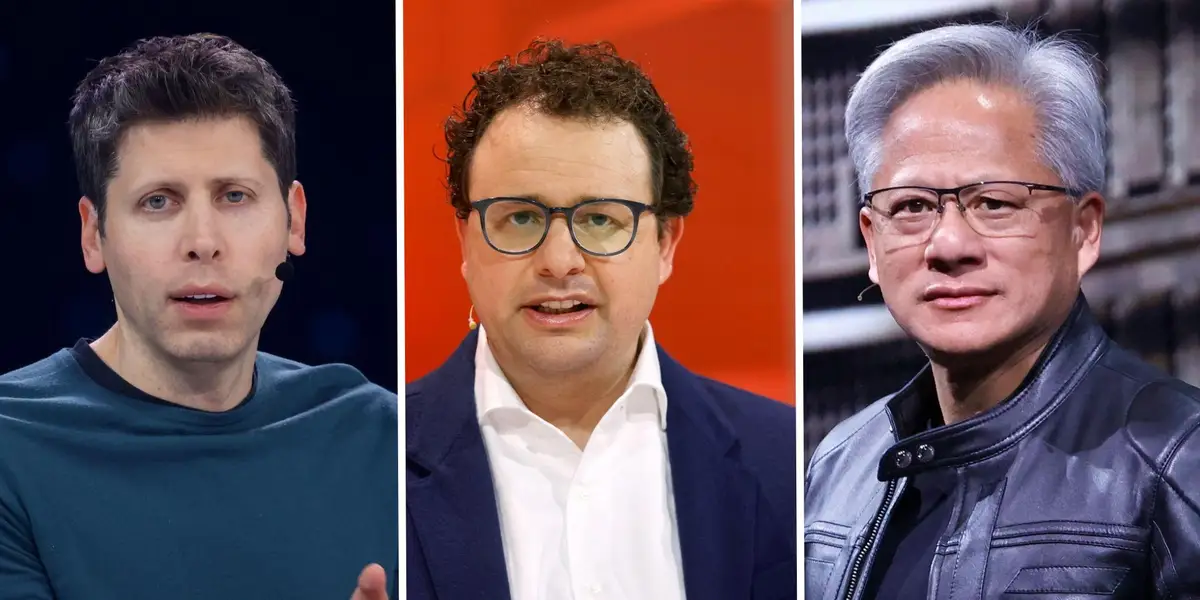
Major tech leaders have differing views on AI's impact on white-collar jobs, with some warning of significant job losses, especially in entry-level roles, while others see AI as a tool for augmentation and job creation. Dario Amodei warns of rapid job displacement, whereas Sam Altman and others believe society will adapt and new opportunities will emerge. Jensen Huang and Marc Benioff express optimism about AI's potential, contrasting with concerns from Jim Farley and Dario Amodei.
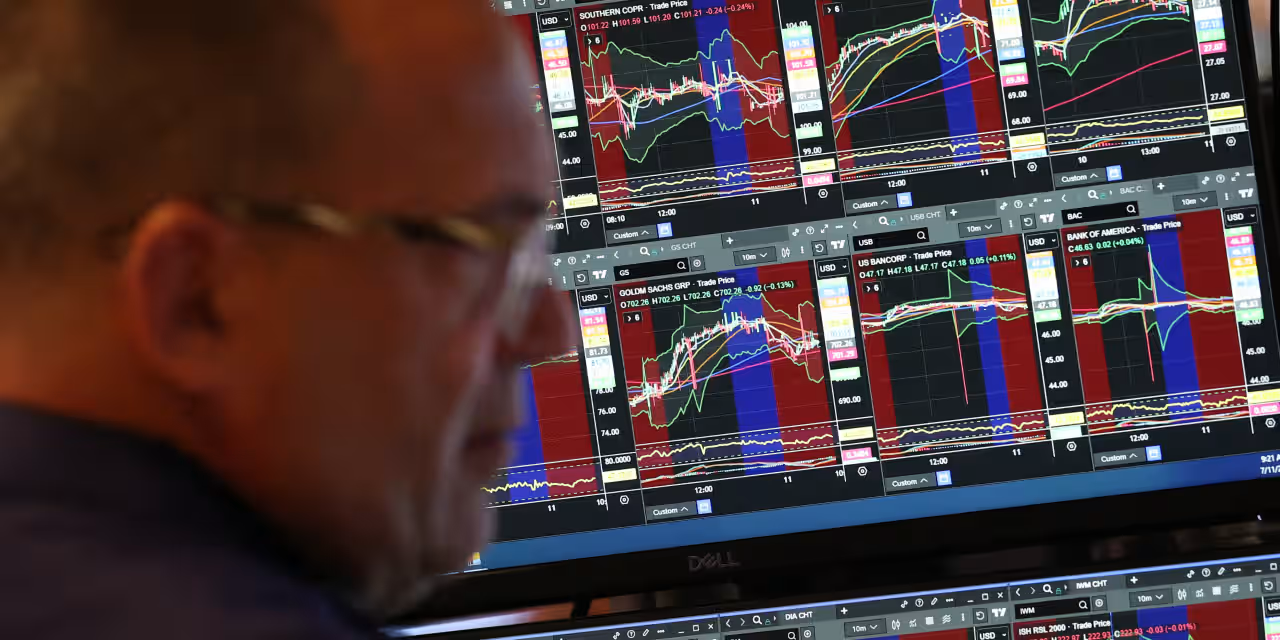
Strategists are increasingly confident in the S&P 500, with some raising year-end targets as high as 6,600, driven by strong earnings, economic resilience, and optimism about AI-driven growth, despite ongoing uncertainties and risks.
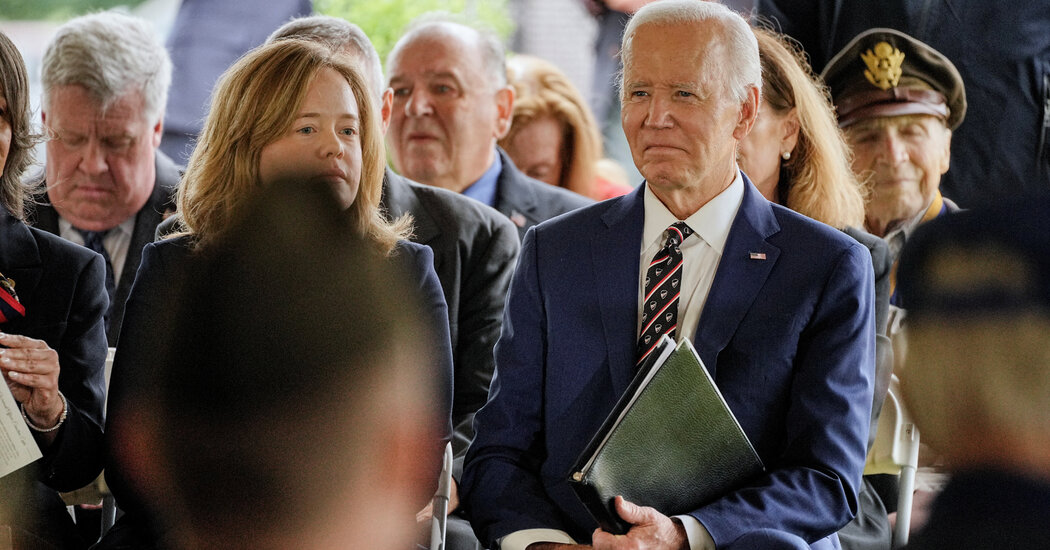
Former President Biden announced he is undergoing treatment for aggressive prostate cancer, expressing optimism about his prognosis and describing his treatment as taking a single pill. He emphasized his good feeling and confidence in beating the disease, while also reflecting on his time in office and current global challenges.
Joe Biden publicly announced his prostate cancer diagnosis, expressing optimism about beating it and sharing that he is undergoing treatment. He also reflected on Memorial Day, honoring fallen service members and emphasizing the importance of democracy, while addressing recent scrutiny about his health and mental fitness.
Travel expert Rick Steves discusses his refusal to become cynical about the world, emphasizing the importance of maintaining an optimistic outlook despite global challenges.
In May, Layer-2 solutions saw significant growth, with Arbitrum (ARB) and Optimism (OP) leading in network growth. ARB's price increased by 8%, while OP's price fell by over 10%. Despite ARB's positive price action, both tokens experienced negative market sentiment. Blast and opBNB also showed notable performance in terms of transaction growth and network usage.