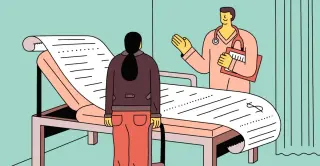
A compilation of 28 anonymous accounts from nurses, surgeons, and hospital staff details the unspoken realities of medical care, including staffing shortages, lab test inaccuracies, and patient rights.
A 22-year-old mother in Wales was denied hot meals at a hospital while her infant daughter was critically ill, because she was formula-feeding rather than breastfeeding. The family spent over £1,000 on food during a three-week stay. The health board apologized but defended its policy, stating only breastfeeding mothers receive meals on pediatric wards.
Patients in Tampa Bay are reporting shockingly high bills from freestanding emergency departments for minor issues, with charges reaching $35,000 for a rabies shot and $8,000 for a dislocated finger. While these facilities offer faster access than hospital ERs, their costs far exceed urgent care rates, prompting concerns about patient confusion and financial burden.
Under the Affordable Care Act, most Americans are entitled to one annual preventive doctor visit with no out-of-pocket cost. However, a growing number of patients are receiving surprise bills when they disclose pre-existing conditions during these visits. Providers often reclassify the appointment as a 'sick visit' rather than a 'preventive visit,' triggering copayments or full charges. This discrepancy between policy intent and billing reality is causing widespread frustration and financial strain for insured individuals.
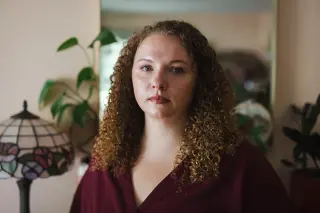
Autumn Daniels, a 32-year-old from Champaign, Illinois, was charged $410 for an emergency room visit in April 2026 despite leaving without treatment after waiting four hours. She had sought care for a severe migraine that did not respond to a prior urgent care injection. Although she never saw a physician, Carle Foundation Hospital billed her for an 'Emergency Room Level 1' visit, arguing that registration and nursing assessments constituted the start of care. Daniels’ health plan denied coverage, and she is considering an appeal.
Aleksandr and Nataliya Yeremeyev, a Seattle couple, have filed a $10 million lawsuit against Salem Health and emergency physician Dr. Stefani Sorensen. The complaint alleges that after their eight-month-old son, Michael, died in the Salem, Oregon, emergency room in September 2024, hospital staff refused to offer proper transport or morgue storage. Instead, the family claims they were pressured to drive the infant’s body back to Seattle in their personal vehicle. The lawsuit seeks damages for negligence and emotional distress, while Salem Health maintains it acted according to policy and the family’s wishes.
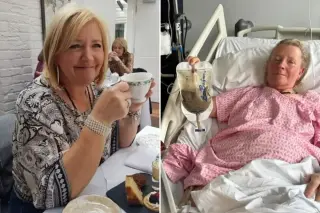
Vicky Mcloughlin, a 66-year-old woman diagnosed with stage 3 bowel cancer in November 2024, has been denied major pelvic surgery by both Solihull Hospital and St Mark’s Hospital in London. Her daughter, Chloe, argues that the refusal leaves her mother in a 'living nightmare' of constant hospital visits and infections, while medical teams cite significant risks to her fitness and potential loss of a leg. Mcloughlin, who now relies on stoma bags and kidney tubes due to tumor complications, has suffered from sepsis five times in the last two years and cannot undergo chemotherapy due to ongoing infections.
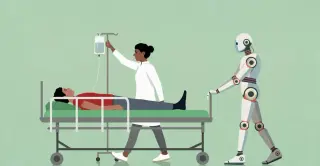
AI usage among US physicians has doubled since 2023, reaching over 80% adoption, yet public trust remains low. While clinicians use AI for note-taking and risk prediction, a significant gap exists between provider enthusiasm and patient anxiety. Experts emphasize the 'human in the loop' principle, urging patients to ask specific questions about data privacy, consent, and how AI influences their care decisions.
After a decade-long battle, Leah Spasova won a case with the UK NHS ombudsman, who found her local Integrated Care Board unfairly refused funding for female sterilization while funding vasectomies for men; the decision exposed gender bias and prompted a policy review to ensure eligible women can access permanent contraception, underscoring ongoing concerns about women’s bodily autonomy in the health system.
A retired surgeon shares a detailed and personal account of being misdiagnosed, forcibly medicated, and subjected to ECT in psychiatric care, highlighting issues of patient rights, treatment abuses, and the impact of psychiatric practices on his life and family.
Shaquille Edwards, an epileptic patient, plans to take legal action against Arima Hospital after suffering a severe wrist injury due to alleged medical negligence during a seizure, highlighting systemic issues in healthcare and inadequate patient care.
Major health insurers have pledged to reform the controversial practice of prior authorization, aiming to speed up decision-making, reduce delays, and improve transparency for patients and doctors, amid mounting criticism and regulatory pressure.
The article explores the complex ethical, legal, and social issues surrounding Canada's expanded access to medically assisted death (MAID) for patients without terminal illnesses, highlighting cases like Paula's to illustrate the debates over autonomy, suffering, and societal responsibility.
An NHS worker at the Becklin Centre in Leeds secretly filmed and shared videos of patient Julie Trafford's mental health crisis on WhatsApp, leaving her feeling violated and distrustful of the facility. Despite the breach, the staff member remains employed, prompting outrage from Trafford and her husband. The Care Quality Commission upheld complaints against the trust, recommending a review of the staff member's role. The incident has raised concerns about patient privacy and trust in mental health services, with calls for accountability and proper investigation.
The UK Parliament has moved closer to legalizing assisted dying for terminally ill patients with a life expectancy of six months or less, following a supportive vote by MPs. The bill, which requires approval from two doctors and a judge, aims to provide a choice for those suffering from severe pain, like Elise Burns, who supports the bill. However, opponents like Nik Ward express concerns about its implications for vulnerable individuals and the need for improved palliative care. The bill still requires further votes before becoming law.